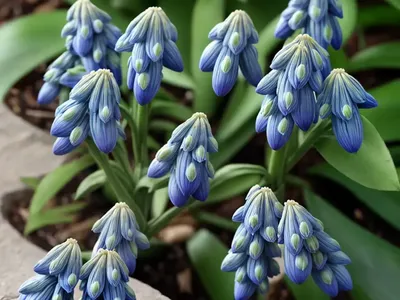
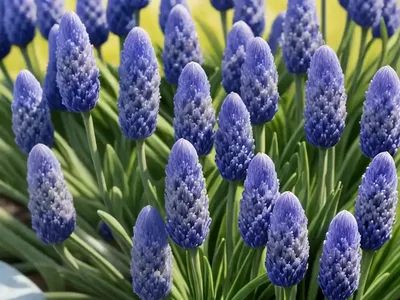
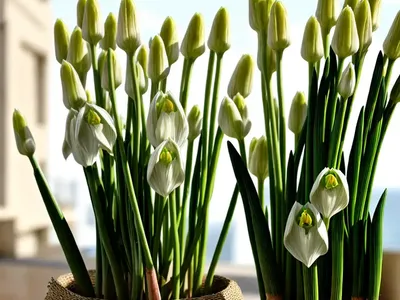
Common Hyacinth (Hyacinthus Orientalis)
The Common Hyacinth (Hyacinthus orientalis) is a beautiful flowering plant that has been cherished for centuries. Its fragrant, vibrant blooms and easy.
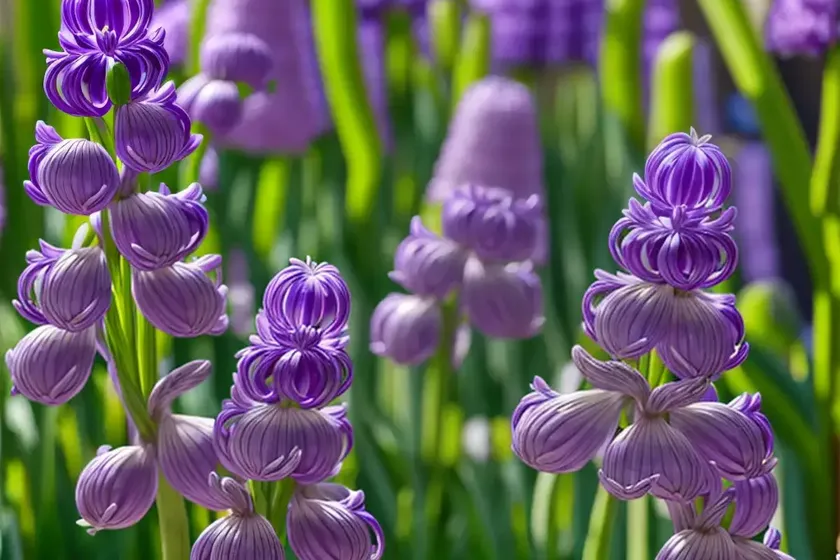
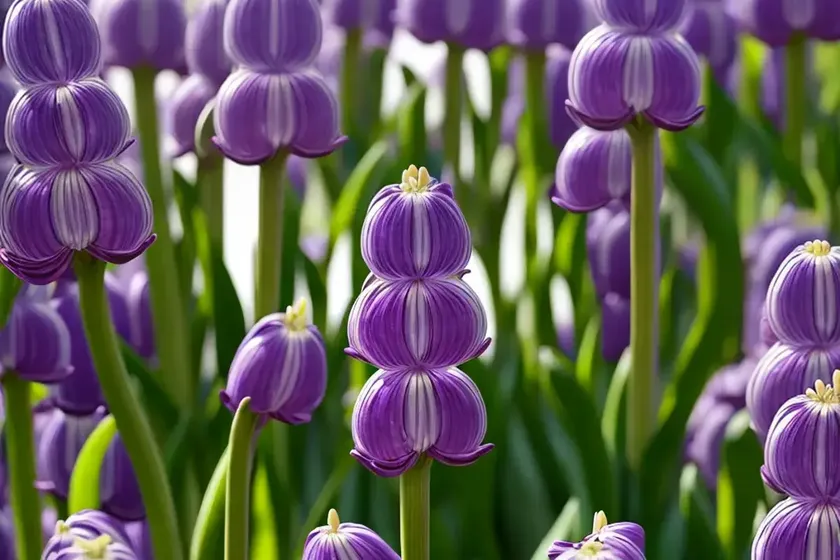
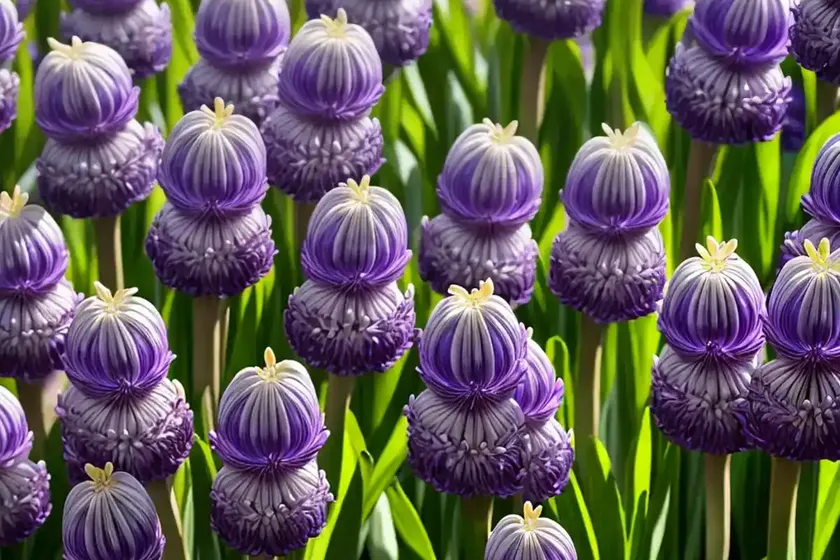
The Common Hyacinth (Hyacinthus orientalis) is a beautiful flowering plant that has been cherished for centuries. Its fragrant, vibrant blooms and easy cultivation make it a popular choice for both indoor and outdoor gardens. In this comprehensive guide, we will delve into the various aspects of the Common Hyacinth, including its culture, uses, care requirements, propagation techniques, common diseases, and more. So, whether you’re a seasoned gardener or a novice plant enthusiast, read on to discover the fascinating world of the Common Hyacinth.
What is the Common Hyacinth (Hyacinthus orientalis)?
The Common Hyacinth, scientifically known as Hyacinthus orientalis, is a perennial bulbous plant belonging to the family Asparagaceae. It is native to the eastern Mediterranean region, including countries such as Turkey, Syria, and Lebanon. This popular ornamental plant is widely cultivated for its showy, fragrant flowers, which are often used in floral arrangements and perfumery.
Key Takeaways – Common Hyacinth (Hyacinthus orientalis)
Before we delve into the specific aspects of the Common Hyacinth, let’s take a look at some key takeaways about this delightful plant:
- Scientific Name: Hyacinthus orientalis
- Family: Asparagaceae
- Common Names: Common Hyacinth, Garden Hyacinth
- Native Range: Eastern Mediterranean region
- Uses: Ornamental, cut flowers, perfumery
- Growth Habit: Perennial bulbous plant
- Fragrance: Highly fragrant blooms
Now that we have an overview of the Common Hyacinth, let’s explore its various aspects in detail.
Culture
Cultivating the Common Hyacinth is a rewarding experience, and understanding its cultural requirements is crucial for ensuring healthy growth and vibrant blooms. Let’s explore the cultural aspects of this charming plant.
Uses
The Common Hyacinth has a variety of uses, making it a versatile and valuable addition to any garden or floral arrangement. Some of its primary uses include:
- Ornamental Plant: Common Hyacinths are grown for their stunning, fragrant flowers, which add beauty and color to gardens and indoor spaces.
- Cut Flowers: The blooms of the Common Hyacinth are popular choices for cut flower arrangements, thanks to their striking appearance and sweet fragrance.
- Perfumery: The essential oil extracted from Common Hyacinth flowers is used in perfumery, adding a delightful floral note to fragrances.
Water
Proper watering is essential for the health and vitality of Common Hyacinths. Here are some key points to consider when watering these plants:
- Moisture Needs: Common Hyacinths prefer consistently moist soil, especially during active growth and blooming periods.
- Avoid Waterlogging: While they require ample moisture, it’s important to prevent waterlogging, which can lead to root rot and other issues.
- Spring Watering: During the spring, when the plants are actively growing and blooming, regular watering is crucial to support healthy flower development.
Sunlight
Providing the right amount of sunlight is crucial for the growth and flowering of Common Hyacinths. Consider the following points when determining their sunlight requirements:
- Full Sun: Common Hyacinths thrive in full sun to partial shade. They generally require at least 6 hours of direct sunlight per day for optimal growth and flowering.
- Indoor Lighting: When grown indoors, ensure that Common Hyacinths receive ample natural light or provide supplemental grow lights to mimic sunlight.
Fertilizer
Fertilizing Common Hyacinths can help support their growth and encourage robust blooms. Here are some tips for fertilizing these plants:
- Spring Feeding: In early spring, as the plants begin to emerge from dormancy, apply a balanced, water-soluble fertilizer to provide essential nutrients for healthy growth and flowering.
- Avoid Overfertilizing: While regular feeding is beneficial, avoid overfertilizing, as excessive nutrients can lead to excessive foliage growth at the expense of the flowers.
Soil
The right soil conditions are vital for the health and vigor of Common Hyacinths. Consider the following soil-related factors when cultivating these plants:
- Well-Drained Soil: Common Hyacinths thrive in well-drained, fertile soil that allows excess moisture to escape, preventing waterlogging.
- Soil pH: They prefer slightly acidic to neutral soil with a pH range of 6.0 to 7.0. Amending the soil with organic matter can help improve its structure and fertility.
- Container Cultivation: When growing Common Hyacinths in containers, use a well-draining potting mix tailored for bulbs or general flowering plants.
Pruning
Pruning plays a crucial role in maintaining the health and appearance of Common Hyacinth plants. Here are some essential points to consider when pruning these charming flowering bulbs:
- Deadheading: Removing spent flowers promotes continuous blooming and prevents the plants from expending energy on seed production.
- Foliage Removal: After the flowers have faded, allow the foliage to wither and yellow naturally to allow the bulbs to replenish their energy reserves for the next growing season.
Propagation
The propagation of Common Hyacinths can be carried out through several methods, allowing gardeners to expand their collection or share these beautiful plants with others. Here are some common techniques for propagating Common Hyacinths:
- Offsets: Common Hyacinths produce offsets, also known as bulblets, which can be carefully separated and planted to grow into new plants.
- Seed Propagation: While it is possible to grow Common Hyacinths from seeds, this method is less common due to the time it takes for seed-grown plants to reach blooming size.
Container Popularity
Common Hyacinths are well-suited for container cultivation, making them versatile options for both indoor and outdoor settings. Their compact size and vibrant blooms make them popular choices for container gardening. Here are a few reasons why Common Hyacinths are favored for container cultivation:
- Space Efficiency: Common Hyacinths can thrive in relatively small containers, making them suitable for balcony gardens, patios, and other compact outdoor spaces.
- Indoor Elegance: When grown in decorative containers, Common Hyacinths add a touch of elegance and fragrance to indoor spaces, such as living rooms, kitchens, and offices.
- Seasonal Displays: Planting Common Hyacinths in containers allows for easy rearrangement, making it possible to create stunning seasonal displays and floral arrangements.
Common Diseases
While Common Hyacinths are generally robust plants, they can be susceptible to certain diseases under unfavorable conditions. Understanding and identifying these diseases is essential for implementing timely interventions to protect the plants. Let’s explore some common diseases that may affect Common Hyacinths:
Disease Diagnosis
- Botrytis Blight: This fungal disease, also known as gray mold, can cause browning and decay of flowers, foliage, and bulbs, particularly in humid conditions.
- Basal Rot: Caused by various soilborne fungi, basal rot can lead to the rotting of bulb scales and the base of the plant, resulting in wilting and decline.
- Viral Diseases: Common Hyacinths may be susceptible to certain viral infections, which can cause distorted growth, mottling of leaves, and overall decline in plant vigor.
Common Pests
In addition to diseases, Common Hyacinths may also attract certain pests that can impact their growth and blooming. Here are some common pests that gardeners should be alert to:
- Aphids: These tiny insects may cluster on the tender shoots and flower buds, sucking sap and causing distortion and stunted growth.
- Thrips: Thrips are slender, winged insects that may feed on Common Hyacinth flowers, causing damage and affecting their overall appearance.
- Narcissus Bulb Fly: The larvae of this fly species can infest Common Hyacinth bulbs, causing damage and reducing the plants’ vigor.
Botanist’s Tips
As a plant scientist with a passion for Common Hyacinths, I have gathered some valuable tips for cultivating and enjoying these delightful plants to the fullest. Whether you’re a novice gardener or an experienced horticulturist, these tips can help you make the most of your Common Hyacinth cultivation:
- Plant in Well-Drained Soil: Ensuring proper drainage is crucial for preventing bulb rot and other soil-related issues. Amending the soil with perlite or sand can improve drainage.
- Supporting Flower Stems: Common Hyacinth flower spikes may benefit from gentle support to prevent bending or toppling, especially in exposed or windy locations.
- Scented Companions: Consider planting fragrant companions, such as early-flowering roses or other scented bulbs, to create captivating fragrance combinations in the garden.
- Bulbs Aftercare: After the blooming period, allow the foliage to wither and die back naturally to allow the bulbs to store energy for the following year’s growth.
Fun Facts
To further enhance your appreciation for the Common Hyacinth, here are some fascinating and fun facts about this beloved plant:
- The name “Hyacinth” is derived from Greek mythology, where a youth named Hyacinthus was accidentally killed by the god Apollo. From his blood, a flower sprang, and it was named the Hyacinth, immortalizing the youth’s beauty.
- The fragrance of Common Hyacinth blooms is not only delightful to humans but is also known to attract bees and other pollinators, contributing to their ecological significance.
- In the language of flowers, Common Hyacinths are associated with sincerity, forgiveness, and the arrival of spring, making them popular choices for expressing heartfelt sentiments through floral arrangements.
Links to External Resources
To further expand your knowledge and appreciation for the Common Hyacinth, I recommend exploring the following external resources:
- Royal Horticultural Society – Growing Hyacinths
- University of Minnesota Extension – Hyacinth, Tulip, and Daffodil
- Missouri Botanical Garden – Hyacinthus orientalis
In conclusion, the Common Hyacinth, with its enchanting blooms and captivating fragrance, is a delightful addition to gardens, indoor spaces, and floral arrangements. By understanding its cultural requirements, propagation methods, and how to address common diseases and pests, you can cultivate healthy and vibrant Common Hyacinth plants that will bring joy and beauty to your surroundings. Embrace the charm of these beloved flowering bulbs and enjoy the sensory delights they offer throughout the seasons.
Remember, the journey of cultivating Common Hyacinths is as rewarding as the blooms themselves, and whether you’re an aspiring botanist or an avid gardener, the allure of this plant is sure to captivate your heart and imagination. Happy gardening!
References: