Hyacinthus Orientalis ‘Blue Star’ (Dutch Hyacinth)
The Hyacinthus orientalis ‘Blue Star’, commonly known as Dutch Hyacinth, is a stunning spring-blooming bulb that belongs to the Asparagaceae family. This.
The Hyacinthus orientalis ‘Blue Star’, commonly known as Dutch Hyacinth, is a stunning spring-blooming bulb that belongs to the Asparagaceae family. This captivating plant is highly valued for its fragrant flowers and is a popular choice for gardens, landscapes, and indoor displays. In this comprehensive guide, we will delve into the various aspects of this enchanting plant, including its culture, uses, care requirements, and more. Whether you’re a seasoned gardener or a beginner enthusiast, understanding the nuances of cultivating Hyacinthus orientalis ‘Blue Star’ will enable you to enjoy its beauty to the fullest.
Key Takeaways
Before we embark on the journey of exploring the intricacies of Dutch Hyacinth care, let’s dive into the key takeaways that will guide us throughout this comprehensive guide:
- Plant Name: Hyacinthus orientalis ‘Blue Star’ (Dutch Hyacinth)
- Culture: Discover the optimal growing conditions for Dutch Hyacinths.
- Uses: Explore the versatile applications of Hyacinthus orientalis ‘Blue Star’.
- Water: Learn about the watering needs of Dutch Hyacinths for optimal growth.
- Sunlight: Understand the sunlight requirements for cultivating healthy Hyacinthus orientalis ‘Blue Star’.
- Fertilizer: Uncover the best practices for fertilizing Dutch Hyacinths.
- Soil: Delve into the ideal soil conditions for nurturing robust Hyacinthus orientalis ‘Blue Star’.
- Pruning: Master the art of pruning to maintain the vigor of Dutch Hyacinths.
- Propagation: Explore the various propagation methods for expanding your Hyacinthus orientalis ‘Blue Star’ collection.
- Container: Learn about growing Dutch Hyacinths in containers and suitable container options.
- Popularity: Understand why Hyacinthus orientalis ‘Blue Star’ is beloved by gardeners and plant enthusiasts.
- Common Diseases: Identify and address potential diseases that may affect Dutch Hyacinths.
- Common Pests: Recognize common pests that can compromise the health of Hyacinthus orientalis ‘Blue Star’.
- Botanist’s Tips: Benefit from expert insights and tips for successfully cultivating Dutch Hyacinths.
- Fun Facts: Uncover intriguing and delightful facts about the Hyacinthus orientalis ‘Blue Star’.
- Links to External Resources: Gain access to additional valuable information and resources for a comprehensive understanding of Dutch Hyacinths.
Now that we’ve outlined the key components of our exploration, let’s begin by understanding the fundamental nature of the Hyacinthus orientalis ‘Blue Star’.
What is Hyacinthus orientalis ‘Blue Star’?
The Hyacinthus orientalis ‘Blue Star’ is a splendid flowering bulb that originates from the eastern Mediterranean region. With its striking clusters of fragrant, star-shaped flowers, Dutch Hyacinth adds an element of charm and elegance to any garden or floral arrangement. The flowers of Hyacinthus orientalis ‘Blue Star’ are renowned for their enchanting fragrance, making them a favorite choice for perfuming indoor spaces and enlivening outdoor landscapes.
Plant Characteristics:
– Foliage: The foliage of Hyacinthus orientalis ‘Blue Star’ comprises long, narrow, glossy green leaves that provide an attractive backdrop to the vibrant flowers.
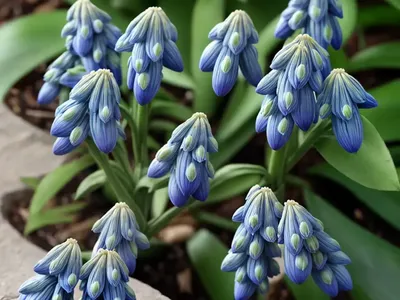
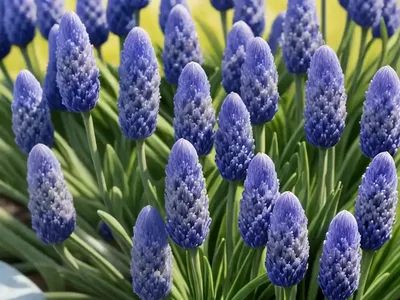
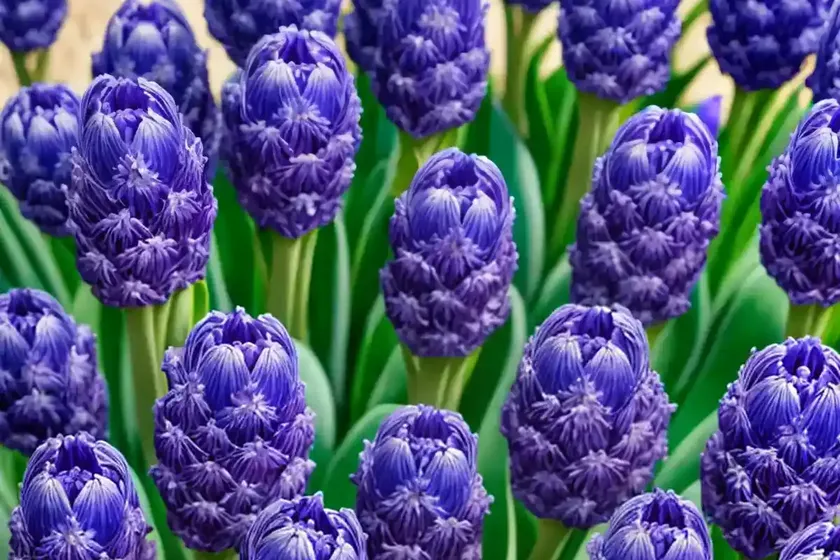
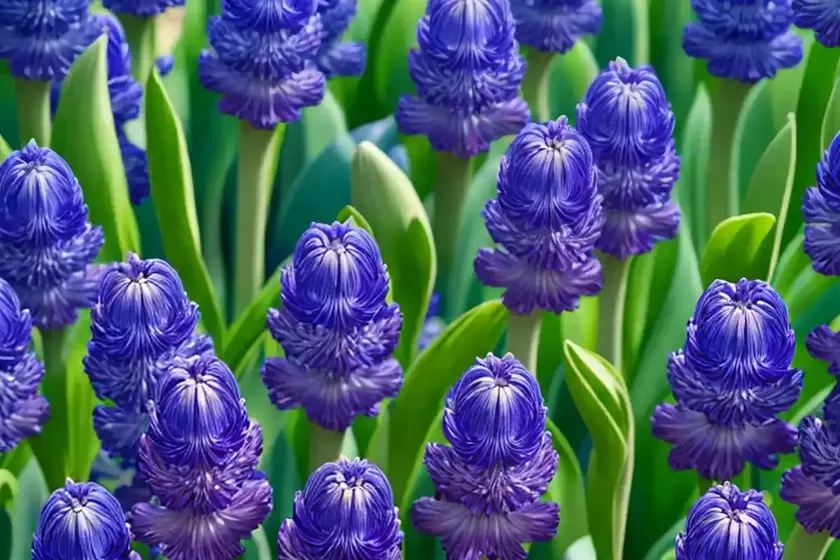
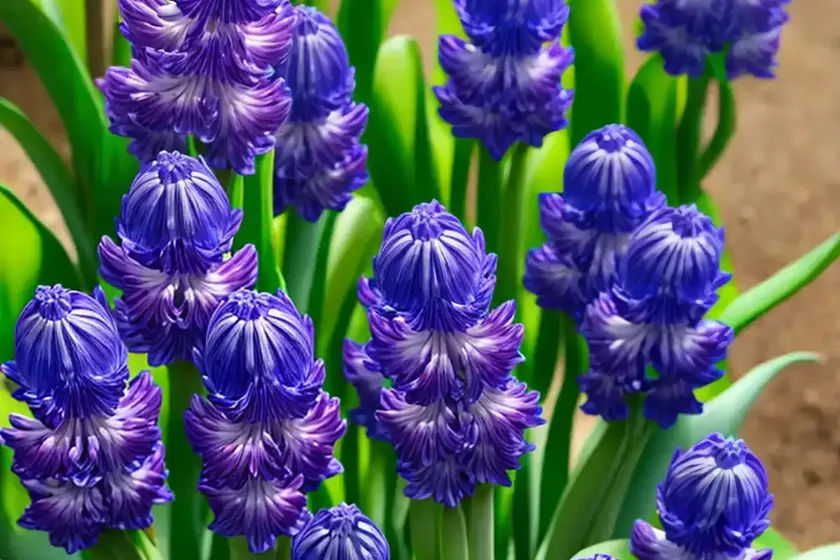
– Flowers: Dutch Hyacinth produces dense, conical spikes of bell-shaped, fragrant flowers in hues of blue with distinctive star-like patterns, hence the name ‘Blue Star’.
– Fragrance: One of the hallmark features of the Hyacinthus orientalis ‘Blue Star’ is its intoxicating fragrance, which adds an olfactory delight to any environment in which it blooms.
Culture
Understanding the optimal culture for Hyacinthus orientalis ‘Blue Star’ is essential for providing an environment conducive to its growth and development. Let’s explore the key cultural considerations for cultivating this remarkable plant.
Uses
The Hyacinthus orientalis ‘Blue Star’ holds versatile applications, serving both aesthetic and practical purposes in various settings. Some of its primary uses include:
- Garden Ornament: Dutch Hyacinth is prized for its ability to embellish outdoor landscapes with its vibrant colors and captivating fragrance, making it a popular choice for garden beds, borders, and containers.
- Indoor Decoration: The fragrant blooms of Hyacinthus orientalis ‘Blue Star’ make it a sought-after flower for indoor arrangements, adding beauty and a delightful scent to homes and events.
- Fragrance Production: The distillation of Hyacinth flowers is utilized in the production of perfumes and scented oils, showcasing its commercial significance beyond its ornamental value.
Water
Proper watering is crucial for the well-being of Hyacinthus orientalis ‘Blue Star’. By understanding its watering needs, you can ensure that this plant thrives and displays its full potential.
Watering Needs:
– Optimal Moisture: Dutch Hyacinth prefers consistently moist soil during its active growth phase, but it is essential to avoid waterlogging, which can lead to root rot.
– Watering Frequency: Depending on environmental conditions, Dutch Hyacinths generally require regular watering, especially during dry spells, to maintain soil moisture levels conducive to healthy growth and blooming.
Sunlight
As with many plants, sunlight plays a pivotal role in the growth and flowering of Hyacinthus orientalis ‘Blue Star’. Understanding its sunlight requirements is essential for optimizing its health and bloom production.
Sunlight Requirements:
– Full Sun: Dutch Hyacinth thrives in full sun, necessitating at least 6-8 hours of direct sunlight daily for robust growth and prolific flowering.
– Partial Shade: While Dutch Hyacinths prefer full sun, they can tolerate partial shade, particularly in regions with intense afternoon sun or during exceptionally hot periods.
Fertilizer
Applying appropriate fertilizer to Dutch Hyacinths is instrumental in sustaining their vigor and promoting abundant flowering. Let’s delve into the best practices for fertilizing Hyacinthus orientalis ‘Blue Star’.
Fertilizer Application:
– Balanced Fertilizer: Use a balanced, all-purpose fertilizer with equal N-P-K (Nitrogen, Phosphorus, Potassium) ratios, applying it before the growing season to support the development of healthy foliage and vibrant blooms.
– Frequency: Fertilize Hyacinthus orientalis ‘Blue Star’ once in early spring, following the recommended dosage indicated on the fertilizer packaging to avoid over-fertilization.
Soil
The soil in which Dutch Hyacinth is planted significantly influences its growth, blooming, and overall well-being. Understanding the optimal soil conditions is essential for fostering healthy and resilient plants.
Best Soil for Dutch Hyacinths:
– Well-Draining Soil: Dutch Hyacinth thrives in well-draining soil to prevent waterlogging, which can lead to root rot. Incorporate organic matter such as compost or well-rotted manure to improve soil structure and drainage.
– pH Level: Hyacinthus orientalis ‘Blue Star’ prefers slightly acidic to neutral soil with a pH range of 6.0-7.0, facilitating nutrient uptake and overall vitality.
Pruning
Pruning plays a crucial role in maintaining the health, appearance, and longevity of Dutch Hyacinths. By mastering the art of pruning, you can ensure that Hyacinthus orientalis ‘Blue Star’ remains robust and visually appealing.
Pruning Techniques:
– Spent Flower Removal: Promptly remove spent flowers to prevent the plant from expending energy on seed production, encouraging it to focus on storing nutrients for future growth and blooming.
– Foliage After Blooming: Refrain from cutting back the foliage after flowering, allowing it to photosynthesize and replenish the bulb for the next growing season. Once the foliage turns yellow and wilts, it can be gently removed.
Propagation
Expanding your collection of Hyacinthus orientalis ‘Blue Star’ can be a rewarding endeavor through the practice of propagation. Let’s explore the various propagation methods for Dutch Hyacinths.
Propagation Techniques:
– Offset Division: Dutch Hyacinth bulbs produce offsets, also known as bulblets, which can be carefully detached from the parent bulb during dormancy and replanted to establish new plants.
– Scaling: Utilize the scaling method by separating and planting bulb scales – small sections of the bulb that contain both a portion of the basal plate and a bud – to propagate identical clones of the parent plant.
Container
Cultivating Hyacinthus orientalis ‘Blue Star’ in containers presents an opportunity to adorn patios, balconies, and indoor spaces with its captivating beauty. Understanding the nuances of growing Dutch Hyacinths in containers is essential for ensuring their well-being and aesthetic appeal.
Container Gardening Tips:
– Container Selection: Choose well-draining containers with adequate drainage holes to prevent waterlogging, ensuring that excess moisture can escape freely.
– Potting Mix: Utilize a high-quality, well-aerated potting mix tailored for bulbs or general ornamental plants, enhancing the soil structure and supporting healthy root development.
– Watering: Maintain consistent moisture levels in the container, ensuring that the soil remains moist but not waterlogged. Regular monitoring and adjustment of watering frequency are essential, especially during warm weather or if the container is exposed to drying winds.
Popularity
Hyacinthus orientalis ‘Blue Star’ has earned significant popularity among gardening enthusiasts, landscapers, and florists due to its enticing attributes and multi-faceted appeal. Its widespread acclaim can be attributed to several factors:
- Fragrant Blooms: The alluring fragrance of Dutch Hyacinth flowers captivates the senses, making it a sought-after choice for those who appreciate aromatic plants.
- Vibrant Colors: The distinctive hues of Hyacinthus orientalis ‘Blue Star’, particularly its star-shaped blue flowers, contribute to its visual allure and desirability in floral displays and garden settings.
- Versatile Applications: From garden borders and beds to indoor vases and fragrant bouquets, Dutch Hyacinth’s versatility makes it a valuable addition to various horticultural and decorative contexts.
- Symbolic Significance: The symbolism associated with Hyacinthus orientalis ‘Blue Star’, including sentiments of sincerity, playfulness, and constancy, adds an extra layer of allure and meaning to its presence in gardens and floral arrangements.
Common Diseases
Hyacinthus orientalis ‘Blue Star’ is susceptible to certain diseases that can compromise its health and vitality if not promptly addressed. By familiarizing yourself with these common diseases, you can take proactive measures to prevent and manage them effectively.
Disease Diagnosis
Identifying potential diseases affecting Dutch Hyacinths and understanding their symptoms are crucial for implementing targeted treatment and preventive measures.
Common Diseases:
1. Botrytis Blight (Gray Mold): Recognized by the appearance of grayish mold on foliage and flowers, botrytis blight can occur during periods of high humidity and dampness.
2. Basal Rot: Basal rot manifests as soft, decaying areas near the base of the plant and can lead to the collapse of the entire bulb if left unchecked.
3. Fungal Leaf Spots: Characterized by the presence of dark, water-soaked spots on the leaves, fungal leaf spots can gradually spread and weaken the plant if not managed promptly.
4. Viral Diseases: Dutch Hyacinths are susceptible to certain viral infections, which can manifest as distorted or discolored foliage, stunted growth, and overall decline in plant vigor.
Disease Management
Implementing effective disease management strategies is instrumental in safeguarding the health and vitality of Hyacinthus orientalis ‘Blue Star’.
Preventive Measures:
– Proper Air Circulation: Ensure adequate air circulation around Dutch Hyacinths by spacing them appropriately and avoiding overcrowding, reducing the risk of humidity-related diseases.
– Sanitation Practices: Regularly remove and dispose of any debris, spent foliage, or decaying plant material in the vicinity of Dutch Hyacinths to minimize disease vectors and sources of infection.
– Avoid Overhead Watering: Water the soil directly at the base of the plant to reduce foliage wetness, minimizing the risk of fungal diseases such as botrytis blight and leaf spots.
Common Pests
Despite its allure, Hyacinthus orientalis ‘Blue Star’ is also susceptible to infestations by common pests that can compromise its health and visual appeal. Understanding these pests and their management is crucial for preserving the vigor of Dutch Hyacinths.
Common Pests:
1. Bulb Mites: Bulb mites can infest Dutch Hyacinth bulbs, causing damage and weakening the plant over time. Signs of infestation include shriveled or distorted foliage and stunted growth.
2. Slugs and Snails: These voracious feeders can leave telltale signs of their presence, such as ragged leaf edges and slime trails, posing a threat to the foliage and overall health of Dutch Hyacinths.
3. Thrips: Thrips are tiny insects that can cause stippling or silvering of the foliage, affecting the aesthetic appeal of Hyacinthus orientalis ‘Blue Star’ and potentially compromising its vigor.
Pest Control
Implementing an integrated pest management approach is crucial for effectively addressing pest infestations and preserving the health and visual appeal of Dutch Hyacinth.
Integrated Pest Management Strategies:
– Cultural Practices: Encourage natural predators of pests by creating a hospitable environment for beneficial insects and organisms. Additionally, maintain good sanitation practices to minimize pest habitats and breeding grounds.
– Mechanical Control: Handpick and remove pests such as slugs and snails, particularly during the evening or early morning when they are most active, to reduce their population and potential damage.
– Organic Remedies: Explore organic pest control remedies such as neem oil or insecticidal soap, which can effectively target certain pests while minimizing adverse effects on beneficial insects and the environment.
Botanist’s Tips
Drawing from the expertise of botanists and horticultural specialists, we can glean valuable insights and tips to enhance our cultivation of Hyacinthus orientalis ‘Blue Star’. Let’s explore some expert recommendations for successfully growing and enjoying Dutch Hyacinths.
Expert Tips:
– Bulb Inspection: Prior to planting, carefully inspect the Hyacinthus orientalis ‘Blue Star’ bulbs to ensure they are firm, healthy, and free from signs of damage or disease.
– Planting Depth: Plant Dutch Hyacinth bulbs at a depth approximately twice the bulb’s height, ensuring that they are adequately anchored in the soil while allowing for robust root development.
– Mulching: Apply a layer of organic mulch around Dutch Hyacinths to conserve soil moisture, suppress weed growth, and insulate the bulbs during temperature fluctuations.
Fun Facts
Engaging with the intriguing and delightful aspects of Hyacinthus orientalis ‘Blue Star’ adds an extra layer of appreciation for this captivating plant. Let’s uncover some fun facts that showcase the charm and allure of Dutch Hyacinth.
Fascinating Tidbits:
– Symbolism: Dutch Hyacinth is associated with a myriad of symbolic meanings, including sincerity, playfulness, and constancy, making it a popular choice for conveying heartfelt sentiments through floral arrangements.
– Mythological Origins: In Greek mythology, the Hyacinth flower is associated with the legend of Hyacinthus, a youth loved by the god Apollo. The flower is said to have sprouted from his blood after he was tragically killed, signifying beauty and sorrow.
Links to External Resources
For a comprehensive understanding of Hyacinthus orientalis ‘Blue Star’ and its cultivation, the following external resources provide valuable insights, practical guidance, and visual inspiration:
- Royal Horticultural Society – Growing Hyacinths
- The Spruce – Hyacinth Plant Profile
- University of Florida IFAS Extension – Hyacinth Production Guide
- American Society for the Prevention of Cruelty to Plants – Hyacinthus orientalis ‘Blue Star’ Care Guide
In conclusion, the Hyacinthus orientalis ‘Blue Star’ (Dutch Hyacinth) captivates with its charming blooms, intoxicating fragrance, and multi-faceted allure. By embracing the comprehensive insights provided in this guide, you can embark on a rewarding journey of cultivating, enjoying, and appreciating the captivating beauty of Dutch Hyacinth in your own horticultural endeavors. Whether adorning outdoor landscapes, gracing indoor settings with fragrant blooms, or exploring its symbolic significance, Hyacinthus orientalis ‘Blue Star’ enriches the horticultural tapestry with its timeless appeal and alluring presence.