Gladiolus Carneus (Painted Lady)
Gladiolus carneus, commonly known as the Painted Lady, is a stunning flowering plant that belongs to the family Iridaceae. This plant is renowned for its.
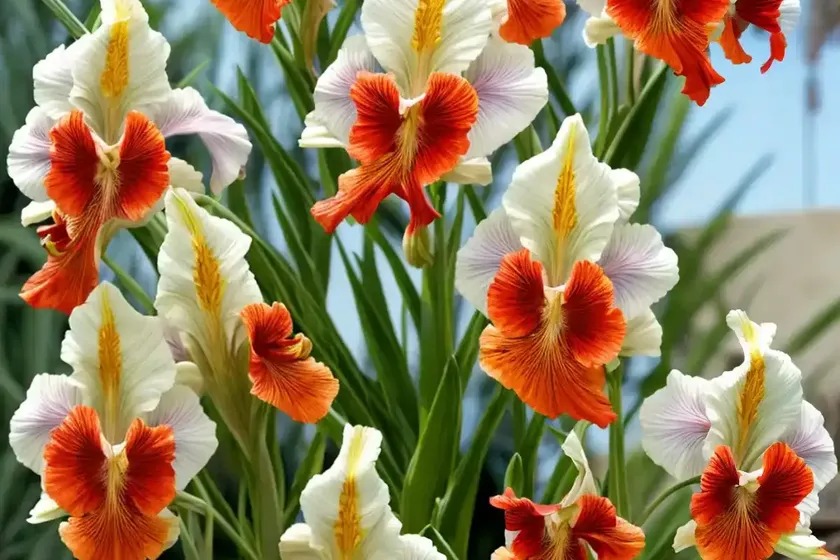
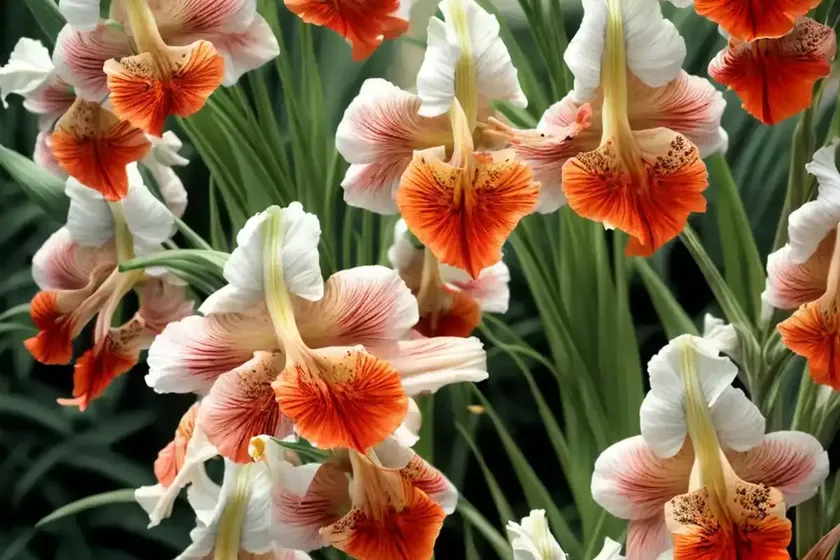
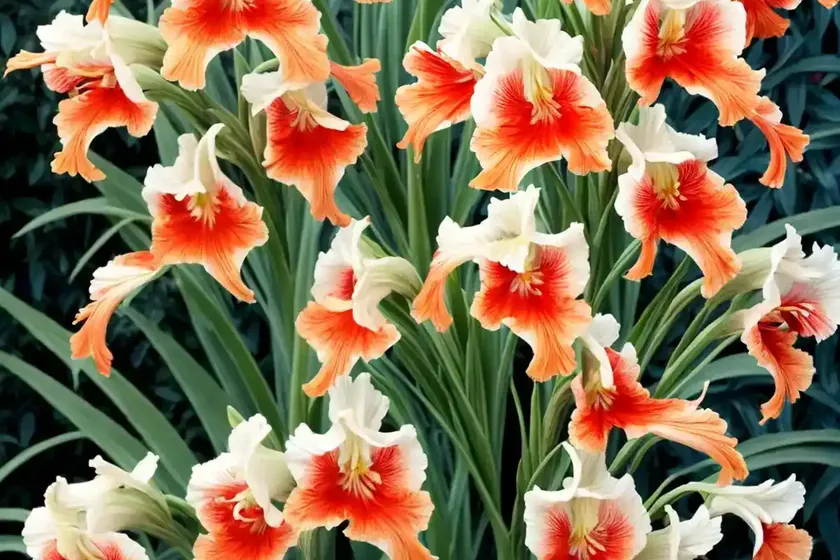
Gladiolus carneus, commonly known as the Painted Lady, is a stunning flowering plant that belongs to the family Iridaceae. This plant is renowned for its captivating flowers and its potential to enhance the beauty of any landscape or garden. In this comprehensive guide, we will explore the various aspects of the Gladiolus carneus (Painted Lady), including its cultural requirements, uses, care routines, and much more. Whether you are a seasoned gardener or a novice enthusiast, this guide will provide you with all the essential information needed to cultivate and admire the beauty of Gladiolus carneus.
What is Gladiolus Carneus (Painted Lady)?
The Gladiolus carneus, or Painted Lady, is a graceful perennial plant that is indigenous to South Africa. It is characterized by its sword-shaped leaves and stunning trumpet-shaped flowers that bloom in an array of captivating colors. The striped and speckled petals of the Painted Lady add an exquisite charm to any garden, attracting an array of pollinators and admirers alike. This dainty plant is relatively compact, reaching a height of about 18-24 inches, making it an excellent choice for borders, containers, or mixed flowerbeds.
Key Takeaways – Gladiolus Carneus (Painted Lady)
Before delving into the specific aspects of nurturing Gladiolus carneus, let’s take a moment to highlight the key takeaways that will be covered in this guide:
- Gladiolus Carneus Colors: The Painted Lady exhibits a variety of colors and patterns, making it an aesthetically pleasing addition to any landscape.
- Gladiolus Carneus Flowers: The trumpet-shaped flowers of Gladiolus carneus are the centerpiece of its allure.
- Gladiolus Carneus Care: Understanding the specific cultural requirements for the successful growth of Gladiolus carneus.
- Gladiolus Carneus Planting: Insights into the best practices for planting Gladiolus carneus to optimize its blooming potential.
- Gladiolus Carneus Maintenance: Essential maintenance routines to keep the Painted Lady thriving.
- Gladiolus Carneus Blooming: Understanding the blooming cycle of Gladiolus carneus and how to maximize its flowering.
- Gladiolus Carneus Bulbs: Insights into the bulbs of Gladiolus carneus and their significance in its cultivation.
- Gladiolus Carneus Propagation: Tips and techniques for propagating Gladiolus carneus.
- Gladiolus Carneus Varieties: A glimpse into the diverse varieties of Gladiolus carneus.
- Gladiolus Carneus Gardening: The role of Gladiolus carneus in gardening and how to integrate it effectively.
- Gladiolus Carneus Cultivation: Insights into the cultivation practices of Gladiolus carneus.
- Gladiolus Carneus Characteristics: Understanding the defining characteristics of Gladiolus carneus.
- Gladiolus Carneus Growth: The growth patterns and requirements of Gladiolus carneus.
- Gladiolus Carneus Landscape: How Gladiolus carneus contributes to landscape aesthetics.
- Gladiolus Carneus Habitat: Insights into the natural habitat of Gladiolus carneus and its adaptability.
- Gladiolus Carneus Origin: Tracing the origins of Gladiolus carneus and its journey to cultivation.
- Gladiolus Carneus Hybrid: The concept of hybridization and its relevance to Gladiolus carneus.
- Gladiolus Carneus Species: Understanding the broader classification and species-related details of Gladiolus carneus.
- Gladiolus Carneus Garden: The role of Gladiolus carneus in garden settings.
- Gladiolus Carneus Planting Guide: A comprehensive guide for planting Gladiolus carneus for optimal results.
- Gladiolus Carneus Flowering Season: Insights into the specific seasonality factors associated with the flowering of Gladiolus carneus.
- Gladiolus Carneus Soil Requirements: Understanding the specific soil requirements for Gladiolus carneus cultivation.
- Gladiolus Carneus Sun Exposure: The optimal degree of sunlight exposure for Gladiolus carneus.
- Gladiolus Carneus Watering: Best practices for watering Gladiolus carneus.
- Gladiolus Carneus Fertilization: The role of fertilizers in nurturing Gladiolus carneus.
- Gladiolus Carneus Pests: Common pests that may affect Gladiolus carneus and how to mitigate their impact.
- Gladiolus Carneus Diseases: Identification and management of diseases that may affect Gladiolus carneus.
- Gladiolus Carneus Winter Care: Essential care routines for Gladiolus carneus during the winter season.
- Gladiolus Carneus Cut Flowers: The potential of Gladiolus carneus as a source of cut flowers for decorative purposes.
- Gladiolus Carneus Floral Arrangements: Creative ways to incorporate Gladiolus carneus in floral arrangements.
- Gladiolus Carneus Fragrance: The fragrance aspect of Gladiolus carneus and its significance.
- Gladiolus Carneus Symbolic Meaning: The symbolic connotations associated with Gladiolus carneus.
- Gladiolus Carneus Medicinal Properties: Any medicinal properties or historical uses associated with Gladiolus carneus.
- Gladiolus Carneus Landscape Design: Integrating Gladiolus carneus into landscape design for aesthetic appeal.
- Gladiolus Carneus Border Plant: Utilizing Gladiolus carneus as a border plant for defining garden spaces.
- Gladiolus Carneus Container Gardening: Cultivating Gladiolus carneus in containers for versatility and space optimization.
- Gladiolus Carneus Companion Plants: Identifying suitable companion plants to complement Gladiolus carneus.
- Gladiolus Carneus Pollinators: The role of Gladiolus carneus in attracting and supporting pollinators.
- Gladiolus Carneus Wildlife Habitat: Potential habitat benefits of Gladiolus carneus for diverse wildlife.
- Gladiolus Carneus Bee-Friendly: The appeal of Gladiolus carneus for bees and its contribution to bee-friendly gardens.
- Gladiolus Carneus Butterfly-Attracting: The potential of Gladiolus carneus to attract butterflies and enhance biodiversity.
- Gladiolus Carneus Hummingbird Garden: Cultivating Gladiolus carneus to create a welcoming environment for hummingbirds.
- Gladiolus Carneus Drought-Tolerant: The drought tolerance characteristics of Gladiolus carneus.
- Gladiolus Carneus Spring Planting: Optimal practices for planting Gladiolus carneus during the spring season.
- Gladiolus Carneus Summer Blooms: Embracing the summer blooming potential of Gladiolus carneus.
- Gladiolus Carneus Fall Care: Essential care routines for Gladiolus carneus during the fall season.
- Gladiolus Carneus Winter Storage: Preparing Gladiolus carneus for winter storage and care.
- Gladiolus Carneus Indoor Growing: Tips for cultivating Gladiolus carneus in indoor settings.
- Gladiolus Carneus Outdoor Cultivation: The adaptability of Gladiolus carneus to outdoor environments.
- Gladiolus Carneus Landscaping Ideas: Creative landscaping ideas involving Gladiolus carneus.
With these key takeaways in mind, let’s explore the captivating world of Gladiolus carneus and unravel its beauty, significance, and practical cultivation guidance.
Culture
Uses
The Gladiolus carneus, or Painted Lady, holds significant appeal for diverse uses, ranging from ornamental and decorative purposes to its potential ecological contributions:
- Ornamental Purposes: The striking beauty of Gladiolus carneus, with its vibrant and intricately patterned flowers, makes it a popular choice for ornamental garden displays, floral arrangements, and cut flower production.
- Ecological Significance: In addition to its visual appeal, Gladiolus carneus plays a role in supporting pollinators, such as bees, butterflies, and hummingbirds, contributing to the overall biodiversity of the landscape.
Water
Water is an essential element in the successful cultivation of Gladiolus carneus. Although this plant requires consistent moisture, it is vital to avoid waterlogged conditions that can lead to root rot. Here are some key considerations regarding watering:
- Regular Watering: Especially during the growing and flowering periods, ensure that the soil around Gladiolus carneus remains consistently moist, without being waterlogged.
- Drainage: Good soil drainage is crucial to prevent water accumulation around the roots, which can lead to various issues, including root rot.
- Drought Resistance: While Gladiolus carneus appreciates sufficient moisture, it also exhibits a degree of drought tolerance once established, making it suitable for environments with intermittent water availability.
Sunlight
Optimal sunlight exposure is vital for the growth and blooming potential of Gladiolus carneus. Consider the following factors when determining its sunlight requirements:
- Full Sun: Gladiolus carneus thrives in full sun conditions, necessitating at least 6-8 hours of direct sunlight daily for the best growth and flowering outcomes.
- Shelter from Strong Winds: While it benefits from abundant sunlight, providing some protection from strong winds can prevent physical damage to the delicate flowers and foliage.
Fertilizer
Supplemental fertilization can be beneficial for ensuring the vigorous growth and abundant flowering of Gladiolus carneus. Here are some considerations when applying fertilizers:
- Balanced Fertilizer: Utilize a balanced, water-soluble fertilizer with an NPK ratio of 10-10-10 or a similar formulation to provide essential nutrients for robust growth and flowering.
- Application Timing: Begin fertilizing Gladiolus carneus once the sprouts emerge, and continue at regular intervals throughout the growing season to support its nutritional requirements.
- Avoid Overfertilization: While fertilization is essential, overapplication of fertilizers can lead to excessive foliage growth at the expense of blooming, so adhere to the recommended application rates.
Soil
The soil composition plays a vital role in the overall health and performance of Gladiolus carneus. By focusing on the following aspects, you can create a favorable soil environment for this captivating plant:
- Well-Draining Soil: Gladiolus carneus thrives in well-draining soil to prevent waterlogging and potential root problems. Sandy or loamy soils are generally suitable options.
- pH Range: Aim for a slightly acidic to neutral pH range of 6.0-7.0 for the soil in which Gladiolus carneus is cultivated to support optimal nutrient uptake.
- Organic Matter: Incorporating organic matter, such as compost or well-rotted manure, into the soil can enhance its structure and fertility, promoting healthy growth.
Pruning
Pruning is an essential aspect of Gladiolus carneus care, contributing to the maintenance of its aesthetic appeal and overall vigor. Consider the following guidelines when pruning this beautiful plant:
- Faded Blooms: Promptly remove faded or spent flowers to encourage continuous blooming and prevent the plant from expending energy on seed production.
- Foliage Trimming: After the flowering season, once the foliage starts to wither and yellow, trim it back to ground level, allowing the bulbs to conserve energy for the following growing season.
- Sanitization: Use clean, sharp pruning tools to prevent the spread of diseases or damage to the plant tissues.
Propagation
Propagating Gladiolus carneus can be a rewarding process, allowing for the expansion of its presence in the garden or landscape. Consider the following methods for successful propagation:
- Division: Dividing established clumps of Gladiolus carneus bulbs during the dormant season is an effective means of propagation, yielding new plants with similar genetic traits.
- Cormlets: Gladiolus carneus produces cormlets, small corms that form around the base of the parent corm. These cormlets can be carefully detached and cultivated to yield new plants.
- Seed Propagation: While the traditional methods involve propagating through corm division, Gladiolus carneus can also be grown from seeds, although this method requires patience and may yield variations in traits.
Container Popularity
Gladiolus carneus’s compact size, exquisite flowers, and adaptability make it a popular choice for container gardening. Its suitability for containers is due to the following reasons:
- Limited Space Requirements: The modest stature of Gladiolus carneus makes it ideal for container gardening, allowing individuals with limited garden space to enjoy its beauty.
- Aesthetic Versatility: Incorporating Gladiolus carneus in containers provides the flexibility to rearrange and showcase the plant in various locations, enhancing visual appeal.
Common Diseases
Despite its resilience, Gladiolus carneus can be susceptible to certain diseases that can impact its growth and overall health. Familiarize yourself with the following common diseases and their management:
- Botrytis Blight: This fungal disease can affect the foliage and flowers of Gladiolus carneus, causing brown spots, mold growth, and overall decline. Improve air circulation and apply fungicidal treatments to manage this issue.
- Fusarium Corm Rot: Fusarium fungi can lead to corm rot in Gladiolus carneus, resulting in soft, discolored corms. Proper soil drainage and avoidance of waterlogged conditions are essential for prevention.
Disease Diagnosis
When diagnosing diseases in Gladiolus carneus, it is crucial to closely examine the symptoms and employ appropriate measures for accurate management:
- Symptom Observation: Pay attention to any discoloration, spots, wilting, or unusual growth patterns on the foliage, stems, or flowers of Gladiolus carneus as potential indicators of disease presence.
- Prompt Intervention: Upon identifying potential disease symptoms, take swift action to isolate affected plants, remove and dispose of diseased plant parts, and apply targeted treatments to prevent further spread.
Common Pests
Several common pests may pose a threat to the health and vitality of Gladiolus carneus. Understanding these potential pests and their management strategies is essential for safeguarding the plant:
- Thrips: These tiny insects can cause damage to Gladiolus carneus by feeding on its foliage and flowers, resulting in distorted growth and blemished appearance. Utilize insecticidal treatments to control thrips populations.
- Aphids: Aphids may infest Gladiolus carneus, leading to the distortion of foliage and the potential transmission of viral diseases. Employ natural predators or insecticidal solutions to manage aphid infestations.
Botanist’s Tips
As a plant scientist with a profound appreciation for Gladiolus carneus, I would like to share some valuable tips to enhance the experience of cultivating and enjoying this captivating plant:
- Mulching: Applying a layer of organic mulch around the base of Gladiolus carneus can aid in moisture retention, weed suppression, and temperature regulation, contributing to its overall health.
- Staking Support: Given the potential for tall flower spikes, providing staking support for Gladiolus carneus can prevent bending or breakage, ensuring the elegant display of its flowers.
- Bulb Storage: During the dormant season, store Gladiolus carneus bulbs in a cool, dry location to protect them from moisture and extreme temperature fluctuations, promoting their viability for the following growing season.
Fun Facts
Embracing the fascinating world of Gladiolus carneus (Painted Lady) goes beyond its practical cultivation aspects, as it encompasses a spectrum of intriguing and captivating features:
- Symbolic Significance: In the language of flowers, Gladiolus carneus is often associated with traits such as sincerity, integrity, and strength, making it a symbolic choice for various occasions and arrangements.
- Hybridization Potential: The diverse hues and patterns of Gladiolus carneus flowers present ample opportunities for hybridization, leading to the development of novel varieties with unique attributes.
- Historical Significance: Gladiolus plants, including Gladiolus carneus, have historical significance, having been utilized symbolically and medicinally in various cultures across different epochs.
Links to External Resources
To further enrich your understanding of Gladiolus carneus and expand your knowledge base, here are some valuable external resources:
-
The American Iris Society: An organization dedicated to the study, propagation, and appreciation of irises, including valuable insights into Gladiolus species.
-
Royal Horticultural Society (RHS): The RHS offers extensive plant profiles, cultivation guidance, and resources for gardeners and enthusiasts, including information on Gladiolus carneus.
-
North American Gladiolus Council: A source of comprehensive information on Gladiolus species, cultivation tips, and industry updates.
-
The Spruce – Gardening Guides: A repository of gardening guides offering insights into plant care, landscape design, and practical tips, including mention of Gladiolus carneus.
By leveraging these resources, you can embark on a journey of discovery and enlightenment, connecting with fellow enthusiasts and experts to elevate your engagement with Gladiolus carneus.
In conclusion, the world of Gladiolus carneus (Painted Lady) offers a captivating tapestry of colors, cultural significance, and practical cultivation opportunities, inviting enthusiasts and horticulturalists into its enchanting embrace. Whether adorning garden beds, containers, or bouquets, the enchanting presence of Gladiolus carneus continues to inspire and captivate, enriching landscapes and hearts alike.
As you embark on your Gladiolus carneus journey, may the vibrancy, resilience, and delightful allure of this remarkable plant nurture your passion for botanical elegance, fostering a deep appreciation for the wonders of the natural world.


