Ananas Ananassoides (Ananas Ananassoides)
The world of plants is diverse and fascinating, with each species offering unique characteristics and beauty. Among these, the Ananas ananassoides.
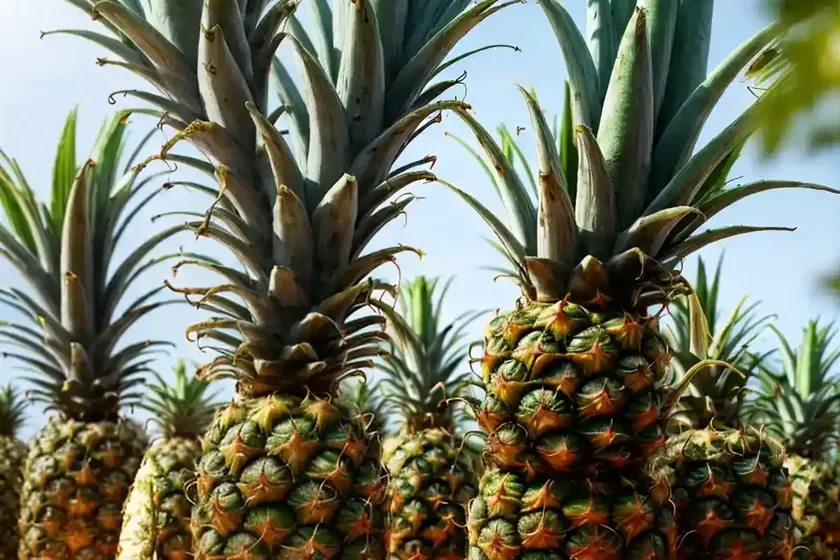
The world of plants is diverse and fascinating, with each species offering unique characteristics and beauty. Among these, the Ananas ananassoides, commonly known as the dwarf pineapple, stands out as an exotic, pineapple-like plant that captivates enthusiasts with its compact size and striking appearance. In this comprehensive guide, we will explore the cultivation, care, and uses of the Ananas ananassoides, providing valuable insights for both seasoned gardeners and beginners.
What is Ananas ananassoides?
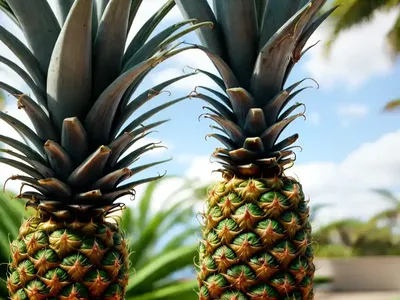
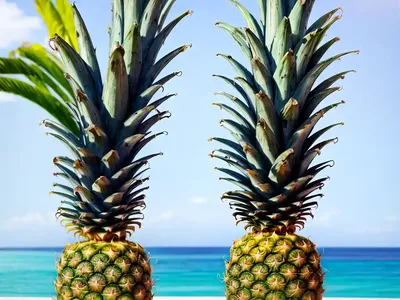
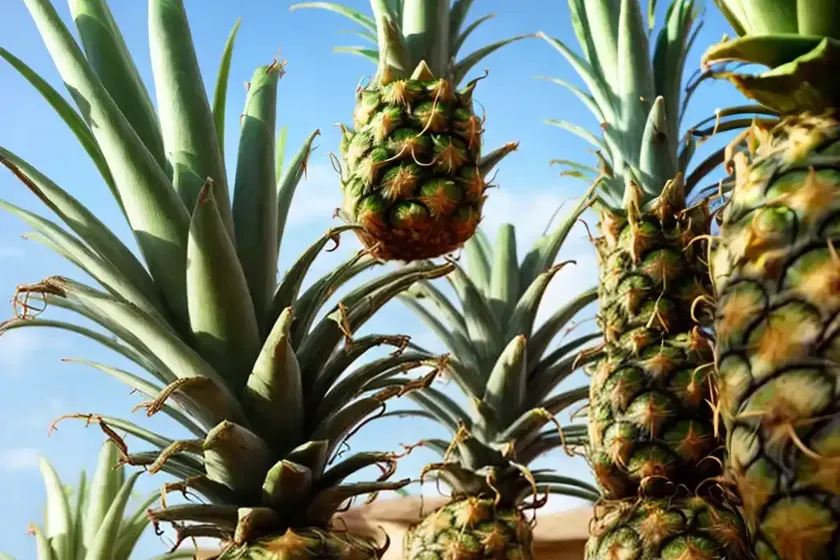
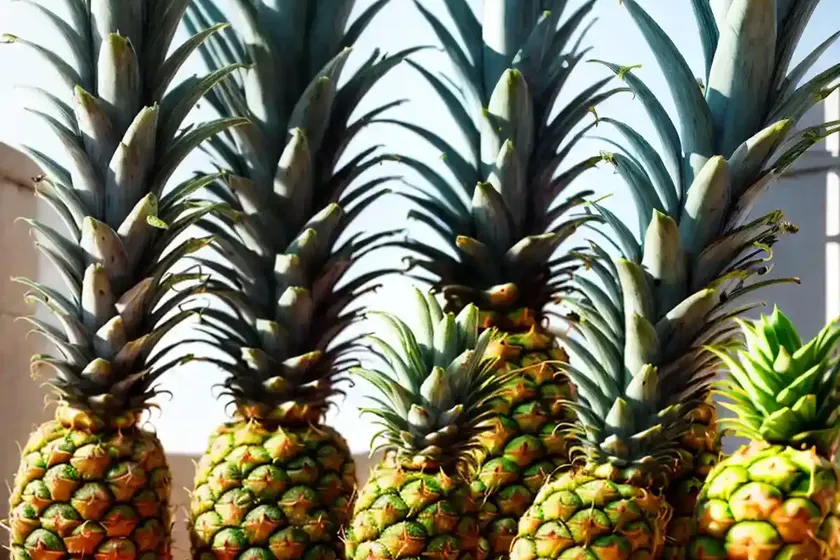
Ananas ananassoides, a member of the Bromeliaceae family, is a small, perennial plant native to Southern Brazil, Paraguay, and Argentina. This unique species is known for its resemblance to the traditional pineapple plant (Ananas comosus), albeit in a more compact form. The Ananas ananassoides is cherished for its symmetrical rosette of spiky, succulent leaves and occasional small, pineapple-like fruits that emerge from the center of the plant.
Key Takeaways – Ananas ananassoides
Before diving into the details of cultivating and caring for Ananas ananassoides, let’s take a look at some key takeaways associated with this fascinating plant:
- Ananas ananassoides is a tropical pineapple-like plant that captures attention with its unique appearance.
- Cultivating Ananas ananassoides requires attention to specific cultural requirements, including water, sunlight, fertilizer, and soil conditions.
- The plant’s compact size makes it suitable for both indoor and outdoor settings, adding a touch of exotic allure to gardens, landscapes, and interior spaces.
- Ananas ananassoides holds significance beyond its ornamental value, with uses in traditional medicine, folklore, and symbolism.
With these key points in mind, let’s delve into the detailed aspects of Ananas ananassoides, from its cultural needs to its propagation methods and common pests.
Culture
The successful cultivation of Ananas ananassoides hinges upon an understanding of its cultural requirements. From water to sunlight and soil preferences, each aspect plays a crucial role in nurturing this exotic plant.
Uses
Before exploring the cultivation aspects, it’s essential to understand the potential uses of Ananas ananassoides. This compact, visually striking plant serves several purposes, including:
- Ornamental plant for gardens, landscapes, and indoor spaces
- Medicinal applications in traditional medicine
- Symbolic significance in folklore and cultural traditions
- Source of natural remedies due to its beneficial properties
- Addition to tropical and exotic plant collections
Understanding these diverse uses highlights the versatility and appeal of Ananas ananassoides, making it a valuable addition to any plant enthusiast’s repertoire.
Water
Ananas ananassoides thrives in a humid environment, and it’s crucial to maintain adequate moisture levels to support its growth. When it comes to watering this plant, a few key considerations include:
- Regular, consistent watering to keep the soil evenly moist, especially during the growing season
- Avoiding waterlogging by ensuring proper drainage to prevent root rot
- Using rainwater or distilled water to prevent mineral build-up and potential harm to the plant
Sunlight
In its natural habitat, Ananas ananassoides receives ample sunlight, and replicating these conditions is essential for its well-being. Key points to note about sunlight requirements include:
- Providing indirect or filtered sunlight to prevent leaf burn, especially during the hottest part of the day
- Allowing the plant to experience brief periods of direct sunlight for optimal growth and development
- Ensuring appropriate shading for outdoor specimens to shield them from intense midday sun
Fertilizer
Proper nourishment is crucial for the healthy growth and development of Ananas ananassoides. When considering fertilizer application, keep in mind the following aspects:
- Using a balanced, water-soluble fertilizer formulated for bromeliads at half-strength to avoid overfeeding
- Applying fertilizer during the plant’s active growing period to support robust foliage and potential flowering
- Refraining from excessive fertilization, as this can lead to salt build-up and damage the plant
Soil
The choice of suitable soil is fundamental to promoting the vitality and longevity of Ananas ananassoides. Consider the following soil-related factors:
- Opting for a well-draining, porous potting mix designed for bromeliads, or formulating a custom mix with components such as peat, perlite, and pine bark
- Ensuring pH neutrality and good aeration within the soil to facilitate healthy root development
- Repotting the plant as needed to replenish the soil and provide ample space for growth
Pruning
Pruning is an essential aspect of Ananas ananassoides care, contributing to tidiness and the overall well-being of the plant. Effective pruning practices include:
- Removing spent or discolored leaves to maintain the plant’s aesthetic appeal and prevent the spread of disease
- Trimming back any overgrown or damaged foliage to encourage new growth and maintain the plant’s compact form
- Exercising caution and using clean, sharp tools to minimize stress and damage to the plant
Propagation
The propagation of Ananas ananassoides offers opportunities to expand your plant collection and share the beauty of this species with others. Several methods can be employed for successful propagation:
- Offsets: Ananas ananassoides produces offsets, or “pups,” around the base of the parent plant. These can be carefully removed and potted separately once they have developed an adequate root system.
- Seed sowing: While less common, propagation from seeds is possible. Collect mature seeds from the fruit, and sow them in a suitable growing medium to initiate new plants.
Container Popularity
The compact nature of Ananas ananassoides makes it an attractive option for container gardening, enabling enthusiasts to showcase this unique plant in a variety of settings. Consider the following points when choosing containers for Ananas ananassoides:
- Selecting containers with adequate drainage holes to prevent waterlogging and promote healthy root conditions
- Opting for containers that complement the overall aesthetic of the plant, such as rustic terracotta pots or modern ceramic planters
- Providing sufficient space for the plant to grow and thrive, while also considering its potential for limited growth in the container environment
Common Diseases
Though resilient, Ananas ananassoides can be susceptible to certain diseases if its cultural needs are not adequately met. Some common diseases to watch for include:
-
Root rot: Typically caused by overwatering or poorly drained soil, leading to the decay of the plant’s roots. Preventive measures include maintaining appropriate moisture levels and using well-draining soil.
-
Leaf spot: Fungal infections can cause unsightly spots or lesions on the plant’s leaves. To mitigate this risk, avoid overhead watering and promote good air circulation around the plant.
Disease Diagnosis
Detecting and addressing potential diseases early on is crucial for preserving the health of Ananas ananassoides. When observing the plant for signs of disease, be sure to pay attention to:
- Changes in leaf color or texture
- Development of spots or lesions on the foliage
- Any indication of wilting or decline in overall plant vigor
Prompt action and targeted treatments can often help the plant recover from diseases and restore its vitality.
Common Pests
Ananas ananassoides is relatively resistant to pests, but it can occasionally fall victim to unwanted visitors. Keep an eye out for the following potential pests:
-
Aphids: These small, sap-sucking insects can be controlled through insecticidal soap or horticultural oil, along with physical removal.
-
Mealybugs: Regular inspection and treatment with alcohol-soaked swabs can help manage mealybug infestations and protect the plant.
Botanist’s Tips
Drawing from the expertise of botanists and plant enthusiasts, here are some valuable tips for successfully cultivating and caring for Ananas ananassoides:
-
Embrace the plant’s unique characteristics, including its compact size and striking foliage, to enhance your garden or living space with a touch of tropical allure.
-
Prioritize proper drainage and watering practices to maintain the health of Ananas ananassoides and prevent issues such as root rot.
-
Consider the plant’s versatile uses beyond ornamental appeal, appreciating its role in traditional medicine, folklore, and cultural symbolism.
-
Explore creative container gardening ideas to showcase Ananas ananassoides in diverse settings, from balcony gardens to indoor plant displays.
Fun Facts
An exploration of Ananas ananassoides would be incomplete without some intriguing and delightful fun facts about this unique species:
- Ananas ananassoides is known for its compact size, making it an ideal choice for small gardens or indoor plant collections.
- The occasional pineapple-like fruit that emerges from the plant’s center adds an element of surprise and charm to its appearance.
- Ananas ananassoides has found significance in traditional medicine, where it is utilized for its beneficial properties in various remedies.
- The plant holds cultural and symbolic meaning in certain traditions, adding an extra layer of intrigue to its allure.
Links to External Resources
For more in-depth information on Ananas ananassoides, its cultivation, and associated topics, consider exploring the following resources:
- Royal Horticultural Society – Plant Selector
- Bromeliad Society International
- University of Florida IFAS Extension – Bromeliads
As you embark on your journey of growing and appreciating Ananas ananassoides, these resources can provide valuable insights and support your efforts in cultivating and caring for this captivating plant.
In conclusion, the Ananas ananassoides represents a fascinating and visually stunning addition to the realm of tropical plants, capturing attention with its pineapple-like charm and ornamental appeal. By understanding its cultural needs, exploring its diverse uses, and maintaining an attentive approach to care, plant enthusiasts can cultivate and cherish Ananas ananassoides to its fullest potential.
Whether adorning garden landscapes, breathing life into indoor spaces, or holding symbolic significance in traditional contexts, this unique species continues to enthrall and inspire plant enthusiasts around the world.
Remember to embrace the distinctive beauty and allure of Ananas ananassoides as you embark on your journey of nurturing and celebrating this captivating tropical plant.
The information presented in this article is for educational and entertainment purposes only. Plant care and cultivation should be conducted with attention to specific environmental conditions and individual plant needs. Always consult reliable sources and experts for personalized guidance on plant care and health.