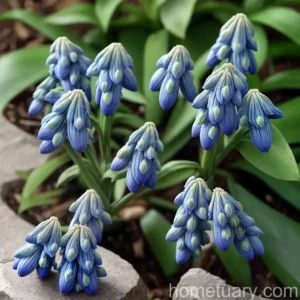
Plant Name: Hosta ‘School Mouse’ (Plantain Lily)
Hosta ‘School Mouse’ is a stunning perennial plant known for its attractive foliage and versatile uses in the garden. As a plant scientist, I will provide detailed insights into the culture, uses, maintenance, and tips for caring for Hosta ‘School Mouse’. I will also discuss its popularity, common diseases, pests, and tips for propagation, as well as some fun facts about this beautiful plant.
What is Hosta ‘School Mouse’?
Hosta ‘School Mouse’, commonly known as Plantain Lily, is a herbaceous perennial plant that belongs to the Asparagaceae family. This shade-loving plant is cherished for its striking foliage, which comes in a variety of colors, patterns, and textures, making it a popular choice for gardeners and landscapers.
Key Takeaways – Hosta ‘School Mouse’ (Plantain Lily)
Before delving into the specifics of the care and maintenance of Hosta ‘School Mouse’, let’s look at some key takeaways:
- Plant Type: Perennial
- Common Name: Plantain Lily
- Family: Asparagaceae
Now, let’s explore the culture, uses, and tips for caring for Hosta ‘School Mouse’.
Culture of Hosta ‘School Mouse’
Caring for Hosta ‘School Mouse’ involves understanding its specific needs in terms of water, sunlight, soil, and fertilizer.
Water
Proper watering is essential for the health and vigor of Hosta ‘School Mouse’. Here are some key points to consider:
- Water Needs: Hosta ‘School Mouse’ prefers consistently moist soil, especially during the hot summer months. Adequate water is crucial for promoting healthy foliage and robust growth.
- Soil Moisture: The soil should be well-draining to prevent waterlogging, which can lead to root rot. Mulching around the base of the plant helps retain soil moisture.
Sunlight
Hosta ‘School Mouse’ thrives in shaded or partially shaded areas. Understanding its sunlight requirements is crucial for maintaining its lush foliage:
- Shade Tolerance: This plant is well-suited for shaded gardens and is an excellent choice for adding visual interest to areas with limited sunlight.
- Sun Exposure: While Hosta ‘School Mouse’ can tolerate some morning sun, it generally prefers dappled or filtered shade to protect its delicate foliage from scorching.
Fertilizer
Proper nutrition is essential for the overall health and vitality of Hosta ‘School Mouse’. Consider the following:
- Fertilization Schedule: Apply a balanced, slow-release fertilizer in early spring to provide essential nutrients for healthy growth and development.
- Nutrient Requirements: Hosta ‘School Mouse’ benefits from fertilizers with slightly higher nitrogen content to promote lush foliage. Avoid excess fertilizer to prevent burning the delicate leaves.
Soil
Understanding the soil preferences of Hosta ‘School Mouse’ is crucial for providing an optimal growing environment:
- Soil Type: A well-draining, rich, and organic soil mix is ideal for planting Hosta ‘School Mouse’. Amending the soil with compost enhances its texture and fertility.
- pH Level: Hosta ‘School Mouse’ thrives in slightly acidic to neutral soils with a pH range of 6.0-7.5. Regular soil testing helps maintain the optimal pH levels for healthy growth.
Uses of Hosta ‘School Mouse’
Hosta ‘School Mouse’ offers versatile uses in garden landscapes, making it a valuable addition to any garden setting. Consider the following uses:
- Ornamental Foliage: The striking foliage of Hosta ‘School Mouse’ adds visual appeal to shaded gardens, woodland areas, and borders.
- Ground Cover: With its spreading habit and dense foliage, Hosta ‘School Mouse’ serves as an excellent ground cover option in shaded areas where traditional grass may struggle to thrive.
- Container Planting: Its compact size and ornamental foliage make Hosta ‘School Mouse’ an ideal candidate for container gardening, adding a touch of elegance to patios, porches, and balconies.
Pruning Hosta ‘School Mouse’
Proper pruning is essential for maintaining the attractive appearance of Hosta ‘School Mouse’ and promoting its overall health:
- Foliage Maintenance: Regular removal of yellowing or damaged leaves helps maintain a tidy appearance and prevents the spread of diseases.
- Spring Cleanup: In early spring, prune back any remaining foliage from the previous year to make way for new growth. Divide mature clumps if necessary to rejuvenate the plant.
Propagation of Hosta ‘School Mouse’
Propagating Hosta ‘School Mouse’ allows gardeners to expand their plant collection and share the beauty of this versatile plant with others. Here are some propagation tips:
- Division: Divide mature clumps of Hosta ‘School Mouse’ in early spring or fall. Ensure that each division has healthy roots and several shoots for successful establishment.
- Rhizome Cuttings: Propagate Hosta ‘School Mouse’ by taking rhizome cuttings in spring. Plant the cuttings in a well-prepared potting mix and provide adequate moisture and warmth for successful root development.
Container Popularity of Hosta ‘School Mouse’
The compact size and ornamental foliage of Hosta ‘School Mouse’ make it a popular choice for container gardening. Consider the following tips for successful container cultivation:
- Container Selection: Choose a wide and shallow container to accommodate the spreading habit of Hosta ‘School Mouse’. Make sure it has adequate drainage holes to prevent waterlogging.
- Potting Mix: Use a well-draining potting mix with added organic matter to provide essential nutrients and promote healthy growth.
- Maintenance: Monitor soil moisture levels and water the containerized plant as needed to maintain consistent soil moisture. Fertilize as per the recommended schedule to support healthy foliage.
Common Diseases Affecting Hosta ‘School Mouse’
While Hosta ‘School Mouse’ is relatively disease-resistant, it is still susceptible to certain common diseases. Understanding the signs and symptoms of these diseases is crucial for early diagnosis and effective management.
Disease Diagnosis
Identifying the symptoms of common diseases is essential for prompt treatment. Some common diseases affecting Hosta ‘School Mouse’ include:
- Crown Rot: Watch out for wilting or yellowing foliage, especially during the growing season, which may indicate the presence of crown rot. Provide proper drainage and avoid overwatering to prevent this disease.
- Fungal Leaf Spots: Look for irregular spots or lesions on the foliage, which may indicate the presence of fungal leaf spot diseases. Remove and dispose of affected leaves to prevent the spread of the disease.
Common Pests Affecting Hosta ‘School Mouse’
Hosta ‘School Mouse’ may become a target for certain pests. Regular monitoring and timely intervention are essential for preventing pest infestations.
Pest Control
Some common pests that may affect Hosta ‘School Mouse’ include:
- Slugs and Snails: These pests are attracted to the lush foliage of Hosta ‘School Mouse’ and may cause visible damage. Use organic or chemical slug and snail control methods to protect the plant.
- Deer: In areas with deer populations, consider using deer-resistant barriers or repellents to protect Hosta ‘School Mouse’ from browsing damage.
Botanist’s Tips for Hosta ‘School Mouse’
As a plant scientist, I recommend the following tips to maximize the beauty and health of Hosta ‘School Mouse’:
- Mulching: Apply a layer of organic mulch around the base of Hosta ‘School Mouse’ to conserve soil moisture, suppress weeds, and provide insulation during temperature fluctuations.
- Companion Planting: Pair Hosta ‘School Mouse’ with shade-loving companion plants such as ferns, heucheras, and tiarellas to create visually appealing combinations in shaded gardens.
Fun Facts about Hosta ‘School Mouse’
Here are some interesting and fun facts about Hosta ‘School Mouse’:
- The ‘School Mouse’ variety of Hosta is named for its compact size and mouse-ear-shaped leaves, adding a playful touch to garden landscapes.
- Hosta ‘School Mouse’ is a low-maintenance perennial that thrives in shaded gardens, making it a popular choice for novice and experienced gardeners alike.
- The foliage of Hosta ‘School Mouse’ comes in various colors and patterns, offering a diverse range of options for adding visual interest to garden designs.
Links to External Resources
For further information on caring for Hosta ‘School Mouse’, refer to the following resources:
- Hosta ‘School Mouse’ Care Guide
- Companion Plants for Hosta ‘School Mouse’
- Propagation Tips for Hosta ‘School Mouse’
- Common Pests and Diseases of Hosta ‘School Mouse’
In conclusion, Hosta ‘School Mouse’ (Plantain Lily) is a valuable and versatile perennial plant that enhances shaded gardens, woodland landscapes, and container gardens. By understanding its specific cultural needs and following the recommended care tips, gardeners can enjoy the beauty and elegance of Hosta ‘School Mouse’ throughout the growing season. Whether used as a focal point plant, ground cover, or container specimen, this charming perennial adds a touch of sophistication to any garden setting.