Understanding hosta (Hosta sieboldiana ‘Frances Williams’)
Introduction
Hosta (Hosta sieboldiana ‘Frances Williams’) is a perennial plant that is widely favored for its lush foliage and adaptability to different environments. Its striking appearance and low maintenance requirements make it a popular choice among gardeners and landscapers. In this comprehensive guide, we will delve into the various aspects of hosta care and cultivation, covering everything from sunlight and water requirements to soil preferences and common pests.
Key Takeaways: Hosta (Hosta sieboldiana ‘Frances Williams’)
- Hosta sieboldiana ‘Frances Williams’ is a shade-loving perennial plant known for its ornamental foliage.
- It requires regular watering and thrives in shaded environments.
- Proper soil preparation and fertilization are essential for its healthy growth.
- Hostas are susceptible to certain diseases and pests, requiring vigilant maintenance and care.
Plant Characteristics
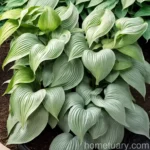
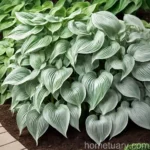
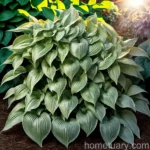
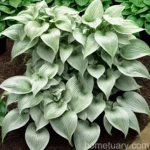
Hosta sieboldiana, commonly known as “plantain lily,” belongs to the Asparagaceae family and is native to Japan. ‘Frances Williams’ is a popular cultivar of Hosta sieboldiana, prized for its large, heavily corrugated, and heart-shaped blue-green leaves with distinct yellow margins. The striking variegation of its foliage adds a vibrant touch to shaded gardens, making it a sought-after plant for landscaping and ornamental purposes.
Culture
Caring for hostas requires an understanding of their specific needs, including water, sunlight, soil, and maintenance requirements. Let’s explore each of these factors in detail:
Water
Hostas thrive in moist, well-drained soil. Adequate watering is crucial for their health and vigor, especially during the hot summer months. However, it’s essential to avoid overwatering, as excessive moisture can lead to root rot and other fungal issues.
- Watering Tips:
- Water hostas deeply once a week, ensuring that the soil is evenly moist but not waterlogged.
- Mulching around the base of the plant can help retain soil moisture and regulate temperature.
Sunlight
Hostas are known for their affinity towards shaded environments and are often considered quintessential shade-loving plants. While they can tolerate some morning sun, they generally prefer dappled or filtered shade, especially in regions with intense afternoon sunlight.
- Sunlight Requirements:
- Plant hostas in areas with partial to full shade, protecting them from direct midday sun.
- In hotter climates, providing morning sun and afternoon shade can promote healthy growth.
Fertilizer
Fertilization plays a crucial role in supporting the growth and development of hostas. A balanced fertilizer with a higher nitrogen content can help promote lush foliage, but over-fertilization should be avoided to prevent excessive leaf growth at the expense of plant vigor.
- Fertilization Guidelines:
- Apply a slow-release, balanced fertilizer in early spring as new shoots emerge, following the manufacturer’s recommendations.
- Avoid direct contact between the fertilizer and the plant’s crown to prevent potential burn or damage.
Soil
Hostas thrive in rich, well-draining soil with a slightly acidic to neutral pH. Proper soil preparation is essential for establishing healthy and robust hosta plants, ensuring adequate nutrient availability and moisture retention.
- Soil Preferences:
- Choose loamy, organic-rich soil with good drainage for planting hostas.
- Amending the soil with compost or well-rotted organic matter can enhance its structure and fertility.
Pruning
Pruning hostas primarily involves the removal of spent flower stalks and damaged or withered leaves. This helps maintain the plant’s aesthetic appeal and redirects its energy towards new growth and foliage production.
- Pruning Techniques:
- Snip off the flower stalks after they have finished blooming to encourage the plant to focus on foliage development.
- Trim away yellowing or damaged leaves to promote a tidy and healthy appearance.
Propagation
Hostas can be propagated through various methods, including division, seed sowing, and tissue culture. Division, in particular, is a popular and effective way to propagate hostas, allowing gardeners to create new plants from established ones.
- Propagation Tips:
- Divide mature hosta clumps in early spring before new growth emerges, using a sharp, sterilized knife.
- Ensure that each division has several healthy shoots and a portion of the root system for successful establishment.
Container Popularity
Hostas are well-suited for container gardening, offering a versatile and decorative option for individuals with limited garden space or those looking to create striking potted arrangements.
- Container Gardening Ideas:
- Select large, sturdy containers with adequate drainage holes to accommodate the plant’s root system and regulate soil moisture.
- Create visually appealing displays by combining different hosta varieties with contrasting foliage colors and textures.
Common Diseases
Hostas are susceptible to certain diseases, including foliar nematodes, crown rots, and fungal infections such as anthracnose and leaf spots. Identifying and addressing these issues promptly is essential to protect the overall health and appearance of the plants.
- Disease Diagnosis:
- Regularly inspect the foliage for signs of discoloration, spotting, or unusual growth patterns.
- Practice good sanitation and remove any infected plant material to prevent the spread of diseases.
Common Pests
Several pests pose potential threats to hostas, including slugs, snails, aphids, and caterpillars. Implementing integrated pest management strategies can help mitigate pest pressures and minimize damage to the plants.
- Pest Management Tips:
- Use physical barriers, such as copper tape or diatomaceous earth, to deter slugs and snails from feeding on hosta foliage.
- Monitor the plants regularly for pest activity and employ targeted interventions, such as insecticidal soaps or neem oil, when necessary.
Botanist’s Tips
-
Companion Plants:
- Pair hostas with shade-tolerant companions, such as ferns, astilbes, and heucheras, to create visually appealing woodland garden settings.
- Incorporate contrasting foliage textures and heights to enhance the overall aesthetic and diversity within the garden.
-
Seasonal Care:
- Provide extra mulch in fall to insulate hosta roots and protect them from frost heaving during winter.
- Monitor soil moisture levels during prolonged dry spells in summer, ensuring the plants receive adequate hydration.
Fun Facts
- Hosta flowers are known for their subtle beauty, often blooming in shades of purple, lavender, or white, and attracting pollinators to the garden.
- The unique leaf patterns of hostas, ranging from solid colors to variegated forms, contribute to their versatility in garden design and landscaping.
Links to External Resources
For additional information on hosta cultivation, care, and landscape design, explore the following resources:
In conclusion, hosta (Hosta sieboldiana ‘Frances Williams’) exemplifies the beauty and resilience of shade-loving perennial plants, offering a myriad of possibilities for garden and landscape enthusiasts. By understanding and implementing the key considerations discussed in this guide, individuals can foster healthy and vibrant hosta displays while appreciating the unique charm and allure these plants bring to outdoor spaces.
NLP LSI Keywords
- Hosta varieties
- Hosta sieboldiana
- Frances Williams hosta
- Planting hostas
- Hosta care tips
- Shade-loving plants
- Perennial plants
- Foliage plants
- Plants for shaded gardens
- Hosta gardening
- Hosta landscape design
- Hosta borders
- Hosta plant characteristics
- Hosta plant size
- Hosta plant diseases
- Hosta plant pests
- Hosta plant propagation
- Hosta plant division
- Hosta plant companions
- Hosta plant maintenance
- Hosta plant varieties for sun
- Hosta plant varieties for containers
- Hosta plant seasonal care
- Hosta plant winter protection
- Hosta plant color variations
- Hosta plant leaf patterns
- Hosta plant flowering season
- Hosta plant water requirements
- Hosta plant soil preferences
- Hosta plant fertilization
- Hosta plant pruning techniques
- Hosta plant landscape ideas
- Hosta plant container gardening
- Hosta plant wildlife attractant
- Hosta gardening hacks
- Hosta plant growing conditions
- Hosta plant garden arrangements
- Hosta plant companion plants
- Hosta plant decorative uses
- Hosta plant ground cover
- Hosta plant in rock gardens
- Hosta plant in mixed borders
- Hosta plant in woodland gardens
- Hosta plant in patio gardens
- Hosta plant in Japanese gardens
- Hosta plant in urban gardens
- Hosta plant in small spaces
- Hosta plant in vertical gardens
- Hosta plant in coastal gardens
- Hosta plant in water-wise landscapes