Hosta (Hosta plantaginea var. japonica) Care Guide
What is Hosta (Hosta plantaginea var. japonica)?
Hosta plantaginea var. japonica, commonly known as hosta, is a species of flowering plant in the family Asparagaceae. It is a herbaceous perennial with attractive foliage and is valued for its ability to thrive in shade. The name “hosta” is in honor of the Austrian botanist Nicholas Thomas Host, and the plant is widely cultivated for its decorative and ornamental qualities.
Hosta plantaginea var. japonica is native to Japan, where it is found in shaded areas, such as woodland margins and along streams. It is a low-maintenance plant that is popular in gardens and landscapes due to its versatility and aesthetic appeal. The plant’s lush foliage and fragrant flowers make it a favorite among gardeners and landscaping enthusiasts.
Key Takeaways – Hosta (Hosta plantaginea var. japonica)
Before delving into the specific care requirements for hosta, here are the key takeaways that will be covered in this comprehensive guide:
- Culture
- Uses
- Water
- Sunlight
- Fertilizer
- Soil
- Pruning
- Propagation
- Container Popularity
- Common Diseases
- Disease Diagnosis
- Common Pests
- Botanist’s Tips
- Fun Facts
- Links to External Resources
Now, let’s explore each of these aspects in detail.
Culture
Hostas are revered for their ease of cultivation and maintenance. They are well-suited for various garden settings and can be integrated into landscapes with minimal effort. The culture of hosta involves understanding its growing requirements and providing the necessary care to ensure its health and vitality.
Uses
The uses of hosta extend beyond its aesthetic appeal. This versatile plant can serve multiple purposes in a garden or landscape, including:
- Ground cover: Hostas are often used as ground cover due to their low, spreading growth habit and dense foliage.
- Ornamental plant: The attractive leaves and flowers of hostas make them popular choices for ornamentation in gardens and landscapes.
- Shade garden: Hostas thrive in shady areas and can enhance the visual appeal of shaded gardens.
- Container gardening: Some hosta varieties are suitable for container planting, making them versatile choices for urban and small-space gardening.
Water
Proper watering is essential for the health and vigor of hosta plants. While hostas are known for their tolerance to shade, they still require adequate moisture to thrive. Here are some key considerations for watering hostas:
- Consistent moisture: Hostas prefer consistently moist soil, especially during the active growing season. Adequate moisture helps promote healthy foliage and flowering.
- Avoid waterlogging: While hostas require moisture, they are susceptible to root rot if the soil becomes waterlogged. Ensure proper drainage to prevent waterlogging.
- Drought tolerance: Established hostas have good drought tolerance, but they still benefit from occasional deep watering during prolonged dry spells.
Sunlight
Hostas are renowned for their shade tolerance and are often associated with shady garden settings. However, they can exhibit varying degrees of sun tolerance depending on the specific variety. Here’s what you need to know about sunlight requirements for hostas:
- Shade tolerance: Most hosta varieties thrive in partial to full shade, making them excellent choices for shaded gardens or areas with limited direct sunlight.
- Sun exposure: Some hosta varieties can tolerate more sun exposure, but excessive sunlight can lead to leaf scorching. It is essential to choose the right location for hostas based on their sunlight requirements.
- Morning sun: Hostas often perform well in locations with dappled morning sun and filtered afternoon shade.
Fertilizer
Proper fertilization is crucial for promoting healthy growth and development in hostas. Whether grown in containers or in the ground, hostas benefit from regular fertilization during the growing season. Consider the following factors when fertilizing hosta plants:
- Balanced fertilizer: A balanced, slow-release fertilizer with a ratio of 10-10-10 or similar is suitable for hostas. Apply the fertilizer in spring as new growth emerges and again in midsummer.
- Avoid excess nitrogen: While hostas benefit from fertilization, excessive nitrogen can lead to lush foliage at the expense of flower production.
- Organic amendments: Organic fertilizers, such as compost or well-rotted manure, can be incorporated into the soil around hostas to provide essential nutrients.
Soil
The soil composition plays a significant role in the overall health and vitality of hosta plants. Understanding the soil requirements and making suitable accommodations can contribute to the success of growing hostas. Here are some key considerations for soil:
- Well-drained soil: Hostas thrive in well-drained soil that retains moisture without becoming waterlogged. Amending heavy or compacted soil with organic matter can improve drainage.
- Soil pH: Hostas prefer slightly acidic to neutral soil with a pH range of 6.0 to 7.5. Testing the soil pH can help determine if any adjustments are necessary.
- Mulching: Applying a layer of organic mulch around hostas helps conserve soil moisture, regulate temperature, and suppress weed growth.
Pruning
Pruning is an essential aspect of hosta maintenance, primarily for aesthetic and rejuvenation purposes. Proper pruning can promote healthy growth and enhance the visual appeal of the plants. Consider the following guidelines for pruning hostas:
- Removal of old foliage: Trimming away old, yellowing foliage in early spring helps rejuvenate the plant’s appearance and allows new growth to emerge unimpeded.
- Flower stem removal: Deadheading spent flowers or cutting back the flowering stems can redirect the plant’s energy towards foliage growth.
- Dividing: Periodically dividing mature hostas helps maintain plant health and vigor while also providing an opportunity to propagate new plants.
Propagation
Hostas can be propagated through various methods, including division, seed sowing, and tissue culture. Propagation allows for the expansion of hosta collections and provides an avenue for sharing plants with fellow gardening enthusiasts. Here’s an overview of hosta propagation techniques:
- Division: Dividing mature hostas in early spring or fall yields new plants with established root systems. Each division should have multiple shoots and healthy roots.
- Seed sowing: While hostas can be grown from seeds, it is essential to note that seed-grown plants may not fully resemble the parent plant. This method is primarily used for hybridization and breeding purposes.
Container Popularity
Hostas are well-suited for container gardening, offering an opportunity to showcase their ornamental foliage and flowers in various settings. Consider the following factors when growing hostas in containers:
- Container selection: Choose large, wide containers with adequate drainage holes to accommodate the robust root systems of hostas.
- Potting mix: Use a well-draining, high-quality potting mix with added organic matter to provide essential nutrients and moisture retention.
- Container placement: Position hosta containers in locations that offer the appropriate sunlight and moisture levels based on the specific variety being grown.
Common Diseases
Hostas are relatively resistant to diseases but can be affected by certain fungal and bacterial pathogens. Understanding common diseases and their management is essential for maintaining the health of hosta plants. Here are some prevalent diseases that can affect hostas:
- Fungal leaf spot: This common fungal disease can cause circular lesions on hosta leaves, leading to aesthetic damage. Proper sanitation and adequate air circulation can help mitigate fungal leaf spot.
- Crown rot: Excessive moisture and poor drainage can contribute to crown rot, leading to the decline of hosta plants. Addressing drainage issues and practicing proper watering techniques can help prevent crown rot.
- Slug damage: While not a disease, slugs can cause significant damage to hosta foliage. Implementing slug control measures, such as physical barriers or organic deterrents, can help protect hostas from slug damage.
Disease Diagnosis
Prompt and accurate diagnosis of diseases affecting hostas is crucial for implementing targeted management strategies. Here are some signs and symptoms to look for when diagnosing common diseases in hostas:
- Leaf spots: Circular or irregular lesions on hosta leaves may indicate fungal leaf spot. Inspect the undersides of the leaves for fungal spores or signs of active disease.
- Stem and crown discoloration: Browning, softening, or rotting of the stems and crown can be indicative of crown rot. Carefully examine the affected areas for signs of decay or necrosis.
Common Pests
While hostas are relatively resistant to pest infestations, they can still be targeted by certain pests that can affect their health and appearance. Here are some common pests that may affect hostas:
- Slugs and snails: These mollusks are notorious for feeding on hosta foliage, leaving behind characteristic irregular holes and damage. Employing slug and snail control measures can help protect hostas.
- Deer: In areas with deer populations, hostas can be susceptible to browsing damage. Implementing deer repellents or physical barriers can help deter deer from feeding on hostas.
- Voles: These small rodents can cause damage to hosta roots and underground structures. Implementing vole control measures, such as exclusion or trapping, can help protect hostas from vole damage.
Botanist’s Tips
To further enhance the cultivation and enjoyment of hostas, here are some valuable tips and recommendations from a botanist’s perspective:
- Companion planting: Pairing hostas with complementary plants, such as ferns, heucheras, and astilbes, can create visually appealing garden combinations.
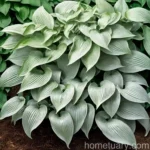
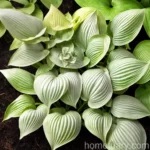
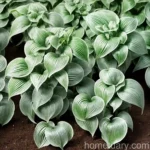
- Leaf texture and color: Explore the diverse range of hosta varieties featuring an array of leaf textures, colors, and patterns to add visual interest to garden settings.
- Winter care: Mulching and providing adequate winter protection can help preserve the vitality of hostas during the dormant season, especially in regions with harsh winters.
Fun Facts
Hostas are fascinating plants with a rich history and many intriguing attributes. Here are some fun facts about hostas that highlight their unique qualities and appeal:
- Varied foliage: Hostas exhibit an impressive diversity of foliage characteristics, from solid colors to variegated patterns and unique textures.
- Fragrant flowers: Some hosta varieties produce fragrant flowers that add a delightful sensory element to garden settings.
- Historical significance: Hostas have been cultivated in Japan for centuries and have a rich cultural and horticultural heritage.
Links to External Resources
For additional information on hosta (Hosta plantaginea var. japonica) care, varieties, and cultivation, the following external resources can provide valuable insights and resources:
In conclusion, hosta (Hosta plantaginea var. japonica) is a beloved and versatile plant that adds elegance and visual interest to gardens and landscapes. By understanding and implementing the recommended care practices, enthusiasts can cultivate thriving hosta displays and appreciate the beauty and charm of these exceptional plants.
Remember that the key to successful hosta cultivation lies in understanding the specific growing conditions and adapting the care practices accordingly. Whether used as a focal point in garden beds, as a textured ground cover, or as a container specimen, hostas have much to offer to gardening enthusiasts and landscape aficionados alike. With the right approach to cultivation and maintenance, hostas can flourish and bring enduring beauty to outdoor spaces.