Heuchera ‘Chocolate Ruffles’ (Coral Bells): A Fascinating Ornamental Plant
Introduction
When it comes to adding an eye-catching appeal to your garden, Heuchera ‘Chocolate Ruffles’ or Coral Bells ‘Chocolate Ruffles’ is one plant that shouldn’t be overlooked. This stunning perennial is cherished for its distinct foliage colors and extraordinary ornamental features, making it a popular choice among gardeners and landscaping enthusiasts.
In this comprehensive guide, we will delve into the various aspects of Heuchera ‘Chocolate Ruffles,’ also known as Coral Bells ‘Chocolate Ruffles,’ and explore its cultural practices, potential uses, care requirements, and much more. Whether you are a seasoned gardener or just starting with ornamental plants, this article will provide you with all the information you need to successfully cultivate and enjoy the exceptional beauty of this fascinating plant.
What is Heuchera ‘Chocolate Ruffles’ (Coral Bells)?

Heuchera ‘Chocolate Ruffles,’ commonly known as Coral Bells ‘Chocolate Ruffles,’ is a striking herbaceous perennial that is celebrated for its exceptional foliage, enhancing the aesthetic appeal of any garden or landscape. Belonging to the Saxifragaceae family, this plant is native to North America and is valued for its attractive foliage colors and delicate, bell-shaped flowers, which further contribute to its ornamental value.
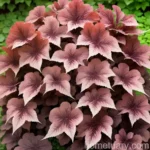
The mesmerizing attributes of Heuchera ‘Chocolate Ruffles’ include deeply ruffled, chocolate-colored leaves, which intensify to almost black shades as they mature. Additionally, in late spring to early summer, delicate, airy, pinkish-white flowers emerge on slender stems, creating a charming contrast against the dark-hued foliage. This captivating combination of colors and textures makes Heuchera ‘Chocolate Ruffles’ an exceptional choice for adding visual interest to gardens, borders, containers, and various landscape settings.
Key Takeaways – Heuchera ‘Chocolate Ruffles’ (Coral Bells)
Before we delve deeper into the specifics, let’s take a quick look at the key takeaways associated with Heuchera ‘Chocolate Ruffles’ (Coral Bells). This will provide an overview of what we will be exploring in detail throughout this guide.
- Plant Name: Heuchera ‘Chocolate Ruffles’ (Coral Bells)
- Family: Saxifragaceae
- Common Names: Coral Bells ‘Chocolate Ruffles’
- Foliage Color: Chocolate to Almost Black
- Flower Color: Pinkish-White
- Foliage Type: Evergreen to Semi-Evergreen
- Growth Habit: Clumping
- Height: 8-12 inches
- Spread: 12-18 inches
- Uses: Borders, Containers, Rock Gardens, Woodland Gardens, Edging, Groundcover, Pollinator Gardens, Mixed Borders, Urban Gardens, Hanging Baskets, Cut Flower Arrangements
Now that we have an initial understanding of this captivating plant, let’s explore its culture, uses, care requirements, and potential benefits in detail.
Culture
Cultivating Heuchera ‘Chocolate Ruffles’ successfully involves understanding and implementing suitable cultural practices that provide an optimal environment for its growth and development. From soil preferences to pruning techniques, and from pruning to propagation, each aspect of the plant’s culture contributes to its overall well-being and ornamental appeal.
Uses
Heuchera ‘Chocolate Ruffles’ holds immense potential for various uses in garden and landscape settings. Its striking foliage colors, showy flowers, and compact growth habit make it a versatile and valuable addition to diverse gardening scenarios. Some of the key uses of this plant are as follows:
-
Borders: The mesmerizing foliage of Heuchera ‘Chocolate Ruffles’ makes it a great choice for defining and enhancing the borders of garden beds and pathways. Its low-growing nature and rich, dark hues create a striking visual contrast against other plants, rocks, or mulch, thereby adding depth and dimension to the landscape.
-
Containers: The compact size and ornamental foliage of Heuchera ‘Chocolate Ruffles’ make it well-suited for container gardening. Whether grown individually or combined with other shade-loving plants, it adds visual interest and texture to outdoor and indoor containers, patios, and balconies.
-
Rock Gardens: The resilient nature of Heuchera ‘Chocolate Ruffles’ enables it to thrive in rock gardens, where it can be nestled among stones and boulders to create a natural, picturesque display. Its low-maintenance requirements and textural appeal make it a fantastic choice for rock garden enthusiasts.
-
Woodland Gardens: With its preference for partial to full shade, Heuchera ‘Chocolate Ruffles’ is an excellent addition to woodland gardens. Its dark foliage and delicate flowers complement the dappled light and natural surroundings, adding a touch of elegance to shaded areas.
-
Edging: The mounded growth habit and captivating foliage of Heuchera ‘Chocolate Ruffles’ make it an ideal candidate for edging along garden beds, pathways, or borders. Its consistent, compact form and alluring leaf coloration create a defined and polished look, contributing to the overall aesthetic of the landscape.
-
Groundcover: When planted in clusters or massed together, Heuchera ‘Chocolate Ruffles’ serves as an effective groundcover, seamlessly spreading and filling in empty spaces with its dense, clumping growth. This makes it an excellent choice for suppressing weed growth and adding visual appeal to expansive garden areas.
-
Pollinator Gardens: The delicate, airy flowers of Heuchera ‘Chocolate Ruffles’ attract pollinators such as bees and butterflies, making it a valuable addition to pollinator-friendly gardens. By providing a nectar source and promoting biodiversity, this plant contributes to the sustainability and ecological balance of garden ecosystems.
This remarkable versatility and adaptability make Heuchera ‘Chocolate Ruffles’ an invaluable asset in a wide range of gardening and landscaping applications.
Water
The water requirements of Heuchera ‘Chocolate Ruffles’ are quite moderate, making it suitable for both garden beds and containers. While it prefers consistently moist, well-drained soil, it is essential to avoid overwatering, especially in heavy or poorly drained soils. When established, this plant displays good drought tolerance, but regular watering is still necessary, especially during extended dry periods or in warmer climates.
For optimal results, it is recommended to water Heuchera ‘Chocolate Ruffles’ deeply and thoroughly, allowing the top inch of soil to dry out between watering sessions. This helps promote healthy root development and prevents waterlogged conditions, which can lead to root rot and other moisture-related issues. Mulching the soil around the plant helps to conserve moisture, regulate soil temperature, and inhibit weed growth, thereby supporting the overall health and vigor of the plant.
Sunlight
Heuchera ‘Chocolate Ruffles’ thrives in partial to full shade, making it an excellent choice for shaded or woodland garden settings. It is well-adapted to dappled light, filtered shade, and even areas with limited sun exposure, where its dark foliage tends to intensify in color and contrast beautifully with surrounding plants and structures. While it can tolerate some morning sun or gentle afternoon sunlight, prolonged exposure to intense heat and direct sunlight should be avoided to prevent leaf scorch and maintain the plant’s overall health and aesthetic appeal.
In warmer climates, providing ample shade and protection from the harsh midday sun becomes even more critical to ensure the plant’s vitality and longevity. By choosing suitable planting locations and adjusting the environmental conditions accordingly, gardeners can ensure that Heuchera ‘Chocolate Ruffles’ thrives and flourishes in its preferred light conditions.
Fertilizer
Feeding Heuchera ‘Chocolate Ruffles’ with a balanced and organic fertilizer can enhance its growth, flowering, and overall ornamental appeal. While this plant is not excessively needy in terms of fertilization, providing some supplemental nutrients during the growing season can contribute to its vigor and vitality. A slow-release, granular fertilizer formulated for flowering perennials or acid-loving plants can be applied in early spring, following the manufacturer’s recommended dosage and application instructions.
It is essential to avoid excessive fertilizer applications, especially those high in nitrogen, as this can lead to excessive vegetative growth at the expense of flowering and overall plant health. Over-fertilization may also result in nutrient imbalances and hamper the plant’s natural growth habits. Regular monitoring of the plant’s growth and appearance can help in assessing its nutrient requirements and making informed decisions regarding fertilizer application.
Soil
Heuchera ‘Chocolate Ruffles’ thrives in well-drained, fertile soil that is rich in organic matter and slightly acidic to neutral in pH. An ideal planting medium for this plant consists of loamy or sandy soil, supplemented with organic compost or peat moss to improve its texture and moisture retention capacity. Adequate soil preparation before planting is crucial to ensure that the plant’s root system establishes successfully and has access to the essential nutrients and moisture it needs for healthy growth.
Amending the soil with organic matter, such as compost, leaf mold, or well-rotted manure, can enhance its fertility, structure, and water-holding capacity. This supports robust root development and nutrient uptake, ultimately contributing to the plant’s overall vigor and resilience. Incorporating a layer of mulch around the base of the plant helps maintain soil moisture, regulate temperature fluctuations, and suppress weed growth, all of which are beneficial for the health and longevity of Heuchera ‘Chocolate Ruffles.’
Pruning
Pruning Heuchera ‘Chocolate Ruffles’ is relatively minimal, primarily focusing on the removal of spent flower stems and any damaged or diseased foliage. Deadheading the faded flowers encourages the plant to redirect its energy toward producing new growth and blooming again, thereby prolonging the ornamental display and promoting a neat and tidy appearance. This simple maintenance task can be performed by gently snipping off the spent flowers and stems using clean, sharp pruners or scissors.
Additionally, any discolored, withered, or diseased leaves should be promptly removed to prevent the spread of infections and maintain the overall health and visual appeal of the plant. Regularly inspecting the foliage for signs of damage, discoloration, or pest infestations allows for timely intervention and ensures that Heuchera ‘Chocolate Ruffles’ remains vibrant and robust throughout the growing season.
Propagation
Heuchera ‘Chocolate Ruffles’ can be propagated through various methods, including division, seed sowing, and stem cuttings. Each approach offers its own unique advantages and challenges, and the choice of propagation method often depends on the preferences and resources available to the gardener. Let’s take a closer look at these propagation techniques:
-
Division: Propagating Heuchera ‘Chocolate Ruffles’ through division involves separating the plant’s clumps into smaller sections and replanting them to establish new individuals. This method is typically performed in early spring or late summer when the plant is actively growing and has sufficient energy reserves to support the division process. By carefully dividing the root system and ensuring that each division contains healthy roots and shoots, gardeners can expand their Heuchera ‘Chocolate Ruffles’ collection and rejuvenate older, overcrowded plants.
-
Seed Sowing: Growing Heuchera ‘Chocolate Ruffles’ from seeds is another viable option for propagation, although it may require more time and patience to achieve mature, flowering plants. Collecting ripe seeds from existing plants and sowing them in well-prepared seed-starting mix can yield new seedlings that inherit the unique characteristics of the parent plant. Germinating Heuchera ‘Chocolate Ruffles’ seeds indoors and providing them with adequate light, warmth, and moisture sets the stage for successful seedling establishment and subsequent transplantation outdoors.
-
Stem Cuttings: Propagating Heuchera ‘Chocolate Ruffles’ through stem cuttings involves taking healthy, non-flowering stems from the parent plant and rooting them to form new plants. This method allows for the rapid production of genetically identical offspring and can be particularly useful for cultivating larger quantities of plants for landscaping or horticultural purposes. By planting the cuttings in a well-draining rooting medium and providing them with the right environmental conditions, gardeners can encourage the development of roots and new growth, leading to the establishment of robust, independent plants.
Each propagation method offers its own set of benefits and considerations, and the choice of approach depends on the specific goals, resources, and preferences of the gardener. Regardless of the method chosen, successful propagation allows for the expansion of Heuchera ‘Chocolate Ruffles’ populations and the preservation of their desirable traits for future generations to enjoy.
Container Popularity
Heuchera ‘Chocolate Ruffles’ is highly popular as a container plant, thanks to its compact size, striking foliage, and versatility in various container gardening scenarios. Whether grown as a solo specimen or combined with other shade-loving companions, this plant adds visual interest, texture, and color to outdoor and indoor containers, patios, decks, and balconies. Its resilience, adaptability, and low-maintenance nature make it an ideal candidate for container gardening enthusiasts, who seek to enhance their living spaces with captivating ornamental plants.
Container Common Diseases
While Heuchera ‘Chocolate Ruffles’ is relatively resilient to diseases, it may occasionally encounter issues associated with environmental stress, nutrient imbalances, and fungal or bacterial pathogens. Some of the common diseases that can affect this plant in container settings include:
-
Leaf Spot: Leaf spot diseases, caused by various fungal pathogens, can lead to the development of dark, water-soaked lesions on the foliage of Heuchera ‘Chocolate Ruffles.’ Proper sanitation, well-drained soil, and adequate air circulation can help mitigate the risk of leaf spot infections and maintain the plant’s overall health.
-
Crown Rot: Excessive moisture, poor drainage, and unfavorable environmental conditions can contribute to the onset of crown rot in Heuchera ‘Chocolate Ruffles.’ This disease affects the plant’s crown and root system, often leading to wilting, decay, and ultimately, plant death. Preventative measures such as maintaining proper soil moisture levels and providing well-drained soil can help reduce the risk of crown rot and promote the long-term well-being of the plant.
-
Powdery Mildew: Powdery mildew, characterized by a white, powdery growth on the foliage, can affect Heuchera ‘Chocolate Ruffles’ in container settings, especially in humid or overcrowded conditions. Ensuring adequate spacing between plants, promoting good air circulation, and avoiding excessive overhead watering can help minimize the risk of powdery mildew and maintain the plant’s visual appeal.
By being vigilant about potential disease symptoms, addressing underlying environmental factors, and practicing good gardening hygiene, container gardeners can help safeguard Heuchera ‘Chocolate Ruffles’ from common diseases and ensure its continued vitality and ornamental value.
Disease Diagnosis
Diagnosing diseases in Heuchera ‘Chocolate Ruffles’ involves careful observation of the plant’s symptoms, understanding potential causal factors, and implementing appropriate management strategies. Some of the key steps in disease diagnosis for this plant include:
-
Symptom Identification: Recognizing the specific symptoms exhibited by the plant, such as leaf discoloration, wilting, or abnormal growth, helps in narrowing down potential disease suspects and initiating targeted intervention measures.
-
Environmental Assessment: Evaluating the environmental conditions, including soil moisture, light exposure, air circulation, and temperature, can provide insights into the factors contributing to disease development and guide efforts to modify the plant’s growing environment.
-
Pathogen Investigation: Identifying potential pathogens, whether fungal, bacterial, or viral, involved in the disease outbreak is essential for implementing appropriate treatment or preventive measures. Laboratory testing or consulting with plant health professionals can aid in confirming the presence of specific pathogens and determining the most effective course of action.
-
Management Strategies: Upon diagnosing the disease affecting Heuchera ‘Chocolate Ruffles,’ selecting and implementing suitable management strategies becomes crucial. These may include cultural adjustments, such as altering watering practices or improving soil drainage, as well as utilizing targeted treatments, such as fungicides or biological controls, to mitigate the disease and promote the plant’s recovery.
It is important to approach disease diagnosis in a thorough and systematic manner, considering all relevant factors and potential causative agents, to accurately identify issues, provide timely intervention, and support the long-term health and vigor of Heuchera ‘Chocolate Ruffles.’
Common Pests
While Heuchera ‘Chocolate Ruffles’ is generally resistant to pests, it may occasionally face challenges from common garden visitors such as insects or small mammals. Maintaining a vigilant approach to pest management and implementing appropriate controls when needed can help minimize the impact of these potential threats and preserve the plant’s ornamental value. Some of the common pests that may affect this plant include:
-
Vine Weevils: Adult vine weevils and their larvae can cause damage to the root system of Heuchera ‘Chocolate Ruffles,’ potentially leading to weakened growth and overall decline. Monitoring for early signs of weevil activity, such as notching on the foliage or visual sightings of the pests, allows for timely intervention and targeted control measures.
-
Slugs and Snails: These mollusks are known to feed on the leaves of Heuchera ‘Chocolate Ruffles,’ creating unsightly holes and damage. Implementing slug and snail control measures, such as barriers, traps, or natural predators, can help reduce their impact and protect the plant from aesthetic and structural damage.
-
Aphids: Aphids are common sap-feeding insects that may infest the tender foliage and flower stems of Heuchera ‘Chocolate Ruffles,’ potentially leading to distortion, discoloration, and reduced vigor. Regularly inspecting the plant for aphid colonies and applying targeted insecticidal treatments or beneficial insect releases can assist in managing aphid populations and preserving the plant’s visual appeal.
-
Deer and Rabbits: These herbivorous mammals may occasionally feed on the foliage and flowers of Heuchera ‘Chocolate Ruffles,’ especially in areas where their populations are prevalent. Erecting physical barriers, applying repellents, or selecting deer- and rabbit-resistant companion plants can help deter these animals and protect the plant from browsing damage.
By staying proactive in pest monitoring, implementing effective pest management strategies, and promoting a balanced and biodiverse garden ecosystem, gardeners can ensure that Heuchera ‘Chocolate Ruffles’ remains resilient and free from the detrimental effects of common pests.
Botanist’s Tips
To help you succeed in growing and enjoying the exceptional ornamental qualities of Heuchera ‘Chocolate Ruffles,’ here are some valuable tips and recommendations from botanists and experienced gardeners:
-
Choose Suitable Planting Locations: Selecting well-drained, partially shaded areas with nutrient-rich soil is essential for establishing and maintaining the health and vigor of Heuchera ‘Chocolate Ruffles.’ Pay attention to environmental factors such as moisture levels, temperature, and light exposure, and choose planting locations that align with the plant’s preferences.
-
Monitor and Adjust Watering Practices: Regularly monitoring the soil moisture and adjusting watering practices as per the plant’s needs is crucial for promoting healthy growth and reducing the risk of moisture-related issues. Avoid overwatering, especially in heavy or poorly drained soils, and ensure that the plant receives adequate hydration without waterlogging the root zone.
-
Observe and Respond to Plant Health Signs: Maintaining keen observation of the plant’s overall health, including leaf color, growth habits, and flowering patterns, allows for timely intervention in case of any issues. Addressing nutrient deficiencies, disease symptoms, pest infestations, or other plant stressors promptly can prevent long-term damage and support the plant’s resilience.
-
Promote Soil Fertility and Structure: Amending the soil with organic matter, such as compost, peat