Hosta (Hosta (Tardiana Group) ‘Halcyon’) – Ultimate Growing Guide
Are you looking for a low-maintenance, shade-tolerant perennial to enhance your garden’s aesthetic appeal? Look no further than the hosta (Hosta (Tardiana Group) ‘Halcyon’). With its striking foliage and ease of care, this plant is a favorite among gardeners. In this ultimate guide, we will delve into all aspects of hosta care, from cultivation and propagation to combatting diseases and pests. Let’s explore the world of hostas and discover why they are a must-have addition to any garden.
What is Hosta (Hosta (Tardiana Group) ‘Halcyon’)?
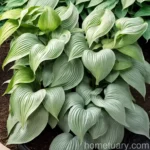
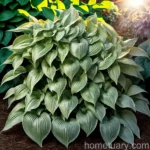
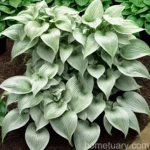
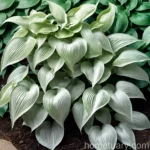
Hosta, also known as plantain lily, is a genus of perennial plants native to East Asia. They are prized for their striking foliage, which comes in a variety of shapes, sizes, and colors. ‘Halcyon’ is a popular cultivar from the Tardiana Group, known for its distinctive blue-green leaves and compact growth habit.
Key Takeaways – Hosta (Hosta (Tardiana Group) ‘Halcyon’)
Before we delve into the details of hosta care, let’s take a quick look at the key takeaways for growing and maintaining Hosta (Hosta (Tardiana Group) ‘Halcyon’):
- Plant Name: Hosta (Hosta (Tardiana Group) ‘Halcyon’)
- Plant Type: Perennial
- Foliage: Blue-green leaves
- Sunlight: Partial to full shade
- Soil Type: Rich, moist, well-draining soil
- Watering: Consistent moisture is essential
- Height: Up to 15 inches
- Spread: Up to 24 inches
- Hardiness Zone: 3-9
Culture
Uses
Hostas are primarily grown for their ornamental value, adding texture, color, and visual interest to shaded garden beds and borders. Their lush foliage makes them an ideal choice for landscaping and as ground cover in shaded areas.
Water
Consistent moisture is crucial for the health of hostas. While they prefer moist soil, they are susceptible to root rot in waterlogged conditions. Adequate hydration is necessary to ensure the lush growth and vitality of this plant.
Sunlight
Hostas thrive in shaded conditions, making them an excellent choice for gardens with limited direct sunlight. While they can tolerate some morning sun, they prefer dappled or partial shade to prevent foliage scorching.
Fertilizer
Fertilizing hostas can help promote healthy growth and vibrant foliage. Apply a balanced, slow-release fertilizer in early spring as new shoots emerge, and again after flowering to support the plant’s nutrient needs.
Soil
Hostas thrive in well-draining, humus-rich soil with a slightly acidic to neutral pH. Amending the soil with organic matter such as compost or well-rotted manure can improve its structure and fertility.
Pruning
Pruning hostas primarily involves removing dead or damaged leaves to maintain the plant’s overall appearance and encourage healthy growth. Cut back flower stalks after blooming to redirect the plant’s energy back into foliage development.
Propagation
Hostas can be propagated through division, making it an economical way to expand your hosta collection. Dividing established clumps every few years not only creates new plants but also revitalizes the parent plant.
Container Popularity
Hostas are well-suited for container gardening, allowing enthusiasts to enjoy their beauty on patios, balconies, and other outdoor living spaces. Container-grown hostas require attentive watering to maintain soil moisture levels, particularly in warm or windy conditions.
Common Diseases
Hostas, like many plants, are susceptible to certain diseases that can affect their overall health and appearance. Some common diseases that can impact hostas include:
- Crown Rot: Caused by pathogens in the soil, leading to the decay of the plant’s crown and foliage.
- Foliar Nematodes: These microscopic parasites can cause discolored and distorted foliage, impacting the plant’s vigor.
- Hosta Virus X (HVX): A viral disease that leads to streaking and mottling of the leaves, ultimately resulting in the plant’s decline.
Disease Diagnosis
Diagnosing and addressing plant diseases promptly is crucial to prevent their spread and minimize the damage they can cause. Look for symptoms such as browning or yellowing of the foliage, unusual leaf patterns, or wilting, and perform the necessary tests to confirm the presence of diseases.
Common Pests
While hostas are relatively low-maintenance, they can fall victim to various pests that can compromise their growth and appearance. Some common pests that may target hostas include:
- Slugs and Snails: These pests feed on the leaves, leaving behind ragged edges and holes.
- Deer: In areas with high deer populations, hostas can be subject to browsing damage.
Botanist’s Tips
As a plant scientist, I highly recommend incorporating hostas into shaded garden areas to add dimension and visual interest. Here are some botanist’s tips for cultivating hostas successfully:
-
Select companion plants with similar light and moisture requirements to create harmonious garden settings.
-
Monitor soil moisture levels regularly, especially during hot and dry periods, to ensure hostas receive adequate hydration.
-
Consider mulching around hostas to help retain soil moisture and deter weed growth.
Fun Facts
-
Hosta flowers are generally regarded as ornamental, but some gardeners find the scent of certain hosta cultivars to be pleasantly fragrant.
-
The variegated foliage of many hosta cultivars can add contrast and color to shaded garden areas, creating captivating displays.
-
Hostas are commonly featured in Japanese-style gardens, contributing to serene and tranquil landscapes.
Links to External Resources
For further information on hosta (Hosta (Tardiana Group) ‘Halcyon’) and related topics, I recommend exploring the following resources:
- American Hosta Society – Link
- The Hosta Library – Link
- University of Illinois Extension – Hostas – Link
Conclusion
Hosta (Hosta (Tardiana Group) ‘Halcyon’) is a versatile and visually captivating perennial that can enrich any garden or landscape. With the proper care and attention to its specific needs, this plant can thrive and serve as a focal point in shaded settings. Whether you are a seasoned gardener or a novice plant enthusiast, incorporating hostas into your outdoor spaces can bring a sense of tranquility and beauty. I hope this comprehensive guide has provided valuable insights into the world of hostas and inspires you to explore the many captivating varieties available. Happy gardening!