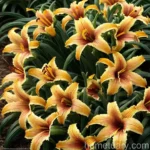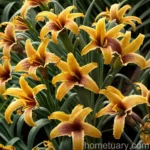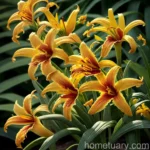
The Exquisite daylily (Hemerocallis ‘Little Business’)
Introduction
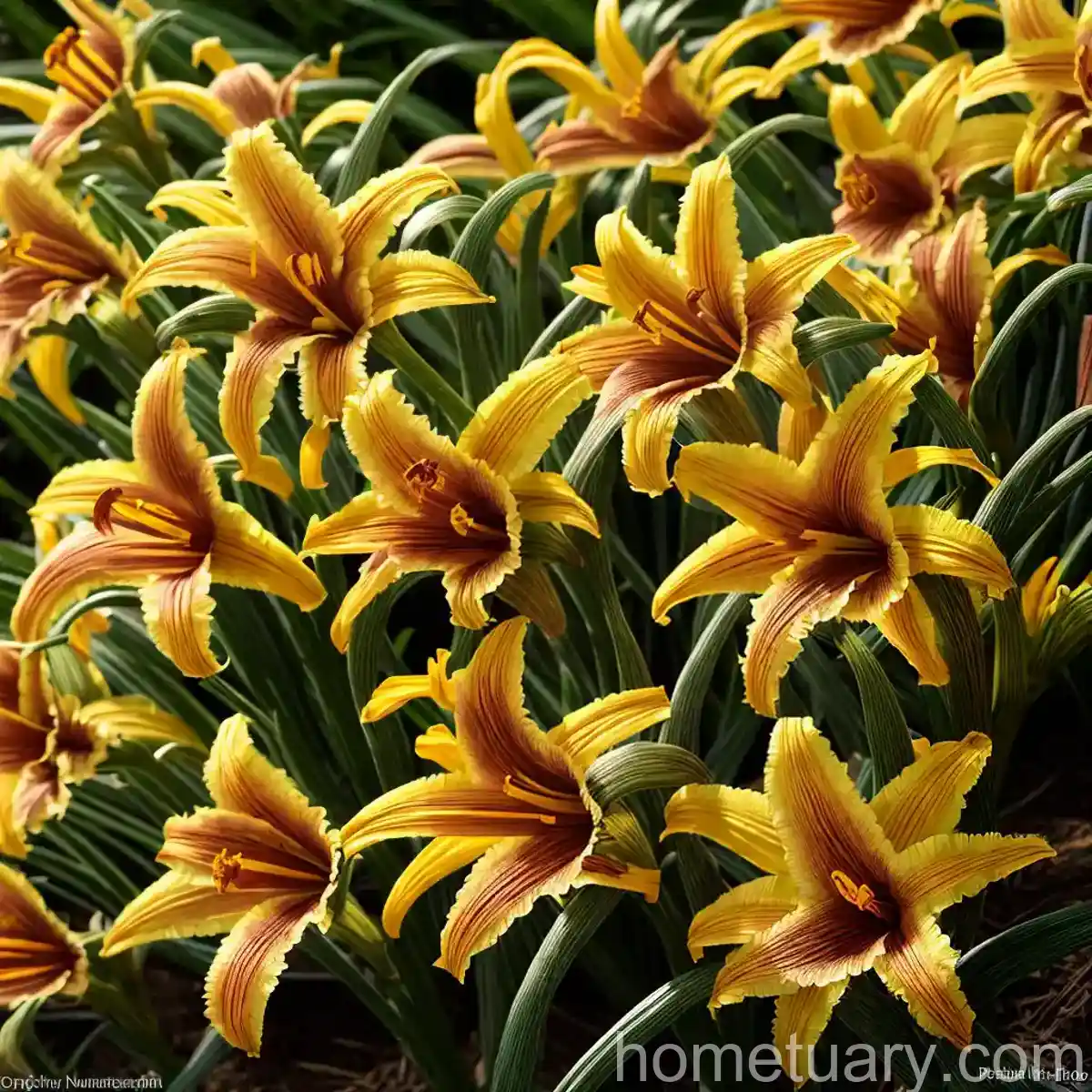
The daylily (Hemerocallis ‘Little Business’) is a stunning and popular flowering plant that captivates gardening enthusiasts with its delicate blooms and easy-care nature. This cultivar is known for its vibrant flowers and adaptability, making it an excellent choice for both beginner and experienced gardeners. In this comprehensive guide, we will delve into the characteristics, cultivation, and maintenance of the daylily (Hemerocallis ‘Little Business’), offering insights and tips for fostering its growth and enhancing its beauty in gardens and landscapes.
What is a daylily (Hemerocallis ‘Little Business’)?
The daylily (Hemerocallis ‘Little Business’) is a cultivar within the Hemerocallis genus, renowned for its exquisite flowers and resilient nature. This plant is a part of the family Liliaceae and is cherished for its captivating blossoms, which are often characterized by vibrant colors and intricate patterns.
Key Takeaways – daylily (Hemerocallis ‘Little Business’)
- Plant Name: Hemerocallis ‘Little Business’
- Plant Type: Perennial
- Color Palette: Various, including shades of yellow, orange, and red
- Sunlight Requirements: Full sun to partial shade
- Soil Preferences: Well-draining, loamy soil
- Watering Needs: Moderate
- Growth Habit: Clumping
- Bloom Time: Summer to early fall
- Mature Height: 18–24 inches
- Disease Resistance: Strong
- Companion Plants: Coreopsis, Salvia, Rudbeckia
Culture
Uses
The daylily (Hemerocallis ‘Little Business’) is a versatile plant with various uses, including:
- Ornamental Feature: Its vibrant flowers make it an excellent choice for adding color and visual interest to landscapes and gardens.
- Erosion Control: With its clumping growth habit, daylilies can be used to stabilize slopes and prevent soil erosion.
- Pollinator Attraction: The nectar-rich blooms of daylilies attract pollinators such as bees and butterflies, making them a valuable addition to pollinator-friendly gardens.
Water
Daylilies are relatively drought-tolerant once established, but they benefit from regular watering, especially during dry spells or periods of high heat. It is essential to provide sufficient moisture to newly planted daylilies to promote root establishment.
Sunlight
These plants thrive in full sun to partial shade, although they tend to produce the best blooms when grown in a location that receives at least six hours of direct sunlight per day.
Fertilizer
Applying a balanced, slow-release fertilizer in early spring before new growth emerges can help support the vigorous growth and prolific flowering of daylilies. Additionally, incorporating organic matter into the soil during planting can provide essential nutrients.
Soil
Daylilies prefer well-draining, loamy soil with a slightly acidic to slightly alkaline pH. Amending heavy or compacted soil with organic matter, such as compost or peat moss, can improve drainage and fertility.
Pruning
Pruning daylilies primarily involves removing spent flower stalks and old, yellowing leaves to maintain the plant’s aesthetic appeal and promote healthy growth. After the flowering season, trimming back the foliage to the base can rejuvenate the plant and prevent disease.
Propagation
Daylilies can be propagated through several methods, including division, seed sowing, and tissue culture. The most common and reliable method for propagating daylilies is division, which involves separating the plant’s rhizomes and replanting them to establish new clumps.
Container Popularity
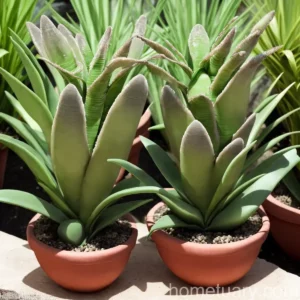
Daylilies are well-suited to container cultivation, offering individuals with limited garden space the opportunity to enjoy their stunning blooms on patios, balconies, and other outdoor areas. Cultivating daylilies in containers requires attention to watering, fertilization, and ensuring the pots have adequate drainage.
Common Diseases
Daylilies are generally resistant to most diseases, but they can occasionally experience issues such as:
- Crown Rot: Often caused by excessively wet soil, crown rot can lead to the deterioration of the plant’s crown and result in wilting and yellowing foliage.
- Leaf Streak: This fungal disease manifests as elongated brown lesions on the leaves, potentially causing aesthetic damage to the plant.
- Rust: Manifesting as orange-brown pustules on the undersides of leaves, rust can weaken the plant and detract from its visual appeal.
Disease Diagnosis
Recognizing and diagnosing diseases in daylilies involves carefully inspecting the plant for symptoms such as discolored or spotted leaves, as well as monitoring changes in growth and overall vitality. When identifying a potential disease issue, prompt action should be taken to mitigate its impact and prevent further spread.
Common Pests
While generally resilient to pests, daylilies can be susceptible to infestations from:
- Aphids: These small, soft-bodied insects can congregate on the undersides of leaves and cause damage by feeding on plant sap.
- Thrips: Thrips are tiny, slender insects that can cause distorted growth and stippling on the leaves of daylilies.
- Spider Mites: These minuscule arachnids can infest daylilies, causing discoloration and stippling on the foliage.
Control measures for pests may involve the use of insecticidal soaps, neem oil, or natural predators to maintain their populations within acceptable limits.
Botanist’s Tips
- When planting daylilies, ensure that the crown is positioned at or slightly above the soil level to prevent rot and encourage healthy growth.
- Dividing daylilies every few years can rejuvenate the plants and promote optimal flowering by preventing overcrowding and stimulating new growth.
- Regular deadheading of spent blooms can encourage the continuous production of flowers and maintain the plant’s attractive appearance throughout the growing season.
Fun Facts
- The botanical name Hemerocallis is derived from the Greek words “hēmera,” meaning “day,” and “kalos,” meaning “beautiful,” alluding to the plant’s individual flowers that often last only a day.
- Daylilies are not true lilies (genus Lilium) and belong to the Hemerocallis genus, which encompasses species known for their day-long blooms.
- The daylily is the official flower of the 20th wedding anniversary, symbolizing the resilience and longevity of marriage.
Links to External Resources
For further information on daylilies and Hemerocallis ‘Little Business,’ explore the following resources:
- American Daylily Society
- The Daylily Hybridizer’s Guide
- Hemerocallis Culture
- University of Illinois Extension – Daylilies
As a plant scientist, I am incessantly fascinated by the diversity and adaptability of plants, and daylilies exemplify these traits with their remarkable beauty and resilience. I hope that this comprehensive guide provides valuable insights for cultivating and appreciating the captivating daylily (Hemerocallis ‘Little Business’). Whether you are a seasoned gardener or a novice plant enthusiast, incorporating daylilies into your landscape can undoubtedly bring joy and vibrancy to your outdoor spaces.