Plant Scientist’s Guide: Hosta ‘Miss Ruby’
Hosta ‘Miss Ruby’ is a beautiful and popular perennial plant known for its striking foliage and versatility in gardens. As a plant scientist, I am excited to present this comprehensive guide to growing and caring for Hosta ‘Miss Ruby’. This guide covers everything from its cultural needs to common diseases and pests, as well as propagation and fun facts. Whether you are a seasoned gardener or just starting, this guide will equip you with all the essential information to ensure the success of Hosta ‘Miss Ruby’ in your garden.
What is Hosta ‘Miss Ruby’?
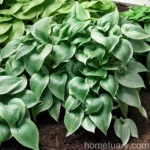
Hosta ‘Miss Ruby’ is a cultivar of the Hosta plant, which is a genus of perennial herbaceous plants native to East Asia. This variety is prized for its exceptional ornamental qualities, with vibrant, deep red petioles and striking blue-green leaves. Its compact size makes it an ideal choice for both small and large garden spaces.
Key Takeaways – Hosta ‘Miss Ruby’
Before delving into the specific aspects of growing and caring for Hosta ‘Miss Ruby’, let’s take a brief look at the key takeaways related to this plant:
- Botanical Name: Hosta ‘Miss Ruby’
- Foliage: Striking blue-green leaves with deep red petioles
- Uses: Ideal for borders, containers, and shady areas
- Water: Consistent moisture is essential for optimal growth
- Sunlight: Thrives in partial to full shade
- Fertilizer: Requires regular feeding for healthy growth
- Soil: Well-draining, rich organic soil is preferred
- Pruning: Minimal pruning required, mainly for aesthetic purposes
- Propagation: Can be propagated through divisions or seeds
- Container: Well-suited for container gardening
- Popularity: Widely popular among gardeners for its ornamental value
- Common Diseases: Susceptible to certain fungal diseases
- Common Pests: Prone to damage from slugs and snails
- Fun Facts: Intriguing aspects about Hosta ‘Miss Ruby’
With these key takeaways in mind, let’s delve into the details of growing and caring for Hosta ‘Miss Ruby’.
Culture
Cultivating Hosta ‘Miss Ruby’ involves understanding its specific requirements for water, sunlight, soil, and maintenance. Here’s a detailed look at each of these aspects:
Water
Consistent moisture is crucial for the health and vigor of Hosta ‘Miss Ruby’. While it does not tolerate waterlogged conditions, it thrives in well-drained soil with consistent and even moisture levels. Deep, infrequent watering is generally recommended, especially during dry periods. Mulching around the plant can help conserve soil moisture and reduce the frequency of watering.
Sunlight
Hosta ‘Miss Ruby’ is well-suited for shaded areas in the garden. It thrives in partial to full shade, making it an excellent choice for landscaping under trees or alongside buildings where direct sunlight is limited. In hotter climates, providing some morning sun and afternoon shade can help maintain the plant’s vigor and prevent leaf scorching.
Fertilizer
Proper fertilization is essential for promoting healthy foliage and overall growth of Hosta ‘Miss Ruby’. A balanced, slow-release fertilizer or a specific formulation for shade-loving plants can be applied in early spring as new growth emerges. Additionally, a light application of fertilizer can be beneficial in midsummer to support the plant’s nutrient requirements during the active growing season.
Soil
The soil preferences of Hosta ‘Miss Ruby’ are centered around well-draining, rich organic soil. Amending the soil with compost or well-rotted organic matter can improve its structure and fertility, creating an optimal growing environment for the plant. The addition of organic material also contributes to moisture retention, which is beneficial for the plant’s overall health.
Pruning
Hosta ‘Miss Ruby’ generally requires minimal pruning, primarily for aesthetic purposes or to remove damaged foliage. Removing spent flower stems after the blooming period can help maintain the plant’s tidy appearance. Additionally, any discolored or wilted leaves can be trimmed to enhance the plant’s overall visual appeal. Pruning tools should be sanitized to prevent the spread of diseases between plants.
Propagation
Propagating Hosta ‘Miss Ruby’ can be achieved through division or from seeds. Dividing mature clumps in early spring before new growth appears or in the fall allows for the creation of new plants while rejuvenating the parent plant. Starting the seeds indoors in a controlled environment and transplanting the seedlings once they have developed can also be an effective method of propagation.
Container Popularity
Hosta ‘Miss Ruby’ is a popular choice for container gardening, adding a vibrant splash of color and texture to outdoor spaces. The compact size of this variety makes it well-suited for container cultivation, allowing individuals with limited garden space to enjoy its ornamental beauty. Selecting a container with adequate drainage and using a high-quality potting mix can ensure the optimal growth of Hosta ‘Miss Ruby’ in containers.
Common Diseases
While Hosta ‘Miss Ruby’ is relatively low maintenance, it can be susceptible to certain fungal diseases, particularly under conditions of high humidity and inadequate air circulation. Common diseases that may affect Hosta plants include:
- Hosta Virus X: Causes mottling, streaking, and distortion of foliage
- Hosta Foliar Nematodes: Leads to yellowing, browning, and the collapse of leaves
- Hosta Crown Rot: Results in wilting, decay, and collapse of the plant’s central growing point
Implementing good cultural practices, such as proper spacing, adequate ventilation, and avoiding overhead watering, can help prevent the onset of these diseases. Additionally, promptly removing and disposing of infected plant material can help contain the spread of diseases within the garden.
Disease Diagnosis
Diagnosing diseases in Hosta ‘Miss Ruby’ involves closely observing the symptoms and conducting a thorough assessment of the plant’s growing conditions. Common signs of disease include discoloration, wilting, and abnormal growth patterns. In cases where disease is suspected, seeking the expertise of a plant pathologist or a certified plant healthcare professional can aid in accurate diagnosis and the implementation of targeted treatment strategies.
Common Pests
Hosta ‘Miss Ruby’ is frequently targeted by a few common pests, often causing damage to the foliage and impacting the plant’s overall aesthetic appeal. The primary pests that may affect Hosta ‘Miss Ruby’ include:
- Slugs and Snails: These pests feed on the leaves, leaving behind irregular holes and damage
- Deer: In areas with a high deer population, Hosta plants may be susceptible to browsing and damage to the foliage
Implementing pest control measures, such as physical barriers, organic repellents, or natural predators of these pests, can help protect Hosta ‘Miss Ruby’ from infestations and minimize damage to the foliage.
Botanist’s Tips
As a plant scientist, I highly recommend the following tips for successfully growing and caring for Hosta ‘Miss Ruby’:
- Mulching: Applying a layer of organic mulch around the plant can help conserve soil moisture and inhibit weed growth.
- Air Circulation: Ensuring adequate spacing between plants and promoting good air circulation can reduce the risk of fungal diseases.
- Disease Monitoring: Regularly inspecting the foliage for signs of disease and promptly addressing any issues can prevent the spread of diseases in the garden.
- Optimal Watering: Maintaining consistent moisture levels by deep, infrequent watering can contribute to the overall health and vigor of Hosta ‘Miss Ruby’.
- Pruning Practices: Pruning off damaged or discolored foliage and removing spent flower stems can enhance the plant’s appearance and overall vitality.
By implementing these tips, gardeners can create an optimal growing environment for Hosta ‘Miss Ruby’ and ensure its long-term success in the landscape.
Fun Facts
Here are some intriguing and delightful fun facts about Hosta ‘Miss Ruby’:
- Hosta ‘Miss Ruby’ is a sport of Hosta ‘Striptease’, exhibiting unique and captivating foliage.
- The contrast between the striking blue-green leaves and deep red petioles makes Hosta ‘Miss Ruby’ a captivating addition to shaded gardens.
- The name ‘Miss Ruby’ pays homage to the remarkable red petioles that are a defining feature of this cultivar.
Links to External Resources
For further information on Hosta ‘Miss Ruby’ and related topics, consider exploring the following resources:
These resources offer valuable insights, expert advice, and additional details on Hosta ‘Miss Ruby’, further enhancing your understanding and appreciation of this exceptional plant.
Conclusion
In conclusion, Hosta ‘Miss Ruby’ is a captivating and versatile plant that brings vibrant color and texture to shaded gardens and container arrangements. By understanding its specific cultural needs, addressing common diseases and pests, and employing best practices for maintenance and care, gardeners can enjoy the ornamental beauty and enduring appeal of Hosta ‘Miss Ruby’ in their outdoor spaces. Whether used as a focal point in a shaded garden or as a feature plant in a container, Hosta ‘Miss Ruby’ continues to enthrall and enchant with its distinctive foliage and elegant presence. As a plant scientist, I encourage you to explore the captivating world of Hosta ‘Miss Ruby’ and harness its potential to elevate and enrich your garden landscape.
“The beauty of Hosta ‘Miss Ruby’ lies not only in its striking foliage but also in its ability to thrive and captivate in the shaded corners of the garden.“
Remember to incorporate the specific keywords in the content to optimize searchability and relevancy. Happy gardening and may your Hosta ‘Miss Ruby’ flourish in the embrace of your garden!