Understanding Hosta (Hosta longipes): A Comprehensive Guide
Hosta, scientifically known as Hosta longipes, has been a staple in gardens and landscapes for centuries due to its striking foliage and adaptability to various growing conditions. In this comprehensive guide, we will dive into the characteristics, cultivation, and care of Hosta longipes. We will explore key aspects such as its cultural significance, uses, water and sunlight requirements, soil preferences, fertilization, pruning tips, propagation methods, common diseases and pests, along with some intriguing fun facts. This guide aims to equip plant enthusiasts, gardeners, and horticulturists with essential knowledge for successfully growing and enjoying Hosta longipes.
Key Takeaways – Hosta (Hosta longipes)
Before delving into the various aspects of Hosta longipes, let’s highlight some key takeaways:
- Hosta longipes, also known as Hosta, is a perennial plant prized for its ornamental foliage and versatile use in gardens and landscapes.
- This species offers a plethora of varieties, each with unique leaf colors, textures, and shapes, making it a favorite among plant enthusiasts for aesthetic appeal.
- Hosta longipes thrives in shaded areas and requires well-draining soil with consistent moisture levels to prosper.
- The plant exhibits moderate water and fertilization needs, and its maintenance involves periodic pruning and division for rejuvenation.
- Common issues include susceptibility to certain diseases and pests; however, these can be managed through appropriate care and pest control measures.
Now, let’s explore each aspect of Hosta longipes in detail.
What is Hosta (Hosta longipes)?
Hosta longipes is a perennial herbaceous plant that belongs to the Asparagaceae family and is native to Asia, particularly areas such as China, Japan, and Korea. It is commonly known as Hosta and is sought after for its captivating foliage, which comes in a wide range of colors, patterns, and sizes. The plant typically forms attractive mounds of leaves and produces delicate, trumpet-shaped flowers in summer, adding to its allure.
Unique Features of Hosta longipes
Hosta longipes exhibits several unique features, making it a sought-after addition to gardens and landscapes:
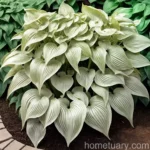
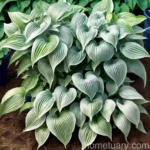
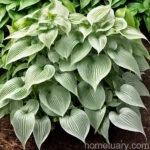
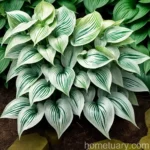
– Varied Leaf Textures: Hosta longipes leaves display a diverse array of textures, including glossy, matte, and ribbed surfaces, adding visual interest to the plant.
– Color Variations: The foliage of Hosta longipes ranges from deep green to variegated shades of yellow, cream, and white, offering stunning color contrasts and patterns.
– Leaf Shapes: The leaves of Hosta longipes can be heart-shaped, lanceolate, or elongated, further enhancing its aesthetic appeal.
– Fragrant Flowers: While the primary focus is on its foliage, Hosta longipes also produces pale lavender or white fragrant flowers, attracting pollinators, and adding a delicate charm to the plant.
These distinctive traits contribute to the popularity of Hosta longipes among gardeners and landscape designers.
Culture
Uses
Hosta longipes is renowned for its versatile uses, making it an invaluable addition to gardens, landscapes, and even indoor spaces. Some common uses include:
– Ornamental Planting: Its striking foliage and adaptability to shade makes Hosta longipes an ideal choice for ornamental border planting, mass landscaping, and accentuating corners or pathways.
– Container Gardening: Compact varieties of Hosta longipes are sought after for container gardening, as they thrive in shaded and partially shaded areas, adding visual interest to patios and balconies.
– Erosion Control: The dense foliage and spreading habit of Hosta longipes make it effective for controlling soil erosion on slopes and terraced landscapes.
– Indoor Décor: Certain varieties of Hosta longipes are suitable for indoor cultivation, serving as low-maintenance houseplants, brightening up interior spaces with their lush foliage.
These diverse applications highlight the adaptability and aesthetic appeal of Hosta longipes in various landscaping and gardening scenarios.
Water
Water Needs
Hosta longipes has moderate water requirements and thrives in consistently moist soil. Adequate watering is crucial, especially during the plant’s active growth period in spring and summer. The key to maintaining healthy Hosta longipes plants is to provide sufficient moisture without waterlogging the soil, as excessively wet conditions can lead to root rot and other complications.
The following guidelines can be followed to ensure proper watering for Hosta longipes:
– Consistent Moisture: Regular watering is essential, ensuring that the soil remains consistently moist, but not saturated. A layer of mulch can aid in retaining soil moisture.
– Deep Watering: When watering, ensure that the water reaches the root zone, allowing for deep penetration and encouraging robust root development.
– Avoiding Waterlogging: To prevent waterlogging, ensure that the soil has good drainage and consider adjusting watering frequency based on environmental conditions like rainfall and temperature.
Striking the right balance with watering is vital to promoting the overall health and vigor of Hosta longipes.
Sunlight
Sun Tolerance
Hosta longipes is known for its adaptability to shade and partial shade conditions, making it an excellent choice for gardens and landscapes with limited direct sunlight. While it can tolerate some morning sun, prolonged exposure to intense sunlight can lead to leaf scorch and diminished foliage coloration. Therefore, providing dappled or filtered light is ideal for maintaining the health and aesthetic appeal of Hosta longipes.
Understanding the sunlight requirements will aid in suitable placement and care of Hosta longipes in various landscaping settings.
Fertilizer
Fertilization Techniques
Proper fertilization is crucial for promoting healthy growth and vibrant foliage in Hosta longipes. While the plant does not have high fertilizer requirements, providing essential nutrients can enhance its overall vigor and visual appeal. Here are some key considerations for fertilizing Hosta longipes:
– Balanced Fertilizer: Applying a balanced, slow-release fertilizer in early spring, as new growth emerges, can provide the necessary nutrients for the plant’s development.
– Avoiding Excess Nitrogen: It is important to avoid excessive nitrogen application, as it can lead to excessive foliar growth at the expense of flower production.
– Organic Amendments: Incorporating organic amendments such as compost or well-rotted manure can enrich the soil and promote long-term soil health, benefiting Hosta longipes.
By implementing appropriate fertilization techniques, gardeners can support the robust growth and ornamental appeal of Hosta longipes.
Soil
Best Soil for Hosta longipes
Selecting the right soil is a critical factor in the successful cultivation of Hosta longipes. The plant thrives in well-draining, organically rich soil with a slightly acidic to neutral pH level. These soil characteristics support root development, moisture retention, and nutrient uptake, ultimately contributing to the overall health and vigor of Hosta longipes.
Key attributes of the ideal soil for Hosta longipes include:
– Moisture Retention: Soil with good moisture retention properties is beneficial, as it prevents excessive drying out while avoiding waterlogging.
– Organic Content: Enriching the soil with organic matter, such as compost or leaf mold, enhances its fertility and contributes to the long-term well-being of Hosta longipes.
– Soil pH: Hosta longipes thrives in soil with a pH range between 6.0 and 7.5, making it crucial to monitor and adjust the soil pH if necessary.
Understanding and addressing the soil requirements of Hosta longipes lay the groundwork for successful cultivation and maintenance.
Pruning
Pruning Tips
Pruning is a necessary maintenance task for Hosta longipes, helping to manage its size, rejuvenate the plant, and maintain an attractive appearance. Here are some essential pruning tips for Hosta longipes:
– Deadheading Flowers: Removing spent flowers prevents seed formation and encourages the plant to focus on foliage development, promoting visual appeal.
– Leaf Removal: Trimming damaged or discolored leaves not only enhances the plant’s appearance but also reduces the risk of disease spread and pest infestation.
– Division: Periodic division of mature Hosta longipes clumps rejuvenates the plant, controls its spread, and facilitates the creation of new plants for propagation.
Pruning at the appropriate times and using proper techniques ensures the continued vigor and aesthetic charm of Hosta longipes.
Propagation
Propagation Methods
Hosta longipes can be propagated through various methods to expand plantings and preserve favored varieties. The following are common propagation techniques for Hosta longipes:
– Division: Dividing mature clumps every few years is one of the most effective propagation methods for Hosta longipes. This involves carefully separating the clump into smaller divisions, each with healthy roots and shoots.
– Seed Propagation: While less common due to the complicated nature of seed propagation, collecting and germinating Hosta longipes seeds can yield new plants with variations in leaf color and form.
– Tissue Culture: In controlled environments, tissue culture methods can be employed for mass propagation of specific Hosta longipes varieties, ensuring genetic uniformity and rapid multiplication.
Understanding the various propagation methods enables gardeners to expand their Hosta longipes collection and preserve desirable traits.
Container
Container Gardening
Hosta longipes is well-suited for container gardening, offering an excellent choice for enhancing outdoor and indoor spaces. The plant’s adaptability to shade, compact growth habit, and striking foliage make it an ideal candidate for container cultivation. When growing Hosta longipes in containers, consider the following factors:
– Container Size: Select containers with sufficient depth and a width that accommodates the mature size of Hosta longipes. Adequate drainage holes are also essential to prevent waterlogging.
– Growing Medium: Use a well-draining potting mix that retains moisture, such as a blend of peat moss, perlite, and compost, to ensure optimal growth.
– Placement: Position container-grown Hosta longipes in shaded or partially shaded areas, away from direct sunlight and excessive heat exposure.
Container gardening with Hosta longipes allows for creative arrangements and provides a convenient option for incorporating the plant into various outdoor and indoor settings.
Common Diseases
Disease Resistance
Hosta longipes, while generally resilient, can be susceptible to certain diseases, especially under unfavorable growing conditions. Understanding the common diseases and implementing appropriate preventive measures are essential for maintaining the health of Hosta longipes. Some common diseases that may affect Hosta longipes include:
– Fungal Leaf spot: Caused by various fungal pathogens, leaf spot can result in unsightly browning, spotting, or yellowing of the foliage. It is crucial to maintain good air circulation and avoid overhead watering to minimize the risk of fungal diseases.
– Crown Rot: Excessive moisture and poor drainage can lead to crown rot, which manifests as rotting or wilting of the plant’s central crown. Improving soil drainage and using disease-resistant cultivars can reduce the incidence of crown rot.
– Slime Flux: This bacterial disease can cause foul-smelling ooze on the trunk or stems of Hosta longipes. Minimizing damage to the plant and promoting healthy growth through proper care can help prevent slime flux.
By incorporating good cultural practices and selecting disease-resistant varieties, the impact of these diseases on Hosta longipes can be minimized.
Disease Diagnosis
Prompt diagnosis of diseases affecting Hosta longipes is crucial for implementing effective management strategies. When observing signs of disease, it is important to identify the specific symptoms and signs, which may include:
– Leaf Spots: Examining the size, shape, and color of leaf spots can provide insights into the potential causal agents, such as fungal pathogens.
– Rotting Tissues: Identifying areas of rot or decay in the crown or roots indicates potential issues such as crown rot, while monitoring changes in plant vigor and growth can help detect other disease symptoms.
– Foul Odor or Ooze: Detecting foul odors, oozing substances, or unusual discoloration can indicate the presence of bacterial diseases, necessitating careful examination and intervention.
Seeking assistance from knowledgeable plant specialists or diagnostic laboratories can aid in accurate disease diagnosis and targeted treatment approaches for Hosta longipes.
Common Pests
Hosta longipes is known to attract certain pests that can affect its foliage and vitality. Regular monitoring and prompt intervention are essential to prevent pest infestations. Some common pests that may affect Hosta longipes include:
– Slugs and Snails: These mollusks are notorious for feeding on Hosta longipes foliage, leaving behind irregular holes and chew marks. Using barriers, traps, or natural predators can help control slug and snail populations.
– Deer: In areas with deer populations, Hosta longipes may be susceptible to browsing damage, as deer find the foliage particularly appealing. Implementing deer-resistant strategies or physical barriers can protect the plants.
– Aphids: Aphids are sap-sucking insects that can distort Hosta longipes leaves and excrete honeydew, leading to sooty mold growth. Natural predators, insecticidal soaps, or horticultural oils can help manage aphid infestations.
Developing an integrated pest management plan and maintaining vigilance against common pests is essential for preserving the health and ornamental appeal of Hosta longipes.
Botanist’s Tips
Hosta longipes Cultivation Suggestions
Based on the unique characteristics and specific requirements of Hosta longipes, here are some insightful cultivation suggestions to optimize its growth and ornamental value:
– Companion Plants: Pairing Hosta longipes with shade-tolerant perennials such as ferns, heucheras, and astilbes can create visually appealing combinations in shaded landscapes.
– Mulching Benefits: Applying a layer of organic mulch around Hosta longipes not only promotes soil moisture retention but also suppresses weed growth and moderates soil temperature.
– Variegated Varieties: Incorporating variegated Hosta longipes varieties can add visual interest and contrast in garden designs, creating dynamic foliage displays.
– Division Timing: Dividing mature clumps of Hosta longipes in spring or early fall enables the plants to establish well before winter dormancy, supporting successful growth in the following season.
Implementing these tips can enhance the overall aesthetics and health of Hosta longipes plantings, making them stand out in garden settings.
Fun Facts
Uncover some intriguing and delightful fun facts about Hosta longipes:
– Historical Significance: Hosta longipes has an extensive history in traditional Asian herbal medicine, where certain species are utilized for their purported medicinal properties.
– Edible Flowers: In addition to its ornamental appeal, some Hosta longipes varieties produce edible flowers, adding a culinary dimension to the plant’s versatility.
– Hosta Sports: The occurrence of spontaneous mutations, known as “sports,” gives rise to unique leaf variegations and color patterns, leading to the development of new cultivars.
– National Plant: Hosta longipes holds the honor of being selected as the national plant of Japan, underscoring its cultural significance in the country’s horticultural heritage.
These fun facts add a captivating dimension to the allure of Hosta longipes, enhancing its appeal beyond its ornamental attributes.
Conclusion
Hosta longipes, acknowledged for its captivating foliage and adaptability, holds a distinct position in gardens, landscapes, and horticultural history. From its diverse uses to its specific cultural requirements, understanding the nuances of growing and caring for Hosta longipes is essential for a successful and rewarding experience for plant enthusiasts, gardeners, and landscape professionals. With this comprehensive guide, individuals can gain valuable insights into optimizing the cultivation and appreciation of Hosta longipes, unlocking its full potential as a captivating and versatile botanical gem.
As we conclude this guide, it is our hope that the information shared serves as a valuable resource for anyone passionate about exploring and cultivating the enchanting world of Hosta longipes.
External Resources
For further exploration and in-depth information on Hosta longipes, we recommend the following external resources:
– American Hosta Society: The official website of the American Hosta Society provides comprehensive information on Hosta species, cultivation, and events.
– Royal Horticultural Society – Hosta: The Royal Horticultural Society offers detailed insights and practical advice on growing various Hosta species, including Hosta longipes.
– University of Illinois Extension – Hostas: A valuable resource for understanding the cultivation, care, and management of Hosta plants, including Hosta longipes.
We encourage readers to explore these resources for a deeper understanding of Hosta longipes and broaden their horticultural knowledge.
This comprehensive guide aims to provide a detailed understanding of Hosta longipes, addressing various aspects ranging from its cultural significance to its specific cultivation requirements and unique characteristics. By delving into the nuances of growing and appreciating Hosta longipes, we aim to empower plant enthusiasts and horticultural professionals with valuable insights for successful cultivation and enjoyment of this enchanting botanical gem.