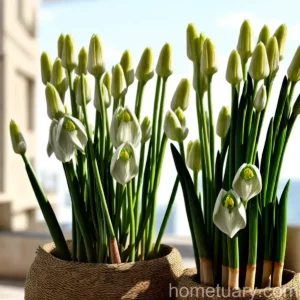
Plant Name: “Hosta (Hosta ‘White Feather’)”
Introduction to Hosta (Hosta ‘White Feather’)
Hosta plants belong to the family Asparagaceae and are popular for their attractive foliage and low-maintenance nature. With over 70 species and thousands of cultivars, hostas are adored by gardeners for their versatility in different garden settings and climates. One such beloved cultivar is the Hosta ‘White Feather’, known for its stunning variegated foliage that adds a touch of elegance to any garden.
Key Takeaways – Hosta (Hosta ‘White Feather’)
Before delving into the specifics of growing and caring for the Hosta ‘White Feather’, let’s highlight some key takeaways about this delightful plant:
- Hosta ‘White Feather’ boasts striking variegated foliage, making it an excellent choice for adding visual interest to gardens.
- This cultivar is low-maintenance and suitable for various landscape and garden designs.
- It thrives in shaded areas, making it a perfect option for creating vibrant gardens in locations with limited sunlight.
Now, let’s explore the various aspects of the Hosta ‘White Feather’ in detail, including its culture, uses, care requirements, and more.
Culture of Hosta (Hosta ‘White Feather’)
Understanding the cultural requirements of Hosta ‘White Feather’ is crucial for ensuring its healthy growth and vibrant foliage.
Water
Hostas, including the ‘White Feather’ variety, prefer consistent moisture without being waterlogged. Adequate watering is essential, particularly during dry spells, to maintain the plant’s lush appearance. When watering, ensure that the soil is moist but not soggy, as excessive water retention can lead to root rot and other issues.
- The ideal way is to water the plants deeply, delivering about 1 inch of water per week, especially during periods of minimal rainfall or high temperatures.
- Using mulch around the plant can help retain soil moisture, reducing the frequency of watering.
Sunlight
Hostas are renowned for their tolerance to shade, and the ‘White Feather’ variety is no exception. In fact, they thrive in partial to full shade, making them excellent choices for areas of the garden that receive limited sunlight. However, it’s important to note that some hosta varieties are more tolerant of sun exposure, but in general, they prefer shaded environments.
- When planting Hosta ‘White Feather’, select locations with dappled sunlight or areas that receive indirect light to ensure optimal growth and vibrant foliage.
Fertilizer
Proper nutrition is vital for the health and vigor of Hosta ‘White Feather’. Fertilizing the plant provides essential nutrients that contribute to robust growth and stunning foliage.
- Apply a balanced, slow-release fertilizer in early spring to support the plant’s initial growth. Repeat fertilization in late spring or early summer to sustain the plant throughout the growing season.
- Using a fertilizer with a higher nitrogen content can promote lusher foliage, enhancing the visual appeal of Hosta ‘White Feather’.
Soil
Hostas, including the ‘White Feather’ variety, thrive in well-draining, rich soil. Amending the soil with organic matter, such as compost or peat moss, improves its texture and fertility, creating an ideal environment for hosta growth.
- Aim for a slightly acidic to neutral soil pH (approximately 6.0 to 7.5) to support optimal nutrient uptake and overall plant health.
- Regularly testing the soil’s pH and fertility levels can help in determining the need for any necessary amendments.
Pruning Hosta ‘White Feather’
Pruning hostas, including the ‘White Feather’ variety, is a simple yet essential aspect of their care. Proper pruning helps maintain the plant’s aesthetic appeal and promotes healthy growth.
- Remove any discolored, damaged, or withered leaves as part of regular maintenance. This not only enhances the plant’s appearance but also prevents the spread of diseases.
- Clearing away dead foliage and debris from the base of the plant reduces the risk of pests and diseases, contributing to the overall health of Hosta ‘White Feather’.
- In regions experiencing frost, it is advisable to cut back the foliage in late fall or early winter once the leaves have died back. This practice facilitates new growth in the subsequent season.
Propagation of Hosta ‘White Feather’
Propagating Hosta ‘White Feather’ allows for the expansion of these beautiful plants in the garden or the sharing of divisions with fellow gardening enthusiasts. There are several methods for propagating hostas, and each has its unique benefits.
Division
Dividing hostas is a popular and effective way to propagate them. This method involves separating the plant into smaller sections, each with its own roots and growing points, and replanting them in desired locations.
- In early spring or fall, carefully dig up the hosta clump, ensuring to preserve its root system. Divide the clump into smaller sections, ensuring that each division has healthy roots and foliage.
- Replant the divisions in prepared soil enriched with organic matter, providing adequate water and care to support their establishment and growth.
Hosta ‘White Feather’ in Containers
While hostas are typically grown in garden beds, they can also thrive in containers, allowing for their inclusion in various outdoor and indoor settings.
Popularity in Containers
The versatility and aesthetic appeal of hostas, including the ‘White Feather’ variety, make them popular choices for container gardening. Their adaptation to container growth enables gardeners to adorn patios, balconies, and other outdoor spaces with lush, variegated foliage.
- Pairing Hosta ‘White Feather’ with other shade-tolerant plants in containers can create captivating displays, adding visual interest to shaded areas and complementing outdoor living spaces.
Common Diseases and Disease Diagnosis
Common Diseases
Hostas, including the ‘White Feather’ variety, are susceptible to certain diseases and infections that can affect their overall health and appearance. Being able to identify and address these diseases promptly is crucial for maintaining vibrant and robust plants.
Leaf Spot
Leaf spot is a common fungal disease that can affect hostas, causing small, round or irregularly shaped spots on the leaves. These spots may appear brown, yellow, or off-color, contributing to a diminished aesthetic appeal of the plant.
- Proper sanitation, including the removal of infected foliage and debris, and enhancing air circulation around the plants can help prevent or minimize the occurrence of leaf spot.
- Fungicidal treatments may be necessary if the disease persists or intensifies, particularly during periods of prolonged moisture.
Crown Rot
Crown rot, often caused by soil-borne pathogens, poses a significant threat to hostas, leading to wilting, browning, and eventual death of the plant.
- Ensuring proper drainage, especially in areas with heavy or compacted soil, is essential for preventing crown rot. Amending the soil with organic matter to improve its structure and drainage can be beneficial.
- Promptly removing and disposing of infected plants, including the surrounding soil, can help prevent the spread of crown rot to healthy hostas.
Slugs and Snails
While not diseases in the traditional sense, slugs and snails are common pests that can cause significant damage to hostas, particularly in moist and shaded environments.
- Employing physical barriers, such as copper tape or diatomaceous earth, can deter slugs and snails from reaching the hostas.
- Applying organic or chemical-based slug and snail baits can effectively control these pests, safeguarding the hostas from unsightly damage.
Botanist’s Tips for Hosta (Hosta ‘White Feather’)
Fun Facts
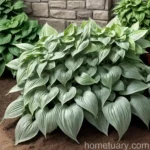
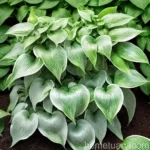
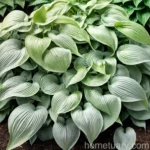
- Hosta ‘White Feather’ is prized for its distinct variegated foliage, featuring deep green leaves adorned with striking white margins. This unique contrast adds an elegant touch to gardens and landscapes.
- Hostas are often referred to as “plantain lilies,” though they are not related to the true lily (Lilium) family. This nickname stems from the resemblance of their foliage to that of the plantain herb.
Hosta ‘White Feather’ Foliage Details
The foliage of Hosta ‘White Feather’ is particularly captivating, featuring broad, heart-shaped leaves with prominent veining and an exquisite variegation pattern.
- The deep green coloration of the leaves provides a rich backdrop for the bold white margins, creating a visually striking display in shaded areas.
- The size of the foliage can vary based on the plant’s age and growing conditions, with mature specimens often showcasing larger leaves that contribute to a lush and vibrant appearance.
Links to External Resources
For further details on hosta cultivation, care, and landscaping ideas, consider exploring the following resources:
- American Hosta Society- Official Website – American Hosta Society
- The Hosta Library – Comprehensive Hosta Information – The Hosta Library
- Royal Horticultural Society (RHS) – Hosta Planting and Care Guide – RHS Hosta Guide
- University of Minnesota Extension – Growing Hostas in the North – UMN Hosta Guide
- The Hosta Helper – Cultivar and Gardening Information – The Hosta Helper
Hostas, and the ‘White Feather’ variety in particular, are cherished for their beauty, adaptability, and ease of care. Whether used as accents in shaded borders, as part of container displays, or as vibrant ground covers, Hosta ‘White Feather’ adds an element of charm and sophistication to diverse garden settings.
Conclusion
In conclusion, the Hosta ‘White Feather’ stands out as an exceptional choice for gardeners seeking an elegant and low-maintenance plant that excels in shaded environments. With its captivating variegated foliage, adaptability to container growth, and resistance to pests and diseases, this cultivar embodies the allure and versatility of hostas.
By understanding and implementing the recommended cultural practices, such as proper watering, fertilization, and pruning, gardeners can cultivate thriving and visually stunning Hosta ‘White Feather’ specimens. Furthermore, being mindful of common diseases and practical pest control measures is integral to maintaining the plant’s health and longevity.
As a parting thought, consider incorporating Hosta ‘White Feather’ into your garden or landscape, whether as a focal point, border accent, or part of a dynamic container display. The beauty and resilience of this cultivar are certain to enhance the aesthetic appeal of any outdoor space, inviting admiration and appreciation from all who encounter its enchanting foliage.