The Beautiful Foamy Bells (Heucherella ‘Dayglow Pink’)
Understanding the Exquisite Beauty of Foamy Bells
As a plant scientist, I am enthralled by the diversity and beauty of plants, and one particular favorite of mine is the foamy bells, scientifically known as Heucherella ‘Dayglow Pink’. This stunning perennial, also known as “foamy bells”, brightens up gardens with its vibrant foliage and delicate flowers. In this comprehensive guide, we will delve into the fascinating world of foamy bells, exploring its characteristics, ideal growing conditions, care tips, landscaping ideas, and much more.
What is foamy bells (Heucherella ‘Dayglow Pink’)?
The foamy bells (Heucherella ‘Dayglow Pink’) is a charming hybrid plant resulting from a cross between two genera, Heuchera and Tiarella. This enchanting perennial is renowned for its stunning foliage and dainty blooms, making it a popular choice for gardeners looking to add color and texture to their outdoor spaces.
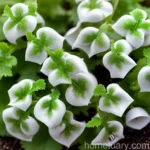
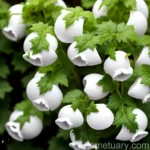
The Heucherella ‘Dayglow Pink’ features vibrant leaves, with a vibrant pinkish hue that adds a pop of color to gardens. Its delicate, foamy-like flowers further enhance its allure, creating an ethereal ambiance in any garden setting. With its compact growth habit and versatile nature, foamy bells are an excellent choice for a range of landscaping applications, from borders and edging to container gardening and ground cover.
Characteristics of Foamy Bells (Heucherella ‘Dayglow Pink’)
The foamy bells (Heucherella ‘Dayglow Pink’) boast several distinctive characteristics that make them a sought-after addition to gardens and landscapes. Some key features of this captivating perennial include:
- Vibrant, pinkish-hued foliage that adds a splash of color to gardens.
- Delicate, foamy-like flowers that adorn the plant, lending an ethereal beauty.
- Compact growth habit, ideal for various landscaping applications.
- Adaptable nature, thriving in diverse environmental conditions.
- Attractive to pollinators, making it a valuable addition to wildlife gardens.
- Low-maintenance requirements, perfect for both novice and experienced gardeners.
Growing Foamy Bells (Heucherella ‘Dayglow Pink’) – Key Considerations
To cultivate healthy and thriving foamy bells (Heucherella ‘Dayglow Pink’), it’s essential to understand their specific growing requirements. From sunlight and water needs to soil preferences and pruning practices, each aspect plays a crucial role in ensuring the optimal growth and development of these alluring perennials.
Culture
The foamy bells (Heucherella ‘Dayglow Pink’) are a delight to grow, thanks to their adaptability and relatively undemanding nature. They thrive in a variety of environments, from traditional garden beds to containers, making them a versatile choice for gardeners with diverse landscaping preferences. Whether used as a ground cover, border plant, or a stunning focal point in a container, foamy bells add a touch of elegance to any setting.
Uses
The versatility of foamy bells (Heucherella ‘Dayglow Pink’) makes them suitable for an array of landscaping uses. Some common applications include:
- Ground cover: Their low, spreading growth habit makes foamy bells an excellent choice for ground cover, helping to suppress weeds and add visual interest to bare areas.
- Borders and edging: The vibrant foliage and delicate flowers of foamy bells create a charming border along garden beds, pathways, and other landscaped areas.
- Container gardening: The compact nature of foamy bells makes them ideal for containers, adding a stunning pop of color to patios, balconies, and other outdoor spaces.
Water
Proper watering is crucial for the health and vitality of foamy bells. While they are tolerant of varying moisture levels, it’s important to maintain a consistent watering schedule, especially during periods of prolonged drought or intense heat. When planting foamy bells, ensure that the soil is well-draining to prevent waterlogging and root rot. Adequate moisture levels contribute to lush foliage and prolific flowering, enhancing the overall aesthetic appeal of the plant.
Sunlight
Foamy bells (Heucherella ‘Dayglow Pink’) thrive in partial to full shade, making them an excellent choice for shaded or woodland gardens. However, they also tolerate some sun, particularly in cooler regions or during the morning hours. When selecting a planting location for foamy bells, consider dappled shade or areas with filtered sunlight to provide the ideal growing conditions for these captivating perennials.
Fertilizer
While foamy bells are relatively low-maintenance plants, they can benefit from occasional fertilization to support robust growth and prolific flowering. A balanced, slow-release fertilizer applied in early spring can provide the necessary nutrients to fuel healthy development throughout the growing season. It is important not to over-fertilize, as excessive nutrients can lead to excessive foliage growth at the expense of flowers.
Soil
The key to successful foamy bells cultivation lies in well-draining, nutrient-rich soil. A loamy, humus-rich soil that provides good aeration and moisture retention is ideal for these perennials. It’s important to amend the soil with organic matter, such as compost or well-rotted manure, to enhance its fertility and texture. Additionally, maintaining a slightly acidic to neutral pH level (around 6.0 to 7.0) supports optimal nutrient uptake and overall plant health.
Pruning
Pruning is a beneficial practice for maintaining the attractive appearance and vigor of foamy bells (Heucherella ‘Dayglow Pink’). Periodic removal of spent flowers and damaged or discolored foliage promotes continuous blooming and prevents the plant from expending energy on seed production. Additionally, in early spring, it’s advisable to trim back any winter-damaged or leggy growth to encourage fresh, new growth and a more compact form.
Propagation
Propagating foamy bells (Heucherella ‘Dayglow Pink’) is relatively straightforward and can be accomplished through division or stem cuttings. Division is typically performed in early spring or fall, as the plant emerges from dormancy or prepares for winter dormancy, respectively. Stem cuttings, taken from healthy, non-flowering shoots, can be rooted in a well-draining growing medium to establish new plants. Both methods offer gardeners the opportunity to expand their foamy bells collection and share the beauty of these captivating perennials with others.
Container Popularity
Foamy bells are highly popular for container gardening, where their compact size and vibrant foliage add a touch of color and elegance to outdoor spaces. Whether as standalone features or as part of mixed container arrangements, foamy bells thrive in pots and planters, providing a versatile and eye-catching addition to patios, decks, and balconies.
Common Diseases
While relatively resistant to diseases, foamy bells may occasionally encounter issues such as powdery mildew or leaf spot. Proper cultural practices, such as maintaining good air circulation, avoiding overhead watering, and removing diseased foliage, can help prevent and manage common diseases effectively. Additionally, selecting disease-resistant varieties and providing optimal growing conditions further contributes to the overall health and resilience of the plants.
Disease Diagnosis
Should any signs of disease or pest infestation be observed in foamy bells (Heucherella ‘Dayglow Pink’), it’s important to accurately diagnose the issue before implementing targeted treatments. Common symptoms of diseases and pests in foamy bells may include:
- Powdery, whitish spots on foliage, indicative of powdery mildew.
- Discolored or necrotic patches on leaves, signaling potential fungal infections.
- Presence of pests such as aphids, spider mites, or slugs, causing visible damage to the plant.
By carefully assessing the symptoms and seeking guidance from local horticultural resources or extension services, gardeners can identify the specific ailment affecting their foamy bells and take appropriate measures to address it.
Common Pests
While generally resistant to most pests, foamy bells (Heucherella ‘Dayglow Pink’) may occasionally be susceptible to attacks by aphids, spider mites, or slugs. Regular monitoring of the plants for signs of pests, such as distorted foliage, stippling, or visible insect presence, allows for early intervention and mitigation. Non-toxic pest control methods, such as insecticidal soaps or horticultural oils, offer effective, environmentally friendly options for managing pest infestations and safeguarding the health of foamy bells.
Botanist’s Tips
In conclusion, the foamy bells (Heucherella ‘Dayglow Pink’) are truly captivating perennials that enrich gardens with their vibrant foliage, delicate flowers, and adaptability. As a plant scientist, I offer these valuable tips for cultivating and caring for foamy bells:
- Plant in well-draining, nutrient-rich soil to promote healthy growth.
- Provide consistent moisture, especially during periods of drought or heat stress.
- Monitor for pests and diseases, addressing any issues promptly to safeguard plant health.
- Incorporate foamy bells into diverse landscaping applications, from ground cover to container gardening, to showcase their versatility and beauty.
- Prune and propagate foamy bells as needed to maintain their attractive appearance and expand their presence in the garden.
Fun Facts
- The name “foamy bells” derives from the plant’s delicate, foam-like flowers that adorn its foliage, creating a whimsical and enchanting allure.
- Heucherella ‘Dayglow Pink’ is a hybrid cultivar that combines the characteristics of Heuchera and Tiarella, resulting in its unique appearance and adaptability.
I hope you found this in-depth exploration of foamy bells (Heucherella ‘Dayglow Pink’) insightful and inspiring. By incorporating these captivating perennials into your garden and landscape designs, you can elevate the visual appeal and charm of outdoor spaces while enjoying the low-maintenance and versatility that foamy bells offer.
For further information, I highly recommend the following external resources: