The Ultimate Guide to Growing Hosta (Hosta ‘Abiqua Drinking Gourd’)
Welcome to the ultimate guide to cultivating and caring for the stunning hosta, specifically the Hosta ‘Abiqua Drinking Gourd’ variety. Whether you’re new to gardening or an experienced plant enthusiast, this guide will provide you with essential information to ensure your Hosta ‘Abiqua Drinking Gourd’ thrives. With its striking foliage and versatility, this hosta variety is a popular choice for many gardeners. So, let’s delve into the world of Hosta ‘Abiqua Drinking Gourd’ and explore its unique characteristics, care requirements, and much more.
What is Plant Hosta (Hosta ‘Abiqua Drinking Gourd’)?
Hosta, commonly known as plantain lily, is a genus of perennial plants that are highly valued for their decorative foliage. They are native to East Asia, primarily China, Japan, and Korea. Hostas are renowned for their diverse leaf colors, textures, and sizes, making them a favorite in gardens worldwide.
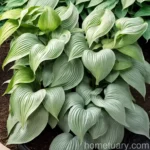
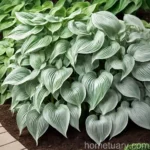
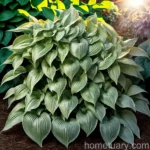
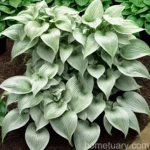
The Hosta ‘Abiqua Drinking Gourd’ is a cultivar known for its exceptional beauty and distinctive features. Its large, heart-shaped leaves have a unique cupped shape that gently folds around the edges, giving it the appearance of a drinking gourd. This attribute, along with its deep blue-green color, makes it a sought-after variety among gardeners and collectors.

Key Takeaways – Hosta (Hosta ‘Abiqua Drinking Gourd’)
Before we delve into the detailed care guidelines, let’s take a quick look at the key takeaways for growing Hosta ‘Abiqua Drinking Gourd’:
- Plant Name: Hosta ‘Abiqua Drinking Gourd’
- Growth Habit: Clumping
- Mature Size: 16-22 inches tall and 36 inches wide
- Foliage: Large heart-shaped leaves, blue-green color, cupped shape
- Sunlight: Partial to full shade
- Watering: Regular watering, well-draining soil
- Soil: Rich, well-draining soil
- Fertilization: Balanced fertilizer in spring
- Uses: Shade gardens, woodland gardens, borders, containers
Now that we have a brief overview of Hosta ‘Abiqua Drinking Gourd,’ let’s explore each of the care aspects in detail.
Culture
Cultivating Hosta ‘Abiqua Drinking Gourd’ involves understanding its specific cultural requirements to provide the ideal growing conditions. Here are the essential cultural considerations for this stunning plant:
Uses
- Garden Borders: Hosta ‘Abiqua Drinking Gourd’ is an ideal choice for creating beautiful borders in shaded areas of the garden. Its large, cupped leaves add an attractive and lush appearance to the borders.
- Woodland Gardens: The unique texture and color of the foliage make this variety a perfect fit for woodland-themed gardens. It thrives in the dappled shade and enriches the overall aesthetics of the woodland landscape.
- Containers: Due to its striking appearance and compact size, Hosta ‘Abiqua Drinking Gourd’ can be grown effectively in containers, allowing gardeners to enjoy its beauty on patios, balconies, or any other confined spaces.
Water
- Water Requirements: Adequate moisture is crucial for the healthy growth of Hosta ‘Abiqua Drinking Gourd.’ It is essential to keep the soil consistently moist, especially during periods of active growth and in warmer climates. However, it’s equally important to ensure proper drainage to prevent waterlogging, which can lead to root rot.
Sunlight
- Light Preferences: This variety thrives in partial to full shade, making it an excellent option for shaded areas of the garden. It’s important to avoid exposing it to direct sunlight, especially during the hottest part of the day, as it can scorch the leaves.
Fertilizer
- Fertilization: Applying a balanced, slow-release fertilizer in early spring before the new growth emerges will provide the necessary nutrients for healthy foliage development. Avoid over-fertilization, as it can lead to excessive leaf growth at the expense of the plant’s overall vigor.
Soil
- Soil Requirements: Hosta ‘Abiqua Drinking Gourd’ prefers rich, well-draining soil with a slightly acidic to neutral pH. Amending the soil with organic matter, such as compost or peat moss, can improve its texture and fertility, creating an optimal environment for the plant to thrive.
Pruning
Pruning is an essential aspect of maintaining the health and aesthetics of Hosta ‘Abiqua Drinking Gourd.’ While hostas are generally low-maintenance when it comes to pruning, there are specific considerations to keep in mind:
- Trimming Faded Foliage: Regularly removing yellowing or faded leaves helps maintain the plant’s appearance and prevents the spread of diseases.
- Division: Over time, hostas can become overcrowded, leading to reduced vigor and diminished visual appeal. Dividing the plant every 3-5 years not only rejuvenates its growth but also provides an opportunity to propagate new plants.
Propagation
Propagating Hosta ‘Abiqua Drinking Gourd’ is an excellent way to expand your collection or share this beautiful variety with fellow gardening enthusiasts. The two primary methods of propagation are through division and seed:
- Division: This is the most common and effective method of propagation for hostas. Dividing the plant during its dormant period in early spring or late summer allows for the creation of new, healthy divisions that can be replanted to establish new plants.
- Seeds: While hostas produce attractive flowers, the seeds may not result in plants that are true to the parent plant. Propagating through seeds requires patience and a willingness to experiment with new hybrid variations.
Container Popularity
The versatility and compact size of Hosta ‘Abiqua Drinking Gourd’ make it a popular choice for container gardening. Whether you have limited outdoor space or want to add visual interest to your patio or balcony, growing this variety in containers offers many benefits:
- Space Utilization: Containers provide a flexible option for growing hostas, allowing you to showcase their beauty in areas where traditional planting may not be feasible.
- Aesthetic Appeal: The lush, blue-green foliage of Hosta ‘Abiqua Drinking Gourd’ makes it a stunning focal point in containers, providing an instant decorative element to outdoor spaces.
- Ease of Maintenance: Container-grown hostas are easier to manage and protect from potential pest issues, allowing for more precise control over their growing conditions.
Common Diseases
While Hosta ‘Abiqua Drinking Gourd’ is generally resistant to many common plant diseases, it is important to be aware of potential issues that can impact its health and vigor. Some of the common diseases that may affect hostas include:
- Fungal Leaf Spot: This condition is characterized by the development of small, brown spots on the leaves, often caused by excessive moisture and poor air circulation. Proper sanitation and foliage management can help prevent the spread of fungal diseases.
- Crown Rot: Overly wet conditions can lead to crown rot, resulting in the decay of the plant’s crown and root system. Ensuring well-draining soil and avoiding overwatering can mitigate the risk of crown rot.
Disease Diagnosis
Diagnosing and addressing plant diseases promptly is crucial for maintaining the health of Hosta ‘Abiqua Drinking Gourd.’ Here are some key steps for disease diagnosis and management:
- Symptom Identification: Carefully observe the plant for any changes in foliage color, texture, or overall appearance. Look for spots, wilting, or unusual patterns that may indicate a developing disease.
- Cultural Practices: Ensure that the plant is receiving optimal care in terms of watering, fertilization, and soil conditions. Addressing any underlying cultural issues can help prevent diseases from gaining a foothold.
- Sanitation: Regularly clean up fallen leaves and debris around the hosta to prevent the buildup of potential disease sources. Additionally, avoid overhead watering to reduce moisture on the foliage, decreasing the risk of fungal diseases.
Common Pests
Hosta ‘Abiqua Drinking Gourd’ is generally resistant to pest infestations, but certain pests may still pose a threat to its health:
- Slugs and Snails: These common garden pests can cause significant damage to hostas, feeding on the leaves and leaving behind unsightly holes and trails. Using natural or chemical deterrents can help protect the plant from slug and snail damage.
- Deer: In areas where deer are prevalent, they may browse on hostas, causing damage to the foliage. Implementing deterrents such as fencing or repellents can help prevent deer-related issues.
Botanist’s Tips
As a plant scientist with a passion for cultivating and studying hostas, I have gathered some valuable tips to help you succeed in growing and caring for Hosta ‘Abiqua Drinking Gourd’:
- Leaf Texture: Take the time to appreciate the unique texture of the leaves, gently running your fingers over the cupped foliage to experience its tactile appeal.
- Companion Planting: Consider companion planting with other shade-loving perennials to create visually appealing combinations and enhance the overall aesthetics of the garden.
- Mulching: Applying a layer of organic mulch around the base of the hosta helps conserve soil moisture, suppress weeds, and provide insulation during temperature fluctuations.
Fun Facts
- The Hosta genus is named in honor of Austrian botanist Nicholas Thomas Host. The plant has historically been referred to as “Hosta plantaginea”, emphasizing its similarity to the plantain genus “Plantago.”
- Hostas are members of the Asparagaceae family, which also includes familiar plants such as asparagus and lily-of-the-valley. This diverse plant family showcases a wide range of ornamental and culinary species.
- Hostas are not only admired for their foliage but are also valued for their elegant, trumpet-shaped flowers that bloom in summer. These flowers can vary in color and add an extra dimension of beauty to the plant.
Links to External Resources
For further exploration of Hosta ‘Abiqua Drinking Gourd’ and related topics, here are some valuable external resources:
- American Hosta Society: American Hosta Society
- The Hosta Library: The Hosta Library
- Royal Horticultural Society – Hostas: RHS – Hostas
- University of Minnesota Extension – Growing Hostas: U of M Extension – Growing Hostas
The world of hostas is vast and captivating, offering an array of unique varieties that can enrich any garden setting. Whether you’re drawn to the striking beauty of Hosta ‘Abiqua Drinking Gourd’ or are interested in exploring other hosta cultivars, the journey of nurturing these plants is filled with rewards and delights.
Remember to embrace the tranquility of shade gardening, experiment with creative planting combinations, and celebrate the enduring allure of Hosta ‘Abiqua Drinking Gourd’ in your outdoor spaces. Happy gardening!
In conclusion, the art and science of growing Hosta ‘Abiqua Drinking Gourd’ involves an understanding of its specific care requirements, appreciation for its distinctive features, and a commitment to fostering its health and beauty in the garden. With the insights shared in this guide, you are well-equipped to embark on an enriching and rewarding journey with this exceptional hosta variety.
References:
- G. W. Schmid, “The Genus Hosta,” Portland, Timber Press, 2009.
- D. Grenfell and P. R. Aden, “The New Encyclopedia of Hostas,” Portland, Timber Press, 2009.
- J. E. Bryan, “Hostas: An Illustrated Guide to Varieties, Cultivation and Care,” New York, Lorenz Books, 2007.