The Beautiful Bigleaf Hydrangea (Hydrangea macrophylla ‘P11HM-11’ BLOOMSTRUCK)
Bigleaf hydrangea, scientifically known as Hydrangea macrophylla ‘P11HM-11’ BLOOMSTRUCK, is a stunning and popular flowering shrub that has captured the hearts of gardeners around the world. With its large, showy flowers and beautiful foliage, this plant has become a favorite in gardens and landscapes. In this comprehensive guide, we will delve into the culture, uses, care, and maintenance of the bigleaf hydrangea, providing valuable insights for both seasoned gardeners and beginners.
What is the Bigleaf Hydrangea?
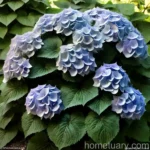
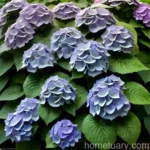
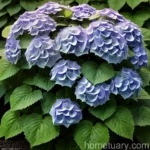
The Bigleaf Hydrangea, or Hydrangea macrophylla ‘P11HM-11’ BLOOMSTRUCK, is a deciduous shrub belonging to the Hydrangeaceae family. This stunning plant is native to Japan and China and is renowned for its large, colorful blooms, which can vary from blue and pink to purple depending on the soil pH. The broad, dark green leaves of the Bigleaf Hydrangea provide an exquisite backdrop for its magnificent flowers, making it a sought-after addition to gardens and landscapes worldwide.
Key Takeaways – Bigleaf Hydrangea (Hydrangea macrophylla ‘P11HM-11’ BLOOMSTRUCK)
Before we delve into the specifics of growing and caring for the Bigleaf Hydrangea, let’s take a look at some key takeaways about this beautiful plant:
- Scientific Name: Hydrangea macrophylla ‘P11HM-11’ BLOOMSTRUCK
- Common Name: Bigleaf Hydrangea
- Origin: Japan and China
- Key Features: Showy, large flowers and broad, dark green leaves
- Flower Colors: Blue, pink, purple
- Soil pH Influence: Can change flower color based on soil acidity or alkalinity
- Popular Uses: Landscaping, gardens, cut flower arrangements
With these key points in mind, let’s explore the various aspects of culture, usage, and maintenance of the Bigleaf Hydrangea, providing valuable insights for both seasoned gardeners and beginners.
Culture of Bigleaf Hydrangea
Cultivating the Bigleaf Hydrangea successfully requires an understanding of its specific cultural requirements. From watering and sunlight needs to soil characteristics and fertilization, it’s essential to create an environment that fosters the optimal growth and blooming of this captivating shrub.
Uses
The Bigleaf Hydrangea holds great appeal for various horticultural purposes, including:
- Landscaping: The plant is a popular choice for adding vibrant color and texture to landscapes, whether in a garden border or as a standalone specimen.
- Cut Flower Production: The large, showy blooms make the plant an excellent choice for cut flower arrangements, adding elegance to floral displays and bouquets.
Water
Proper watering is essential for the health and vigor of the Bigleaf Hydrangea. While the plant requires consistent moisture, it’s also important to avoid waterlogged conditions, which can lead to root rot and other issues. Consider the following watering guidelines:
- Established Plants: Water deeply and thoroughly, ensuring the water reaches the root zone, especially during dry periods.
- Newly Planted: Provide regular, even moisture to newly planted hydrangeas to aid in root establishment.
Sunlight
Sunlight plays a vital role in the growth and blooming of the Bigleaf Hydrangea. Understanding the plant’s sunlight requirements can help ensure its optimal development and flower production:
- Light Conditions: The plant thrives in partially shaded areas, with morning sun and afternoon shade being ideal for promoting healthy growth and prolific blooming.
- Sun Exposure: Avoid intense, direct afternoon sunlight, as this can cause stress and lead to wilting of the foliage.
Fertilizer
Proper fertilization can greatly influence the growth and flowering of the Bigleaf Hydrangea. Consider the following fertilization practices to ensure the health and vitality of your plants:
- Balanced Fertilizer: Use a balanced, slow-release fertilizer formulated for flowering shrubs to provide essential nutrients without promoting excessive foliage growth.
- Application Timing: Apply fertilizer in early spring before new growth emerges and again in mid-summer to support continuous blooming.
Soil
The soil composition and pH level directly impact the health and flower color of the Bigleaf Hydrangea, making it essential to understand and address these soil-related factors:
- Acidic Soil: Lower soil pH (acidic) tends to produce blue flowers in hydrangeas by making aluminum available to the plant.
- Alkaline Soil: Higher soil pH (alkaline) leads to pink or purple flowers, as the reduced aluminum availability shifts the flower color.
Pruning of Bigleaf Hydrangea
Pruning plays a crucial role in maintaining the health, shape, and abundant flowering of the Bigleaf Hydrangea. By understanding the proper pruning techniques, you can support the plant’s growth and encourage the development of vibrant, beautiful blooms:
- Timing: Prune the Bigleaf Hydrangea immediately after flowering to avoid cutting off next year’s flower buds, which form on old wood.
- Pruning Goals: Remove dead or weak stems, thin out overcrowded growth, and shape the plant as desired, taking care to maintain its natural form and structure.
Propagation of Bigleaf Hydrangea
Propagation allows you to propagate new plants from existing Bigleaf Hydrangea specimens, providing an opportunity to expand your collection or share the beauty of this shrub with others. Here are some common propagation methods for the Bigleaf Hydrangea:
- Softwood Cuttings: Take softwood cuttings in early summer and root them in a suitable growing medium to propagate new plants.
- Division: Divide mature plants in early spring, ensuring that each division has sufficient roots and foliage to support its growth.
Bigleaf Hydrangea in Containers
Growing the Bigleaf Hydrangea in containers can provide flexibility and aesthetics to your outdoor or indoor spaces. Whether on patios, balconies, or as indoor potted plants, the following considerations will help you successfully grow and care for Bigleaf Hydrangea in containers:
- Container Size: Choose a spacious container with adequate drainage to accommodate the plant’s growth and root development.
- Potting Mix: Use a well-draining, high-quality potting mix that provides ample aeration and moisture retention for the Bigleaf Hydrangea.
- Watering: Monitor soil moisture and water the plant regularly, ensuring that the container’s soil doesn’t dry out completely.
Popularity of Bigleaf Hydrangea
The Bigleaf Hydrangea has garnered widespread popularity due to its remarkable characteristics and versatility in various horticultural applications, making it a sought-after choice for gardeners and landscapers. The following factors contribute to the plant’s popularity:
- Showy, Large Flowers: The stunning floral display of the Bigleaf Hydrangea captivates the attention of onlookers and adds a touch of elegance to any landscape.
- Versatile Growing Conditions: The plant’s adaptability to different light and soil conditions makes it a suitable choice for a wide range of environments, from shaded garden beds to container plantings.
- Varied Flower Colors: The ability to influence flower color based on soil pH adds an element of intrigue and customization to the Bigleaf Hydrangea.
Common Diseases of Bigleaf Hydrangea
While generally resilient, the Bigleaf Hydrangea can be susceptible to certain diseases that can affect its overall health and appearance. Understanding these common diseases and their management is essential for maintaining the plant’s vitality:
- Powdery Mildew: A fungal disease that can cause a powdery white coating on leaves, leading to reduced photosynthesis and vigor. Use fungicidal treatments to control powdery mildew.
- Leaf Spot: Fungal leaf spots can develop on the foliage, leading to unsightly blemishes. Remove and dispose of infected leaves and apply fungicidal sprays as necessary.
Disease Diagnosis and Treatment
Diagnosing and effectively treating diseases in the Bigleaf Hydrangea requires careful observation and prompt intervention to prevent the spread of pathogens and minimize the impact on plant health:
- Symptom Identification: Look for characteristic signs of common hydrangea diseases, such as leaf discoloration, spots, or powdery growth, to determine the specific issue.
- Treatment Options: Utilize appropriate fungicides, cultural practices, and sanitation measures to manage and control diseases, promoting the plant’s recovery and continued growth.
Common Pests Affecting Bigleaf Hydrangea
Various pests can pose a threat to the health and appearance of the Bigleaf Hydrangea, requiring proactive management and control measures. Recognizing these common pests and addressing infestations promptly is essential for preserving the plant’s beauty:
- Aphids: These small, sap-sucking insects can cause distorted growth and leaf yellowing. Use insecticidal soaps or horticultural oils to control aphid populations.
- Spider Mites: These arachnids can infest the plant, leading to stippled, discolored foliage. Regularly rinse the foliage and consider using miticides to manage spider mite infestations.
Botanist’s Tips for Growing Bigleaf Hydrangea
As a seasoned botanist, I’ve gathered some valuable tips based on my experience with growing and studying the Bigleaf Hydrangea. Here are some insights that can enhance your success in cultivating and caring for this alluring plant:
- Soil pH Management: Experiment with soil amendments to influence flower color, altering the pH to achieve the desired blue or pink hues in your Bigleaf Hydrangea blooms.
- Moisture Monitoring: Keep a close eye on soil moisture levels to prevent drought stress or waterlogging, adjusting your watering practices based on environmental conditions and plant needs.
- Mulching Benefits: Apply a layer of organic mulch around the base of the plant to conserve moisture, suppress weeds, and insulate the soil, promoting healthier growth and root development.
Fun Facts about Bigleaf Hydrangea
Discover some intriguing and lesser-known facts about the Bigleaf Hydrangea, shedding light on the unique characteristics and attributes that make this plant a captivating addition to any garden:
- Color Shifting Flowers: The flower color of the Bigleaf Hydrangea can change based on environmental factors and soil pH, leading to stunning blue, pink, or purple blooms.
- Alkaline Influence: In alkaline soils, altering the pH to be more acidic can transform pink hydrangea blooms to blue over time, offering a fascinating horticultural experiment.
- Antique Charm: The Bigleaf Hydrangea has been cultivated and cherished for centuries, adding timeless beauty and charm to gardens and landscapes the world over.
Links to External Resources
Explore the following links to access additional information, insights, and resources related to the cultivation and care of the Bigleaf Hydrangea:
- Hydrangea macrophylla Varieties – Royal Horticultural Society
- Bigleaf Hydrangea Care Guide – University of Minnesota Extension
- Hydrangea macrophylla Pruning Techniques – University of Minnesota Extension
By delving into the unique charm and diverse aspects of the Bigleaf Hydrangea, we gain a deeper appreciation for this remarkable plant, unlocking the keys to successful cultivation and enjoyment in gardens and landscapes. Whether admiring its mesmerizing blooms, experimenting with soil pH for color transformation, or learning to combat common diseases and pests, the Bigleaf Hydrangea offers a rich tapestry of horticultural opportunities and rewards for plant enthusiasts and nature lovers alike.