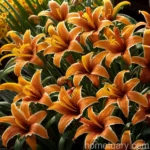
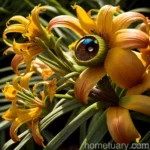
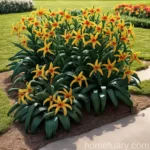
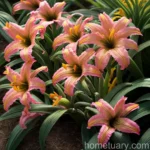
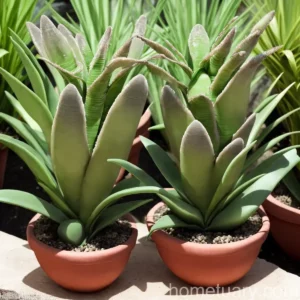
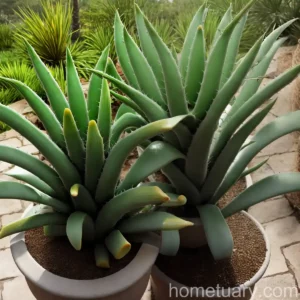
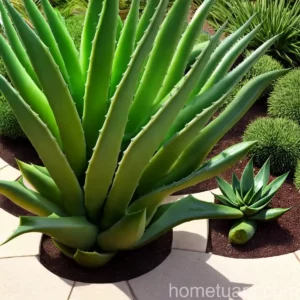
Daylily (Hemerocallis ‘Almost Paradise’)
Introduction to Daylilies
Daylilies are herbaceous perennial plants belonging to the genus Hemerocallis. They are treasured by gardeners for their versatility, low maintenance, and stunning blooms. These plants are native to Asia, primarily China, Korea, and Japan, and have been cultivated for thousands of years. The name “daylily” is derived from the Greek words “hemera” meaning “day” and “kallos” meaning “beauty,” referring to the fact that each flower generally lasts only one day. However, the plants produce multiple flowers on branching scapes, providing an extended period of bloom.
One exceptional daylily cultivar is the Hemerocallis ‘Almost Paradise’, renowned for its exquisite flowers and adaptability to diverse growing conditions. In this article, we will explore the key aspects of caring for the daylily ‘Almost Paradise’, including its culture, uses, water, sunlight, fertilizer, soil, pruning, propagation, and more. We will delve into its popularity, common diseases, pests, and provide valuable botanist’s tips for cultivating and maintaining this stunning plant.
Key Takeaways – Daylily (Hemerocallis ‘Almost Paradise’)
Culture
Uses
- Landscaping: Daylilies are widely used in landscaping for their colorful blooms, vibrant foliage, and adaptability to various soil types and growing conditions.
- Cut Flowers: The blooms of daylilies make for stunning cut flowers and are often used in floral arrangements.
Water
- Daylilies thrive in well-drained soil and require regular watering, especially during the growing season. However, they are also fairly drought-tolerant once established.
Sunlight
- These plants prefer full sun to partial shade, with at least 6 hours of direct sunlight per day for optimal bloom production.
Fertilizer
- Daylilies benefit from a balanced, slow-release fertilizer applied in early spring, as they are heavy feeders during their growing season.
Soil
- They thrive in a wide range of soil types but prefer well-draining, slightly acidic soil. Amending the soil with organic matter can greatly benefit daylilies.
Pruning
- Removal of spent flower scapes and dead foliage helps promote new growth and prolongs the blooming period.
Propagation
- Daylilies can be propagated through division, seeds, or tissue culture. Division is the most common and reliable method of propagation.
Container Popularity
- Daylilies are suitable for container gardening, providing an opportunity to enjoy their beauty on patios, balconies, or in areas with limited garden space.
Common Diseases and Disease Diagnosis
- Daylilies are susceptible to fungal diseases such as leaf streak and rust. Proper sanitation and good cultural practices can help prevent and manage these issues.
Common Pests
- Aphids, thrips, and spider mites are among the common pests that may affect daylilies. Regular inspection and prompt intervention help control pest infestations.
Botanist’s Tips
- Ensure good air circulation around daylilies to reduce the risk of fungal diseases.
- Deadhead spent blooms to promote continuous flowering and prevent self-seeding.
- Mulch around the base of the plants to retain moisture and control weed growth.
Fun Facts
- The daylily flower is edible and is used in some culinary preparations, adding color and a mild, sweet flavor to dishes.
- Daylilies are tough, resilient plants, and many wild species are known for their ability to naturalize and thrive in diverse habitats.
Links to External Resources
With a comprehensive understanding of daylilies and a focus on the exceptional cultivar ‘Almost Paradise’, let’s delve deeper into the specific aspects of these captivating plants.
Daylily Varieties
Daylilies are available in a staggering array of varieties, with an extensive range of bloom colors, shapes, sizes, and growth habits. Each variety brings its unique attributes to the garden, and the ‘Almost Paradise’ cultivar is no exception.
Hemerocallis Flowers
The flowers of Hemerocallis are characterized by their trumpet-like shape and brilliant colors, ranging from vibrant reds, oranges, yellows, pinks, and purples to pastel hues and even near-whites. The flowers may be single, double, or ruffled, adding to the diversity of this genus.
Almost Paradise Daylily
The ‘Almost Paradise’ daylily is cherished for its large, fragrant, lavender-pink blossoms with a distinctive green throat. These flowers are held on sturdy, erect scapes and appear in midsummer, adding a touch of elegance to the garden landscape. The cultivar’s high bud count and strong reblooming habit make it a standout choice for both novice and seasoned gardeners.
Hemerocallis Cultivars
Aside from ‘Almost Paradise’, numerous other Hemerocallis cultivars have captivated the interest of gardeners worldwide. Varieties such as ‘Stella de Oro’, ‘Happy Returns’, ‘Frans Hals’, and ‘Pardon Me’ are celebrated for their remarkable beauty, adaptability, and reliable performance.
Daylily Hybrid Varieties
Hybridizers continually introduce new daylily hybrids, combining desirable traits from different cultivars to create plants that exhibit improved vigor, disease resistance, and an extended bloom season. These hybrid varieties contribute to the ever-expanding palette of daylily options available to garden enthusiasts.
Hemerocallis ‘Almost Paradise’ Care
Growing Daylilies
Growing daylilies, including the ‘Almost Paradise’ cultivar, involves providing the right growing conditions to ensure healthy plants and abundant blooms. Below are essential care guidelines for cultivating daylilies:
- Best Daylily Cultivars: Selecting top-quality cultivars, such as ‘Almost Paradise’, ensures a rewarding growing experience with impressive blooms.
- Daylily Landscaping Ideas: Incorporating daylilies into various landscaping themes, such as cottage gardens, perennial borders, and naturalistic plantings, adds visual interest and color diversity.
- Hemerocallis Plant Care: Regular watering, proper fertilization, and adequate sunlight are fundamental aspects of daylily care, promoting vigorous growth and prolific flowering.
- Daylily Photography Tips: Capturing the alluring beauty of daylily blooms enhances the experience of gardening and serves as a source of inspiration for fellow enthusiasts.
Hemerocallis Garden Design
In garden design, daylilies like ‘Almost Paradise’ can serve as focal points, mass plantings, or accents within mixed borders, contributing to cohesive and visually appealing landscapes. Their diverse colors and forms offer boundless possibilities for creative arrangements.
Daylily Perennial Flowers
Daylilies are renowned for their resilience and adaptability, making them reliable perennial plants that return year after year with minimal care. This trait, combined with their stunning blooms, positions daylilies as staples in perennial flower gardens.
Hemerocallis Flower Arrangements
The large, colorful blooms of daylilies, including those of ‘Almost Paradise’, are ideal for creating vibrant cut flower arrangements, adding a touch of nature’s elegance to interior spaces.
Daylily Maintenance Guide
Regular maintenance, such as deadheading spent blooms, removing faded foliage, and dividing overcrowded clumps, are essential for promoting continuous blooming and ensuring the long-term health of daylilies.
Hemerocallis Planting Tips
When planting daylilies, it is crucial to consider factors such as spacing, soil preparation, and proper depth of planting to establish strong, healthy roots and encourage robust growth.
Daylily Color Variations
The wide range of daylily colors encompasses virtually every hue of the spectrum, from the deepest reds and purples to the softest pastels and near-whites. ‘Almost Paradise’, with its lavender-pink blooms, illustrates the enchanting and diverse color variations that characterize the Hemerocallis genus.
Hemerocallis Bloom Season
With meticulous planning and selection of cultivars, daylily enthusiasts can enjoy an extended bloom season, incorporating early, mid-season, and late blooming varieties to ensure a continuous display of colorful flowers.
Daylily Propagation Techniques
The propagation of daylilies, ‘Almost Paradise’ included, can be a rewarding endeavor, providing gardeners with an opportunity to expand their plantings and share the beauty of these remarkable flowers with others.
Hemerocallis Companion Plants
In the garden, daylilies are complemented by numerous companion plants, such as ornamental grasses, coneflowers, salvia, and coreopsis, creating harmonious and visually captivating combinations.
Daylily Pest and Disease Control
Maintaining vigilance against common pests and diseases allows for timely intervention, preventing damage to daylilies and preserving their health and aesthetic appeal.
Hemerocallis Sun Requirements
Daylilies thrive in sunny locations, where they can bask in at least 6 hours of direct sunlight each day, fueling their vigorous growth and abundant flowering.
Daylily Drought Tolerance
Once established, daylilies, including the resilient ‘Almost Paradise’, exhibit remarkable tolerance to periods of drought, making them suitable choices for water-wise gardening and regions with limited water availability.
Hemerocallis Soil Preferences
Well-drained, slightly acidic soils rich in organic matter provide an optimal growing medium for daylilies, ensuring healthy root development and robust growth.
Daylily Container Gardening
Daylilies, ‘Almost Paradise’ not excluded, can thrive in containers, bringing their stunning blooms and foliage to patios, balconies, and other confined spaces, enriching these areas with their natural charm.
Hemerocallis Landscape Uses
The landscape versatility of daylilies allows for their use in various settings, from formal gardens and foundation plantings to naturalistic and informal landscapes, contributing to the visual appeal and ecological value of these spaces.
Daylily Flower Symbolism
The symbolism of daylilies varies across cultures, with interpretations spanning themes of renewal, purity, motherhood, and devotion. Understanding these symbolic meanings adds depth and significance to the presence of daylilies in diverse settings.
Hemerocallis Garden Maintenance
Routine care and maintenance, including weeding, mulching, and fertilizing, play integral roles in sustaining the health and vitality of daylilies within a garden environment.
Daylily Dividing and Transplanting
Periodic division and transplanting of daylilies enable gardeners to rejuvenate overcrowded clumps, propagate desirable cultivars, and reconfigure garden layouts to achieve desired aesthetic and functional outcomes.
Hemerocallis Foliage Characteristics
The foliage of daylilies, with its graceful, arching form and attractive green coloration, contributes to the visual interest of the plants even when they are not in bloom, adding year-round appeal to garden landscapes.
Daylily Fragrant Varieties
Many daylily cultivars, including ‘Almost Paradise’, exhibit delightful fragrances, enhancing the sensory experience of the garden and attracting pollinators such as bees and butterflies.
Hemerocallis Attracting Pollinators
The nectar-rich flowers of daylilies serve as valuable resources for pollinators, fostering biodiversity and ecological balance within garden ecosystems.
Daylily Winter Care
Winter preparations, such as mulching and cleaning up garden debris, are essential to ensure the vitality and winter hardiness of daylilies, protecting them from cold temperatures and adverse weather conditions.
Hemerocallis Native Species
The native species of Hemerocallis contribute to the genetic diversity and adaptive traits found within daylilies, serving as valuable genetic resources for breeding and conservation efforts.
Daylily Foliage Color Variations
Beyond their captivating blooms, daylilies exhibit an array of foliage colors, including shades of green, blue, and variegated patterns, adding visual interest to garden compositions.
Hemerocallis Cutting Flowers
The suitability of daylily blooms for cutting and using in floral arrangements expands the decorative and practical versatility of these plants, allowing their beauty to be appreciated indoors as well as in garden settings.
Daylily Wildlife Habitat Benefits
The value of daylilies in providing refuge, forage, and shelter for wildlife contributes to the ecological significance of these plants within diverse landscapes and garden environments.
Hemerocallis Garden Borders
Daylilies, including the captivating ‘Almost Paradise’, are commonly utilized in garden borders, defining and enhancing the edges of beds and pathways with their vibrant blooms and distinctive foliage.
Daylily Water Requirements
Understanding the specific water needs of daylilies, especially during their active growth period, ensures optimal hydration and sustenance for these resilient plants.
Hemerocallis Seasonal Garden Changes
The ever-changing nature of daylily blooms and foliage throughout the seasons adds dynamic visual interest to garden spaces, captivating the eye and infusing the landscape with natural beauty.
Daylily Naturalizing in the Landscape
The naturalizing tendency of certain daylily species and cultivars allows for their integration into naturalized landscapes, meadows, and woodland gardens, enriching these environments with their enduring beauty.
Hemerocallis Ground Cover Options
Low-growing daylily species and cultivars function as effective ground covers, providing weed suppression and erosion control while contributing to the aesthetic appeal of landscapes.
Daylily Pruning Techniques
Pruning spent flower scapes and trimming back faded foliage promotes tidiness and rejuvenation in daylily plants, maintaining their visual appeal and overall health.
Hemerocallis Winter Hardiness
Selecting daylily cultivars with suitable winter hardiness ensures their ability to withstand cold temperatures and adverse weather conditions, allowing for reliable performance in diverse climates.
Daylily Companion Gardening
Integrating daylilies with compatible companion plants enhances the visual impact and ecological functionality of garden plantings, creating synergistic and mutually beneficial relationships among different species.
Hemerocallis Edible Uses
Certain daylily species and cultivars have edible flowers and young shoots, contributing not only to their ornamental value but also to their potential culinary applications.
Daylily Therapeutic Benefits
Engaging with daylilies and surrounding oneself with their natural beauty can have therapeutic and mental health benefits, offering a calming and rejuvenating experience.
Hemerocallis Garden Focal Point
The impressive blooms and distinctive foliage of daylilies, particularly cultivars like ‘Almost Paradise’, make them effective focal points within garden compositions, drawing attention and admiration from visitors.
Daylily Flower Symbolism in Different Cultures
Across different cultures and traditions, daylilies hold diverse symbolic meanings, serving as potent metaphors for love, purity, renewal, and devotion.
Hemerocallis Attracting Butterflies and Hummingbirds
The nectar-rich blooms of daylilies act as magnets for butterflies and hummingbirds, adding an element of lively motion and vibrant color to garden settings.
With an extensive exploration of the Hemerocallis ‘Almost Paradise’, we have delved into its care, attributes, landscape uses, and ecological significance, offering valuable insights for plant enthusiasts and cultivators. Through understanding the intricacies of daylilies and their remarkable cultivars, we can further appreciate and harness the exceptional beauty and potential of these plants in diverse horticultural and garden settings.
In closing, the Hemerocallis ‘Almost Paradise’ stands as a testament to the enduring allure and versatility of daylilies, embodying the rich diversity and captivating essence of these treasured plants, enriching landscapes and hearts alike.
For further research and exploration, the resources of the American Daylily Society and The Daylily Hybridizer’s Home remain invaluable hubs of knowledge, expertise, and camaraderie for those passionate about daylilies and their wondrous world.
As we embrace the intricacies and marvels of daylilies, may we continue to cultivate and cherish these remarkable plants, savoring their ephemeral beauty and timeless presence within the tapestry of nature.