Hosta ‘Half and Half’ (Plantain Lily): The Perfect Shade-Loving Perennial
Introduction
Welcome to our comprehensive guide on Hosta ‘Half and Half’ (Plantain Lily), a stunning and versatile shade-loving perennial known for its striking foliage. In this blog post, we will explore everything you need to know about this beautiful plant – from its characteristics and care tips to its uses in landscaping and container gardening. Whether you are a seasoned gardener or just starting out, this guide will provide you with valuable insights into how to cultivate and care for Hosta ‘Half and Half’. Let’s dive in!
What is Hosta ‘Half and Half’?
Hosta ‘Half and Half’, commonly known as Plantain Lily, is a herbaceous perennial prized for its lush and vibrant foliage. This variety is especially beloved for its unique and eye-catching leaf patterns, making it a popular choice for shaded gardens and landscapes. With its low maintenance requirements and adaptability to various growing conditions, Hosta ‘Half and Half’ has become a favorite among gardeners and landscapers alike.
Key Takeaways
Before we delve into the specific aspects of cultivating and caring for Hosta ‘Half and Half’, let’s review some key takeaways:
- Characteristics: Striking foliage patterns, shade-loving, low maintenance, ideal for containers and landscaping.
- Care Tips: Requires well-draining soil, partial to full shade, regular watering, and minimal pruning.
- Foliage Patterns: Variegated leaves with contrasting colors, adding visual interest to shaded areas.
- Growth Habits: Forms dense mounds of foliage, suitable for edging, borders, and ground cover.
- Disease Resistance: Relatively resistant to common plant diseases, promoting long-term health and vigor.
- Propagation Methods: Easily propagated through division, allowing for the expansion of plantings.
- Soil Requirements: Thrives in moist, organically rich soil with a slightly acidic to neutral pH.
- Pest Control: Susceptible to certain pests, necessitating proactive measures for protection.
- Seasonality: Shows resilience in the face of seasonal changes, offering year-round appeal in the garden.
Now, let’s explore each of these aspects in more detail to gain a comprehensive understanding of Hosta ‘Half and Half’ and how to nurture it for optimal growth and beauty.
Characteristics of Hosta ‘Half and Half’
Hosta ‘Half and Half’ displays a range of distinctive characteristics that contribute to its charm and desirability in garden settings. From its foliage patterns to its growth habits, understanding these attributes is essential for creating an environment that allows this plant to thrive.
Foliage Patterns
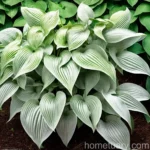
One of the most prominent features of Hosta ‘Half and Half’ is its striking foliage. The leaves are variegated, showcasing a captivating blend of contrasting colors that adds depth and visual interest to shaded areas. The characteristic leaf patterns include:
- Variegated Leaves: The foliage displays a mix of light and dark green hues, often interspersed with creamy white or yellow accents. This variegation creates a dynamic and vibrant appearance, even in low-light conditions.
- Unique Leaf Shapes: Hosta ‘Half and Half’ may feature lance-shaped or heart-shaped leaves, contributing to its overall aesthetic appeal and diversity.
The foliage patterns of Hosta ‘Half and Half’ make it an excellent choice for adding texture and color to shaded gardens, woodland areas, and other understory plantings. Whether used as a standalone focal point or incorporated into mixed plantings, this plant’s foliage creates a captivating display throughout the growing season.
Growth Habits
Hosta ‘Half and Half’ exhibits specific growth habits that shape its appearance and suitability for various garden settings. Understanding these habits is crucial for planning and designing landscapes that maximize the plant’s potential.
- Compact Mounding Form: This variety of Hosta forms dense mounds of foliage, creating a tidy and well-defined presence in the garden. The compact growth habit makes it an ideal choice for edging, border plantings, and as a ground cover under trees or in shaded areas.
- Growth Rate: Hosta ‘Half and Half’ tends to grow at a moderate pace, gradually expanding its clumps over time. While it may not be as rapid-growing as some sun-loving perennials, its steady growth contributes to its longevity and ability to fill in space effectively.
The growth habits of Hosta ‘Half and Half’ make it well-suited for adding structure and cohesion to shaded landscapes. Its compact form and adaptability to different planting arrangements provide flexibility for gardeners seeking to create harmonious and visually appealing settings.
Plantain Lily Varieties
In addition to Hosta ‘Half and Half’, the Hosta genus encompasses a wide array of species and cultivars, showcasing diverse foliage colors, sizes, and shapes. Understanding the range of Plantain Lily varieties available allows for informed decision-making when selecting plants for specific garden applications.
Diversity of Foliage Colors
Plantain Lilies come in an impressive array of foliage colors, ranging from varying shades of green to blue, gold, and white. Some popular varieties include:
- Hosta ‘Blue Angel’: Known for its large, blue-green leaves with broad, ribbed margins, creating a bold and elegant presence in the garden.
- Hosta ‘Sum and Substance’: Renowned for its massive, chartreuse leaves that can reach impressive sizes, making a dramatic statement in shaded settings.
- Hosta ‘Patriot’: Recognizable for its dark green leaves adorned with crisp white margins, providing a refined and classic appearance in the landscape.
By exploring the diverse range of foliage colors within the Plantain Lily family, gardeners can select varieties that complement existing plantings or serve as focal points within their designs. Whether aiming for a cohesive color scheme or a dynamic mix of hues, the versatility of Plantain Lily varieties offers options for every aesthetic preference.
Variation in Leaf Sizes and Shapes
Alongside diverse foliage colors, Plantain Lilies also exhibit variations in leaf sizes and shapes, further enriching the visual appeal of these shade-loving perennials. Some notable examples include:
- Hosta ‘Empress Wu’: Boasting enormous, deeply veined, and corrugated leaves that make a grand statement in shaded landscapes, demanding attention with its sheer size and texture.
- Hosta ‘Halcyon’: Featuring relatively small, blue-green leaves that form neat mounds, lending a sense of delicacy and refinement to garden compositions.
- Hosta ‘June’: Showcasing medium-sized, heart-shaped leaves with striking yellow margins that gradually turn to creamy white, adding a touch of brightness and warmth to shaded areas.
By considering the diversity of leaf sizes and shapes within the Plantain Lily genus, gardeners can customize their plant selections to suit specific spatial constraints, design objectives, and visual preferences. From bold and architectural to delicate and dainty, the range of options allows for tailored choices that enhance the overall garden aesthetic.
Hosta ‘Half and Half’ Care Tips
To ensure the thriving and longevity of Hosta ‘Half and Half’, implementing proper care practices is essential. From planting and watering to pruning and fertilizing, attention to these key care tips is integral to promoting the health and vitality of this shade-loving perennial.
Planting Guide
When planting Hosta ‘Half and Half’, following a comprehensive planting guide is crucial for establishing the plant in its new environment and facilitating robust growth. Consider the following steps for successful planting:
- Site Selection: Choose a shaded or partially shaded location with well-draining soil. Avoid areas with excessive moisture or direct sunlight, as Hosta ‘Half and Half’ prefers evenly moist conditions and protection from intense sun exposure.
- Soil Preparation: Prepare the planting site by loosening the soil and incorporating organic matter, such as compost or peat moss, to enrich the soil’s texture and fertility. Aim for a slightly acidic to neutral soil pH to provide an optimal growing environment.
- Planting Depth: When transplanting Hosta ‘Half and Half’ from a container or dividing existing clumps, position the plant at the same depth as it was previously growing. Ensure that the crown – where the leaves emerge from the roots – is slightly above the soil level to prevent rot and promote healthy growth.
- Spacing Considerations: Plant individual Hosta ‘Half and Half’ specimens or divided clumps at appropriate distances to allow for ample airflow and future expansion. Space plants based on their mature size, typically ranging from 12 to 24 inches apart.
By adhering to these planting guidelines, gardeners can establish a strong foundation for Hosta ‘Half and Half’, providing the plant with the necessary conditions for initial acclimatization and subsequent flourishing in its new setting.
Shade-Loving Plant
As a shade-loving perennial, Hosta ‘Half and Half’ thrives in environments with limited direct sunlight, making it an ideal candidate for shaded gardens and landscaping. Understanding the specific light requirements of this plant is crucial for optimizing its growth and overall performance.
- Partial to Full Shade: Hosta ‘Half and Half’ prefers partial to full shade, where it receives filtered or indirect sunlight for a portion of the day. Shaded or woodland settings with dappled light and protection from intense midday sun are well-suited for this plant’s requirements.
- Shade Tolerance: This variety of Hosta exhibits an exceptional tolerance for low-light conditions, making it an excellent choice for underplanting trees, alongside buildings, or within garden beds with minimal direct sun exposure.
By selecting and creating shaded environments that align with Hosta ‘Half and Half’s light preferences, gardeners can optimize the plant’s health and visual appeal, ensuring lush foliage and consistent performance throughout the growing season.
Water
Proper watering is critical for the well-being of Hosta ‘Half and Half’, as it supports the plant’s hydration, nutrient uptake, and overall vitality. Implementing effective watering practices ensures the plant’s resilience and ability to endure varying environmental conditions.
- Moisture Levels: Maintain moderately moist soil throughout the growing season, avoiding prolonged dry spells or waterlogged conditions. Regularly check the soil moisture near the plant’s roots and adjust watering frequency based on environmental factors, such as temperature and precipitation.
- Watering Frequency: During periods of limited rainfall or high temperatures, provide supplemental watering to sustain consistent moisture levels. Deep, thorough watering less frequently is preferable to shallow, frequent watering, as it encourages the development of deep root systems and promotes drought resistance.
By observing and responding to the plant’s water needs, gardeners can establish a steady regimen that sustains Hosta ‘Half and Half’s hydration and fosters robust growth, resulting in lush foliage and overall vigor.
Fertilizer
Applying appropriate fertilization to Hosta ‘Half and Half’ contributes to the plant’s nutritional requirements and long-term health. Selecting and administering suitable fertilizers in accordance with the plant’s growth stages and specific needs is vital for optimal performance.
- Nutrient-Rich Amendments: Utilize balanced, slow-release fertilizers or organic amendments to enrich the soil and provide essential nutrients for Hosta ‘Half and Half’s growth. Incorporate fertilizers with a balanced NPK ratio or specially formulated blends for flowering perennials to support overall plant health.
- Application Timing: Apply fertilizers in early spring as new growth emerges, and consider providing a supplemental application in midsummer to sustain the plant’s vigor throughout the growing season. Avoid excessive fertilization or late-season feeding, as it may disrupt the plant’s natural growth cycles and lead to susceptibility to winter damage.
By selecting appropriate fertilizers and adhering to strategic application schedules, gardeners can fortify Hosta ‘Half and Half’ with the necessary nutrients for robust growth, vibrant foliage, and enhanced disease resistance.
Soil Requirements
Hosta ‘Half and Half’ thrives in soil with specific characteristics that facilitate its growth and overall well-being. Understanding the plant’s soil preferences is essential for creating an environment that supports its root development and sustains its vitality.
- Well-Draining Soil: Provide a well-draining growing medium that prevents waterlogging and promotes aeration around the plant’s roots. Avoid compacted or heavy clay soils by incorporating organic matter and amendments to improve soil texture and structure.
- Organic Enrichment: Enhance the soil with organic matter, such as compost, leaf mold, or well-rotted manure, to bolster fertility and moisture retention. The addition of organic amendments contributes to soil health and provides a favorable substrate for Hosta ‘Half and Half’s roots to thrive.
By establishing and maintaining soil conditions that align with Hosta ‘Half and Half’s preferences, gardeners can ensure the plant’s access to essential moisture, nutrients, and oxygen, promoting strong growth and lush foliage.
Pruning
Pruning Hosta ‘Half and Half’ is a straightforward yet essential aspect of its care, as it helps manage the plant’s appearance, control its size, and promote ongoing vigor and aesthetics. Implementing prudent pruning practices contributes to the plant’s overall health and enhances its visual impact.
- Deadheading: Remove spent flower stems after the blooming period to redirect the plant’s energy towards foliage development and future growth. Deadheading also prevents the formation of seed pods, conserving the plant’s resources for sustained vigor.
- Leaf Removal: Trim damaged or discolored leaves throughout the growing season to maintain the plant’s visual appeal and encourage the emergence of fresh foliage. Discolored or tattered leaves can be snipped off at their base to improve the plant’s overall appearance.
- Division: Periodically divide overgrown clumps of Hosta ‘Half and Half’ to rejuvenate the plant, promote healthier growth, and expand its presence within the garden. Division also offers an opportunity to propagate new plantings and manage the size of existing specimens.
By practicing regular and targeted pruning, gardeners can preserve the tidy and attractive appearance of Hosta ‘Half and Half’, promote sustained foliage production, and foster the plant’s longevity and performance.
Propagation Methods
Propagation of Hosta ‘Half and Half’ through division is an effective and rewarding practice that allows for the expansion of plantings and the generation of new specimens. The process of dividing and multiplying this shade-loving perennial is relatively straightforward and offers opportunities for gardeners to share and cultivate additional plants.
Division Process
- Timing: Perform division in early spring as new growth emerges or in early fall as the plant transitions into dormancy. These times coincide with the plant’s natural growth rhythms and minimize stress on the divided sections.
- Digging and Separation: Dig up established clumps of Hosta ‘Half and Half’ with a sharp spade, carefully lifting the entire root ball from the ground. Gently separate the clump into smaller sections, ensuring that each divided section contains healthy roots and vigorous growth points.
- Replanting: Transplant the divided sections into prepared soil, providing adequate spacing and appropriate planting depth. Water the newly divided plants thoroughly to support their establishment and subsequent growth.
By mastering the art of division and propagation, gardeners can expand their collection of Hosta ‘Half and Half’, share plants with others, and create cohesive, uniform plantings for their shaded landscapes and gardens.
Uses of Hosta ‘Half and Half’
The versatile nature of Hosta ‘Half and Half’ enables its incorporation into various garden settings and applications, from landscaping and container gardening to serving as a striking focal point or foliage backdrop. Understanding the uses of this shade-loving perennial provides insight into its adaptability and potential contributions to diverse garden compositions.
Landscaping Ideas
In landscaping, Hosta ‘Half and Half’ offers numerous opportunities for enhancing shaded settings, creating visual interest, and establishing cohesive plantings. Consider the following landscaping ideas for integrating this versatile plant:
- Border Plantings: Utilize Hosta ‘Half and Half’ as an edging plant along garden borders or pathways, creating a defined and graceful transition between different garden zones. The plant’s compact growth habit and lush foliage contribute to defining garden boundaries and elevating the overall aesthetic.
- Ground Cover Applications: Employ Hosta ‘Half and Half’ as a ground cover in shaded areas, under trees, or within woodland gardens. The dense mounds of foliage form a lush carpet that suppresses weeds, retains moisture, and provides a dynamic backdrop for other shade-loving plants.
- Mixed Plantings: Combine Hosta ‘Half and Half’ with other shade-tolerant perennials, such as ferns, astilbes, and coral bells, to establish visually engaging and harmonious plant groupings. The plant’s foliage colors and textures complement those of its companions, creating diverse and captivating garden compositions.
By utilizing Hosta ‘Half and Half’ in strategic landscaping applications, gardeners can harness its versatility to structure and embellish shaded gardens, imparting layers of texture, color, and visual appeal.
Container Gardening
In addition to its role in traditional garden landscapes, Hosta ‘Half and Half’ lends itself well to container gardening, allowing for its integration into small spaces, urban settings, or patio environments. Container gardening offers unique opportunities to showcase this shade-loving perennial and create captivating displays.
- Potted Specimens: Plant Hosta ‘Half and Half’ in decorative containers placed in shaded or sheltered areas, such as porches, patios, or balconies, to add natural beauty and vibrancy to confined outdoor spaces. Select containers with adequate drainage and suitable dimensions to accommodate the plant’s root system and growth requirements.
- Mixed Container Plantings: Combine Hosta ‘Half and Half’ with other shade-loving perennials, foliage plants, or annuals to create visually captivating and dynamic container arrangements. The plant’s distinct foliage patterns provide a compelling focal point within mixed plantings, contributing to diverse and textured displays.
By engaging in container gardening with Hosta ‘Half and Half’, gardeners can infuse shaded outdoor areas with the plant’s lush and colorful foliage, transforming confined spaces into inviting and visually appealing settings.
Common Diseases and Disease Prevention
While Hosta ‘Half and Half’ exhibits relative resistance to some common plant diseases, it is still susceptible to certain ailments and conditions that can compromise its health and aesthetic appeal. Understanding these potential disease challenges and proactive prevention measures is essential for safeguarding the plant’s vitality.
Common Diseases
Hosta ‘Half and Half’ may encounter several diseases, including fungal infections and environmental stressors, which can affect its overall well-being. Some common diseases that may affect this shade-loving perennial include:
- Fungal Leaf Spots: Caused by various fungal pathogens, including species of Alternaria and Anthracnose, fungal leaf spots manifest as circular or irregularly shaped lesions on the plant’s foliage. These spots may progress to involve larger areas of leaves and result in premature defoliation and reduced vigor.
- Crown Rot: Excessive soil moisture or poor drainage can lead to the development of crown rot, a condition that affects the plant’s central growing point and can lead to wilting, browning of foliage, and stunted growth. Crown rot is often exacerbated by waterlogged soil and persistent high humidity.
- Slime Mold: Slime mold, also known as Fuligo septica, can appear as slimy, brightly colored masses or patches on the surface of Hosta ‘Half and Half’s foliage, causing aesthetic concerns and occasional stress to the plant.
Effectively identifying and managing these common diseases is crucial for mitigating their impact on Hosta ‘Half and Half’ and preserving the plant’s health and visual allure.
Disease Prevention
Implementing preventive measures to protect Hosta ‘Half and Half’ from potential diseases and stressors is paramount for fostering resilience and sustained growth. Proactive disease prevention strategies empower gardeners to create an environment that supports the plant’s well-being and guards against common afflictions.
- Cultural Practices: Employ cultural practices, such as proper spacing, adequate air circulation,