Hippeastrum Papilio (Butterfly Amaryllis)
Plants are undeniably one of the most diverse and fascinating organisms on Earth. They come in various shapes, sizes, and colors, and each plant species.
Plants are undeniably one of the most diverse and fascinating organisms on Earth. They come in various shapes, sizes, and colors, and each plant species has its own unique set of characteristics and requirements for growth and development. In this comprehensive guide, we will delve into the world of Hippeastrum papilio – commonly known as Butterfly Amaryllis. We will explore the key aspects of its care, uses, cultivation, and much more.
What is Hippeastrum papilio (Butterfly Amaryllis)?
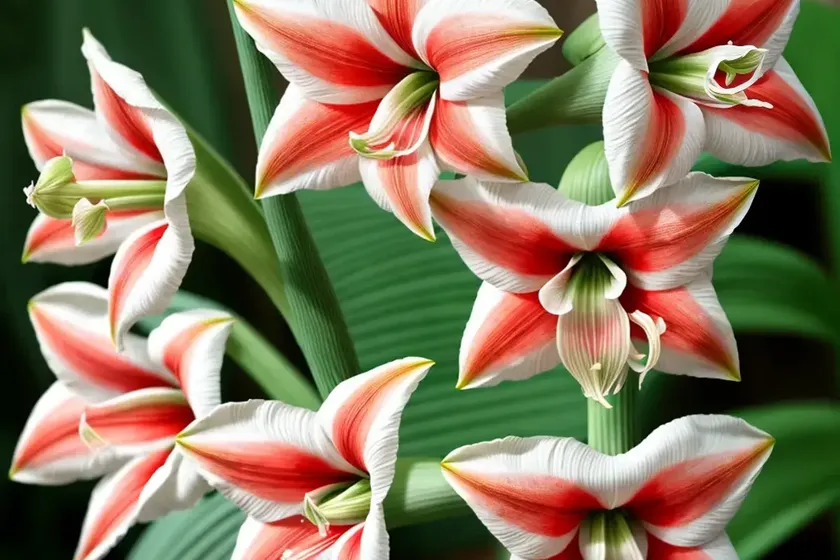
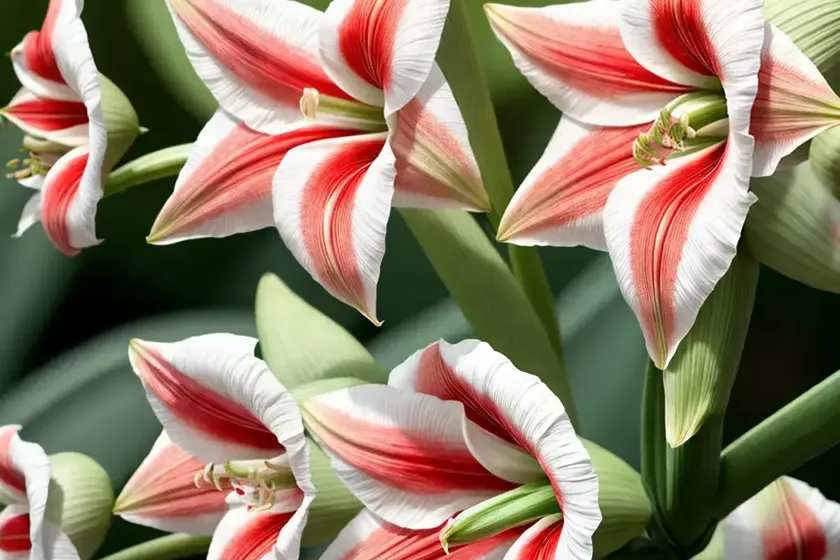
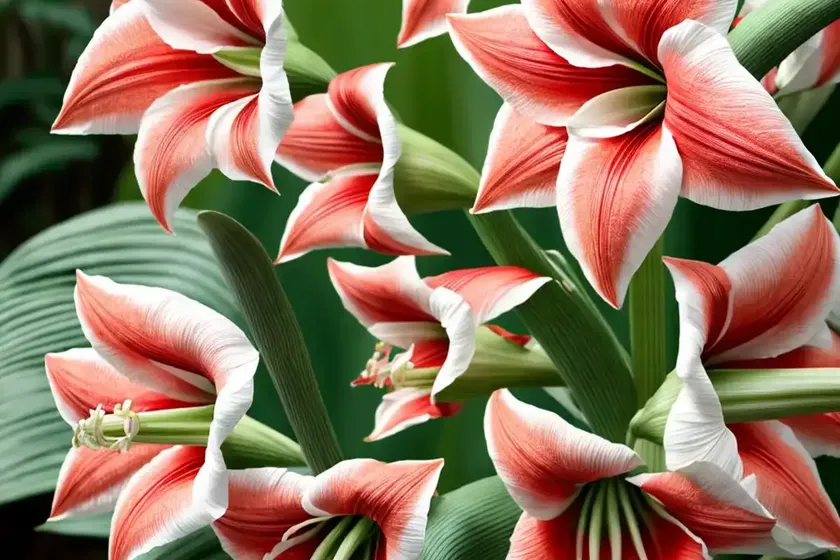
Hippeastrum papilio, commonly referred to as Butterfly Amaryllis, is a stunning flowering plant that belongs to the Amaryllidaceae family. Known for its exquisite and showy blooms, this species is native to the tropical regions of Brazil. The striking characteristics of the Butterfly Amaryllis include its large, trumpet-shaped flowers that display a unique coloration and pattern reminiscent of the delicate wings of a butterfly, hence the name “Butterfly Amaryllis.”
The flowers of Hippeastrum papilio boast a remarkable color combination of white, green, and maroon, creating a mesmerizing visual effect. The plant is a popular choice among gardening enthusiasts and is often cultivated for its ornamental value. With the right care and attention, the Butterfly Amaryllis can flourish and adorn indoor and outdoor spaces with its captivating display of blossoms.
Key Takeaways – Hippeastrum papilio (Butterfly Amaryllis)
Before delving into the specifics of cultivating and caring for Hippeastrum papilio, let’s highlight some key takeaways that will guide us through the intricate aspects of understanding and nurturing this remarkable plant:
- Common Name: Butterfly Amaryllis
- Scientific Name: Hippeastrum papilio
- Family: Amaryllidaceae
- Native Region: Brazil
- Distinctive Feature: Exquisite, butterfly-like blooms
- Growth Habit: Herbaceous perennial
- Uses: Ornamental purposes
- Challenges: Susceptibility to certain pests and diseases
Now that we have a foundational understanding of the plant, let’s embark on an insightful journey into the culture, uses, and cultivation of Hippeastrum papilio.
Culture
Cultivating Hippeastrum papilio involves understanding its specific requirements for optimal growth and development. From its preferred soil conditions to its watering needs, each aspect plays a crucial role in nurturing this exceptional plant.
Uses
The primary use of Hippeastrum papilio lies in its ornamental value. Its captivating blooms make it a sought-after choice for enhancing the visual appeal of gardens, indoor spaces, and even special events. The striking resemblance of its flowers to butterfly wings adds a touch of elegance and charm to any setting where it is displayed.
Water
Proper watering is essential to the health and vitality of Hippeastrum papilio. It is crucial to maintain a balanced approach to watering, ensuring that the plant receives adequate moisture without becoming waterlogged. The following guidelines can help ensure the right watering regimen for the Butterfly Amaryllis:
- Frequency: Water the plant when the top inch of the soil feels dry to the touch.
- Watering Technique: Use a watering can or a gentle hose spray to moisten the soil evenly.
- Drainage: Ensure that the container or planting area has adequate drainage to prevent waterlogging, which can lead to root rot.
It is important to strike a balance and avoid both underwatering, which can lead to wilting and stress, and overwatering, which can cause root suffocation and fungal issues.
Sunlight
Hippeastrum papilio thrives in bright, indirect sunlight. When cultivating this plant, it is essential to provide it with the appropriate light conditions that mimic its natural habitat. Here are some key considerations for meeting its sunlight requirements:
- Indoor Placement: Choose a location where the plant can receive ample indirect light, such as near a north or east-facing window.
- Outdoor Positioning: When growing outdoors, select a spot that offers partial shade to protect the plant from intense midday sun.
To ensure healthy growth and prolific flowering, it is essential to pay close attention to the plant’s exposure to sunlight and make adjustments as needed based on its response.
Fertilizer
Fertilizing Hippeastrum papilio is essential for promoting robust growth and vibrant blooms. Selecting a balanced fertilizer with the right nutrient composition is crucial for meeting the plant’s specific needs. Here are some key insights into fertilizing the Butterfly Amaryllis:
- Timing: Apply a balanced, water-soluble fertilizer every 2-4 weeks during the growing season, which typically spans from spring to early fall.
- Dilution: Dilute the fertilizer to half the recommended strength to prevent overfeeding, which can damage the plant.
- Cease Feeding: Reduce or cease fertilization during the plant’s dormancy period to align with its natural growth cycle.
By adhering to a well-managed fertilization regimen, you can support the Hippeastrum papilio in reaching its full potential and exhibiting stunning floral displays.
Soil
The choice of soil is a critical factor in ensuring the overall well-being of Hippeastrum papilio. The right soil composition can significantly impact the plant’s ability to absorb nutrients, maintain proper moisture levels, and establish a strong root system. Consider the following soil-related aspects when cultivating the Butterfly Amaryllis:
- Well-Draining Mix: Utilize a well-draining potting mix that provides adequate aeration for the roots and prevents water accumulation.
- Nutrient Content: Opt for a fertile, organic-rich soil mix to supply essential nutrients and support healthy growth.
- Acidity Level: Aim for a slightly acidic to neutral pH range (6.0-7.0) to create an optimal soil environment for the plant.
By addressing the soil needs of Hippeastrum papilio, you can lay a solid foundation for its growth and ensure a thriving and flourishing presence in your garden or indoor space.
Pruning
Pruning plays a crucial role in shaping the growth and appearance of Hippeastrum papilio. By carrying out selective pruning, you can foster a well-formed and visually appealing plant while also managing potential issues such as spent blooms and damaged foliage. Here are some key points to keep in mind when pruning the Butterfly Amaryllis:
- Deadheading: Remove spent flowers by snipping them off at the base to encourage the plant to channel its energy into producing new blooms.
- Leaf Maintenance: Trim yellowing or damaged leaves to promote a tidy and healthy appearance.
- Sterilization: Use clean, sharp pruning tools to prevent the spread of diseases and ensure precise cuts.
By incorporating regular pruning into your care routine, you can help Hippeastrum papilio maintain an attractive and vigorous growth pattern.
Propagation
Propagation offers an opportunity to expand your collection of Hippeastrum papilio and share the beauty of this plant with others. Understanding the various propagation methods and best practices is essential for achieving successful outcomes. Here are some key insights into propagating the Butterfly Amaryllis:
- Offsets: Propagate the plant by separating the offsets, or bulbils, that develop around the base of the parent bulb.
- Division: Divide large clusters of bulbs during the dormant season, ensuring that each division has sufficient roots and growing points.
- Seed Propagation: While less common, you can propagate Hippeastrum papilio from seeds, following specific guidelines for seed collection, germination, and nurturing the seedlings.
Careful attention to the propagation process can yield new, healthy specimens of Hippeastrum papilio and contribute to the abundance of this captivating plant.
Container Popularity
The allure of Hippeastrum papilio extends to its popularity as a container plant. Many gardening enthusiasts appreciate the versatility and aesthetic appeal that this plant brings to indoor and outdoor container displays. By incorporating the Butterfly Amaryllis into your container gardening endeavors, you can enjoy its captivating blooms up close and create visually stunning arrangements.
Common Diseases
While Hippeastrum papilio is generally robust, it is important to be mindful of potential diseases that can affect the plant. Understanding the signs and symptoms of common diseases is crucial for prompt intervention and effective management. Here are some prevalent diseases that may impact the health of the Butterfly Amaryllis:
- Botrytis Blight: A fungal disease that causes grayish mold on flowers and leaves, typically due to excessive moisture and poor air circulation.
- Leaf Scorch: Manifests as browning and drying of leaf tips, often caused by excessive sun exposure or inadequate watering.
Vigilance, proper care practices, and prompt treatment can help minimize the risk of disease and preserve the health and vitality of Hippeastrum papilio.
Disease Diagnosis
Accurately diagnosing diseases that affect Hippeastrum papilio is essential for implementing targeted treatment measures. Observing the plant for specific symptoms and changes can provide valuable insights into its health status. When assessing potential diseases, consider the following diagnostic aspects:
- Visual Symptoms: Look for characteristic signs such as mold growth, discoloration, leaf abnormalities, and wilting.
- Environmental Factors: Evaluate factors such as moisture levels, sunlight exposure, and air circulation that may contribute to disease development.
- Professional Guidance: Seek assistance from a plant health specialist or extension service if you encounter unfamiliar or persistent issues.
By honing your diagnostic skills and remaining attentive to the plant’s well-being, you can address disease concerns proactively and effectively.
Common Pests
Hippeastrum papilio may face challenges from certain pests that can compromise its growth and aesthetics. Identifying common pests and implementing appropriate control measures is crucial for preserving the plant’s health. Here are some pests that may impact the Butterfly Amaryllis:
- Aphids: Small, soft-bodied insects that feed on plant sap and excrete a sticky substance, leading to stunted growth and deformation of foliage.
- Spider Mites: These tiny arachnids can cause stippling on the leaves and create fine webbing, affecting the plant’s overall vigor.
By staying vigilant and adopting integrated pest management strategies, you can safeguard Hippeastrum papilio from pest infestations and maintain its beauty and vitality.
Botanist’s Tips
As a botanist with a passion for plants, I’ve had the privilege of studying and cultivating Hippeastrum papilio while uncovering invaluable insights into its care and characteristics. Here are some tips based on my experiences and observations that can enhance your journey with the Butterfly Amaryllis:
- Temperature Considerations: Protect Hippeastrum papilio from extreme temperatures, aiming for a range of 60-75°F (15-24°C) to support its well-being.
- Supportive Staking: Use stakes or supports for tall flower stalks to prevent them from bending or breaking, especially when the plant is in bloom.
- Seasonal Rest: Respect the plant’s natural dormancy period, reducing watering and ceasing fertilization to facilitate a period of rest and rejuvenation.
By integrating these botanist-approved tips into your care routine, you can elevate your interactions with Hippeastrum papilio and nurture its growth with confidence and expertise.
Fun Facts
Exploring the captivating world of Hippeastrum papilio unveils a treasure trove of interesting facts and anecdotes about this remarkable plant. Delight in these fascinating tidbits that add depth to your appreciation of the Butterfly Amaryllis:
- Botanical Rarity: Hippeastrum papilio is a prized, rare species cherished by plant enthusiasts for its distinct beauty and allure.
- Symbolism: The exquisite blooms of the Butterfly Amaryllis are often associated with themes of grace, elegance, and transformation, mirroring the symbolic significance of butterflies.
- Cultural Significance: In certain traditions and cultures, the flowers of Hippeastrum papilio hold symbolic meanings and are treasured for their artistic and aesthetic value.
With these intriguing facts, you can further immerse yourself in the enchanting world of Hippeastrum papilio and deepen your admiration for its unique characteristics.
Links to External Resources
To expand your knowledge and resources on Hippeastrum papilio and related topics, consider exploring the following external references:
- Royal Horticultural Society – Butterfly Amaryllis Care Guide
- American Society for the Prevention of Cruelty to Animals – Houseplants and Pets: Butterfly Amaryllis
- University of Florida IFAS Extension – Amaryllis Production Guide
By delving into these reputable resources, you can gain valuable insights and guidance to further enrich your understanding of Hippeastrum papilio and elevate your care practices.
In conclusion, Hippeastrum papilio stands as a remarkable testament to the beauty and diversity of the botanical world. From its stunning blooms to its unique characteristics, this plant captivates and enchants all who encounter it. By embracing the principles of effective care, understanding its specific needs, and nurturing it with dedication, you can cultivate a thriving and magnificent display of blossoms that embodies the allure and grace of the Butterfly Amaryllis.
So, whether you’re a seasoned horticulturist seeking to expand your collection or an enthusiastic novice ready to embark on an exciting plant journey, Hippeastrum papilio awaits as a captivating and rewarding companion in your botanical endeavors.
Remember, a deeper understanding of plants opens doors to new realms of beauty, inspiration, and connection with the remarkable natural world that surrounds us.
Keep Growing, Keep Exploring, and Keep Blooming with Hippeastrum papilio – The Butterfly Amaryllis!