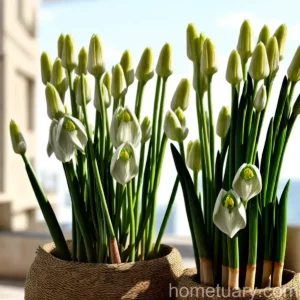
Plant Profile: Hosta ‘St. Elmo’s Fire’
What is Plant Hosta (Hosta ‘St. Elmo’s Fire’)?
The hosta (Hosta ‘St. Elmo’s Fire’) is a cultivar known for its striking appearance and versatility in gardens and landscapes. This perennial plant belongs to the Asparagaceae family and is cherished for its attractive foliage, varying from shades of green to blue and even gold, as well as its beautiful flowers that bloom in the summer. Hostas are a popular choice for shade gardens, as they thrive in low-light conditions.
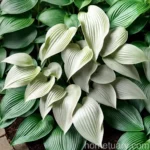
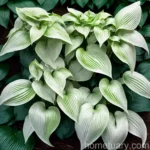
The ‘St. Elmo’s Fire’ hosta specifically is revered for its vibrant, dark green leaves with wide, rippled margins. Its unique coloration and texture make it a standout addition to any garden or landscape.
Key Takeaways – Hosta (Hosta ‘St. Elmo’s Fire’)
Before delving into the specifics of the hosta ‘St. Elmo’s Fire’, here’s an overview of the key takeaways for this plant:
Cultivar Name: Hosta (Hosta ‘St. Elmo’s Fire’)
Botanical Family: Asparagaceae
Foliage: Dark green leaves with wide, rippled margins
Flowering: Produces beautiful flowers in the summer
Sunlight: Thrives in shade, with some varieties tolerating more sun
Water: Requires consistent moisture, especially in the heat of summer
Soil: Well-draining, rich soil with ample organic matter
Maintenance: Regular watering, occasional fertilization, and division every few years
Now that we have an understanding of the hosta ‘St. Elmo’s Fire’, let’s explore each of these aspects in detail.
Culture
Uses
The ‘St. Elmo’s Fire’ hosta can be utilized in various ways within a garden or landscape:
- Shade Gardens: Hostas are ideal for shade gardens, where they can thrive and add lush greenery to areas with limited sunlight.
- Borders and Edging: Their compact, low-growing nature makes them perfect for borders and edging around trees, walkways, or garden beds.
- Containers: Hostas can be grown in containers, adding a touch of green to patios, balconies, or any outdoor space with limited planting areas.
- Focal Points: Larger hosta varieties, such as ‘St. Elmo’s Fire’, can serve as stunning focal points in landscaping.
Water
Proper watering is crucial for the ‘St. Elmo’s Fire’ hosta’s health and vigor. Here are some tips for watering this plant:
- Consistent Moisture: Hostas prefer consistently moist soil, especially during the heat of summer. Mulching can help retain soil moisture.
- Avoid Overwatering: While hostas require consistent moisture, they do not tolerate waterlogged soil. Ensure proper drainage to prevent waterlogged conditions.
Sunlight
Hostas are typically known for thriving in shade; however, the ‘St. Elmo’s Fire’ cultivar can tolerate some sun under the right conditions:
- Shade-Loving: Like most hostas, ‘St. Elmo’s Fire’ prefers shaded areas with limited direct sunlight.
- Sun Tolerance: While it thrives in shade, this cultivar can tolerate some morning sun or dappled sunlight, especially if the soil is consistently moist.
Fertilizer
Fertilization is essential for promoting healthy growth and vibrant foliage in hostas. Here’s how to approach fertilizing the ‘St. Elmo’s Fire’ hosta:
- Balanced Fertilizer: Apply a balanced, slow-release fertilizer in early spring to provide essential nutrients for the growing season.
- Avoid Overfeeding: While hostas benefit from fertilizer, avoid overfeeding, as this can result in excessive foliar growth at the expense of plant vigor.
Soil
The right soil conditions are key to the ‘St. Elmo’s Fire’ hosta’s success. Consider the following soil requirements:
- Well-Draining Soil: Hostas thrive in well-draining soil to prevent waterlogged conditions that can lead to root rot.
- Rich in Organic Matter: Amending the soil with organic matter such as compost or leaf mold helps provide essential nutrients and improves soil structure.
Pruning
Pruning hostas like ‘St. Elmo’s Fire’ is primarily centered on removing spent flower stalks and maintaining the plant’s overall appearance:
- Remove Flower Stalks: After the flowers have faded, prune the flower stalks to encourage the plant to focus its energy on leaf production.
- Tidy Up Foliage: As older leaves naturally fade, they can be gently removed to keep the plant looking neat and healthy.
Propagation
Dividing hostas is a common method of propagation, and ‘St. Elmo’s Fire’ is no exception. Here’s how to propagate this hosta cultivar:
- Division: In early spring, carefully dig up the hosta clump and divide it into smaller sections, ensuring each division has healthy roots and foliage.
- Replanting: Plant the divisions in suitable locations with well-prepared soil, and ensure they receive adequate water and care as they establish themselves.
Container Popularity
Hostas, including the ‘St. Elmo’s Fire’ cultivar, are increasingly popular for container gardening:
- Patio Gardens: Compact hosta varieties are well-suited for patio containers, adding greenery and texture to outdoor living spaces.
- Balcony Décor: Hostas can thrive in containers on balconies, providing an elegant touch of foliage in a limited space.
- Versatile Display: Containers allow for creative placement of hostas around the garden, patio, or outdoor seating areas.
Common Diseases
Hostas, including the ‘St. Elmo’s Fire’ cultivar, can be susceptible to certain diseases. Some common diseases that can affect hostas include:
Crown Rot
- Symptoms: Soft, decaying tissue at the base of the plant, wilting, and stunted growth.
- Prevention: Ensure good drainage, avoid overwatering, and plant hostas at proper soil level to prevent crown rot.
Foliar Nematodes
- Symptoms: Yellowing, browning, and distorted foliage, often with dark streaks and lesions.
- Prevention: Keep the garden clean, avoid overcrowding, and remove and destroy infected leaves to prevent the spread of nematodes.
Slugs and Snails
- Symptoms: Irregular holes and damage on foliage, especially in the spring and during wet periods.
- Control: Use organic or chemical slug and snail controls, such as beer traps or copper barriers, to protect hostas from these pests.
Leaf Spot Diseases
- Symptoms: Circular, brown spots on the foliage, which may coalesce and lead to extensive damage.
- Prevention: Ensure good air circulation, avoid overhead watering, and remove and dispose of infected leaves.
Disease Diagnosis
If you notice any unusual symptoms or changes in the health of your ‘St. Elmo’s Fire’ hosta, it’s essential to properly diagnose the issue before treatment. Reach out to your local agricultural extension service or a plant health professional for accurate diagnosis and recommendations for managing any potential diseases.
Common Pests
In addition to diseases, ‘St. Elmo’s Fire’ and other hostas can be affected by various pests. Some common pests that may impact hostas include:
Aphids
- Symptoms: Clusters of soft-bodied insects on new growth, causing distorted leaves and honeydew buildup.
- Control: Use insecticidal soap or horticultural oil to control aphid populations on hostas.
Snails and Slugs
- Symptoms: Irregular holes and damage on foliage, especially in damp conditions.
- Control: Employ organic or chemical methods, such as hand-picking, barriers, or baits, to manage snails and slugs.
Deer
- Symptoms: Browsing damage on leaves and flowers, particularly in areas with high deer populations.
- Control: Use physical barriers, repellents, or plants that are less appealing to deer to protect hostas from deer browsing.
Hosta Virus X
- Symptoms: Streaking or mottling of the foliage, stunted growth, and overall decline in plant health.
- Prevention: Purchase hostas from reputable sources to avoid introducing infected plants, and promptly remove and destroy any infected specimens.
Botanist’s Tips
As a plant scientist, I’ve gathered some insightful tips for growing and caring for the ‘St. Elmo’s Fire’ hosta:
- Mulch Matters: Applying a layer of organic mulch around hostas helps retain soil moisture and suppresses weed growth.
- Division Timing: Divide hostas in early spring as new growth emerges, allowing the divisions to establish before the full onset of summer.
- Soil Testing: Periodically test the soil to ensure the pH and nutrient levels are suitable for healthy hosta growth.
Fun Facts
Uncover some interesting tidbits about hostas and the ‘St. Elmo’s Fire’ cultivar:
- Historical Roots: Hostas have been cultivated in Japan for centuries and are a staple in Japanese shaded gardens.
- Edible Shoots: In some cultures, young hosta shoots are harvested and used as a culinary delicacy.
- Magnetic Flowers: Hosta flowers are known to attract hummingbirds and other pollinators to the garden.
Links to External Resources
For further exploration of hostas, ‘St. Elmo’s Fire’, and related topics, consider the following external resources:
- American Hosta Society: The official organization dedicated to the study and appreciation of hostas.
- Hosta Library: An extensive online resource with a wealth of information on hosta varieties, cultivation, and care.
- The Hosta Helper: A valuable source for hosta enthusiasts, offering articles and insights on hosta gardening.
In conclusion, hostas, particularly the ‘St. Elmo’s Fire’ cultivar, are fascinating plants with incredible diversity and adaptability. Whether incorporated into shaded gardens, used as border plants, or showcased in containers, hostas contribute to the beauty and allure of any landscape. By understanding their cultural needs, identifying common diseases and pests, and utilizing botanist-approved tips, gardeners can cultivate thriving ‘St. Elmo’s Fire’ hostas that captivate and enrich outdoor spaces.