Hibiscus syriacus (Rose of Sharon): A Comprehensive Guide
Hibiscus syriacus, commonly known as Rose of Sharon, is a versatile and beautiful flowering shrub that belongs to the hibiscus family. This plant is prized for its stunning blossoms and easy-to-care-for nature, making it a popular choice for gardens, landscapes, and container planting. In this comprehensive guide, we will delve into the characteristics of Hibiscus syriacus, its cultivation, uses, maintenance, and much more. Whether you are a seasoned gardener or a beginner looking to enhance your green space, this guide will provide you with all the essential information needed to grow and care for this captivating plant.
What is Hibiscus syriacus (Rose of Sharon)?
Hibiscus syriacus, also known as Rose of Sharon, is a deciduous flowering shrub native to eastern Asia. It is a member of the Malvaceae family, which includes several hundred species, many of which are known for their beautiful and showy flowers. The botanical name “Hibiscus” is derived from the Greek word “hibiskos,” while “syriacus” refers to its origin in Syria.
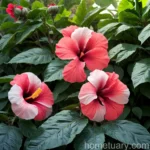
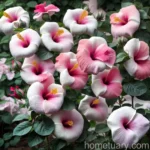
Rose of Sharon is a multi-stemmed shrub that can reach a height of 8 to 12 feet, with a spread of 4 to 10 feet, creating a substantial presence in the landscape. The plant produces large, trumpet-shaped flowers in an array of colors, including shades of white, pink, purple, and blue. These flowers typically have a prominent red or maroon throat, adding to their allure.
The foliage of Hibiscus syriacus is also noteworthy, featuring deep green, lobed leaves that provide an elegant backdrop to the vibrant flowers. Additionally, the plant’s bark is smooth and gray, contributing to its visual appeal even during the dormant season.
Key Takeaways – Hibiscus syriacus (Rose of Sharon)
Let’s delve into the key takeaways when it comes to understanding and caring for Hibiscus syriacus. Below are the essential aspects that will be explored in detail throughout this comprehensive guide:
-
Culture:
- Native Regions of Rose of Sharon
- Suitable Climate for Rose of Sharon
- Growth Rate of Hibiscus syriacus
- Soil pH Requirements for Rose of Sharon
- Drought Tolerance of Hibiscus syriacus
- Heat Tolerance of Hibiscus syriacus
- Soil Drainage for Optimal Growth of Hibiscus syriacus
-
Uses:
- Uses of Hibiscus syriacus in Herbal Medicine
- Benefits of Hibiscus syriacus in Gardens
- Hibiscus syriacus as a Hedge Plant
- Rose of Sharon for Wildlife Gardens
- Hibiscus syriacus Attracting Pollinators
- Rose of Sharon as a Privacy Screen
- Rose of Sharon for Coastal Gardens
- Hibiscus syriacus and Butterfly Gardens
- Companion Herbs for Rose of Sharon
-
Water:
- Watering Needs of Rose of Sharon Plants
- Rose of Sharon and Water Conservation
-
Sunlight:
- Sunlight Requirements for Hibiscus syriacus
-
Fertilizer:
- Feeding Requirements for Rose of Sharon
-
Soil:
- Best Soil for Rose of Sharon
-
Pruning:
- Hibiscus syriacus Pruning Tips
- Pruning Techniques for Rose of Sharon
- Pruning Timing for Rose of Sharon
-
Propagation:
- Propagating Hibiscus syriacus
- Hibiscus syriacus Propagation Methods
-
Container:
- Rose of Sharon as a Container Plant
- Hibiscus syriacus for Shaded Areas
- Rose of Sharon for Container Gardens
-
Popularity:
- Hibiscus syriacus Varieties
- Hibiscus syriacus Lifespan
- Rose of Sharon Flower Colors
-
Common Diseases:
- Common Diseases Affecting Hibiscus syriacus
- Disease Diagnosis
-
Common Pests:
- Common Pests
-
Botanist’s Tips:
- Companion Plants for Rose of Sharon
- Hibiscus syriacus in Landscaping
- Hibiscus syriacus as a Focal Point in the Garden
- Hibiscus syriacus in Mixed Borders
- Rose of Sharon and Wind Resistance
- Rose of Sharon for Small Gardens
With these key takeaways in mind, let’s explore each aspect in detail to gain a comprehensive understanding of Hibiscus syriacus and how to care for this captivating plant.
Culture
Native Regions of Rose of Sharon
Hibiscus syriacus is native to eastern Asia, particularly regions such as Korea, China, and India. In its native habitats, Rose of Sharon thrives in a variety of climates, from temperate to subtropical, showcasing its adaptability to different environmental conditions.
Suitable Climate for Rose of Sharon
The Rose of Sharon plant is well-suited to USDA hardiness zones 5 to 9, making it an ideal choice for a wide geographical range. It is adaptable to various climate conditions, displaying tolerance to both cold and heat. However, it is important to consider local climate variations and provide adequate protection during extreme weather conditions, especially in regions at the periphery of its recommended hardiness zones.
Growth Rate of Hibiscus syriacus
Hibiscus syriacus is known for its moderate to fast growth rate, making it an excellent choice for gardeners seeking a plant that can establish itself relatively quickly. With optimal growing conditions and proper care, this shrub can exhibit vigorous growth, filling in spaces and providing abundant blooms in a relatively short time.
Soil pH Requirements for Rose of Sharon
The ideal soil pH for Rose of Sharon plants ranges from 5.5 to 7.5. It thrives in slightly acidic to neutral soil conditions, and ensuring the appropriate pH levels is essential for the plant to uptake nutrients effectively and maintain its overall health and vigor.
Drought Tolerance of Hibiscus syriacus
Hibiscus syriacus demonstrates a commendable level of drought tolerance, once established. While it is important to provide adequate moisture, especially during the initial growing stages and in extreme heat, mature Rose of Sharon plants exhibit resilience during periods of reduced water availability. However, it is essential to note that prolonged drought stress can affect flowering and overall plant health, emphasizing the importance of balanced watering practices.
Heat Tolerance of Hibiscus syriacus
The Rose of Sharon plant exhibits a high level of heat tolerance, making it suitable for regions with warm summer temperatures. It can endure prolonged periods of heat and sunlight, provided that it receives sufficient moisture and is not subjected to extreme conditions without the necessary protection.
Soil Drainage for Optimal Growth of Hibiscus syriacus
Well-draining soil is essential for the optimal growth of Hibiscus syriacus. Ensuring good soil drainage prevents waterlogging and potential root rot, helping to maintain a healthy root system. Amending the soil with organic matter can improve its drainage capacity and promote an ideal growing environment for Rose of Sharon plants.
Uses
Uses of Hibiscus syriacus in Herbal Medicine
Beyond its ornamental value, various parts of the Hibiscus syriacus plant have been utilized for their medicinal properties. In traditional herbal medicine, the flowers, leaves, and bark of Rose of Sharon have been employed to address a range of health concerns, including:
-
Fever Reduction: The flowers of Hibiscus syriacus have been used to reduce fever, often prepared as a herbal tea or infusion.
-
Anti-inflammatory Properties: Both the leaves and bark of the plant have been recognized for their potential anti-inflammatory effects, with applications in traditional herbal remedies.
-
Respiratory Health: Infusions or extracts derived from Rose of Sharon have been employed to promote respiratory health and alleviate symptoms of coughs and colds.
-
Skin Healing: The application of certain formulations derived from Hibiscus syriacus has been associated with promoting skin healing and addressing minor skin irritations.
Given these traditional uses, it is important to seek guidance from qualified herbalists or healthcare professionals before incorporating any plant-based remedies into your health regimen.
Benefits of Hibiscus syriacus in Gardens
Hibiscus syriacus offers numerous benefits when incorporated into gardens and landscapes, making it a valuable addition to various outdoor settings. Some of the notable advantages of cultivating Rose of Sharon include:
-
Ornamental Value: The showy and vibrant flowers of Hibiscus syriacus add an aesthetic appeal to gardens, providing a colorful focal point during the blooming season.
-
Wildlife Attraction: The nectar-rich flowers of Rose of Sharon attract pollinators such as bees, butterflies, and hummingbirds, contributing to the overall biodiversity of the garden.
-
Privacy Screen: With its dense growth habit, Hibiscus syriacus can be utilized to create privacy screens or natural barriers within the landscape, offering a visually appealing alternative to traditional fencing.
-
Versatile Landscaping Element: Rose of Sharon can be incorporated into various landscaping designs, including mixed borders, hedges, and container displays, showcasing its versatility in fulfilling different aesthetic and functional roles.
-
Long Blooming Season: The extended blooming period of Hibiscus syriacus ensures a prolonged display of flowers, maintaining visual interest throughout the summer and into early fall.
Hibiscus syriacus as a Hedge Plant
The dense growth habit and height potential of Hibiscus syriacus make it well-suited for use as a hedge plant, providing both visual appeal and functional benefits. When cultivated as a hedge, the Rose of Sharon plant can create a natural boundary, offer privacy, and contribute to the overall structure and design of the garden. Proper pruning and maintenance are essential for shaping Rose of Sharon into an attractive and effective hedge.
Rose of Sharon for Wildlife Gardens
In wildlife gardens and nature-friendly landscapes, Rose of Sharon serves as a valuable resource for attracting and supporting diverse forms of wildlife. The nectar-rich flowers are particularly attractive to bees, hummingbirds, and butterflies, facilitating essential pollination processes and contributing to the ecological balance within the garden. By incorporating Hibiscus syriacus into wildlife-friendly spaces, gardeners can actively participate in conserving and preserving local biodiversity.
Hibiscus syriacus Attracting Pollinators
The profusion of nectar-rich flowers of Rose of Sharon serves as a magnet for pollinators, playing a vital role in supporting beneficial insects and avian species. By attracting bees, butterflies, and hummingbirds, Hibiscus syriacus contributes to the pollination of surrounding plants, thereby enhancing overall garden health and productivity.
Rose of Sharon as a Privacy Screen
The dense foliage and moderate to tall stature of Rose of Sharon make it an excellent candidate for creating privacy screens and windbreaks within the landscape. Whether used as a single-species hedge or incorporated into mixed plantings, Hibiscus syriacus offers an attractive and natural solution for enhancing privacy and delineating outdoor spaces.
Rose of Sharon for Coastal Gardens
In coastal regions, where salt-laden winds and sandy soils pose challenges for many plants, Hibiscus syriacus can thrive and contribute to the aesthetic appeal of coastal gardens. Its adaptability to moderately salty conditions and tolerance of coastal winds make it a suitable choice for beachfront properties and gardens situated near the ocean.
Hibiscus syriacus and Butterfly Gardens
Butterfly gardens, designed to attract and support butterfly populations, can benefit from the inclusion of Hibiscus syriacus. The abundance of nectar provided by its flowers serves as a valuable food source for butterflies, fostering their presence and contributing to the enchanting charm of butterfly-friendly garden spaces.
Companion Herbs for Rose of Sharon
Companion planting offers numerous benefits, including pest management, improved pollination, and enhanced aesthetic appeal. When considering companion herbs for Rose of Sharon, gardeners can explore options that complement the attributes of Hibiscus syriacus while providing additional benefits to the garden ecosystem. Some herbs that can thrive alongside Rose of Sharon include:
-
Lavender (Lavandula spp.): With its fragrant blooms and bee-attracting qualities, lavender enhances the appeal of gardens while providing beneficial support for pollinators.
-
Thyme (Thymus spp.): This versatile herb offers low-growing foliage, attracting beneficial insects and presenting an attractive visual contrast when planted alongside Rose of Sharon.
-
Sage (Salvia spp.): The vibrant blooms and aromatic foliage of sage make it a charming companion for Hibiscus syriacus, contributing to the overall allure of the garden while supporting pollinator activity.
Selecting suitable companion herbs for Rose of Sharon can enhance the overall garden environment, creating a harmonious and mutually beneficial setting for diverse plant species to thrive.
Water
Watering Needs of Rose of Sharon Plants
Proper watering is crucial for the health and vitality of Hibiscus syriacus plants. While Rose of Sharon demonstrates a level of drought tolerance once established, it is important to ensure consistent moisture, especially during the early stages of growth and during periods of extended heat and dryness. Adequate watering helps promote healthy flowering and overall plant vigor.
Rose of Sharon and Water Conservation
In regions where water conservation is a priority, it is beneficial to incorporate practices and strategies that optimize water usage while maintaining the health of garden plants. When cultivating Rose of Sharon in water-conscious landscapes, some water conservation measures and considerations include:
-
Mulching: Applying a layer of organic mulch around the base of Rose of Sharon plants helps retain soil moisture, reducing the frequency of watering and minimizing water loss through evaporation.
-
Efficient Irrigation: Utilizing efficient irrigation methods, such as drip irrigation or soaker hoses, can target water delivery to the root zone of Hibiscus syriacus, maximizing water utilization and reducing waste.
-
Rainwater Harvesting: Capturing and utilizing rainwater for irrigation purposes can supplement the water needs of garden plants, including Rose of Sharon, while reducing reliance on traditional water sources.
-
Drought-Tolerant Plant Pairings: When designing landscapes with water conservation in mind, pairing Rose of Sharon with drought-tolerant plants can create resilient and water-efficient garden compositions, minimizing overall water demands.
Incorporating water-conscious practices when caring for Rose of Sharon not only benefits the plant but also contributes to sustainable and environmentally responsible gardening.
Sunlight
Sunlight Requirements for Hibiscus syriacus
Hibiscus syriacus thrives in full sun to partial shade, requiring at least 6 hours of direct sunlight per day for optimal growth and flowering. When provided with sufficient sunlight, Rose of Sharon exhibits vigorous growth and abundant blooms, contributing to its ornamental value in the garden.
Fertilizer
Feeding Requirements for Rose of Sharon
Proper fertilization supports the growth, flowering, and overall health of Hibiscus syriacus plants. When it comes to feeding Rose of Sharon, it is essential to select fertilizers that are specifically formulated for flowering shrubs and to apply them at the appropriate times. A balanced, slow-release fertilizer with a formulation such as 10-10-10 can provide the necessary nutrients to promote healthy growth and prolific flowering. Additionally, organic amendments, such as compost or well-rotted manure, can be incorporated into the soil to enhance its fertility and provide sustained nourishment to Rose of Sharon plants.
Soil
Best Soil for Rose of Sharon
Hibiscus syriacus thrives in well-draining, moderately fertile soil with a slightly acidic to neutral pH. Loamy or sandy loam soil types are well-suited for Rose of Sharon, providing a balanced growing medium that supports healthy root development and overall plant vigor.
Pruning
Hibiscus syriacus Pruning Tips
Pruning is an essential aspect of caring for Hibiscus syriacus, helping to maintain its shape, encourage flowering, and control its size. Some key pruning tips for Rose of Sharon include:
-
Timing: Pruning is best conducted during the dormant season, typically in late winter or early spring, before new growth begins. This timing allows the plant to recover and initiate new growth as the weather warms up.
-
Deadheading: Regular deadheading of spent flowers promotes continuous blooming and prevents the formation of seed pods, directing the plant’s energy towards producing additional blooms.
-
Thinning: Thinning out excessive growth, weak or crossing branches, and old wood helps improve air circulation within the plant, reducing the risk of disease and promoting overall plant health.
-
Shaping: When shaping Rose of Sharon, it is advisable to maintain a balanced and symmetrical appearance, especially in the case of formal hedges or topiary forms.
-
Rejuvenation Pruning: Periodic rejuvenation pruning, which involves cutting back older branches to encourage new growth, can revitalize overgrown or neglected Rose of Sharon plants, resulting in a more vigorous and aesthetically pleasing shrub.
Propagation
Propagating Hibiscus syriacus
Propagating Hibiscus syriacus can be achieved through various methods, allowing gardeners to expand their plant collection or share Rose of Sharon with others. The primary methods for propagating Hibiscus syriacus include:
-
Softwood Cuttings: Softwood cuttings taken in early summer can be rooted to produce new plants. Select healthy, non-flowering shoots and prepare them for rooting in a suitable growing medium.
-
Hardwood Cuttings: Hardwood cuttings collected in late winter are prepared and rooted to propagate new Rose of Sharon plants. These cuttings are often taken from the previous season’s growth and are relatively easy to root under favorable conditions.
-
Division: Division is another means of propagating Hibiscus syriacus, whereby mature plants are carefully divided into sections, ensuring that each division has sufficient roots and shoots to establish itself as a new plant.
-
Seed Propagation: While less commonly utilized, Rose of Sharon can also be propagated from seeds. However, it is important to note that plants grown from seed may exhibit some degree of variability in flower color and other traits, and the process may take longer to produce mature flowering plants.
Each propagation method offers unique advantages and considerations, and selecting the most suitable approach is based on individual preferences and the availability of plant material.
Hibiscus syriacus Propagation Methods
Propagating Hibiscus syriacus through softwood or hardwood cuttings involves several essential steps to ensure successful establishment and growth of new plants. The following are the basic procedures for propagating Rose of Sharon through cuttings:
-
Selecting and Preparing Cuttings: Choose healthy, non-flowering shoots for softwood cuttings or mature, non-flowering branches for hardwood cuttings. Remove excess foliage and prepare the cuttings by making clean, angled cuts just below a node.
-
Rooting Medium: Prepare a suitable rooting medium, such as a well-draining mixture of perlite and peat moss, or use a specialized propagation medium designed for rooting cuttings.
-
Rooting Hormone: Optional use of rooting hormone powder or gel can promote root development and increase the likelihood of successful rooting.
-
Planting and Care: Insert the prepared cuttings into the rooting medium, ensuring that at least two nodes are buried below the surface. Provide consistent moisture