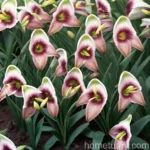
Plant Scientist’s Guide to Fritillaria imperialis ‘Aurora’ (Crown Imperial)
Plants have always mesmerized and intrigued humans with their beauty, diversity, and significance. As a plant scientist, I have had the privilege of delving into the world of plants and exploring their intricacies. Today, I will be sharing my expertise and insights on one of the most stunning and captivating plants – the Fritillaria imperialis ‘Aurora,’ commonly known as the Crown Imperial.
What is Fritillaria imperialis ‘Aurora’ (Crown Imperial)?
Fritillaria imperialis ‘Aurora’ is a majestic flowering plant that belongs to the Fritillaria genus within the Liliaceae family. This species is native to the temperate regions of the Himalayas and is revered for its striking appearance and vibrant flowers. The plant is characterized by its tall stems adorned with a crown of drooping, bell-shaped flowers, which are typically orange or yellow in color.
Fritillaria Imperialis ‘Aurora’ Description
The Fritillaria imperialis ‘Aurora’ is renowned for its regal bearing and awe-inspiring floral display. The plant features a tall, erect stem that can reach heights of up to 3 to 4 feet (90 to 120 cm), topped with a cluster of pendant, bell-shaped blooms. The flowers, which can measure around 2 to 3 inches (5 to 7.5 cm) in diameter, exhibit vibrant shades of orange and yellow, often with subtle hints of red and green, creating a truly captivating spectacle.
The foliage of the Crown Imperial is equally remarkable, comprising long, lance-shaped leaves arranged in whorls around the upper portions of the stem. The lush, green foliage serves as an elegant backdrop to the resplendent blooms, further enhancing the plant’s visual appeal.
Key Takeaways – Fritillaria imperialis ‘Aurora’ (Crown Imperial)
Before delving into the detailed care and cultivation of Fritillaria imperialis ‘Aurora,’ it’s essential to grasp the key takeaways that will govern the successful nurturing of this magnificent plant.
Fritillaria imperialis ‘Aurora’ Key Takeaways
-
Distinctive Appearance: The Crown Imperial is renowned for its majestic stature, adorned with a crown of pendulous, bell-shaped flowers in vibrant hues of orange and yellow.
-
Regal Bearing: The plant’s imposing presence and striking floral display exude an air of regality, making it a standout feature in any garden or landscape.
-
Himalayan Origins: Originating from the temperate regions of the Himalayas, Fritillaria imperialis ‘Aurora’ thrives in climates that mimic its native habitat.
-
Cultural Significance: The Crown Imperial holds cultural and symbolic significance in various regions and is often associated with themes of royalty and grandeur.
-
Specialized Care: Growing and caring for Fritillaria imperialis ‘Aurora’ necessitates specific cultural practices tailored to its unique requirements and characteristics.
Now that we have acquainted ourselves with the foundational aspects of the Crown Imperial, let’s delve into the intricate details of cultivating and caring for this extraordinary plant.
Culture
Cultivating Fritillaria imperialis ‘Aurora’ demands a nuanced approach that caters to its distinct cultural requirements. From soil composition to sunlight exposure, understanding and accommodating the plant’s cultural needs is crucial for fostering its optimal growth and development.
Fritillaria Imperialis ‘Aurora’ Culture
-
Soil: The Crown Imperial thrives in well-draining, loamy soil with a slightly acidic to neutral pH range of 6.0 to 7.5. The soil should be rich in organic matter to support robust growth and flowering.
-
Sunlight: Fritillaria imperialis ‘Aurora’ flourishes in full to partial sunlight. It requires at least 6 to 8 hours of direct sunlight daily to fuel its photosynthetic processes and promote vigorous blooming.
-
Water: Adequate moisture is essential for the Crown Imperial, especially during the growing season. However, it is crucial to ensure that the soil does not become waterlogged, as excessive moisture can lead to root rot and other detrimental conditions.
-
Fertilizer: Applying a balanced, slow-release fertilizer in early spring can bolster the plant’s growth and flowering performance. Opt for a formulation with a higher phosphorus content to encourage robust flower development.
-
Pruning: While the Crown Imperial does not necessitate extensive pruning, removing spent blooms and yellowing foliage can maintain a tidy appearance and channel the plant’s energy into new growth.
Uses
Fritillaria imperialis ‘Aurora’ serves a multitude of purposes, ranging from ornamental adornment to medicinal and cultural significance. Understanding the diverse uses of the Crown Imperial sheds light on its overarching relevance and appeal across various contexts.
Fritillaria Imperialis ‘Aurora’ Uses
-
Ornamental Beauty: The striking appearance of the Crown Imperial makes it a favored choice for ornamental plantings in gardens, parks, and botanical landscapes, where its regal bearing and vibrant flowers captivate the beholder.
-
Medicinal Properties: Certain species of Fritillaria, including Fritillaria cirrhosa and Fritillaria thunbergii, are utilized in traditional Chinese medicine for their purported medicinal properties, which include addressing respiratory ailments.
-
Cultural Significance: The Crown Imperial holds cultural and symbolic significance in various traditions, where it is often associated with themes of royalty, grandeur, and timeless elegance.
-
Pollinator Attraction: The nectar-rich blooms of Fritillaria imperialis ‘Aurora’ attract pollinators such as bees and butterflies, contributing to the ecological balance and biodiversity of the surrounding environment.
-
Cut Flowers: The pendulous blooms of the Crown Imperial lend themselves beautifully to floral arrangements, adding a touch of splendor and sophistication to bouquets and indoor displays.
Water
Watering plays a pivotal role in the overall health and vitality of Fritillaria imperialis ‘Aurora.’ Striking a balance between adequate moisture and avoiding waterlogged conditions is imperative for fostering optimal growth and flowering.
Fritillaria Imperialis ‘Aurora’ Water Requirements
-
Moderate Moisture: The Crown Imperial thrives in soil that maintains a moderate level of moisture. During the growing season, ensure that the soil remains consistently moist but not waterlogged.
-
Avoid Waterlogged Conditions: Excessive water accumulation in the soil can lead to root rot and other detrimental conditions. Implement proper drainage measures to prevent waterlogging, especially in areas with heavy or clayey soil.
-
Drought Tolerance: While the Crown Imperial appreciates consistent moisture, it also exhibits a degree of drought tolerance once established. However, prolonged periods of drought can compromise flowering and overall plant health.
-
Watering Frequency: Adjust the frequency of watering based on prevailing weather conditions. During hot and dry spells, increase the frequency of watering to sustain the plant’s moisture requirements.
-
Morning Watering: It is advisable to water the Crown Imperial in the morning, allowing excess moisture to evaporate during the day and minimizing the risk of fungal diseases caused by prolonged dampness.
Sunlight
Sunlight stands as a fundamental determinant of the Crown Imperial’s growth, flowering, and overall vigor. Understanding the plant’s sunlight requirements is essential for optimizing its performance and ornamental value.
Fritillaria Imperialis ‘Aurora’ Sunlight Exposure
-
Full to Partial Sun: Fritillaria imperialis ‘Aurora’ thrives in full to partial sunlight, necessitating at least 6 to 8 hours of direct sunlight daily for robust growth and prolific flowering.
-
Southern Exposure: In regions with hot and intense sunlight, providing the Crown Imperial with partial shade during the hottest part of the day can shield the plant from excessive heat and prevent sunscald.
-
Northern Exposure: In cooler climates, positioning the plant in a location that receives adequate sunlight throughout the day is crucial for stimulating vigorous growth and ensuring abundant blooming.
-
Indoor Cultivation: When cultivating Fritillaria imperialis ‘Aurora’ indoors, place it in a bright, sunny location that receives ample natural light to support its growth and flowering requirements.
-
Sunlight Intensity: While the Crown Imperial thrives in ample sunlight, it is essential to monitor and regulate sunlight intensity, especially in regions with scorching summers, to prevent sun damage to the foliage and flowers.
Fertilizer
Supplying the Crown Imperial with appropriate nutrients is pivotal for nurturing robust growth and ensuring a profusion of vibrant blooms. Deploying a balanced and targeted fertilizer regimen can significantly augment the plant’s overall health and flowering performance.
Fritillaria Imperialis ‘Aurora’ Fertilization
-
Early Spring Feeding: Apply a balanced, slow-release fertilizer in early spring to coincide with the onset of active growth. Opt for a formulation with higher phosphorus content to promote vigorous flower development.
-
Avoid Excessive Nitrogen: While nitrogen is essential for promoting lush foliage, excessive nitrogen can impede flower formation and lead to an imbalance in the plant’s nutrient uptake.
-
Organic Amendments: Incorporating organic amendments such as well-rotted compost, aged manure, or organic mulches can enrich the soil, fortify its structure, and contribute to the plant’s nutritional needs.
-
Liquid Fertilization: Administering a diluted, water-soluble fertilizer during the growing season can provide an additional nutrient boost, especially if the plant exhibits signs of nutrient deficiencies or slow growth.
-
Avoid Overfertilization: Exercise caution to avoid overfertilizing the Crown Imperial, as excessive nutrient concentrations can result in chemical burns, nutrient imbalances, and adverse effects on soil microorganisms.
Soil
The soil constitutes the foundation upon which the vitality and resilience of the Crown Imperial hinge. Understanding the ideal soil composition and structure is crucial for creating an optimal growing environment that fosters the plant’s flourishing.
Fritillaria Imperialis ‘Aurora’ Soil Requirements
-
Well-Draining Composition: Fritillaria imperialis ‘Aurora’ thrives in well-draining soil that prevents the accumulation of excess moisture around the roots. Loamy soils with good aeration and drainage capabilities are particularly well-suited for the plant.
-
Acidic to Neutral pH: The ideal soil pH for the Crown Imperial ranges from slightly acidic to neutral, approximately 6.0 to 7.5. Ensuring a favorable soil pH facilitates proper nutrient uptake and supports the plant’s physiological processes.
-
Organic Enrichment: Amending the soil with organic matter such as compost, leaf mold, or well-rotted manure enhances its fertility, structure, and capacity to retain moisture, thereby creating an optimal substrate for the plant’s growth.
-
Avoid Waterlogged Soil: Implement measures to prevent waterlogging, especially in areas with heavy or clayey soil. Adequate drainage is essential for averting conditions that can lead to root rot and other root-related disorders.
-
Soil Texture: The Crown Imperial thrives in loamy soil that strikes a balance between sand, silt, and clay particles, offering a blend of good drainage, water retention, and nutrient-holding capacity.
Pruning
While Fritillaria imperialis ‘Aurora’ does not necessitate extensive pruning, a measure of selective maintenance can enhance its aesthetic appeal and promote the plant’s overall vigor and vitality.
Pruning Tips for Fritillaria Imperialis ‘Aurora’
-
Removal of Spent Blooms: Deadheading the spent blooms of the Crown Imperial can redirect the plant’s energy into vegetative growth and the production of new flower buds, promoting prolonged and robust flowering.
-
Yellowing Foliage Removal: Periodically removing yellowing or senescent foliage can maintain the plant’s visual appeal and prevent the onset of diseases or pest infestations associated with decaying plant material.
-
Minimal Intervention: Avoid excessive or unnecessary pruning, as the Crown Imperial relies on its foliage to conduct photosynthesis and store energy for future growth and flowering cycles.
-
Sanitization: If pruning becomes necessary, utilize clean, sharp pruning tools to minimize the risk of introducing pathogens or causing mechanical damage to the plant’s tissues.
-
Post-Flowering Pruning: Post-flowering pruning can entail the removal of any damaged, diseased, or overcrowded stems or foliage, promoting air circulation and preventing the spread of diseases.
Propagation
Propagating Fritillaria imperialis ‘Aurora’ is an intriguing endeavor that allows for the expansion of its ornamental presence and the perpetuation of its exquisite traits. Gaining proficiency in the propagation techniques for the Crown Imperial opens avenues for multiplying its presence and perpetuating its cultural and horticultural significance.
Propagation Techniques for Fritillaria Imperialis ‘Aurora’
-
Seed Propagation: Harvesting and sowing fresh seeds of the Crown Imperial is a primary method for propagating the plant. Sow the seeds in well-draining soil in a controlled environment, ensuring adequate moisture and light for successful germination.
-
Offsets or Bulblets: Offsets or bulblets produced at the base of mature Fritillaria imperialis ‘Aurora’ plants can be carefully detached and replanted to initiate new growth. Ensure that the offsets possess viable root systems for successful establishment.
-
Division: Dividing the rhizomatous root system of the Crown Imperial is another means of propagation. Use a sharp, sterile knife to carefully divide the rhizomes into sections, each containing viable buds or growth points, and replant them in suitable growing conditions.
-
Tissue Culture: Tissue culture offers a more advanced and controlled approach to propagating the Crown Imperial, enabling the mass production of genetically identical plants under sterile laboratory conditions.
-
Propagation Considerations: Regardless of the propagation technique employed, ensuring optimal environmental conditions, proper rooting media, and post-planting care is pivotal for the successful establishment and acclimatization of propagated Fritillaria imperialis ‘Aurora’ plants.
Container
Cultivating Fritillaria imperialis ‘Aurora’ in containers presents a captivating and practical approach to showcasing the plant’s regal beauty and vibrant floral display within a confined space. Understanding the nuances of container cultivation is crucial for optimizing the plant’s performance in this specialized setting.
Growing Fritillaria Imperialis ‘Aurora’ in Containers
-
Container Selection: Choose a spacious, sturdy container that provides ample room for the Crown Imperial’s root system to expand. Ensure that the container features adequate drainage holes to prevent waterlogging.
-
Well-Draining Medium: Utilize a well-draining, nutrient-rich potting mix to create an optimal growing medium for Fritillaria imperialis ‘Aurora.’ Incorporate perlite or coarse sand to enhance drainage and aeration.
-
Sunlight Exposure: Position the container in a location that receives at least 6 to 8 hours of direct sunlight daily, ensuring that the plant’s sunlight requirements are met within the confined space.
-
Watering Considerations: Monitor the moisture levels within the container diligently, ensuring that the soil remains consistently moist but not waterlogged. Adjust the frequency of watering based on environmental conditions and the plant’s needs.
-
Fertilization: Provide the Crown Imperial with a balanced, slow-release fertilizer in the early spring to supply essential nutrients for robust growth and flowering within the container environment.
-
Pot Size: As Fritillaria imperialis ‘Aurora’ is a relatively large plant, select a sizable pot that accommodates its mature size while allowing for adequate root development and expansion.
-
Overwintering: If necessary, safeguard the container-grown Crown Imperial from frost or extreme cold by overwintering it in a sheltered location or employing insulation measures to protect it from adverse climatic conditions.
Popularity
Fritillaria imperialis ‘Aurora’ has garnered considerable popularity and admiration within the realms of horticulture, landscaping, and ornamental plant cultivation. Its regal bearing, vibrant flowers, and cultural significance contribute to its enduring appeal and widespread cultivation.
Popularity of Fritillaria Imperialis ‘Aurora’
-
Garden Centerpiece: The striking presence and vibrant blooms of the Crown Imperial make it a favored choice for accentuating garden beds, borders, and focal points in diverse landscapes.
-
Botanical Collections: Fritillaria imperialis ‘Aurora’ holds a revered status in botanical gardens, where its distinctive traits, Himalayan origins, and cultural significance contribute to its inclusion in plant collections and displays.
-
Cultural Symbolism: The Crown Imperial’s association with themes of grandeur, royalty, and ornamental elegance endows it with a timeless charm, contributing to its popularity in cultural and symbolic contexts.
-
Ornamental Significance: As an ornamental plant, Fritillaria imperialis ‘Aurora’ enjoys popularity for its breathtaking floral display and the sense of regality it imparts to garden and landscape settings.
-
Horticultural Interest: The unique characteristics, cultural significance, and specialized care requirements of the Crown Imperial attract horticulturists, gardeners, and plant enthusiasts seeking to cultivate and appreciate its exceptional attributes.
Common Diseases
Despite its resilience, Fritillaria imperialis ‘Aurora’ is susceptible to certain diseases and disorders that can detract from its ornamental value and vitality. Identifying, preventing, and managing common diseases is integral to maintaining the plant’s health and vigor.
Common Diseases of Fritillaria Imperialis ‘Aurora’
-
Botrytis Blight: Botrytis cinerea, commonly known as gray mold, can affect the foliage and flowers of the Crown Imperial, leading to the development of grayish fungal growth, wilting, and necrosis.
-
Fusarium Wilt: Fusarium oxysporum, a soil-borne pathogen, can cause wilt, yellowing, and eventual collapse of the Crown Imperial’s foliage and stems, accompanied by vascular discoloration.
-
Root Rot: Excessive moisture and waterlogged conditions can predispose the plant to various root rot pathogens, resulting in root decay, stunted growth, and overall decline in plant health.
-
Powdery Mildew: Erysiphe cichoracearum, the causal agent of powdery mildew, can manifest as powdery white fungal growth on the surface of the Crown Imperial’s foliage, leading to distortion and desiccation of the affected tissues.
-
Viral Diseases: Various viral pathogens such as tobacco rattle virus and cucumber mosaic virus can infect the Crown Imperial, causing mosaic patterns, stunting, and malformation of the foliage and flowers.
-
Disease Prevention: Implementing proper cultural practices, ensuring good air circulation, and monitoring for signs of disease can go a long way in preventing and managing common diseases affecting Fritillaria imperialis ‘Aurora.’
Disease Diagnosis
In diagnosing and treating diseases afflicting Fritillaria imperialis ‘Aurora,’ keen observation, prompt intervention, and targeted remedial measures play a crucial role in curbing the impact of diseases and restoring the plant’s health.
Fritillaria Imperialis ‘Aurora’ Disease Diagnosis
- Symptom Recognition: Familiarize yourself with the characteristic symptoms of common diseases such