Helleborus Winter Jewels ‘Harlequin Gem’ (Hellebore)
Helleborus, commonly known as Hellebore, is a genus of perennial flowering plants in the family Ranunculaceae. These plants are native to Europe and Asia.
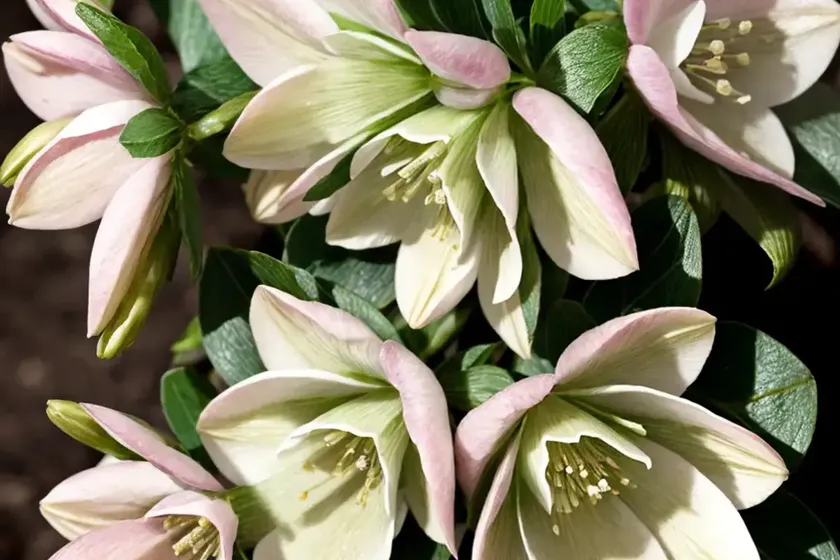
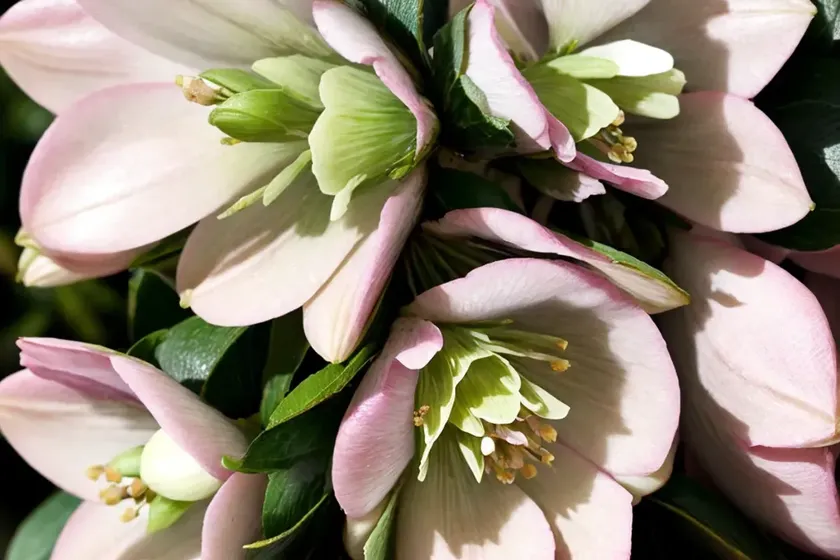
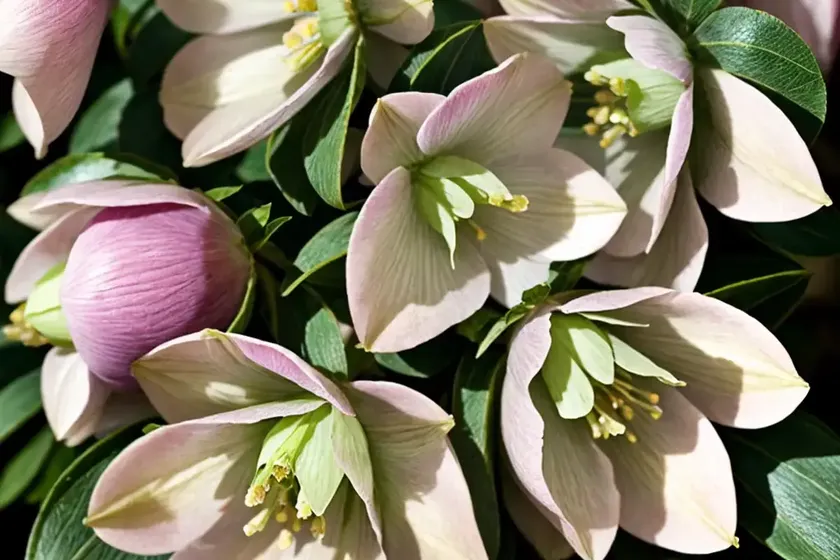
Helleborus, commonly known as Hellebore, is a genus of perennial flowering plants in the family Ranunculaceae. These plants are native to Europe and Asia, and they are known for their elegant and long-lasting flowers. Among the various Helleborus cultivars, the ‘Winter Jewels’ series is particularly prized for its diverse and captivating range of colors and unique markings.
In this comprehensive guide, we will focus on one stunning cultivar from the ‘Winter Jewels’ series, the Helleborus Winter Jewels ‘Harlequin Gem.’ We will explore its culture, uses, care requirements, and interesting facts. Whether you are an avid gardener, a horticulture enthusiast, or a botany student, this guide will provide valuable insights into the world of Hellebores, particularly the exquisite ‘Harlequin Gem’ variety.
What is Helleborus Winter Jewels ‘Harlequin Gem’?
Helleborus Winter Jewels ‘Harlequin Gem’ is a captivating Hellebore cultivar renowned for its exquisite, outward-facing flowers and distinctive coloration. The blooms of ‘Harlequin Gem’ exhibit a mesmerizing blend of colors, often featuring speckles, veining, or picotee edges. The intricate patterns on the petals create a visually striking display, making this variety a sought-after addition to shade gardens, woodland settings, and mixed perennial borders.
This cultivar is a part of the broader ‘Winter Jewels’ series, celebrated for its exceptional breeding and selection that has resulted in an array of captivating Hellebore varieties.
Key Takeaways – Helleborus Winter Jewels ‘Harlequin Gem’
Before delving into the specifics of caring for Helleborus Winter Jewels ‘Harlequin Gem,’ it’s beneficial to highlight some key takeaways associated with this captivating cultivar. These takeaways encompass its cultural preferences, uses, and essential care requirements.
Culture
- Type: Perennial
- Hardiness Zone: 4-9
- Mature Height: 18-24 inches
- Mature Spread: 18-24 inches
- Bloom Time: Late winter to early spring
- Growth Habit: Clumping, compact
- Foliage: Glossy, dark green
Uses
- Garden: Shade gardens, woodland gardens, borders
- Landscape: Accent plant, mass planting, container gardens
- Cut Flower: Suitable for floral arrangements
- Wildlife: Deer resistant
Care Requirements
- Water: Regular moisture, well-drained soil
- Sunlight: Partial to full shade
- Soil: Rich, organic, slightly alkaline
- Fertilizer: Balanced, slow-release
- Pruning: Minimal, remove old foliage in late winter
- Propagation: Division in early spring
- Common Diseases: Addressing fungal issues
- Common Pests: Vigilance against aphids and scale insects
Botanist’s Tips
- Plant in a sheltered location to protect blooms from harsh weather.
- Mulch around the base to maintain consistent soil moisture.
- Enjoy the blooms as cut flowers by searing the stem ends to prolong their vase life.
Fun Facts
- Hellebores are also known as Lenten Roses, as they often bloom around the Lenten season.
- The name “Helleborus” is derived from the Greek words for “injure” and “food,” alluding to the plant’s toxicity when ingested.
Now that we have outlined the essential characteristics and care requirements of Helleborus Winter Jewels ‘Harlequin Gem,’ let’s delve deeper into each aspect to gain a comprehensive understanding of this captivating Hellebore variety.
Culture
Understanding the cultural preferences of Helleborus Winter Jewels ‘Harlequin Gem’ is crucial for ensuring its optimal growth and blooming. From hardiness zones to bloom time, let’s explore the cultural aspects that define this exceptional cultivar.
Hardiness Zone
Helleborus Winter Jewels ‘Harlequin Gem’ thrives in hardiness zones 4-9. This range allows the plant to withstand the colder temperatures of winter and flourish in milder climates. If you reside within these zones, you can confidently incorporate ‘Harlequin Gem’ into your garden or landscape with the assurance of its adaptability to your local conditions.
Mature Size and Growth Habit
While nurturing Helleborus Winter Jewels ‘Harlequin Gem,’ it’s beneficial to anticipate its mature size to facilitate proper spacing and arrangement within your garden or landscape. Typically, ‘Harlequin Gem’ reaches a height and spread of 18-24 inches, forming neat, clumping foliage that exemplifies its compact growth habit.
Bloom Time
The bloom time of Helleborus Winter Jewels ‘Harlequin Gem’ is a particularly enchanting aspect of this variety. Its flowers emerge late in winter, enduring through early spring, adding a touch of color and charm during the transitioning seasons. The ability of ‘Harlequin Gem’ to bloom during these cooler periods contributes to its allure as a valuable addition to the garden landscape.
Foliage
The glossy, dark green foliage of Helleborus Winter Jewels ‘Harlequin Gem’ serves as an elegant backdrop to its remarkable blooms. The foliage remains visually appealing throughout the growing season, complementing the vibrant florals and lending a lush, verdant presence to the plant’s overall aesthetic.
Uses
Helleborus Winter Jewels ‘Harlequin Gem’ offers a versatile range of uses, from enhancing garden spaces to serving as a captivating cut flower. Understanding these uses is instrumental in maximizing the potential of this cultivar within various horticultural settings.
Garden
The enchanting allure of Helleborus Winter Jewels ‘Harlequin Gem’ finds its ideal expression in shade gardens and woodland settings. Its preference for partial to full shade makes it an excellent choice for adorning areas with filtered sunlight, where its vibrant blooms can thrive without the stress of direct sun exposure.
When incorporated into borders and mixed perennial plantings, ‘Harlequin Gem’ adds a captivating dimension to the overall garden composition, enriching the visual tapestry with its unique coloration and elegant presence.
Landscape
In landscape design, Helleborus Winter Jewels ‘Harlequin Gem’ offers a multitude of possibilities for creating visually captivating scenes. Whether used as an accent plant, mass planting, or a focal point within container gardens, ‘Harlequin Gem’ contributes a touch of sophistication and natural charm to outdoor spaces.
The enduring beauty of ‘Harlequin Gem’ as a cut flower further extends its utility in landscape arrangements, allowing its exquisite blooms to be showcased indoors, whether as standalone floral displays or as part of intricate bouquet compositions.
Wildlife
A notable attribute of Helleborus Winter Jewels ‘Harlequin Gem’ is its deer-resistant nature, making it an attractive option for wildlife-friendly landscaping. By incorporating ‘Harlequin Gem’ into garden borders and naturalized areas, you can cultivate a habitat that harmoniously integrates with local wildlife while enjoying the ornamental appeal of this exquisite Hellebore variety.
Water
One of the fundamental aspects of caring for Helleborus Winter Jewels ‘Harlequin Gem’ revolves around providing adequate water to support its growth and blooming. Understanding the plant’s water needs and utilizing appropriate watering practices are essential for nurturing healthy and vibrant specimens.
Watering Needs
Helleborus Winter Jewels ‘Harlequin Gem’ thrives in environments characterized by regular moisture. While the plant appreciates consistent soil moisture, it’s crucial to ensure that the soil is well-drained to prevent waterlogging, which can lead to root rot and other detrimental conditions.
When establishing a watering routine for ‘Harlequin Gem,’ it’s recommended to monitor the soil moisture levels and adjust the frequency of watering based on environmental factors such as rainfall and temperature. During periods of active growth and blooming, the plant may require more frequent watering to sustain its vitality.
Water Conservation
In regions where water conservation is a priority, employing practices that optimize water usage while meeting the needs of Helleborus Winter Jewels ‘Harlequin Gem’ becomes imperative. Strategies such as mulching around the base of the plant to retain soil moisture, utilizing drip irrigation systems for targeted watering, and capturing rainwater for irrigation purposes can all contribute to sustainable water conservation while promoting the health and vigor of ‘Harlequin Gem’ specimens.
Sunlight
The sunlight requirements of Helleborus Winter Jewels ‘Harlequin Gem’ play a pivotal role in determining the plant’s overall health and blooming performance. Understanding the nuances of its sunlight preferences is essential for creating an optimal growing environment that supports the cultivation of robust and floriferous specimens.
Sun Exposure
As a shade-loving perennial, Helleborus Winter Jewels ‘Harlequin Gem’ thrives in partial to full shade conditions. In garden and landscape settings, ‘Harlequin Gem’ benefits from being situated in locations that receive filtered sunlight or dappled shade, especially during the intense midday periods when direct sunlight can be harsh.
When selecting a site for planting ‘Harlequin Gem,’ it’s advisable to prioritize areas with gentle, indirect light that align with its preference for shade, thereby ensuring that the plant can flourish in a nurturing environment conducive to its growth and flowering.
Fertilizer
Providing appropriate fertilization is an integral aspect of caring for Helleborus Winter Jewels ‘Harlequin Gem.’ By understanding the plant’s fertilizer needs and employing suitable nourishment strategies, you can foster robust growth and support the development of vibrant blooms, enhancing the overall health and ornamental appeal of ‘Harlequin Gem’ specimens.
Soil Requirements
Rich, organic soil with slightly alkaline characteristics forms the ideal growing medium for Helleborus Winter Jewels ‘Harlequin Gem.’ The plant thrives in well-drained soil that provides a fertile foundation for healthy root development and sustained vitality.
When preparing the planting site for ‘Harlequin Gem,’ incorporating organic matter into the soil can augment its fertility and structure, creating an optimal substrate that supports the plant’s nutrient uptake and overall well-being.
Fertilization Approach
The application of a balanced, slow-release fertilizer is beneficial for nourishing Helleborus Winter Jewels ‘Harlequin Gem’ throughout the growing season. By providing a consistent source of essential nutrients, the slow-release fertilizer gradually supplies the plant with the elements it requires for sustained growth and the production of vibrant, enduring blooms.
When applying fertilizer to ‘Harlequin Gem,’ following the manufacturer’s guidelines regarding dosage and frequency is important to prevent overfertilization, which can lead to adverse effects on the plant’s health. By administering a measured dose of fertilizer at the appropriate intervals, you can effectively support the nutritional needs of ‘Harlequin Gem’ while avoiding potential issues associated with excessive fertilization.
Soil
The soil in which Helleborus Winter Jewels ‘Harlequin Gem’ is planted forms the foundation for its growth and vitality. Understanding the soil preferences of ‘Harlequin Gem’ and implementing suitable soil management practices are essential for cultivating thriving specimens that showcase the plant’s exquisite blooms to their full potential.
Ideal Soil Characteristics
Rich, organic soil with slightly alkaline properties is conducive to the optimal growth of Helleborus Winter Jewels ‘Harlequin Gem.’ The presence of organic matter in the soil enhances its fertility and promotes favorable conditions for root development, supporting the overall health and vigor of ‘Harlequin Gem’ specimens.
While ‘Harlequin Gem’ is adaptable to various soil types, including loamy and clayey soils, ensuring that the soil is well-drained is crucial for preventing waterlogging and maintaining a balanced moisture level that aligns with the plant’s preferences.
Soil Preparation
When preparing the soil for planting Helleborus Winter Jewels ‘Harlequin Gem,’ incorporating organic matter such as compost or well-rotted manure can significantly enhance the soil’s fertility and structure. This enriches the planting site with valuable nutrients and promotes the development of a favorable growing environment that fortifies the growth and blooming potential of ‘Harlequin Gem’ in the long term.
Additionally, assessing the drainage characteristics of the soil and making any necessary amendments to improve drainage can help create an optimal soil environment that minimizes the risk of waterlogged conditions, thereby fostering the health and resilience of ‘Harlequin Gem’ plants.
Pruning
Pruning is a vital aspect of Helleborus Winter Jewels ‘Harlequin Gem’ maintenance, contributing to the plant’s overall health, appearance, and blooming performance. By understanding the pruning requirements and employing appropriate techniques, you can effectively manage ‘Harlequin Gem’ specimens to ensure their sustained vitality and ornamental beauty.
Pruning Timing
In late winter, as the new growth of Helleborus Winter Jewels ‘Harlequin Gem’ begins to emerge, it is opportune to engage in minimal pruning to remove any old or damaged foliage from the previous growing season. This practice allows for the unimpeded development of new growth and promotes a neat, rejuvenated appearance for ‘Harlequin Gem’ plants as they prepare for the upcoming blooming period.
By focusing on selective pruning that targets specific areas of the plant requiring attention, you can enhance its aesthetic appeal and facilitate unhindered growth, setting the stage for a rewarding display of stunning blooms.
Pruning Techniques
Effective pruning techniques for Helleborus Winter Jewels ‘Harlequin Gem’ involve the careful removal of spent foliage and any damaged or discolored leaves. By utilizing clean, sharp gardening shears, you can make precise cuts that promote the plant’s overall health and tidiness without causing unnecessary stress or potential damage.
When engaging in pruning activities, it’s beneficial to exercise restraint and refrain from excessively trimming the foliage, as Helleborus Winter Jewels ‘Harlequin Gem’ generally requires minimal pruning to maintain its graceful appearance and prepare for a new season of blooming.
Propagation
Propagating Helleborus Winter Jewels ‘Harlequin Gem’ offers an opportunity to expand your collection of these captivating Hellebore specimens and share the beauty of this variety with fellow enthusiasts. Understanding the propagation methods and factors influencing successful propagation is pivotal for achieving desirable results.
Propagation Methods
Division serves as the primary propagation method for Helleborus Winter Jewels ‘Harlequin Gem.’ This technique involves separating established clumps of ‘Harlequin Gem’ into smaller divisions, each containing a portion of the root system and accompanying foliage. By carefully dividing the plant in early spring, you can create new, viable specimens that can be transplanted to desirable locations or shared with other gardening enthusiasts.
To successfully propagate ‘Harlequin Gem’ through division, it’s important to ensure that each division possesses a sufficient portion of the root system and multiple healthy growth points, enabling the newly established plants to readily acclimate to their new growing environment and initiate robust growth.
Container Gardening
Helleborus Winter Jewels ‘Harlequin Gem’ can thrive in container gardens, providing an opportunity to showcase its exceptional blooms and distinctive foliage in a more controlled setting. By understanding the considerations and techniques pertinent to container gardening with ‘Harlequin Gem,’ you can create captivating displays that highlight the plant’s ornamental charm and adaptability to container cultivation.
Container Selection
When selecting containers for growing Helleborus Winter Jewels ‘Harlequin Gem,’ opt for options that offer ample room for the plant’s root system to develop and accommodate its mature size. Choosing containers with adequate drainage holes is crucial to prevent waterlogging and maintain favorable soil moisture levels, promoting the optimal growth and vitality of ‘Harlequin Gem’ in a containerized environment.
Selecting containers with aesthetic appeal that complements the vibrant blooms and foliage of ‘Harlequin Gem’ can elevate the visual impact of container displays, creating captivating focal points within outdoor spaces or indoor settings.
Growing Medium
Utilizing a well-draining, nutrient-rich growing medium is essential for cultivating Helleborus Winter Jewels ‘Harlequin Gem’ in containers. Incorporating high-quality potting mix enriched with organic matter can create an optimal substrate that supports the plant’s growth and blooming, providing a nurturing environment within the confined space of a container.
Incorporating a slow-release fertilizer into the growing medium can supplement the nutritional needs of ‘Harlequin Gem’ plants, ensuring that they receive essential nutrients to sustain their vitality and ornamental appeal throughout the growing season.
Popularity
The popularity of Helleborus Winter Jewels ‘Harlequin Gem’ stems from its exceptional beauty, adaptability, and enduring appeal as an ornamental plant. With its captivating blooms and versatile uses, ‘Harlequin Gem’ has garnered recognition as a favored addition to gardens, landscapes, and floral arrangements, captivating the hearts of gardening enthusiasts and horticultural aficionados.
Gardeners’ Choice
For avid gardeners seeking to enrich their outdoor spaces with vibrant, long-lasting blooms, Helleborus Winter Jewels ‘Harlequin Gem’ emerges as a compelling choice due to its enchanting flowers and ease of cultivation. With its preference for shade and versatile landscape uses, ‘Harlequin Gem’ offers an opportunity to infuse garden settings with a touch of elegance and natural allure.
The enduring popularity of ‘Harlequin Gem’ among gardeners reflects its intrinsic charm and the delight it brings to garden spaces, establishing it as a cherished component of diverse horticultural compositions.
Landscape Appeal
In landscape design, Helleborus Winter Jewels ‘Harlequin Gem’ contributes to the creation of visually captivating scenes, where its graceful blooms and glossy foliage elevate the aesthetic appeal of outdoor settings. Whether employed as an accent plant, massed planting, or an eye-catching container specimen, ‘Harlequin Gem’ adds a serene elegance and vibrancy to landscapes, attracting attention with its distinctive beauty.
The popularity of ‘Harlequin Gem’ in landscape settings underscores its capacity to enrich outdoor environments with enduring charm and ornamental impact, establishing it as a treasured asset in landscape compositions.
Floral Arrangements
With its striking blooms and versatile uses as a cut flower, Helleborus Winter Jewels ‘Harlequin Gem’ holds appeal for floral enthusiasts and flower arrangers seeking to incorporate captivating elements into their creations. The unique coloration and long-lasting quality of ‘Harlequin Gem’ blooms make them valuable contributors to floral arrangements, creating visually arresting displays that showcase the plant’s enduring allure.
The popularity of ‘Harlequin Gem’ as a floral component reflects its role as a source of inspiration and beauty in artistic expressions, highlighting its significance beyond the realm of garden and landscape settings.
Common Diseases
Helleborus Winter Jewels ‘Harlequin Gem’ is susceptible to certain diseases that can affect its health and blooming performance. By understanding these common diseases and employing preventive measures and management strategies, you can safeguard the well-being of ‘Harlequin Gem’ specimens and promote their sustained vitality.
Disease Resistance
Although ‘Harlequin Gem’ exhibits good overall resilience, it may face susceptibility to certain fungal issues, including leaf spot and powdery mildew. Addressing these common diseases promptly and effectively is essential for maintaining the plant’s health and ensuring that its ornamental appeal remains uncompromised throughout the growing season.
Disease Diagnosis
When identifying and diagnosing diseases affecting Helleborus Winter Jewels ‘Harlequin Gem,’ it’s important to be vigilant in observing the plant’s foliage, blooms, and overall growth. Common symptoms


