Helleborus Winter Jewels ‘Amethyst Gem’ (Hellebore)
Welcome to the ultimate guide on Helleborus Winter Jewels ‘Amethyst Gem’ (Hellebore). In this comprehensive guide, we will uncover everything you need to.
Welcome to the ultimate guide on Helleborus Winter Jewels ‘Amethyst Gem’ (Hellebore). In this comprehensive guide, we will uncover everything you need to know about growing, caring for, and enjoying this beautiful and versatile plant. Helleborus Winter Jewels ‘Amethyst Gem’ is a stunning perennial that adds a touch of elegance to any garden or landscape. From its unique flowers to its ease of care, this plant has become a favorite among gardeners and plant enthusiasts alike. So, whether you are a seasoned gardener or just starting out, this guide will provide you with all the information you need to cultivate and appreciate this exceptional plant.
What is Helleborus Winter Jewels ‘Amethyst Gem’?
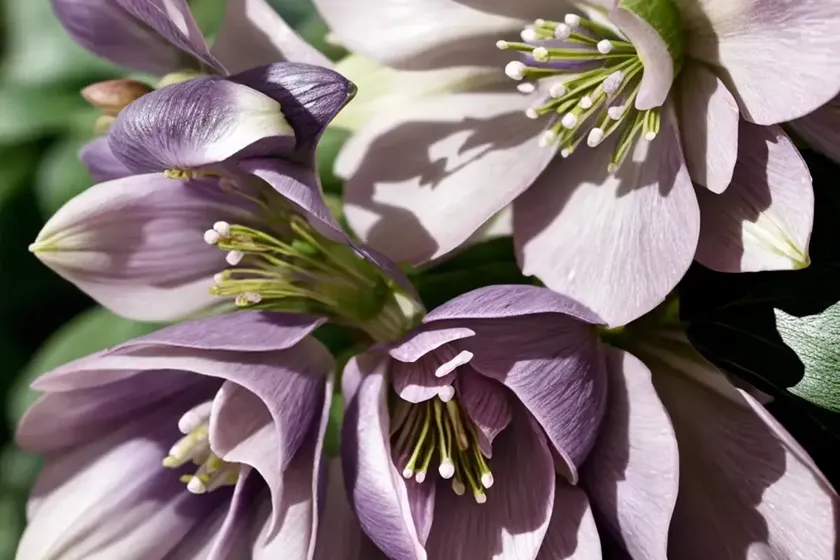
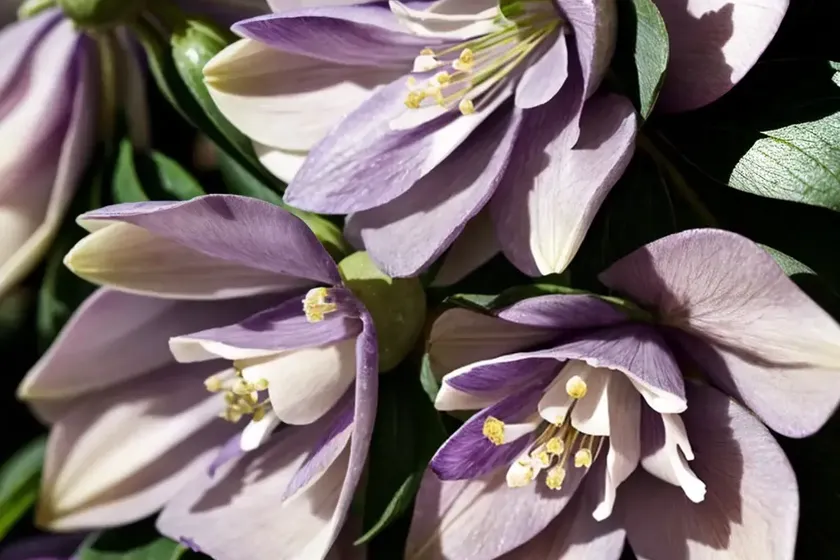
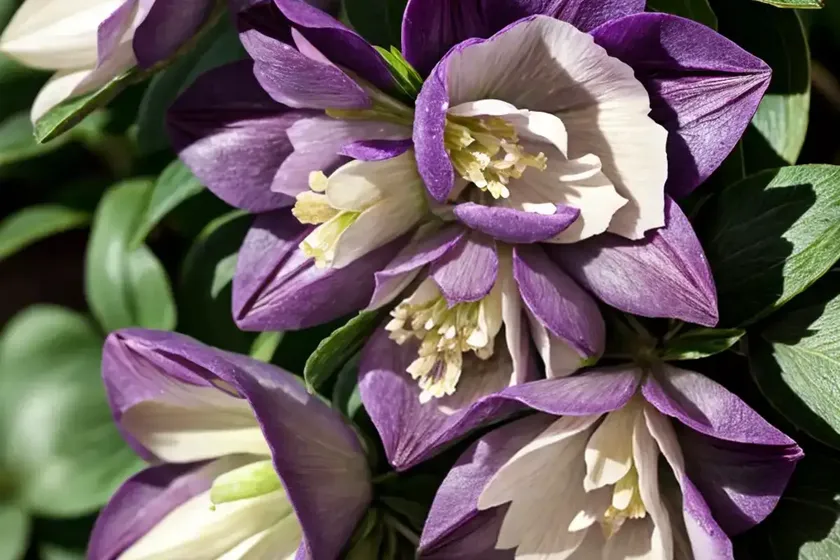
Helleborus Winter Jewels ‘Amethyst Gem’, commonly known as Hellebore, is a member of the Ranunculaceae family. This captivating plant is cherished for its exquisite, cup-shaped blossoms that emerge in late winter to early spring, providing much-needed color and interest in the garden during the cooler months. The ‘Amethyst Gem’ variety is particularly renowned for its striking amethyst-purple flowers with intricate veining, making it a standout choice for any garden setting.
Helleborus Winter Jewels ‘Amethyst Gem’ is native to regions of Europe and Asia, where it thrives in woodland areas, shaded slopes, and along the edges of forests. Its adaptability to shade and preference for moist, well-draining soil makes it a valuable addition to gardens with challenging growing conditions.
Key Takeaways – Helleborus Winter Jewels ‘Amethyst Gem’ (Hellebore)
Before delving into the finer details of cultivating and caring for Helleborus Winter Jewels ‘Amethyst Gem’, let’s have a closer look at the key takeaways associated with this remarkable plant:
- Water: Helleborus Winter Jewels ‘Amethyst Gem’ prefers consistently moist soil, especially during the growing season. Adequate water is essential for robust growth and prolific flowering.
- Sunlight: While Helleborus Winter Jewels ‘Amethyst Gem’ thrives in dappled shade, it can also tolerate full shade. It is an excellent choice for shaded gardens and woodland settings.
- Fertilizer: Minimal fertilizer is required for Helleborus Winter Jewels ‘Amethyst Gem’. A balanced, slow-release fertilizer applied in early spring can provide the necessary nutrients for healthy growth and flowering.
- Soil: Well-draining, organic-rich soil is ideal for Helleborus Winter Jewels ‘Amethyst Gem’. The plant benefits from a slightly acidic to neutral pH range.
- Pruning: Light pruning is recommended after flowering to remove spent blooms and tidy up the plant. This can help promote a compact and tidy growth habit.
- Propagation: Helleborus Winter Jewels ‘Amethyst Gem’ can be propagated through division or from seed. Both methods have their specific considerations and are relatively straightforward for experienced gardeners.
- Container Popularity: Helleborus Winter Jewels ‘Amethyst Gem’ is well-suited for container gardening, adding elegance and color to patio areas and shaded spaces.
- Common Diseases: While generally disease-resistant, Helleborus Winter Jewels ‘Amethyst Gem’ may be susceptible to certain fungal diseases, particularly in humid conditions.
- Common Pests: Helleborus Winter Jewels ‘Amethyst Gem’ is relatively pest-resistant, although vigilance against aphids and slugs may be necessary.
Now that we have a brief overview of the key aspects of Helleborus Winter Jewels ‘Amethyst Gem’, let’s explore each of these elements in more detail to gain a comprehensive understanding of this captivating plant.
Cultivating and Caring for Helleborus Winter Jewels ‘Amethyst Gem’
Successfully growing and nurturing Helleborus Winter Jewels ‘Amethyst Gem’ is not only rewarding but also relatively straightforward, especially for those with a penchant for shade-loving plants. In this section, let’s delve into the specific requirements for water, sunlight, fertilizer, soil, pruning, propagation, and container gardening for Helleborus Winter Jewels ‘Amethyst Gem’.
Water
Proper watering is crucial for the health and vigor of Helleborus Winter Jewels ‘Amethyst Gem’. While it is essential to keep the soil consistently moist, it’s equally important to avoid waterlogging. Here are some guidelines to ensure optimal water management for Helleborus Winter Jewels ‘Amethyst Gem’:
- Regular Monitoring: Check the soil moisture regularly, especially during warm and dry periods. The top inch of the soil should not be allowed to dry out completely.
- Deep Watering: Water deeply when necessary, ensuring that the root zone receives adequate moisture. Shallow watering may encourage shallow root development.
- Mulching: Applying a layer of organic mulch around the base of the plant can help conserve soil moisture and suppress weed growth. This is particularly beneficial during the summer months or in regions with hot, dry climates.
Sunlight
Helleborus Winter Jewels ‘Amethyst Gem’ is well-suited for shaded locations, making it an excellent choice for gardens or landscapes with limited sunlight. However, understanding its sunlight requirements is essential for its successful growth:
- Dappled Shade: The ideal setting for Helleborus Winter Jewels ‘Amethyst Gem’ is one with dappled shade. This is often found under the canopy of deciduous trees or in partially shaded areas.
- Full Shade: While it prefers dappled shade, Helleborus Winter Jewels ‘Amethyst Gem’ can tolerate full shade, making it an adaptable and versatile plant for shaded gardens and woodland settings.
Fertilizer
Helleborus Winter Jewels ‘Amethyst Gem’ generally has minimal fertilizer requirements, as it is adapted to nutrient-poor woodland soils. However, a light application of fertilizer can help promote healthy growth and abundant flowering:
- Balanced Fertilizer: Use a balanced, slow-release fertilizer, preferably in early spring before new growth emerges. This can provide the necessary nutrients for the plant’s seasonal development.
- Organic Amendments: Incorporating organic matter such as compost or well-rotted manure into the soil can improve its fertility and structure, reducing the need for additional fertilizers.
Soil
Providing the right soil conditions is essential for the optimal growth and performance of Helleborus Winter Jewels ‘Amethyst Gem’. Here’s what you need to consider when preparing the soil for this remarkable plant:
- Well-Draining Soil: Helleborus Winter Jewels ‘Amethyst Gem’ thrives in well-draining soil to prevent waterlogging, especially during the winter months. Amending heavy clay soils with organic matter can improve drainage.
- pH Range: The plant prefers a slightly acidic to neutral soil pH range, typically between 6.0 and 7.0. Conduct a soil test to determine the pH level and make adjustments as necessary.
Pruning
Pruning Helleborus Winter Jewels ‘Amethyst Gem’ is relatively simple and aids in maintaining its tidy appearance and promoting future flowering:
- Deadheading: Removing spent flowers can help redirect the plant’s energy into new growth and potential secondary blooms. This practice also prevents the plant from self-seeding, which may result in unwanted seedlings.
- Foliage: Trim back any damaged or unsightly foliage in late winter or early spring to promote new growth and maintain the plant’s overall appearance.
Propagation
Propagation of Helleborus Winter Jewels ‘Amethyst Gem’ can be achieved through division or from seed, offering an opportunity to expand your collection or share the plant with fellow gardening enthusiasts. Let’s explore the two primary methods of propagation:
- Division: The division of established Helleborus Winter Jewels ‘Amethyst Gem’ plants is typically carried out in early spring. Carefully separate the plant into smaller sections, ensuring that each division has a healthy root system and sufficient foliage.
- Seed Propagation: Collecting and sowing Helleborus Winter Jewels ‘Amethyst Gem’ seeds can be a rewarding way to propagate new plants. Sow the seeds in a suitable growing medium and provide the necessary conditions for germination and early growth.
Container Popularity
Helleborus Winter Jewels ‘Amethyst Gem’ is well-suited for container gardening, offering a versatile and elegant option for patio displays and shaded areas. Here are some considerations for growing this plant in containers:
- Container Selection: Choose a well-draining container that is spacious enough to accommodate the plant’s root system and allows for adequate airflow. This can prevent waterlogging and promote healthy growth.
- Growing Medium: Select a high-quality, well-draining potting mix, preferably with added organic matter to improve moisture retention and nutrient availability.
- Watering: Ensure that potted Helleborus Winter Jewels ‘Amethyst Gem’ receives consistent moisture during the growing season, as containers may dry out more quickly than garden beds.
Now that we have covered the fundamental aspects of cultivating and caring for Helleborus Winter Jewels ‘Amethyst Gem’, let’s explore additional insights into its disease resistance, common pests, and some botanist’s tips for optimal plant care and management.
Disease Resistance and Common Pests
Helleborus Winter Jewels ‘Amethyst Gem’ is known for its overall resilience and ease of care. However, like all plants, it is still susceptible to certain diseases and pests that may impact its health and appearance. Understanding these potential challenges and knowing how to effectively address them is crucial for maintaining the plant’s vitality. Here’s what you need to know about disease resistance and common pests associated with Helleborus Winter Jewels ‘Amethyst Gem’:
Disease Diagnosis
Helleborus Winter Jewels ‘Amethyst Gem’ exhibits good resistance to most common plant diseases. However, it may be susceptible to the following conditions under specific environmental or cultural circumstances:
- Botrytis Blight: This fungal disease, also known as gray mold, may affect Helleborus Winter Jewels ‘Amethyst Gem’ during periods of prolonged wet and humid conditions. Symptoms include brown spots on leaves and flower petals, as well as a fuzzy gray mold on affected plant parts.
- Black Death: Caused by the pathogen Helleborus net necrosis virus (HeNNV), black death can result in the blackening and distortion of Helleborus Winter Jewels ‘Amethyst Gem’ flowers and foliage. Affected plants should be promptly removed and destroyed to prevent the spread of the virus.
- Crown Rot: Overly wet or poorly draining soil can lead to crown rot, causing the plant’s crown and root system to rot and decay. This may manifest as wilting, yellowing leaves, and a general decline in plant health.
Common Pests
Helleborus Winter Jewels ‘Amethyst Gem’ typically experiences minimal pest-related issues. However, vigilance and prompt intervention can prevent potential pest infestations and minimize their impact on the plant. The common pests that may affect Helleborus Winter Jewels ‘Amethyst Gem’ include:
- Aphids: These small, sap-sucking insects may cluster on the undersides of leaves, causing yellowing, stunted growth, and leaf distortion. Rinse the plant with a strong stream of water to dislodge and control aphid populations.
- Slugs and Snails: These mollusks are notorious for feeding on Helleborus Winter Jewels ‘Amethyst Gem’ foliage, leaving behind characteristic holes and slimy trails. Use physical barriers, such as copper tape, or organic deterrents to protect the plant from slug and snail damage.
Botanist’s Tips
To help you achieve the best possible results in cultivating and caring for Helleborus Winter Jewels ‘Amethyst Gem’, here are some expert tips from botanists and experienced gardeners:
- Mulching: Apply a layer of organic mulch around the base of Helleborus Winter Jewels ‘Amethyst Gem’ to conserve soil moisture, suppress weeds, and provide insulation during extreme temperatures.
- Companion Planting: Pair Helleborus Winter Jewels ‘Amethyst Gem’ with other shade-loving plants such as ferns, hostas, and astilbes to create a harmonious and visually appealing woodland garden display.
- Overwintering: In regions with harsh winters, provide protection for Helleborus Winter Jewels ‘Amethyst Gem’ by mulching around the base of the plant to insulate the roots and reduce potential frost damage.
- Deadheading: Regularly remove spent flowers to maintain the plant’s appearance and encourage continuous flowering, especially during the peak blooming season.
By incorporating these tips into your plant care routine, you can optimize the health and beauty of Helleborus Winter Jewels ‘Amethyst Gem’, ensuring its long-term success in your garden or landscape.
Fun Facts about Helleborus Winter Jewels ‘Amethyst Gem’
Beyond its remarkable appearance and ease of care, Helleborus Winter Jewels ‘Amethyst Gem’ boasts some intriguing and captivating characteristics that add to its allure. Let’s explore some fun and fascinating facts about this extraordinary plant:
- Medicinal History: Helleborus species, including Helleborus Winter Jewels ‘Amethyst Gem’, have a rich history of medicinal use, although they should be approached with caution due to their toxicity. Traditionally, they were used to treat various ailments, including nervous disorders and melancholy.
- Folklore and Mythology: Helleborus has been linked to various folk beliefs and superstitions throughout history. It is often associated with protection, warding off evil spirits, and bringing good luck and prosperity.
- Cut Flower Potential: The long-lasting and distinctive blooms of Helleborus Winter Jewels ‘Amethyst Gem’ make it an excellent candidate for cut flower arrangements, bringing a touch of elegance and sophistication to indoor displays.
- Winter Interest: As a winter-blooming plant, Helleborus Winter Jewels ‘Amethyst Gem’ provides much-needed color and visual interest during the colder months when other plants may be dormant, making it a valuable addition to the garden landscape.
These fun facts not only enrich our understanding of Helleborus Winter Jewels ‘Amethyst Gem’ but also highlight its cultural and historical significance, adding depth to its appeal as a garden plant.
Links to External Resources
As you continue to explore the world of Helleborus Winter Jewels ‘Amethyst Gem’ and expand your knowledge of its cultivation and care, the following external resources can serve as valuable references and sources of additional information:
- The Royal Horticultural Society (RHS) – The RHS offers comprehensive guidance on growing and caring for Helleborus Winter Jewels ‘Amethyst Gem’, along with a wealth of practical gardening advice.
- American Hellebore Society – A dedicated resource for hellebore enthusiasts, featuring information on different hellebore varieties, cultivation tips, and hellebore-related events and activities.
- University Extension Services – University extension services provide region-specific advice on growing Helleborus Winter Jewels ‘Amethyst Gem’ and can offer invaluable insights tailored to your local climate and conditions.
- Specialty Nurseries – Specialty nurseries and reputable online retailers often provide detailed plant descriptions, care instructions, and a wide selection of hellebore varieties, including ‘Amethyst Gem’.
These external resources can complement the information provided in this guide, enabling you to further enhance your understanding of Helleborus Winter Jewels ‘Amethyst Gem’ and refine your approach to its cultivation and enjoyment.
In Conclusion
Helleborus Winter Jewels ‘Amethyst Gem’ (Hellebore) stands out as a captivating and versatile plant that excels in shaded gardens and woodland landscapes. Its distinctive amethyst-purple flowers, ease of care, and ability to thrive in challenging conditions make it a sought-after addition to any garden setting. As you embark on your journey of growing and appreciating Helleborus Winter Jewels ‘Amethyst Gem’, remember to tailor your approach to the specific needs of the plant, ensuring that it receives the appropriate water, sunlight, soil, and care to flourish.
By understanding the various aspects of Helleborus Winter Jewels ‘Amethyst Gem’ cultivation and incorporating expert tips and practical insights, you can create a thriving and visually captivating garden display with this extraordinary plant. Whether you are drawn to its winter blooms, unique colors, or historical significance, Helleborus Winter Jewels ‘Amethyst Gem’ is sure to leave a lasting impression and bring a touch of elegance to your outdoor spaces. So, embrace the magic of Helleborus Winter Jewels ‘Amethyst Gem’, and allow its beauty to enrich your garden and delight your senses throughout the seasons.
Remember to refer to reputable sources and seek advice from horticultural professionals or experienced gardeners as you continue to explore the fascinating world of Helleborus Winter Jewels ‘Amethyst Gem’, and may your gardening endeavors be filled with joy, discovery, and the flourishing beauty of nature.


