Helleborus ‘Wedding Bells’ (Hellebore): A Comprehensive Guide
Helleborus ‘Wedding Bells’ is a stunning perennial flower that captivates gardeners with its delicate blooms and low-maintenance nature. As plant scientists, it’s essential to understand the intricate details of this plant, from its cultural requirements to its common diseases and pests. In this comprehensive guide, we will delve into the world of Helleborus ‘Wedding Bells’, covering its care, propagation, uses, and much more.
What is Helleborus ‘Wedding Bells’ (Hellebore)?
Helleborus, commonly known as Hellebore or Lenten rose, is a genus of perennial plants in the family Ranunculaceae. ‘Wedding Bells’ is a specific cultivar within this genus, treasured for its exquisite white flowers and evergreen foliage. This shade-loving plant is native to Europe and Asia and is celebrated for its early bloom time, often flowering in late winter or early spring when few other plants are in bloom.
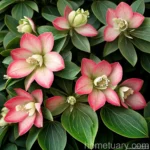
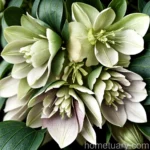
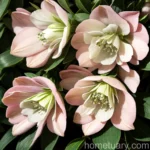
Helleborus ‘Wedding Bells’ is a clump-forming, herbaceous perennial that typically reaches a height and spread of 18-24 inches. The plant boasts leathery, dark green, palmate leaves and nodding, bell-shaped flowers that emerge in elegant clusters. Its blooms, which appear in late winter, are a welcoming sight in the garden, adding a touch of color and charm to an otherwise dreary season.
Key Takeaways – Helleborus ‘Wedding Bells’ (Hellebore)
Before we delve into the detailed care and maintenance of Helleborus ‘Wedding Bells’, let’s outline some key takeaways about this captivating plant:
- Botanical Name: Helleborus ‘Wedding Bells’
- Common Name: Hellebore, Lenten rose
- Plant Type: Herbaceous perennial
- Bloom Time: Late winter to early spring
- Flower Color: White
- Foliage: Evergreen, dark green, palmate leaves
- Height: 18-24 inches
- Spread: 18-24 inches
- Sunlight: Partial to full shade
- Watering: Moderately moist soil
- Soil Type: Well-draining, rich soil
- Hardiness Zones: 4-9
With these key takeaways in mind, let’s explore the specific cultural needs and uses of Helleborus ‘Wedding Bells’ in greater detail.
Culture
Understanding the cultural requirements of Helleborus ‘Wedding Bells’ is crucial for successfully growing and maintaining this plant. From sunlight preferences to soil conditions, each aspect of its culture contributes to its overall health and vitality.
Sunlight
Helleborus ‘Wedding Bells’ thrives in partial to full shade, making it an excellent choice for woodland gardens or shady borders. While it can tolerate some morning sun, it generally prefers dappled sunlight or filtered shade, particularly in regions with hot summers. Too much direct sunlight can scorch its delicate foliage and cause the plant to wilt, so providing it with the right amount of shade is vital for its well-being.
Water
When it comes to watering Helleborus ‘Wedding Bells’, moderation is key. The plant prefers moderately moist soil, but it should not be allowed to sit in waterlogged conditions. During the growing season, water the plant regularly, ensuring that the soil remains consistently damp but not waterlogged. In the winter months, reduce watering, as the plant is less actively growing and is more susceptible to root rot in overly moist soil.
Soil
Helleborus ‘Wedding Bells’ thrives in well-draining, rich soil with a slightly acidic to neutral pH. It benefits from soil that is high in organic matter and nutrients, providing the plant with the necessary resources for robust growth and abundant flowering. Amending the soil with compost or well-rotted manure can enhance its fertility and improve its overall structure, creating an optimal growing environment for Helleborus ‘Wedding Bells’.
Fertilizer
Fertilizing Helleborus ‘Wedding Bells’ is not always necessary, especially if the plant is grown in nutrient-rich soil. However, if the soil is deficient in nutrients, a light application of balanced, slow-release fertilizer in early spring can support the plant’s growth and flowering. It’s important to avoid over-fertilizing, as excessive nutrients can lead to lush foliage at the expense of flowers and may even harm the plant.
Uses
Garden Beds and Borders
Helleborus ‘Wedding Bells’ makes a charming addition to garden beds and borders, particularly in shaded or woodland areas. Its early spring blooms and evergreen foliage provide year-round interest, creating a lush and inviting atmosphere in the garden.
Woodland Gardens
Due to its preference for partial to full shade, Helleborus ‘Wedding Bells’ excels in woodland gardens, where it can thrive under the canopy of trees or alongside other shade-loving plants. Its elegant white flowers stand out against the dark backdrop of the forest, adding a touch of magic to the landscape.
Containers
While Helleborus ‘Wedding Bells’ is typically grown in garden beds, it can also be cultivated in containers, allowing gardeners to enjoy its beauty on patios, balconies, or other outdoor living spaces. When grown in containers, it’s essential to provide the plant with adequate shade and regular watering to ensure its well-being.
Pruning
Pruning Helleborus ‘Wedding Bells’ is relatively minimal, as the plant maintains an attractive form and structure without extensive intervention. However, the following pruning practices can help maintain the plant’s health and appearance:
Deadheading
After the plant has finished flowering, removing spent flowers can promote a tidier appearance and prevent the development of seeds, directing the plant’s energy back into growth and overall vigor.
Cleaning of Foliage
In late winter or early spring, as new growth emerges, the removal of any damaged or unsightly foliage can enhance the plant’s aesthetic appeal and reduce the risk of disease spread.
Timing
Pruning and cleaning of Helleborus ‘Wedding Bells’ should be performed in late winter to early spring, before new growth begins in earnest. This allows the plant to focus its energy on emerging foliage and flowers.
Propagation
Propagating Helleborus ‘Wedding Bells’ can be achieved through several methods, including division, seed sowing, and tissue culture. Each technique offers its own advantages and considerations, allowing gardeners to choose the most suitable approach based on their preferences and resources.
Division
Dividing mature plants is a common method for propagating Helleborus ‘Wedding Bells’. This is typically done in early spring or late summer, when the plant is not in active bloom. The process involves lifting the plant, carefully separating the rhizomes, and replanting the divided sections in prepared soil, providing each division with ample space and nutrients to thrive.
Seed Sowing
Growing Helleborus ‘Wedding Bells’ from seed is a rewarding yet time-consuming method of propagation. Seeds are collected from mature plants and sown in a well-draining, seed-starting mix. The trays or pots are then placed in a shaded location and kept consistently moist until germination occurs. While seed propagation allows for genetic diversity and the potential for new cultivars, it often takes several years for the plants to reach maturity and begin flowering.
Tissue Culture
For commercial propagation or large-scale production, tissue culture is a viable method for rapidly multiplying Helleborus ‘Wedding Bells’. This technique involves taking small tissue samples from a parent plant and culturing them in a controlled laboratory setting to produce genetically identical plantlets. Tissue culture offers the advantage of rapid multiplication and the production of uniform, high-quality plants but requires specialized equipment and expertise.
Container Popularity
Helleborus ‘Wedding Bells’ has gained significant popularity among container gardeners, particularly those seeking versatile, shade-loving plants with early spring interest. Its compact size, elegant blooms, and low-maintenance nature make it an ideal candidate for container cultivation, allowing it to thrive on patios, balconies, and other confined spaces.
Container Selection
When growing Helleborus ‘Wedding Bells’ in containers, it’s essential to choose pots that provide ample space for root development and stability for the plant. Select a well-draining container with adequate drainage holes to prevent waterlogging, and consider using a potting mix specifically formulated for shade-loving plants to ensure optimal growth and performance.
Placement
Place the container in a location that receives partial to full shade, such as on a north-facing patio or beneath the canopy of taller plants. Shield the plant from intense midday sun, as prolonged exposure to direct sunlight can cause heat stress and damage its delicate foliage.
Watering
Container-grown plants typically require more frequent watering than those in the ground, as pots can dry out more quickly. Monitor the moisture levels of the potting mix and water the plant as needed to maintain consistently moist soil, adjusting the frequency based on environmental conditions and seasonal requirements.
Maintenance
Regularly inspect the container for signs of overcrowded roots, which may indicate the need for repotting. Additionally, be vigilant for pests and diseases, as container-grown plants can be more susceptible to certain issues due to the confined growing environment.
Common Diseases
While Helleborus ‘Wedding Bells’ is generally resilient and disease-resistant, it can still be affected by certain fungal infections and environmental stressors. Understanding the common diseases and their management is essential for maintaining the plant’s health and preventing the spread of disease to other garden plants.
Leaf Spot
Leaf spot, caused by the fungal pathogens Microsphaeropsis hellebori and Coniothyrium hellebori, can manifest as small, dark spots on the foliage of Helleborus ‘Wedding Bells’. To manage this issue, it’s important to provide adequate air circulation, avoid overhead watering, and promptly remove and dispose of infected leaves to prevent the spread of spores.
Crown Rot
Crown rot, often caused by the Phytophthora species, can lead to the wilting and decline of Helleborus ‘Wedding Bells’. To prevent this disease, it’s crucial to maintain well-draining soil, avoid overwatering, and remove any affected plants to prevent the spread of the pathogen.
Botrytis Blight
Botrytis blight, caused by the fungus Botrytis cinerea, can affect the flowers of Helleborus ‘Wedding Bells’, causing them to become discolored and decay. Proper air circulation, avoiding overhead watering, and removing spent flowers can help reduce the risk of botrytis blight.
Disease Diagnosis
Diagnosing diseases in Helleborus ‘Wedding Bells’ requires careful observation and an understanding of common issues that may arise. Key signs of disease and stress in the plant should be carefully noted, and appropriate actions should be taken to address the underlying causes.
Visual Inspection
Regularly inspect the foliage, stems, and flowers of Helleborus ‘Wedding Bells’ for any abnormalities, such as discoloration, lesions, or wilting. Pay attention to the overall vigor and growth of the plant, as any signs of decline or stunted growth may indicate underlying issues.
Environmental Conditions
Consider the environmental factors that may contribute to disease development, such as excessive moisture, poor air circulation, and nutrient deficiencies. Addressing these underlying conditions can help mitigate the risk of disease and promote the plant’s resilience.
Pathogen Identification
If disease symptoms persist or worsen, consider seeking professional assistance to identify the specific pathogens or environmental stressors affecting the plant. Proper diagnosis is crucial for implementing targeted management strategies and preventing the spread of disease to other plants.
Common Pests
While Helleborus ‘Wedding Bells’ is generally resistant to most pests, it can occasionally fall victim to certain insects that may threaten its health and appearance. Identifying and managing these pests is essential for preserving the plant’s beauty and vitality.
Aphids
Aphids, small sap-sucking insects, can occasionally infest the tender shoots and buds of Helleborus ‘Wedding Bells’, causing distortion and discoloration of the affected plant parts. Controlling aphids can be achieved through the use of insecticidal soaps, horticultural oils, or natural predators, such as ladybugs, which feed on aphids and help keep their populations in check.
Slugs and Snails
Slugs and snails are common pests that can feed on the foliage and flowers of Helleborus ‘Wedding Bells’, causing unsightly damage and reducing the plant’s aesthetic appeal. Implementing physical barriers, such as copper tape or diatomaceous earth, can deter these pests, while handpicking and disposing of them can reduce their populations in the garden.
Spider Mites
Spider mites, tiny arachnids that feed on plant sap, can infest the foliage of Helleborus ‘Wedding Bells’, leading to stippling, discoloration, and weakened growth. Regularly spraying the plant with a strong jet of water can help dislodge and control spider mites, while predatory mites and lacewings serve as natural predators that feed on these pests.
Botanist’s Tips
As plant scientists and enthusiasts, we can share invaluable tips and insights for successfully growing and caring for Helleborus ‘Wedding Bells’. These time-tested recommendations, drawn from our expertise and experience, can help fellow gardeners cultivate and appreciate this extraordinary plant.
Mulching
Applying a layer of organic mulch, such as shredded bark or compost, around the base of Helleborus ‘Wedding Bells’ can help conserve moisture, suppress weeds, and provide insulation to the plant’s roots. Mulching also contributes to the improvement of soil structure and fertility over time, creating a favorable environment for the plant’s growth and well-being.
Companion Planting
Pairing Helleborus ‘Wedding Bells’ with suitable companion plants can enhance its beauty and create harmonious plant communities in the garden. Consider planting it alongside shade-loving perennials, such as ferns, tiarellas, and bleeding hearts, to create a diverse and visually appealing landscape.
Seasonal Maintenance
Engage in regular seasonal maintenance tasks, such as cleaning up debris, dividing overcrowded clumps, and inspecting for signs of disease or pests, to ensure the long-term health and vitality of Helleborus ‘Wedding Bells’. By staying vigilant and proactive throughout the year, gardeners can address issues promptly and foster the plant’s resilience.
Fun Facts
Uncover intriguing and delightful facts about Helleborus ‘Wedding Bells’ that showcase its unique traits and contributions to the natural world. From its folklore to its ecological significance, these fun facts shed light on the plant’s captivating story and allure.
-
Historical Significance: Helleborus species, including ‘Wedding Bells’, have a rich history in folklore and herbal medicine, with legends attributing magical and medicinal properties to these plants. In ancient times, they were used for various purposes, from warding off evil spirits to treating various ailments.
-
Pollinator Attraction: The delicate flowers of Helleborus ‘Wedding Bells’ serve as an early food source for pollinators, such as bees and early-emerging insects, providing them with nectar and pollen when few other plants are in bloom. This crucial role in supporting early pollinators highlights the plant’s ecological significance.
-
Winter Interest: Helleborus ‘Wedding Bells’ is celebrated for its ability to brighten the winter garden with its elegant blooms and evergreen foliage. Its resilience in cold weather and early flowering make it a valuable addition to gardens in regions with extended winters.
Links to External Resources
For further exploration and in-depth information on Helleborus ‘Wedding Bells’, we recommend the following external resources:
- The Royal Horticultural Society (RHS) – Helleborus Cultivation and Care
- University of Maryland Extension – Growing Hellebores in the Garden
- The American Horticultural Society (AHS) – Hellebore: A Shade-Loving Winter Flower
- Missouri Botanical Garden – Helleborus Information
By exploring these reputable sources, gardeners can gain comprehensive insights into the cultivation, care, and appreciation of Helleborus ‘Wedding Bells’, empowering them to cultivate and enjoy this beautiful plant to its fullest potential.
In conclusion, Helleborus ‘Wedding Bells’ (Hellebore) stands out as a remarkable and cherished addition to gardens, offering early spring blooms, lush evergreen foliage, and low-maintenance appeal. As plant scientists, it’s our privilege to unravel the intricacies of this captivating plant, from its cultural requirements to its uses and propagation. By sharing our expertise and passion for plants, we can inspire gardeners to embrace and celebrate the natural beauty of Helleborus ‘Wedding Bells’, enriching their horticultural journey and fostering a deeper connection to the world of plants.