Helleborus ‘Midnight Ruffles’ (Hellebore): A Comprehensive Guide to Growing and Caring for This Spectacular Plant
Helleborus ‘Midnight Ruffles’, also known as Hellebore, is a stunning and unique perennial plant that is cherished for its elegant and long-lasting winter blooms, making it an invaluable addition to any garden. In this comprehensive guide, we will delve into the fascinating world of Helleborus ‘Midnight Ruffles’, exploring its cultivation, care, uses, and much more. Whether you are a seasoned gardener or a novice enthusiast, this guide will equip you with the knowledge and expertise required to cultivate and appreciate the beauty of this exceptional plant.
What is Helleborus ‘Midnight Ruffles’?
Helleborus ‘Midnight Ruffles’ is a member of the Ranunculaceae family, commonly known as the buttercup family. This exquisite perennial is a cultivar of Helleborus, a genus comprising approximately 20 species of herbaceous perennial flowering plants. Helleborus plants are native to Europe and Asia, where they thrive in woodland settings, making them well-suited for shaded garden environments.
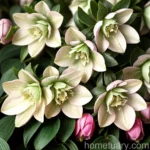
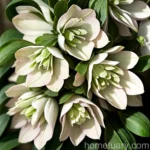
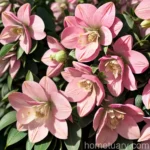
Helleborus ‘Midnight Ruffles’ is revered for its remarkable features, including its striking ruffled, bluish-purple flowers and glossy, deep green foliage. This variety is particularly celebrated for its ability to bloom in the winter, offering a burst of color and vibrancy during the colder months when many other plants lay dormant.
Key Takeaways – Helleborus ‘Midnight Ruffles’
Here are some key takeaways about Helleborus ‘Midnight Ruffles’:
- Plant Type: Perennial
- Flower Color: Bluish-purple
- Foliage: Glossy, deep green
- Bloom Time: Winter
- Sunlight: Partial to full shade
- Watering: Regular, well-draining soil
- Soil Type: Rich, moist, and well-draining
- Hardiness Zones: 4 – 9
- Uses: Shade gardens, woodland gardens, containers
- Characteristics: Low-maintenance, deer and rabbit resistant
Now, let’s delve into the detailed care and cultivation practices for this captivating plant.
Culture
Water
Helleborus ‘Midnight Ruffles’ thrives in consistently moist soil, making regular watering a crucial aspect of its care regimen. During periods of dry weather, especially in the warmer months, it is essential to ensure that the plant receives sufficient water to maintain soil moisture. However, it is important to avoid overwatering, as waterlogged soil can lead to root rot and other detrimental conditions. As a general rule, aim to keep the soil consistently moist but not waterlogged. Mulching around the base of the plant can help retain soil moisture and regulate temperature, especially in regions with hot summers.
Sunlight
One of the defining characteristics of Helleborus ‘Midnight Ruffles’ is its preference for partial to full shade. When selecting a planting location for this stunning perennial, it is paramount to choose a spot that receives dappled sunlight or partial shade, especially during the intense midday sun. While Helleborus ‘Midnight Ruffles’ can tolerate a range of light conditions, it excels in shaded environments, making it an excellent choice for woodland gardens, shady borders, and other areas with limited direct sunlight.
Fertilizer
When it comes to fertilizing Helleborus ‘Midnight Ruffles’, a balanced approach is essential. It is advisable to apply a slow-release, balanced fertilizer in early spring as new growth emerges. This will provide the plant with the necessary nutrients to support healthy foliage and vibrant blooms. Additionally, incorporating organic matter, such as well-rotted compost or leaf mulch, into the soil can enhance its overall fertility and structure, promoting robust growth and abundant flowering.
Soil
Ensuring optimal soil conditions is pivotal to the success of Helleborus ‘Midnight Ruffles’. This enchanting perennial thrives in rich, well-draining soil with a slightly acidic to neutral pH. The soil should be consistently moist, yet well-draining, to prevent waterlogging and root rot. Prior to planting, it is beneficial to amend the soil with organic matter to improve its texture and nutrient content. Additionally, incorporating a layer of mulch around the base of the plant can help regulate soil moisture and insulate the root system, particularly during extreme temperatures.
Pruning
Pruning plays a significant role in maintaining the health and vigor of Helleborus ‘Midnight Ruffles’. As winter transitions into spring, it is not uncommon for the previous year’s foliage to persist on the plant. To promote new growth and prevent the spread of disease, it is advisable to remove any old or damaged foliage, making way for fresh, vibrant growth. You can simply trim back the old foliage to ground level, allowing the plant to rejuvenate and flourish during the growing season. Pruning spent flower stalks can also encourage the development of new blooms and prevent the plant from expending unnecessary energy on seed production.
Propagation
The propagation of Helleborus ‘Midnight Ruffles’ can be achieved through various methods, including division, seed sowing, and tissue culture. Each method offers unique advantages and considerations, allowing enthusiasts to expand their collection of these captivating plants.
- Division: Propagating Helleborus ‘Midnight Ruffles’ through division involves separating an established plant into smaller sections, each with its own set of roots. This method is typically carried out in early spring or early autumn, when the plant is not in active bloom. By carefully dividing the root ball and ensuring that each division possesses sufficient roots and foliage, successful propagation can be achieved.
- Seed Sowing: Helleborus ‘Midnight Ruffles’ produces seeds that can be collected and sown to propagate new plants. The seeds are often collected when they are ripe, typically in late spring or early summer. Following collection, the seeds can be sown in containers or seedbeds, where they will germinate and develop into young plants over time.
- Tissue Culture: Tissue culture, a method employed by nurseries and horticultural facilities, involves the propagation of plants from small sections of tissue. While this method requires specialized equipment and expertise, it offers a valuable means of multiplying plants with desirable traits and characteristics, such as Helleborus ‘Midnight Ruffles’.
Container Popularity
The exceptional beauty and versatility of Helleborus ‘Midnight Ruffles’ make it a popular choice for container gardening. Whether displayed on porches, patios, or within outdoor living spaces, container-grown Helleborus ‘Midnight Ruffles’ brings a touch of elegance and color to any setting. Its preference for partial to full shade makes it particularly well-suited for container cultivation, as it can thrive in locations where direct sunlight may be limited.
When selecting a container for Helleborus ‘Midnight Ruffles’, opt for a spacious pot with adequate drainage holes to ensure proper soil aeration and water drainage. Additionally, using a high-quality, well-draining potting mix is essential to support the plant’s growth and development. Container-grown Helleborus ‘Midnight Ruffles’ can be particularly captivating when featured alongside other shade-loving plants, creating beautiful arrangements that enhance the visual appeal of outdoor spaces.
Common Diseases
While Helleborus ‘Midnight Ruffles’ is known for its resilience and overall vigor, it can be susceptible to certain diseases and physiological disorders. Understanding these potential challenges and adopting preventive measures is essential for safeguarding the health and beauty of these remarkable plants.
Disease Diagnosis
Identifying and diagnosing diseases in Helleborus ‘Midnight Ruffles’ involves observing its foliage, blooms, and overall growth for any abnormal symptoms. Common indications of disease may include discoloration, wilting, distortion of leaves, and stunted growth. Additionally, the presence of mold, mildew, or unusual lesions can serve as telltale signs of disease.
When faced with suspected disease issues, it is advisable to promptly address the problem by implementing targeted treatments and cultural practices. Key aspects of disease management for Helleborus ‘Midnight Ruffles’ include sanitation, proper watering practices, and the use of fungicidal sprays when necessary. By adopting a proactive approach to disease management, gardeners can effectively mitigate the impact of diseases and preserve the health and vitality of their Helleborus ‘Midnight Ruffles’ plants.
Common Pests
Helleborus ‘Midnight Ruffles’ is generally resistant to deer and rabbits, making it an excellent choice for gardeners seeking pest-resistant plants. Despite its resilience to many common garden pests, it may occasionally encounter challenges posed by aphids, slugs, and snails. These pests can target the foliage and blooms of Helleborus ‘Midnight Ruffles’, potentially causing damage and compromising the plant’s aesthetic appeal.
To protect Helleborus ‘Midnight Ruffles’ from pests, consider implementing integrated pest management strategies, including the use of physical barriers, organic insecticidal soaps, and natural predatory insects. Regular monitoring of the plant’s foliage and timely intervention can effectively deter pest infestations and maintain the plant’s health and vigor.
Botanist’s Tips
As a plant scientist, I have observed and studied the remarkable qualities of Helleborus ‘Midnight Ruffles’, and I am delighted to share some invaluable tips for cultivating and appreciating this captivating plant:
- Cultural Preferences: Embrace the natural habitat of Helleborus ‘Midnight Ruffles’ by creating shaded garden environments that mimic its woodland origins. Incorporate other shade-loving plants, such as ferns, hostas, and astilbes, to enhance the overall aesthetic and diversity of the garden.
- Winter Interest: Celebrate the unique charm of Helleborus ‘Midnight Ruffles’ by showcasing its winter blooms and distinctive foliage. By strategically placing these plants in the garden, you can create eye-catching displays that enliven the landscape during the cooler months.
- Mulching Benefits: Recognize the importance of mulching in preserving soil moisture and temperature regulation around Helleborus ‘Midnight Ruffles’. Organic mulches, such as shredded bark or leaf mold, can profoundly benefit the plant by fostering a favorable growing environment.
Fun Facts
Helleborus ‘Midnight Ruffles’ possesses a rich and captivating history, punctuated by unique characteristics and cultural significance. Here are some fun facts about this enchanting plant:
- Historical Significance: Helleborus species have been documented in herbal traditions and folklore for centuries, with historical references to their medicinal and magical properties.
- Toxicity: The entire Helleborus genus is known for its toxicity if ingested, making it important to exercise caution when handling the plant and keeping it out of reach of children and pets.
- Longevity: Helleborus ‘Midnight Ruffles’ is renowned for its longevity, with established plants often thriving for decades when provided with optimal growing conditions.
Links to External Resources
For further information on Helleborus ‘Midnight Ruffles’ and related topics, explore the following resources:
- The Royal Horticultural Society – Hellebore care
- American Horticultural Society – Growing Hellebores
- University of Maryland Extension – Hellebore, Winter’s First Flower
In conclusion, Helleborus ‘Midnight Ruffles’ is a captivating and versatile plant that enriches gardens with its distinctive blooms, hardy nature, and enduring appeal. With the insights and guidance provided in this comprehensive guide, you are well-equipped to cultivate, nurture, and appreciate the exceptional beauty of Helleborus ‘Midnight Ruffles’ in your own garden. Embrace the charm and resilience of this remarkable plant, and allow it to inspire and elevate your gardening endeavors with its enduring grace and winter allure.