Ligularia ‘Britt Marie Crawford’ (Leopard Plant)
Ligularia ‘Britt Marie Crawford,’ commonly known as the Leopard Plant, is a stunning perennial that adds a touch of exotic beauty to gardens and.
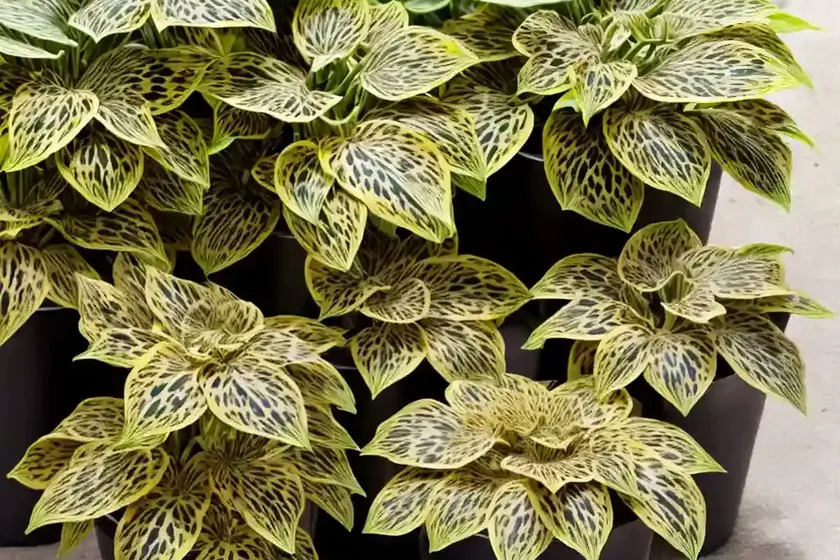
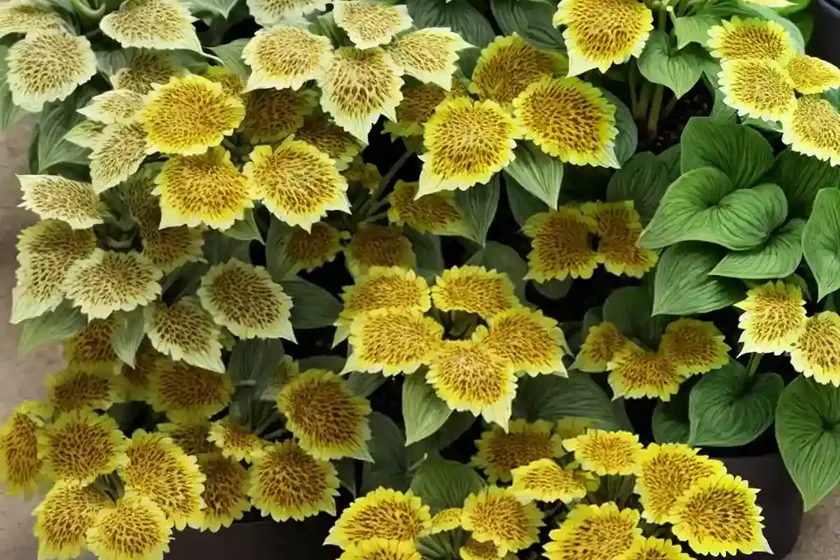
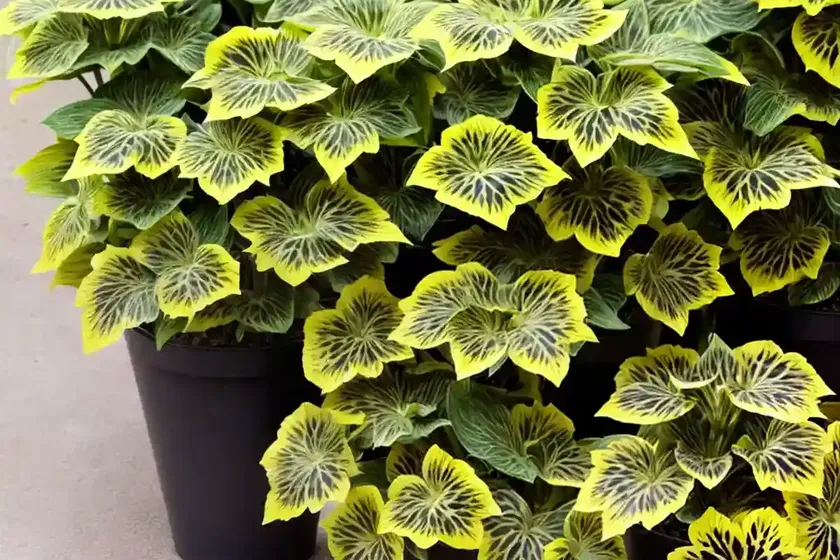
Ligularia ‘Britt Marie Crawford,’ commonly known as the Leopard Plant, is a stunning perennial that adds a touch of exotic beauty to gardens and landscapes. This impressive plant is valued for its bold foliage, unique texture, and stunning flowers, making it a popular choice among gardeners and landscaping enthusiasts.
In this comprehensive care guide, we will delve into the various aspects of cultivating and caring for Ligularia ‘Britt Marie Crawford.’ From its cultural requirements to its propagation techniques, we’ll cover everything you need to know to ensure the successful growth and maintenance of this striking plant.
What is Ligularia ‘Britt Marie Crawford’ (Leopard Plant)?
Ligularia ‘Britt Marie Crawford’ is a striking herbaceous perennial that belongs to the Ligularia genus within the Asteraceae family. Native to East Asia, including China and Japan, this plant is characterized by its large, glossy, dark green leaves and bright yellow, daisy-like flowers that appear in late summer to early fall.
The species ‘Britt Marie Crawford’ is a cultivar known for its particularly impressive foliage, which features distinctive purple undersides that add depth and visual interest to the plant. This cultivar is commonly referred to as the Leopard Plant, a name that aptly describes the mesmerizing pattern and texture of its leaves.
Ligularia ‘Britt Marie Crawford’ is a versatile plant that can thrive in a range of garden settings, from moisture-rich, shady areas to ornamental containers. Its remarkable adaptability and striking appearance make it a favored choice for adding drama and flair to gardens, landscapes, and indoor spaces.
Key Takeaways – Ligularia ‘Britt Marie Crawford’ (Leopard Plant)
Before delving into the specifics of caring for Ligularia ‘Britt Marie Crawford,’ let’s highlight the key takeaways to guide our discussion:
- Cultural Requirements: Understanding the ideal growing conditions for Ligularia ‘Britt Marie Crawford.’
- Uses: Exploring the versatile applications of the Leopard Plant in landscaping and gardening.
- Water: Determining the watering needs and moisture preferences of this plant.
- Sunlight: Delving into its sunlight requirements and tolerance levels.
- Fertilizer: Providing insights into the appropriate fertilization regimen for optimal growth.
- Soil: Discussing the soil preferences and requirements for Ligularia ‘Britt Marie Crawford.’
- Pruning: Exploring the pruning techniques to maintain the plant’s vigor and aesthetics.
- Propagation: Understanding the propagation methods for expanding the plant’s presence.
- Container Popularity: Highlighting the use of Ligularia ‘Britt Marie Crawford’ in containers and its popularity in container gardening.
- Common Diseases: Identifying potential diseases and ailments that may affect the Leopard Plant.
- Disease Diagnosis: Providing guidance on diagnosing and addressing plant diseases.
- Common Pests: Discussing the common pests that may target Ligularia ‘Britt Marie Crawford.’
- Botanist’s Tips: Offering expert tips and insights to ensure successful cultivation.
- Fun Facts: Uncovering intriguing and lesser-known facts about the Leopard Plant.
- Links to External Resources: Providing additional sources for in-depth exploration of Ligularia ‘Britt Marie Crawford.’
Let’s embark on a comprehensive journey through the care and cultivation of this captivating plant, starting with its cultural requirements.
Cultural Requirements of Ligularia ‘Britt Marie Crawford’
Understanding the cultural requirements of Ligularia ‘Britt Marie Crawford’ is fundamental to creating an environment that fosters its optimal growth and development. From moisture levels to temperature considerations, each aspect contributes to the plant’s overall health and vitality.
Water
Ligularia ‘Britt Marie Crawford’ is fond of consistently moist soil, making it an excellent choice for gardens and landscapes with moist, rich soil. Adequate water availability is crucial for the health of this plant, especially during the hotter months when the soil may dry out more quickly.
- Watering Needs: Provide regular watering to ensure that the soil remains consistently moist, particularly during periods of heat and drought.
- Moisture Preferences: The Leopard Plant thrives in areas with high humidity and ample moisture, making it an ideal addition to water gardens and landscapes with reliable water sources.
Sunlight
While Ligularia ‘Britt Marie Crawford’ appreciates moist soil, it also thrives in partial shade to full shade, particularly in regions with warmer climates. Providing the appropriate amount of sunlight is key to ensuring the plant’s health and vibrant foliage.
- Sunlight Tolerance: This plant demonstrates excellent tolerance to shade, making it a valuable addition to shaded or partially shaded garden areas.
- Light Levels: Aim to provide dappled sunlight or partial shade for optimal growth and to prevent foliage scorch in intense sunlight.
Fertilizer
To support the vigorous growth and blooming of Ligularia ‘Britt Marie Crawford,’ it’s essential to incorporate a suitable fertilization routine into its care regimen. Fertilizing this plant contributes to the development of robust foliage and vibrant blooms.
- Fertilization Frequency: Apply a balanced, all-purpose fertilizer in spring as new growth begins, and consider a second application in midsummer to sustain the plant’s vitality.
- Fertilizer Type: Utilize a fertilizer with balanced NPK (nitrogen, phosphorus, and potassium) ratios to promote overall plant health and flower production.
Soil
The soil preferences of Ligularia ‘Britt Marie Crawford’ are centered on moist, well-draining soil with rich organic content. Understanding and meeting the plant’s soil requirements are crucial for establishing an environment that promotes healthy growth.
- Soil Composition: Opt for loamy, moisture-retentive soil with ample organic matter to sustain the plant’s moisture needs and provide essential nutrients.
- Acidity Levels: Ligularia ‘Britt Marie Crawford’ thrives in slightly acidic to neutral soil, with a pH range of 5.5 to 7.0 being ideal for its cultivation.
Pruning Techniques for Ligularia ‘Britt Marie Crawford’
Pruning plays a pivotal role in maintaining the vigor, aesthetics, and overall health of Ligularia ‘Britt Marie Crawford.’ Adopting appropriate pruning techniques ensures that the plant maintains a tidy appearance while promoting new growth and preventing the onset of disease and pest infestations.
- Deadheading: Remove spent flowers promptly to encourage the production of new blooms and prolong the flowering period of the plant.
- Leaf Maintenance: Trim damaged or yellowing leaves to maintain the plant’s visual appeal and prevent the spread of fungal infections.
- Division: Consider dividing mature Ligularia ‘Britt Marie Crawford’ plants every 3 to 4 years to rejuvenate growth and prevent overcrowding.
Propagation Methods for Ligularia ‘Britt Marie Crawford’
Expanding the presence of Ligularia ‘Britt Marie Crawford’ in your garden or sharing its beauty with others often involves propagation. Understanding the appropriate propagation methods allows you to create new plantings and contribute to the sustainability and proliferation of this captivating species.
- Division: Divide mature plants in early spring before new growth emerges, ensuring that each division has sufficient roots and foliage for successful transplantation.
- Rhizome Cuttings: Utilize rhizome cuttings to propagate new plants, ensuring that each cutting contains viable roots and a portion of the rhizome for successful establishment.
- Seed Propagation: Collect and sow fresh seeds in early spring or fall, providing the optimal conditions for germination and the subsequent growth of new seedlings.
Uses of Ligularia ‘Britt Marie Crawford’ (Leopard Plant)
Ligularia ‘Britt Marie Crawford’ boasts a multitude of uses in the realm of gardening, landscaping, and ornamental horticulture. From its adaptability in different environments to its decorative and functional applications, the Leopard Plant presents a broad range of uses for enthusiasts and horticultural practitioners alike.
Garden Applications
- Shade Gardens: Excel in shaded or partially shaded garden areas, adding a burst of color and texture to spaces with limited sunlight.
- Water Gardens: Flourish in moist soil conditions, making them an excellent choice for water gardens, bog gardens, and landscapes with consistent water features.
- Borders and Edges: Serve as striking border plants, creating defined edges while contributing to the overall visual appeal and structure of garden beds.
- Focal Points: Establish captivating focal points in garden beds and landscape arrangements, drawing attention through their impressive foliage and vibrant flowers.
Container Gardening
- Patio Containers: Enhance outdoor living spaces by incorporating Ligularia ‘Britt Marie Crawford’ into decorative patio containers, adding dramatic foliage and visual interest.
- Ornamental Pots: Elevate indoor and outdoor settings by showcasing the elegance of the Leopard Plant in ornamental pots and containers, showcasing its lush foliage and vibrant blooms.
Landscaping
- Mass Plantings: Create captivating displays and mass plantings in larger landscapes, adding a bold and dynamic element to the overall design.
- Woodland Landscapes: Thrive in woodland and naturalized landscapes, harmonizing with existing flora and contributing to the natural ambiance.
- Erosion Control: Contribute to erosion control efforts by establishing dense plantings along slopes and areas prone to soil erosion, tapping into the plant’s robust root system and expansive foliage cover.
Other Uses
- Cut Flowers: Serve as stunning cut flowers for floral arrangements, bringing the beauty of the Leopard Plant indoors and accentuating floral displays.
- Pollinator Gardens: Attract pollinators, such as bees and butterflies, with the vibrant flowers and nectar sources provided by Ligularia ‘Britt Marie Crawford.’
- Wildlife Gardens: Contribute to wildlife gardens and habitats, supporting biodiversity and providing shelter and foraging opportunities for various species.
- Medicinal Applications: Historically, certain species within the Ligularia genus have been used in traditional medicine for their purported medicinal properties.
Common Diseases and Pest Management for Ligularia ‘Britt Marie Crawford’
Though generally resilient, Ligularia ‘Britt Marie Crawford’ is susceptible to certain diseases and pests. Understanding the signs of potential ailments and the pests that may target this plant is crucial for early detection and effective management.
Common Diseases
- Powdery Mildew: Watch for the development of powdery white coatings on the foliage, particularly during periods of high humidity and poor air circulation.
- Leaf Spot: Monitor for the occurrence of leaf spots, characterized by necrotic lesions on the foliage, which may lead to defoliation if left unchecked.
Disease Diagnosis
- Early Detection: Regularly inspect the foliage and stems for signs of discoloration, lesions, or unusual growth patterns, allowing for early intervention and disease management.
- Fungal Infections: Monitor for the development of fungal infections, such as powdery mildew and leaf spot, and promptly address them with appropriate fungicidal treatments if detected.
Common Pests
- Slugs and Snails: Keep an eye out for slug and snail damage, particularly during periods of high moisture, and employ physical or chemical control methods to manage infestations.
- Caterpillars: Monitor for the presence of caterpillars, which may feed on the foliage and flowers, and address infestations through manual removal or targeted insecticidal treatments.
Botanist’s Tips for Successful Cultivation of Ligularia ‘Britt Marie Crawford’
To ensure the successful growth and flourishing of Ligularia ‘Britt Marie Crawford’ in your garden or landscape, it’s beneficial to heed the following expert tips and insights from botanists and experienced horticulturists:
- Soil Amendments: Incorporate organic matter, such as compost or well-rotted manure, into the soil to enhance its structure and fertility, providing an optimal growing medium for the Leopard Plant.
- Mulching: Apply a layer of organic mulch around the base of the plant to conserve soil moisture, suppress weed growth, and maintain cool root temperatures.
- Watering Practices: Implement drip irrigation or soaker hoses to deliver consistent moisture to the plant’s root zone, minimizing foliage wetting and promoting healthier growth.
- Air Circulation: Ensure adequate air circulation around the plant by spacing individual specimens appropriately and strategically arranging plantings in the landscape.
- Companion Planting: Pair Ligularia ‘Britt Marie Crawford’ with complementary shade-tolerant plants, such as hostas, ferns, and astilbes, to create visually engaging and harmonious garden combinations.
- Winter Protection: Provide winter protection, such as a layer of mulch or frost cloth, to shield the plant from harsh winter conditions and prevent frost damage to the foliage.
- Regular Maintenance: Engage in routine maintenance practices, including deadheading, pruning, and fertilizing, to sustain the plant’s health and appearance throughout the growing season.
Fun Facts about Ligularia ‘Britt Marie Crawford’ (Leopard Plant)
Delve into the fascinating world of Ligularia ‘Britt Marie Crawford’ with these captivating and lesser-known facts about the Leopard Plant:
- Historical Significance: The Ligularia genus has been historically associated with various medicinal and folklore traditions, with certain species believed to possess medicinal properties.
- Pollinator Magnet: The vibrant and nectar-rich flowers of Ligularia ‘Britt Marie Crawford’ attract an array of pollinators, contributing to the ecological diversity of the garden or landscape.
- Foliage Diversity: Ligularia ‘Britt Marie Crawford’ showcases striking foliage diversity, with its glossy, dark green leaves complemented by deep purple undersides, adding an element of intrigue to the plant’s visual appeal.
- Ornamental Allure: The Leopard Plant’s ornamental allure extends beyond the flowering period, with its bold foliage serving as an enduring focal point in the garden landscape.
- Medicinal Heritage: Certain Ligularia species have been traditionally utilized in herbal medicine, with their purported therapeutic properties contributing to their historical significance.
- Cultural Symbolism: In various cultures, certain species within the Ligularia genus hold symbolic significance and are associated with diverse cultural narratives and beliefs.
External Resources for In-Depth Exploration
For further insights and in-depth information on the care and cultivation of Ligularia ‘Britt Marie Crawford’ (Leopard Plant), consider exploring the following external resources:
- Royal Horticultural Society (RHS) – Ligularia ‘Britt Marie Crawford’
- Missouri Botanical Garden – Ligularia
- The Spruce – How to Grow Leopard Plants
Leverage these external resources to enrich your understanding of Ligularia ‘Britt Marie Crawford’ and access comprehensive guidance for the successful cultivation and management of this captivating plant.
Final Thoughts
As we conclude our comprehensive care guide for Ligularia ‘Britt Marie Crawford’ (Leopard Plant), we hope that you have gained valuable insights into the cultivation, uses, and maintenance of this stunning perennial. With its remarkable foliage, vibrant flowers, and adaptability to various garden and landscape settings, the Leopard Plant stands as a testament to the allure and diversity of ornamental horticulture.
Embrace the knowledge and expertise shared in this guide to create thriving plantings of Ligularia ‘Britt Marie Crawford’ in your own gardens, landscapes, and ornamental displays. By providing the optimal cultural conditions, managing potential diseases and pests, and celebrating its ornamental and ecological contributions, you can revel in the beauty and charm of this captivating species, enriching your horticultural pursuits and enhancing the natural splendor of your surroundings.
Now, armed with a deeper understanding of Ligularia ‘Britt Marie Crawford,’ embark on your journey to cultivate and appreciate the enchanting allure of this remarkable plant.
P.S. For updates and further insights, stay connected with us through our horticultural community and upcoming events. Happy gardening!
References
- “Ligularia Britt Marie Crawford” Royal Horticultural Society. https://www.rhs.org.uk/Plants/239589/i-Ligularia-i-Britt-Marie-Crawford/Details
- “Ligularia” Missouri Botanical Garden. https://www.missouribotanicalgarden.org/PlantFinder/PlantFinderDetails.aspx?kempercode=k800
- “How to Grow Leopard Plants” The Spruce. https://www.thespruce.com/growing-leopard-plants-1403213