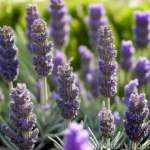
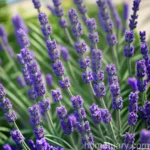
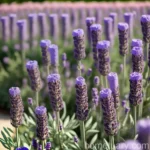
Lavandula angustifolia ‘Miss Katherine’ (Lavender)
Lavender, scientifically known as Lavandula angustifolia ‘Miss Katherine’, is a popular and versatile flowering plant that has been cherished for centuries. Its fragrant and delicate blooms, along with its numerous practical uses, have made it a beloved addition to gardens, landscapes, and even skincare and culinary products. In this comprehensive guide, we will delve into all aspects of this beautiful plant, from its cultivation and care to its uses and benefits.
What is Lavandula angustifolia ‘Miss Katherine’?
Lavandula angustifolia ‘Miss Katherine’, also known as English Lavender, is a specific cultivar of the Lavandula angustifolia species. This particular variety is coveted for its striking blooms and exceptional fragrance, making it a popular choice for both ornamental and practical purposes. The lavender plant is native to the Mediterranean region, where it thrives in sunny and well-drained environments.
Key Takeaways – Lavandula angustifolia ‘Miss Katherine’ (Lavender)
Before we dive deeper into the specifics of Lavandula angustifolia ‘Miss Katherine’, let’s outline some key takeaways about this captivating plant.
- Botanical Name: Lavandula angustifolia ‘Miss Katherine’
- Common Name: English Lavender, Miss Katherine Lavender
- Plant Type: Perennial flowering plant
- Fragrance: Highly aromatic with a sweet and floral scent
- Uses: Ornamental gardens, aromatherapy, skincare, culinary applications
- Growth Habit: Compact and bushy, reaching up to 2-3 feet in height
- Hardiness Zone: 5-8
- Water Needs: Moderate, prefers well-drained soil
- Sunlight: Full sun, at least 6-8 hours of direct sunlight per day
- Soil Type: Sandy or gravelly soil with good drainage
- Common Pests: Aphids, spider mites
- Common Diseases: Root rot, fungal diseases
- Pruning: Regular deadheading and light pruning after flowering
- Propagation: Seeds, cuttings, or division
- Popularity: Widely admired for its beauty and versatility
With these key points in mind, we can now explore the various aspects of cultivating and caring for Lavandula angustifolia ‘Miss Katherine’ as well as its numerous uses and benefits.
Culture
Water
Lavandula angustifolia ‘Miss Katherine’ is known for its remarkable drought tolerance once established. It is essential to establish a healthy root system during the plant’s initial growth stages by providing regular watering. However, it is crucial to allow the soil to dry out between waterings to prevent waterlogged conditions that can lead to root rot. Once the plant is established, it will require minimal supplemental watering, relying primarily on natural rainfall.
Sunlight
As a sun-loving plant, Lavandula angustifolia ‘Miss Katherine’ thrives in full sun conditions. It should be positioned in an area that receives at least 6-8 hours of direct sunlight daily. Inadequate sunlight can lead to reduced blooming and decreased fragrance in lavender plants.
Soil
Well-drained soil is crucial for the successful cultivation of Lavandula angustifolia ‘Miss Katherine’. Sandy or gravelly soils with good drainage are highly preferred to prevent waterlogging, which can be detrimental to the plant’s health. If the soil lacks adequate drainage, it is advisable to amend it with organic matter or perlite to improve its structure.
Fertilizer
Lavandula angustifolia ‘Miss Katherine’ thrives in nutrient-poor soil and generally does not require heavy fertilization. Excessive fertilization can lead to excessive foliage growth at the expense of blooms and can also compromise the plant’s aromatic oils. A light application of a balanced fertilizer in early spring, such as a 10-10-10 formulation, can be beneficial for promoting healthy growth.
Pruning
Pruning is an essential aspect of lavender care, and it helps maintain the plant’s shape, encourage bushier growth, and prolong its blooming period. After the initial spring growth, Lavandula angustifolia ‘Miss Katherine’ should be lightly pruned to remove spent flower stalks and shape the plant. This practice also helps prevent the plant from becoming woody and encourages the development of new growth.
Propagation
Lavandula angustifolia ‘Miss Katherine’ can be propagated through several methods, including seeds, cuttings, and division. Each method has its own set of requirements and challenges, but successful propagation can result in new plants that retain the desired traits of the parent plant. Propagation through cuttings is a popular method due to its relatively high success rate and the ability to produce clones of the parent plant.
Container Popularity
The compact and bushy nature of Lavandula angustifolia ‘Miss Katherine’ makes it an excellent candidate for container cultivation. Its tidy growth habit, delightful fragrance, and beautiful blooms make it a popular choice for adorning patios, balconies, and outdoor living spaces. When grown in containers, it is crucial to provide well-drained soil and adequate sunlight for the plant’s optimal growth.
Common Diseases
Disease Diagnosis
Lavandula angustifolia ‘Miss Katherine’ is susceptible to certain diseases, particularly those caused by overly moist or poorly drained conditions. Root rot, often manifesting as yellowing or wilting foliage, can be a common issue in lavender plants grown in waterlogged soil. Additionally, fungal diseases such as powdery mildew and gray mold can affect the plant, especially in humid environments.
Common Pests
While lavender is generally resistant to many pests due to its potent fragrance and natural compounds, it can still face challenges from certain insect invaders. Aphids, spider mites, and whiteflies are among the potential pests that may target Lavandula angustifolia ‘Miss Katherine’. Regular inspection and prompt remedial action can help mitigate pest infestations and protect the plant’s health.
Botanist’s Tips
As a plant scientist, I have amassed knowledge and insights into the optimal care and cultivation of Lavandula angustifolia ‘Miss Katherine’. Here are some key tips to ensure the success of your lavender plants:
- Well-Drained Soil: Always prioritize well-drained soil to prevent waterlogging and maintain the plant’s overall health.
- Sunlight Requirements: Provide ample sunlight to promote robust growth, abundant blooms, and optimal fragrance production.
- Moderate Watering: Strike a balance with watering, allowing the soil to dry out between waterings to prevent root rot while establishing a healthy root system.
- Pruning Practice: Regularly deadhead spent blooms and lightly prune the plant to maintain its shape and encourage continuous flowering.
- Pest Vigilance: Keep an eye out for common pests such as aphids and spider mites, addressing any infestations promptly to prevent damage.
Fun Facts
- The term “lavender” is derived from the Latin word “lavare,” which means “to wash.” Lavender has been historically used for its cleansing and aromatic properties in various cultures.
- In ancient Egypt, lavender was utilized in the mummification process and for its fragrance in perfumes and cosmetics.
- Lavender’s essential oils have been valued for their antibacterial and antifungal properties, making them popular in natural cleaning products and skincare formulations.
Links to External Resources
To further expand your understanding and appreciation for Lavandula angustifolia ‘Miss Katherine’, I have curated a selection of reliable external resources that offer valuable insights and practical guidance on lavender cultivation and usage:
- The Royal Horticultural Society – Growing Lavender
- University of Maryland Extension – Lavender Production and Use
- North Carolina State University Extension – Growing Lavender in North Carolina
- National Association for Holistic Aromatherapy – Lavender Essential Oil
- The Herb Society of America – Lavender: A Garden Must-Have
By exploring these resources, you can gain a deeper understanding of lavender cultivation, its diverse uses, and the myriad benefits it offers.
In conclusion, Lavandula angustifolia ‘Miss Katherine’ stands as a beloved and versatile plant that captivates the senses and offers a myriad of practical applications. From its alluring fragrance to its ornamental beauty and multitude of uses in aromatherapy, skincare, and culinary pursuits, this lavender cultivar continues to enchant and inspire gardeners, herbalists, and enthusiasts worldwide. By embracing the knowledge and best practices outlined in this guide, you can embark on a rewarding journey of cultivating, appreciating, and utilizing the remarkable Lavandula angustifolia ‘Miss Katherine’ in your own botanical endeavors.