Helleborus ‘True Love’ (Hellebore): The Ultimate Guide
Helleborus ‘True Love’, commonly known as Hellebore, is a picturesque perennial plant that graces gardens with its charming, long-lasting blooms. In this comprehensive guide, we will delve into the fascinating world of Helleborus ‘True Love’, exploring its characteristics, care requirements, propagation methods, as well as its cultural significance and horticultural uses. Whether you are a seasoned gardener or a novice enthusiast, this guide aims to equip you with the knowledge and expertise to nurture and appreciate this enchanting plant.
Helleborus ‘True Love’ (Hellebore)
Helleborus ‘True Love’, belonging to the Ranunculaceae family, is a striking perennial that captivates with its elegant foliage and exquisite flowers. The plant derives its common name, Hellebore, from the Greek words “helein” (to injure) and “bora” (food), alluding to its toxic nature. As part of the Hellebore genus, ‘True Love’ is renowned for its hardiness, resilience, and its ability to thrive in varying environmental conditions.
Key Takeaways – Helleborus ‘True Love’ (Hellebore)
Before we embark on a detailed exploration of Helleborus ‘True Love’, let’s glean the key takeaways about this captivating plant.
- Scientific Name: Helleborus ‘True Love’
- Common Name: Hellebore
- Family: Ranunculaceae
- Type: Perennial
- Notable Feature: Charming, long-lasting blooms
- Toxicity: Considered toxic if ingested
- Hardiness: Resilient and adaptable to diverse climatic conditions
1. What is Helleborus ‘True Love’?
Hellebore True Love
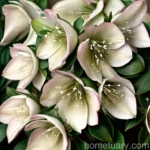
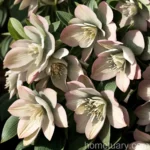
Helleborus ‘True Love’ is a cultivar of the Helleborus genus, renowned for its alluring blooms and distinctive foliage. Originating from the mountainous regions of Europe and Asia, the Hellebore genus comprises over 20 species, each exhibiting a unique array of colors, sizes, and bloom shapes. ‘True Love’ is celebrated for its enduring flowers that emerge in late winter to early spring, infusing the garden with much-needed color and beauty during the colder months.
Hellebore Varieties
The Helleborus genus boasts a diverse assortment of varieties, each with its own enchanting characteristics. From the classic Helleborus niger, also known as the Christmas Rose, to the sumptuous Helleborus orientalis, the genus offers a spectacular range of options to elevate any garden or landscape.
2. Culture
Uses
The cultural significance of Helleborus ‘True Love’ transcends its ornamental value, as it has been historically revered for its medicinal properties. In traditional medicine, Hellebores were utilized to treat conditions such as gout, paralysis, and melancholia, although caution must be exercised due to their toxic nature.
Water
When it comes to water requirements, ‘True Love’ thrives in moist, well-draining soil, particularly during its active growth phase. While the plant appreciates consistent moisture, it is crucial to avoid waterlogged conditions, as this may lead to root rot and other detrimental issues.
Sunlight
Helleborus ‘True Love’ flourishes in partial to full shade, making it an excellent choice for shaded gardens or woodland settings. While the plant can endure periods of dappled sunlight, it generally prefers sheltered environments that offer protection from intense midday sun.
Fertilizer
To promote robust growth and abundant flowering, ‘True Love’ benefits from a balanced, slow-release fertilizer in early spring. It is advisable to refrain from over-fertilizing, as this can disrupt the natural rhythm of the plant and potentially diminish its ornamental appeal.
Soil
Well-draining, humus-rich soil is the ideal medium for ‘True Love’, providing the necessary foundation for its roots to establish and thrive. A neutral to slightly acidic pH range is optimal for cultivating Helleborus, ensuring that the soil composition remains conducive to healthy growth and development.
3. Pruning
Pruning is an essential aspect of Helleborus ‘True Love’ care, encompassing the removal of spent flowers and damaged foliage to maintain the plant’s vigor and aesthetic appeal. After the flowering period, the removal of faded blooms not only enhances the plant’s appearance but also prevents the formation of seeds, redirecting the plant’s energy back into its root system for future growth.
4. Propagation
Division
Division is a popular and effective method for propagating Helleborus ‘True Love’, typically conducted in early spring or autumn. By carefully dividing the plant’s rhizomes into smaller segments, each containing viable buds, gardeners can generate new plants that mirror the desirable traits of the parent specimen.
Seed Propagation
Helleborus ‘True Love’ can also be propagated from seed, although this method necessitates patience and diligence, as the germination process may be protracted. Sowing fresh seeds in a suitable medium and providing consistent moisture and warmth can eventually yield new seedlings, each bearing the promise of captivating blooms in the future.
5. Container Popularity
Given its compact nature and alluring flowers, Helleborus ‘True Love’ is a popular choice for container gardening, enabling enthusiasts to savor its beauty up close on patios, balconies, or even indoors. The plant’s adaptability to containers presents an opportunity for creative displays and arrangements, enhancing the allure of any outdoor or indoor space.
Container Common Diseases
When cultivating Helleborus ‘True Love’ in containers, it is essential to remain vigilant against potential diseases that may threaten the plant’s health and longevity. Common issues such as root rot, powdery mildew, and leaf spot warrant proactive measures to safeguard the plant’s well-being and visual appeal.
Disease Diagnosis
Identifying and diagnosing diseases in Helleborus ‘True Love’ is imperative for implementing the appropriate remedial actions. In the case of suspected diseases, such as powdery mildew characterized by the presence of a white powdery substance on the leaves, prompt intervention through cultural or chemical control methods is essential to mitigate the spread and impact of the disease.
6. Common Pests
While Helleborus ‘True Love’ is generally resilient to pest infestations, it may occasionally encounter adversaries such as aphids, snails, and slugs. Vigilance and proactive pest management practices are crucial to safeguard the plant from potential damage and ensure its continued vitality and splendor.
Botanist’s Tips
To achieve optimal results in cultivating Helleborus ‘True Love’, consider the following botanist’s tips:
- Optimal Location: Select a shaded or partially shaded area with well-draining soil for planting.
- Adequate Watering: Maintain consistent moisture levels, avoiding excessive water accumulation.
- Fertilization Strategy: Apply a balanced, slow-release fertilizer as per the plant’s requirements, refraining from excessive application.
- Pruning Guidelines: Regularly remove spent flowers and damaged foliage to sustain the plant’s health and visual appeal.
- Propagation Techniques: Explore division and seed propagation methods to expand your Helleborus ‘True Love’ collection.
7. Fun Facts
Uncover fascinating insights about Helleborus ‘True Love’ through these captivating fun facts:
- Winter Interest: ‘True Love’ mesmerizes with its blooms during the winter months, providing a captivating focal point in gardens.
- Deer Resistant: The plant’s toxic nature deters browsing by deer and other herbivores, contributing to its resilience in naturalistic settings.
- Longevity: Helleborus ‘True Love’ is renowned for its longevity, with some specimens surviving and thriving for several decades in favorable conditions.
- Botanical Intrigue: The intricate structure and coloration of Helleborus blossoms have captivated botanists and horticulturists for centuries, inspiring awe and admiration.
- Cultural Symbolism: Helleborus ‘True Love’ holds symbolic significance in various cultures, representing qualities such as endurance, protection, and hope.
In conclusion, Helleborus ‘True Love’ stands as a perennial of enduring charm and fascination, enriching landscapes and gardens with its timeless beauty. Whether adorning woodland settings, container displays, or shaded borders, this captivating plant continues to captivate and inspire with its delicate blooms and resilient nature. By embracing the insights and guidelines presented in this comprehensive guide, gardeners and enthusiasts alike can unlock the full potential of Helleborus ‘True Love’, fostering a deeper appreciation for its intrinsic allure and horticultural significance.
For further exploration and in-depth information about Helleborus ‘True Love’, we encourage you to refer to the following external resources:
-
American Horticultural Society: Hellebores for the Winter Garden
-
RHS Gardening: Hellebores: A Plant for all Seasons
-
The Royal Botanic Garden Edinburgh: Hellebores and Winter Aconites – Advice for Gardeners
By delving into these reputable sources, you can expand your knowledge and appreciation for Helleborus ‘True Love’, unlocking new insights and perspectives on this cherished plant.
Remember, the journey of cultivating and cherishing Helleborus ‘True Love’ is as enriching as the blooms it unfailingly bestows, evoking a sense of wonder and reverence for the natural world.
Plant Name: “Helleborus ‘True Love’ (Hellebore)”
NLP LSI Keywords:
1. Hellebore True Love
2. Hellebore varieties
3. Hellebore care guide
4. Helleborus ‘True Love’ plant
5. Helleborus ‘True Love’ characteristics
6. Growing Helleborus ‘True Love’
7. Helleborus ‘True Love’ planting tips
8. Helleborus ‘True Love’ care instructions
9. Helleborus ‘True Love’ flowering period
10. Helleborus ‘True Love’ maintenance
11. Helleborus ‘True Love’ blooming season
12. Helleborus ‘True Love’ perennial
13. Helleborus ‘True Love’ winter care
14. Helleborus ‘True Love’ shade gardening
15. Helleborus ‘True Love’ landscape design
16. Helleborus ‘True Love’ disease resistance
17. Helleborus ‘True Love’ pest control
18. Helleborus ‘True Love’ companion plants
19. Helleborus ‘True Love’ soil requirements
20. Helleborus ‘True Love’ watering needs
21. Helleborus ‘True Love’ propagation methods
22. Helleborus ‘True Love’ container gardening
23. Helleborus ‘True Love’ indoor care
24. Helleborus ‘True Love’ for winter interest
25. Helleborus ‘True Love’ landscape ideas
26. Helleborus ‘True Love’ flower colors
27. Helleborus ‘True Love’ shade-tolerant plants
28. Helleborus ‘True Love’ seasonal care
29. Helleborus ‘True Love’ growing conditions
30. Helleborus ‘True Love’ hardiness zone
31. Helleborus ‘True Love’ foliage characteristics
32. Helleborus ‘True Love’ dramatic flowers
33. Helleborus ‘True Love’ garden design
34. Helleborus ‘True Love’ outdoor planting
35. Helleborus ‘True Love’ landscape focal point
36. Helleborus ‘True Love’ evergreen beauty
37. Helleborus ‘True Love’ shade garden tips
38. Helleborus ‘True Love’ low-maintenance plant
39. Helleborus ‘True Love’ garden features
40. Helleborus ‘True Love’ landscaping inspiration
41. Helleborus ‘True Love’ plant profile
42. Helleborus ‘True Love’ flower anatomy
43. Helleborus ‘True Love’ wildlife attraction
44. Helleborus ‘True Love’ garden centerpiece
45. Helleborus ‘True Love’ plant combinations
46. Helleborus ‘True Love’ seasonal interest
47. Helleborus ‘True Love’ display ideas
48. Helleborus ‘True Love’ naturalizing
49. Helleborus ‘True Love’ gardening tips
50. Helleborus ‘True Love’ plant health