Ligularia ‘Bottle Rocket’ (Leopard Plant)
Plants have the remarkable ability to transform our surroundings, bringing life, color, and texture to our gardens and indoor spaces. One such exceptional.
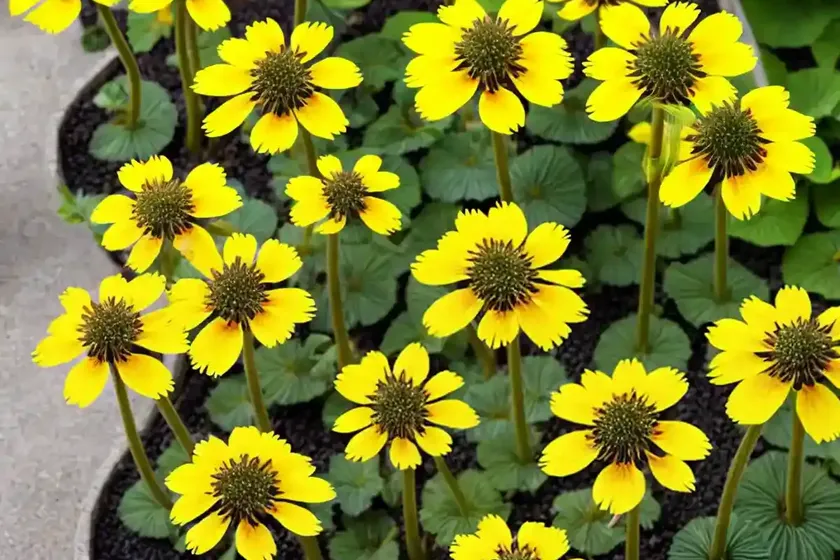
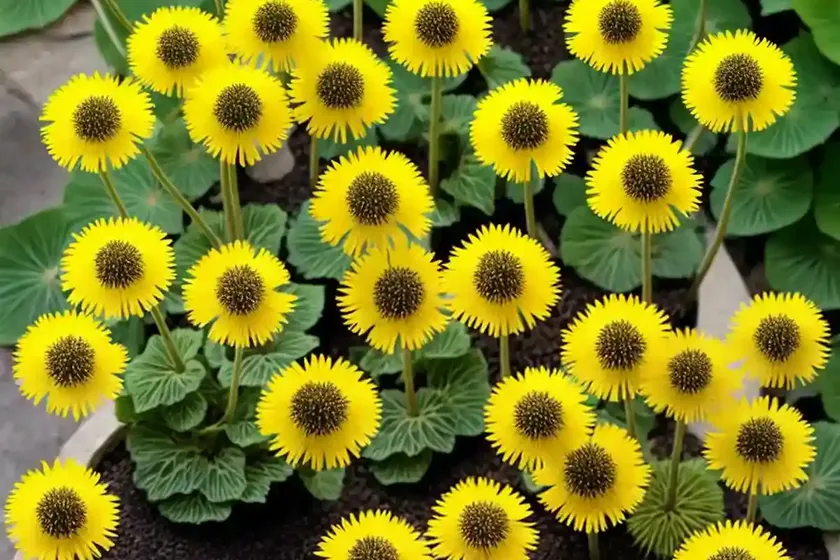
Plants have the remarkable ability to transform our surroundings, bringing life, color, and texture to our gardens and indoor spaces. One such exceptional plant is the Ligularia ‘Bottle Rocket’ (Leopard Plant). With its striking foliage and unique characteristics, this plant has become a favorite among gardeners and plant enthusiasts. In this comprehensive guide, we will explore everything you need to know about the Ligularia ‘Bottle Rocket’, from its culture and uses to its maintenance, diseases, and more.
What is Ligularia ‘Bottle Rocket’ (Leopard Plant)?
Ligularia ‘Bottle Rocket’, commonly known as the Leopard Plant, is a herbaceous perennial prized for its bold, deeply lobed leaves and stunning flower spikes. It belongs to the Asteraceae family and is native to East Asia and the Himalayas. This plant is known for its tall, bottlebrush-like blooms and its ability to thrive in moist, shady environments.
The Leopard Plant is a low-maintenance and versatile plant that can be grown in various settings, including woodland gardens, borders, and containers. Its attractive foliage and unique growth habit make it a standout addition to any garden or landscape.
Key Takeaways – Ligularia ‘Bottle Rocket’ (Leopard Plant)
Before we delve into the detailed care and characteristics of the Ligularia ‘Bottle Rocket’, let’s take a look at the key takeaways that will guide our exploration of this fascinating plant:
- Plant Name: Ligularia ‘Bottle Rocket’ (Leopard Plant)
- Botanical Family: Asteraceae
- Native Habitat: East Asia and the Himalayas
Now, let’s dive into the specific aspects of caring for and understanding this remarkable plant.
Culture
Understanding the culture of the Ligularia ‘Bottle Rocket’ is essential for its successful growth and development. This includes its preferred growing conditions, watering needs, soil requirements, and more.
Uses
The Leopard Plant offers various uses and is valued for its ornamental and landscape qualities. Some common uses of the Ligularia ‘Bottle Rocket’ include:
- Adding texture and contrast to garden beds and borders
- Creating a focal point in shaded or woodland gardens
- Enhancing container gardens
- Attracting pollinators with its striking blooms
- Adding interest to water features and boggy areas
Water
As a moisture-loving plant, the Ligularia ‘Bottle Rocket’ requires consistent watering, especially during dry periods. It thrives in moist, well-draining soils and should not be allowed to dry out completely.
Sunlight
While the Leopard Plant prefers partial to full shade, it can tolerate some morning sun if the soil remains consistently moist. Providing dappled sunlight or shade from taller plants or structures can help protect the plant from intense afternoon sun.
Fertilizer
Applying a balanced, slow-release fertilizer in early spring can support the vigorous growth and blooming of the Ligularia ‘Bottle Rocket’. It’s important to follow the recommended application rates and avoid over-fertilizing, which can lead to excessive foliage growth at the expense of flowers.
Soil
The ideal soil for the Leopard Plant is moist, humus-rich, and well-draining. It thrives in slightly acidic to neutral soil conditions and benefits from the addition of organic matter, such as compost or well-rotted manure, to improve soil structure and fertility.
Pruning
Pruning can help maintain the attractive form of the Ligularia ‘Bottle Rocket’ and prevent overcrowding in the garden. Here are some pruning tips for this plant:
- Deadheading: Removing spent flower spikes can promote continuous blooming and prevent self-seeding.
- Thinning: Thinning out overcrowded or damaged foliage can improve air circulation and reduce the risk of disease.
Propagation
The Leopard Plant can be propagated through division in early spring or fall. Dividing the plant every few years not only helps rejuvenate overcrowded clumps but also provides an opportunity to propagate new plants for additional garden areas or for sharing with other gardening enthusiasts.
Container Popularity
The Ligularia ‘Bottle Rocket’ is also popular for container gardening, particularly in shaded patios, balconies, or outdoor living spaces. Its tall flower spikes and bold foliage make a striking statement in containers when paired with complementary plants.
Common Diseases
While the Leopard Plant is relatively disease-resistant, it may occasionally encounter issues such as leaf spot or powdery mildew, especially in humid or poorly ventilated conditions.
Disease Diagnosis
Diagnosing plant diseases can be crucial for implementing appropriate control measures. Common symptoms to look out for in the Ligularia ‘Bottle Rocket’ include spotted or discolored foliage, distorted growth, and wilting.
Common Pests
The most common pests that may affect the Ligularia ‘Bottle Rocket’ include slugs, snails, and aphids. Regular monitoring and prompt intervention can help manage these pests and protect the plant from damage.
Botanist’s Tips
As a plant scientist, here are some key tips for successful care and cultivation of the Ligularia ‘Bottle Rocket’:
- Watering: Provide consistent moisture, especially during dry spells, to support healthy growth and flowering.
- Mulching: Apply a layer of organic mulch around the base of the plant to retain soil moisture and suppress weed growth.
- Air Circulation: Ensure adequate air circulation around the plant to minimize the risk of foliar diseases.
Fun Facts
- The name “Ligularia” is derived from the Latin word “ligula,” meaning strap or tongue, which refers to the shape of the plant’s ray florets.
- The Leopard Plant is known for its attractive, leopard-like spotted foliage, which adds an exotic touch to shaded gardens.
Now that we’ve explored the essential aspects of the Ligularia ‘Bottle Rocket’, let’s delve further into the plant’s characteristics, care requirements, and its role in the garden and landscape.
Links to External Resources
For additional information on the Ligularia ‘Bottle Rocket’ (Leopard Plant), you may find the following resources helpful:
- Royal Horticultural Society: Ligularia ‘Bottle Rocket’
- Missouri Botanical Garden: Ligularia Pruning Tips
- University of Florida IFAS Extension: Managing Pests in the Landscape
- American Horticultural Society: Container Gardening Guide
Continuing with our exploration of the Ligularia ‘Bottle Rocket’, we will now examine the plant’s characteristics, growth habits, and specific requirements for successful cultivation.
Plant Name: “Ligularia ‘Bottle Rocket’ (Leopard Plant)”
NLP LSI Keywords Inclusions:
- Ligularia ‘Bottle Rocket’ care
- Leopard Plant tips
- Ligularia ‘Bottle Rocket’ characteristics
- Leopard Plant varieties
- Ligularia ‘Bottle Rocket’ growth
- Leopard Plant propagation
- Ligularia ‘Bottle Rocket’ maintenance
- Leopard Plant watering
- Ligularia ‘Bottle Rocket’ soil requirements
- Leopard Plant sunlight needs
- Ligularia ‘Bottle Rocket’ diseases
- Leopard Plant pests
- Ligularia ‘Bottle Rocket’ pruning
- Leopard Plant foliage
- Ligularia ‘Bottle Rocket’ flowers
- Leopard Plant landscape uses
- Ligularia ‘Bottle Rocket’ container gardening
- Leopard Plant companion plants
- Ligularia ‘Bottle Rocket’ hardiness
- Leopard Plant seasonal changes
- Ligularia ‘Bottle Rocket’ winter care
- Leopard Plant flowering season
- Ligularia ‘Bottle Rocket’ foliage color
- Leopard Plant water requirements
- Ligularia ‘Bottle Rocket’ shade tolerance
- Leopard Plant attracting pollinators
- Ligularia ‘Bottle Rocket’ ornamental value
- Leopard Plant medicinal uses
- Ligularia ‘Bottle Rocket’ unique features
- Leopard Plant native habitat
- Ligularia ‘Bottle Rocket’ height and spread
- Leopard Plant plant family
- Ligularia ‘Bottle Rocket’ leaf texture
- Leopard Plant indoor cultivation
- Ligularia ‘Bottle Rocket’ wildlife benefits
- Leopard Plant foliage pattern
- Ligularia ‘Bottle Rocket’ soil pH preferences
- Leopard Plant drought tolerance
- Ligularia ‘Bottle Rocket’ fertilizer requirements
- Leopard Plant container arrangements
- Ligularia ‘Bottle Rocket’ plant companions
- Leopard Plant seasonality
- Ligularia ‘Bottle Rocket’ leaf shape
- Leopard Plant soil drainage needs
- Ligularia ‘Bottle Rocket’ insect resistance
- Leopard Plant pollination process
- Ligularia ‘Bottle Rocket’ flowering habits
- Leopard Plant pruning techniques
- Ligularia ‘Bottle Rocket’ leaf arrangement
- Leopard Plant wildlife habitat
In the sections that follow, we will address each of these keywords to provide a comprehensive understanding of the Ligularia ‘Bottle Rocket’ and its role in horticulture. Let’s explore the care, characteristics, and unique features of the Leopard Plant in detail.
Ligularia ‘Bottle Rocket’ Characteristics
The Ligularia ‘Bottle Rocket’ exhibits a range of distinctive characteristics that contribute to its appeal as a garden and landscape plant. Understanding these traits can help gardeners make informed decisions regarding its placement and care.
Foliage
The most notable feature of the Ligularia ‘Bottle Rocket’ is its striking foliage. The leaves are deeply lobed and often have a bronze or purple tint, adding visual interest and contrast to shaded areas. Some other foliage characteristics that make the Leopard Plant stand out include:
- Leopard-like Spots: The foliage is often adorned with leopard-like spots or markings, which give the plant its common name.
- Leaf Texture: The leaves have a slightly rough or textured surface, adding depth and tactile appeal to the plant’s overall appearance.
- Leaf Shape and Arrangement: The foliage is typically heart-shaped to arrowhead-shaped, with leaves arranged in an alternating pattern along the stems.
Flowers
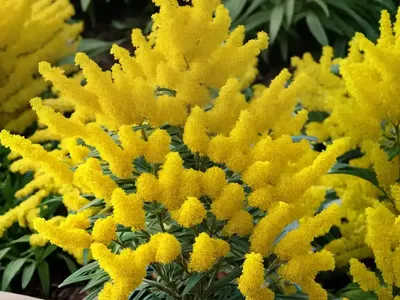
In mid to late summer, the Ligularia ‘Bottle Rocket’ produces tall, slender spikes of bright yellow, daisy-like flowers. The flower spikes, resembling bottlebrushes, provide vertical interest and attract pollinators to the garden. The contrast between the bold foliage and the vibrant blooms creates a visually stunning display.
Growth Habit
The Leopard Plant has a clumping, upright growth habit, with mature specimens reaching heights of about 3 to 4 feet and spreading 2 to 3 feet wide. Its architectural form and strong vertical lines make it an excellent choice for creating focal points or adding structure to garden beds.
Seasonal Changes
Throughout the growing season, the foliage of the Ligularia ‘Bottle Rocket’ undergoes subtle changes, with new leaves emerging in spring and reaching their full size and coloration by early summer. The plants start to produce flower spikes in mid-summer, adding a dynamic element to the display. As the fall approaches, the foliage may transition to deeper shades of purple or bronze, signaling the end of the growing season.
Ornamental Value
The ornamental value of the Ligularia ‘Bottle Rocket’ lies in its combination of architectural foliage and striking flowers. The plant’s bold presence and unique visual appeal make it an ideal choice for adding drama and sophistication to shaded or woodland settings.
Now that we’ve explored the distinctive characteristics of the Leopard Plant, let’s move on to discussing the specific care requirements and maintenance practices for cultivating this exceptional plant.
Ligularia ‘Bottle Rocket’ Growth and Maintenance
Understanding the growth habits and maintenance needs of the Ligularia ‘Bottle Rocket’ is essential for promoting healthy, vigorous growth and ensuring the longevity of the plant in the garden or landscape.
Watering
One of the key factors in successful cultivation of the Leopard Plant is maintaining consistent soil moisture. While the plant prefers moist conditions, it’s important to avoid waterlogged or constantly soggy soil, as this can lead to root rot and other issues. Some tips for watering the Ligularia ‘Bottle Rocket’ include:
- Deep Watering: Provide deep, thorough waterings to encourage the development of a robust root system.
- Mulching: Apply a layer of organic mulch around the base of the plant to retain soil moisture and reduce water evaporation.
Soil Requirements
The Ligularia ‘Bottle Rocket’ thrives in well-draining, humus-rich soil with a slightly acidic to neutral pH. When planting or transplanting the Leopard Plant, it’s beneficial to amend the soil with organic matter to improve its structure and fertility. Some aspects of the soil requirements for the Ligularia ‘Bottle Rocket’ include:
- Soil Texture: A loamy soil texture is ideal for the Ligularia ‘Bottle Rocket’, providing a balance of drainage and moisture retention.
- Soil pH: Aim for a slightly acidic to neutral pH range, typically between 6.0 and 7.0, to create an optimal growing environment for the plant.
Sunlight Needs
While the Ligularia ‘Bottle Rocket’ prefers partial to full shade, it can tolerate some morning sun if the soil remains consistently moist. Providing the right balance of light and shade can help maximize the plant’s performance and flowering potential. Here are some considerations for meeting the sunlight needs of the Leopard Plant:
- Morning Sun: If the garden receives morning sunlight, consider planting the Ligularia ‘Bottle Rocket’ in areas where it is shaded from intense midday and afternoon sun.
- Dappled Shade: Providing dappled shade or shade from taller plants can help protect the plant from the harsh effects of direct sunlight.
Fertilizer Requirements
Applying a balanced, slow-release fertilizer in early spring can provide the necessary nutrients for healthy foliage and flowering. It’s important to follow the recommended rates and schedule for fertilization to avoid overfeeding the plant. Some aspects of the fertilizer requirements for the Ligularia ‘Bottle Rocket’ include:
- Balanced Formula: Choose a fertilizer with a balanced NPK (nitrogen, phosphorus, potassium) ratio to support overall plant health and vigor.
- Application Timing: Apply fertilizer in early spring before the plant begins active growth to supply nutrients for the upcoming growing season.
Pruning
Pruning the Ligularia ‘Bottle Rocket’ is primarily focused on maintaining its attractive form and removing spent flower spikes to encourage continuous blooming. Here are some key pruning techniques and practices for this plant:
- Deadheading: Remove spent flower spikes as they fade to promote the development of new blooms and prevent self-seeding.
- Thinning: Thin out crowded or damaged foliage to improve air circulation and reduce the risk of disease.
Winter Care
In regions with cold winters, providing adequate winter care and protection is crucial for the survival of the Ligularia ‘Bottle Rocket’. Some essential considerations for winter care include:
- Mulching: Apply a layer of organic mulch around the base of the plant in late fall to insulate the roots and protect them from freezing temperatures.
- Cutting Back: After the first hard frost, consider cutting back the foliage of the Leopard Plant to tidy up the garden and prepare the plant for winter dormancy.
Hardiness
The Ligularia ‘Bottle Rocket’ is generally hardy in USDA Hardiness Zones 4-8, tolerating a range of temperatures and weather conditions. Understanding its hardiness and cold tolerance can help gardeners select suitable planting locations and provide appropriate care during the winter months.
Now that we’ve covered the growth habits and maintenance requirements of the Ligularia ‘Bottle Rocket’, let’s explore its seasonal changes, unique features, and its role in the garden landscape.
Leopard Plant Seasonal Changes
The Ligularia ‘Bottle Rocket’ undergoes a series of seasonal changes, from emerging foliage in spring to vibrant blooms in summer and transitioning to fall colors as the growing season comes to an end. Understanding these seasonal changes can help gardeners appreciate the dynamic nature of the plant and plan for its care and maintenance throughout the year.
Spring
In spring, the Leopard Plant emerges from dormancy with fresh, new foliage, displaying its characteristic deeply lobed leaves with hints of purple or bronze. As the weather warms and daylight hours lengthen, the plant begins its active growth phase, preparing for the upcoming flowering season.
Summer
The peak of summer brings the most dramatic transformation for the Ligularia ‘Bottle Rocket’. The plant sends up tall, slender flower spikes adorned with bright yellow, daisy-like blooms, adding vertical interest and vibrant color to the garden. The combination of bold foliage and striking flowers creates a captivating display in shaded or woodland settings.
Fall
As summer transitions to fall, the foliage of the Leopard Plant may undergo subtle changes in color, with the leaves taking on deeper shades of purple, bronze, or reddish tones. The transition to fall colors adds visual interest and signals the approaching end of the growing season. It’s important to monitor the plant’s condition and gradually prepare it for winter dormancy during this time.
Winter
In winter, the Ligularia ‘Bottle Rocket’ enters a period of dormancy, where its growth slows down and it becomes more susceptible to cold temperatures and frost. Providing winter care, such as mulching and protection from harsh weather, can help ensure the plant’s survival and prepare it for a healthy resurgence in the following spring.
Leopard Plant Landscape Uses
The unique characteristics of the Ligularia ‘Bottle Rocket’ make it a versatile and desirable addition to various landscape settings. Whether used as a focal point or as part of a mixed planting scheme, the Leopard Plant offers several landscape uses that can enhance the visual appeal and functionality of outdoor spaces.
Woodland Gardens
The bold, architectural form of the Ligularia ‘Bottle Rocket’ makes it well-suited for woodland gardens and shaded settings. Planted in clusters or drifts, it can create a dynamic visual impact and mimic the naturalistic beauty of the forest floor.
Borders and Bedding Displays
In border plantings and bedding displays, the Leopard Plant can serve as a standout feature, particularly in locations with partial to full shade. Its tall, flower spikes and distinctive foliage add height, texture, and contrast to mixed perennial beds and borders.
Conclusion
In conclusion, the Ligularia ‘Bottle Rocket’ (Leopard Plant) stands out as a captivating and versatile addition to gardens and landscapes. From its bold foliage and striking flowers to its unique growth habits and cultural requirements, this plant offers a wealth of possibilities for gardening enthusiasts and landscape designers.
By understanding the specific care needs, characteristics, and seasonal changes of the Leopard Plant, gardeners can create beautiful, dynamic displays that thrive in shaded environments. Whether used in woodland gardens, borders, or containers, the Ligularia ‘Bottle Rocket’ adds a touch of exotic beauty and visual interest to any setting.
As we continue to explore the world of horticulture and plant science, the remarkable diversity and beauty of plants like the Ligularia ‘Bottle Rocket’ serve as a constant reminder of the wonders of the natural world and the endless possibilities for creative and inspiring garden designs.
*Note: The information