Christmas Rose (Helleborus Niger ‘Altifolius’)
The Christmas rose (Helleborus niger ‘Altifolius’) is an exquisite winter-blooming perennial known for its stunning white blooms and evergreen foliage. It.
Introduction
The Christmas rose (Helleborus niger ‘Altifolius’) is an exquisite winter-blooming perennial known for its stunning white blooms and evergreen foliage. It belongs to the Ranunculaceae family and is native to the mountainous regions of Central Europe.
This comprehensive guide explores the various aspects of caring for the Christmas rose, from its cultural requirements to its uses in landscaping. Whether you are a seasoned gardener or a novice enthusiast, this article will provide you with valuable insights into the cultivation and maintenance of this charming plant.
What is the Christmas Rose (Helleborus niger ‘Altifolius’)?
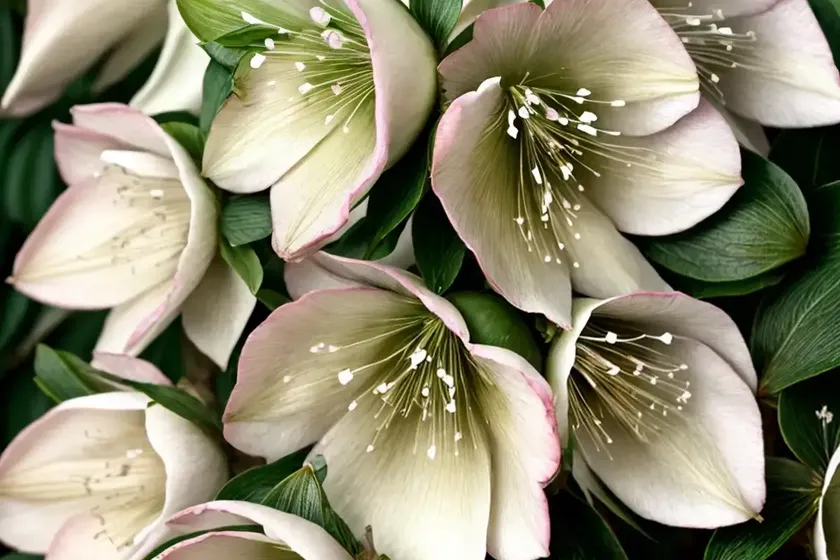
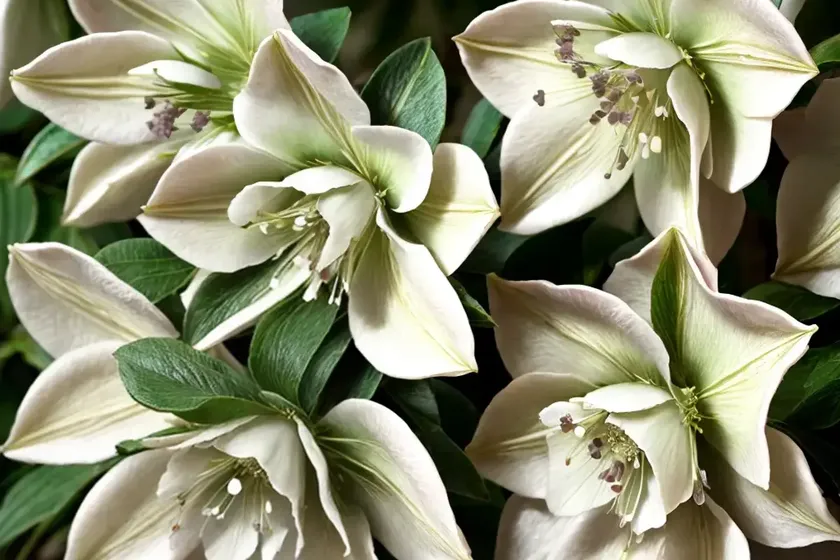
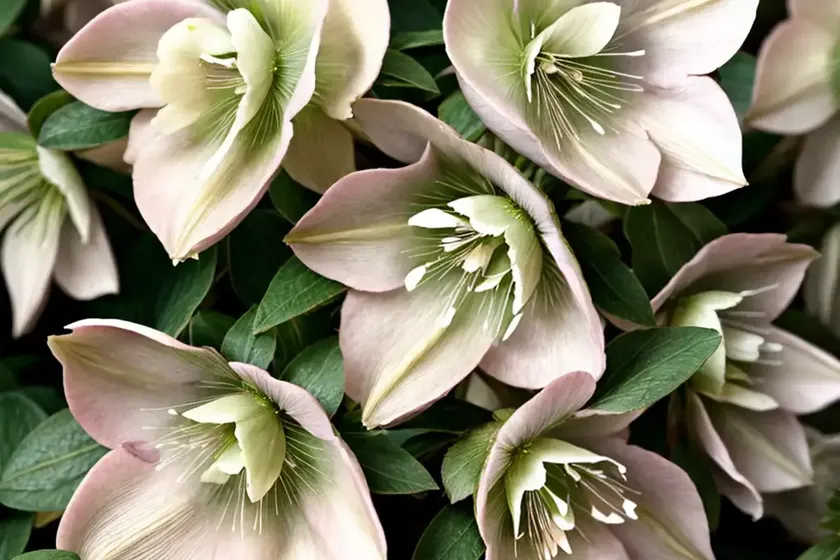
The Christmas rose, scientifically known as Helleborus niger ‘Altifolius’, is a perennial herbaceous plant that typically grows to a height of 9-12 inches (23-30 cm). This species is recognized for its distinctive evergreen foliage and elegant white or pale pink saucer-shaped flowers, which bloom from late winter to early spring.
The name “Christmas rose” is derived from the folklore that these flowers bloom during the Christmas season. However, their peak flowering period usually extends from late December to February, making them a delightful addition to winter gardens.
Key Takeaways – Christmas Rose (Helleborus niger ‘Altifolius’)
- Plant Name: Christmas Rose (Helleborus niger ‘Altifolius’)
- Common Name: Christmas rose, Black Hellebore, Winter Rose
- Family: Ranunculaceae
- Hardiness Zone: 3-8
- Bloom Time: Late winter to early spring
- Growth Habit: Low-growing, clump-forming perennial
- Foliage: Dark green, leathery, serrated leaves
- Flowers: White or pale pink, saucer-shaped
- Toxicity: All parts of the plant are toxic if ingested
Culture
Cultivating the Christmas rose requires an understanding of its specific cultural needs. By providing the right conditions, you can encourage robust growth and abundant flowering in this winter beauty.
Uses
The Christmas rose offers a range of uses in garden landscapes, from ornamental planting to cut flower arrangements. Its evergreen foliage provides year-round interest, while the winter blooms add a touch of elegance to the garden when most plants are dormant.
Water
Adequate moisture is essential for the Christmas rose, particularly during the active growing season. While the plant prefers evenly moist soil, it is crucial to avoid waterlogged conditions, as this can lead to root rot. In hot climates, regular watering is necessary to prevent the soil from drying out excessively.
Sunlight
The Christmas rose thrives in partial shade to full shade, making it an ideal choice for areas with limited direct sunlight. It is well-suited for woodland gardens or shaded borders where it can receive dappled light or gentle morning sun.
Fertilizer
A balanced, slow-release fertilizer applied in early spring can support healthy growth and flowering in the Christmas rose. Opt for a fertilizer with a formulation such as 10-10-10 or 5-10-5, and apply it according to the manufacturer’s instructions to prevent over-feeding.
Soil
Well-draining, humus-rich soil is vital for the Christmas rose. It prefers slightly acidic to neutral soil with a pH range of 6.5 to 7.0. Amending the soil with organic matter, such as compost or well-rotted leaf mulch, can improve its texture and fertility, creating an optimal growing environment for the plant.
Pruning
Pruning the Christmas rose is primarily aimed at removing faded flower stems and any damaged or yellowing foliage. This helps maintain the plant’s tidy appearance and promotes new growth. It is advisable to wear gloves when handling the plant, as its toxic compounds can cause skin irritation.
Propagation
The Christmas rose can be propagated through various methods, including division, seed sowing, and tissue culture. Each approach offers unique advantages and challenges, allowing gardeners to choose the most suitable technique based on their preferences and resources.
Division
Dividing established clumps of Christmas rose plants is an effective way to propagate them and maintain their vigor. This is typically done in early spring or early autumn, when the plant is not in active growth. By carefully separating the roots and ensuring each division has sufficient roots and shoots, you can successfully propagate new plants.
Seed Sowing
Growing the Christmas rose from seeds can be a rewarding but time-consuming process. Fresh seeds collected from ripe seedpods can be sown in a well-prepared seedling mix and kept moist until germination occurs. However, the resulting seedlings may exhibit variation in flower color and form, as the Christmas rose is known for its natural hybridization.
Tissue Culture
Tissue culture, or micropropagation, enables the mass production of genetically identical Christmas rose plants from meristematic tissues. This method is commonly used for commercial propagation to rapidly increase plant numbers and maintain genetic uniformity. It requires sterile laboratory conditions and specialized skills but offers the advantage of producing disease-free plants.
Container Popularity
The Christmas rose is well-suited for container cultivation, allowing gardeners to enjoy its beauty on patios, balconies, and other outdoor spaces. When grown in containers, the plant’s cultural requirements, including soil, water, and sunlight, should be carefully managed to ensure its health and vigor.
Common Diseases
While the Christmas rose is relatively resistant to diseases, it can be susceptible to certain issues that may impact its overall health and appearance. Familiarizing yourself with these common diseases and their management can help you proactively protect your plants.
Disease Diagnosis
Diagnosing diseases in the Christmas rose involves identifying symptoms such as leaf spotting, wilting, or yellowing. Common diseases that affect this plant include:
-
Leaf Spot: Caused by fungal pathogens, leaf spot leads to the formation of dark lesions on the foliage. It can be managed through proper sanitation and fungicidal treatments if necessary.
-
Crown Rot: Excessive soil moisture and poor drainage can result in crown rot, which manifests as the decay of the plant’s crown and roots. Prevention through well-draining soil and careful watering is crucial.
-
Powdery Mildew: A fungal disease that forms a powdery white coating on the leaves, powdery mildew can be controlled with fungicidal sprays and ensuring adequate air circulation.
Common Pests
Pest infestations can also pose challenges for the Christmas rose, although the plant is generally resistant to most pests. Keeping an eye out for signs of insect activity and promptly addressing any issues can help safeguard the plant’s well-being.
-
Aphids: These small, soft-bodied insects may cluster on the undersides of leaves, sucking sap from the plant. They can be dislodged with a strong stream of water or treated using insecticidal soap.
-
Slugs and Snails: These mollusks are known to feed on the foliage of the Christmas rose, particularly in damp conditions. Physical removal and the use of barriers or slug pellets can help protect the plants.
Botanist’s Tips
As a plant scientist, I recommend adopting the following tips to ensure successful cultivation and care of the Christmas rose:
-
Winter Protection: In regions with harsh winters, mulching around the base of the Christmas rose can provide insulation and protect the plant from freezing temperatures.
-
Gentle Division: When dividing Christmas rose clumps, handle the roots and shoots gently to minimize stress on the plants.
-
Regular Inspection: Routinely inspect the foliage and stems for signs of disease, pest activity, or any deviations from normal growth.
-
Appropriate Watering: Strike a balance between providing adequate moisture and avoiding waterlogged conditions to maintain healthy root development.
-
Companion Planting: Pair the Christmas rose with shade-loving companions such as ferns, hostas, or woodland bulbs to create visually appealing planting schemes.
Fun Facts
Delve into some intriguing facts about the Christmas rose that highlight its remarkable characteristics and cultural significance:
-
Winter Elegance: The Christmas rose’s ability to bloom amid the winter chill has made it a symbol of hope and resilience in folklore and traditions.
-
Toxicity: All parts of the Christmas rose are toxic if ingested, making it important to handle the plant with care and keep it away from children and pets.
-
Historical Medicinal Uses: Despite its toxicity, the Christmas rose has a history of medicinal use in traditional herbal remedies for conditions such as arthritis and gout (Note: Use caution and seek professional guidance before attempting any medicinal usage).
-
Early Hybrids: The Christmas rose has been hybridized extensively, leading to the development of numerous cultivars with diverse flower colors and forms.
Links to External Resources
Explore further insights and information about the Christmas rose (Helleborus niger ‘Altifolius’) from reputable sources:
- Royal Horticultural Society – Helleborus niger
- Missouri Botanical Garden – Christmas Rose
- University of Maryland Extension – Hellebores for Gardens
The Christmas rose (Helleborus niger ‘Altifolius’) captivates with its ethereal blossoms and enduring charm, making it a cherished addition to winter gardens and woodland landscapes. By understanding its unique requirements and growth habits, you can cultivate this captivating plant with confidence and appreciation for its seasonal beauty.


