Lavandula Angustifolia ‘Little Lottie’ (Lavender)
Lavandula angustifolia ‘Little Lottie,’ commonly known as Lavender, is a versatile and beloved plant cherished for its fragrant blooms, numerous uses, and.
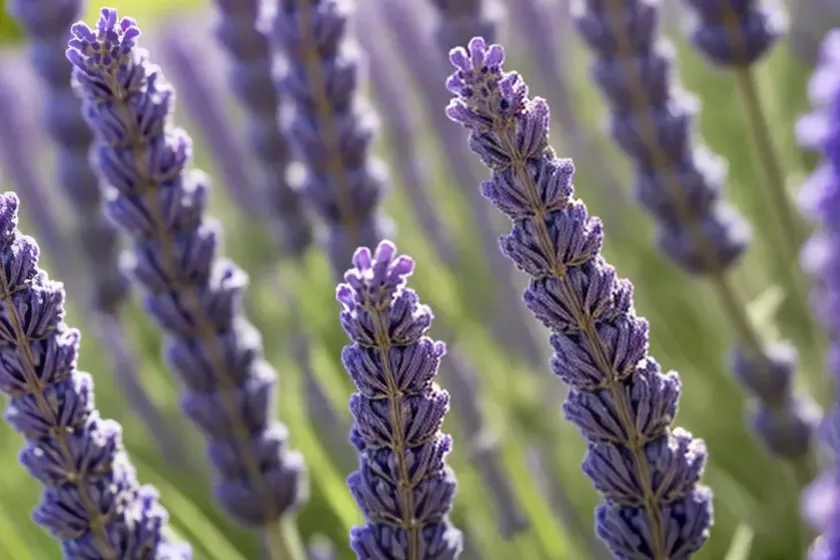
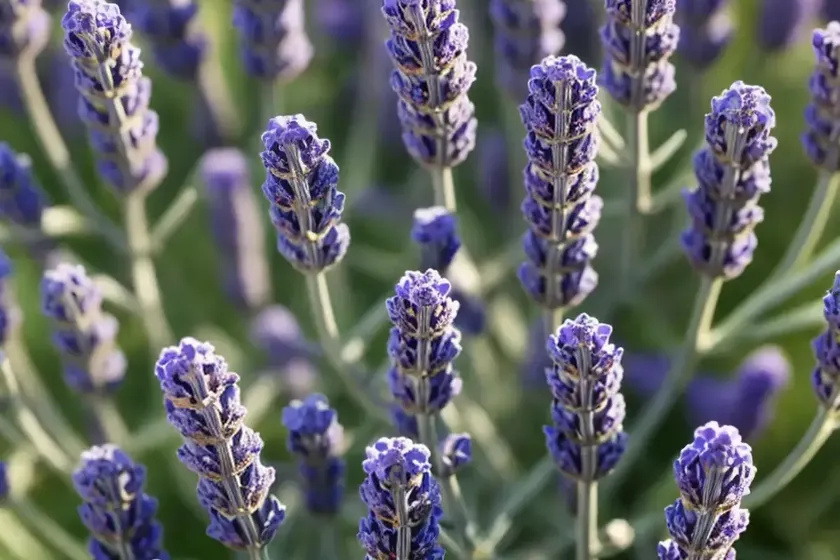
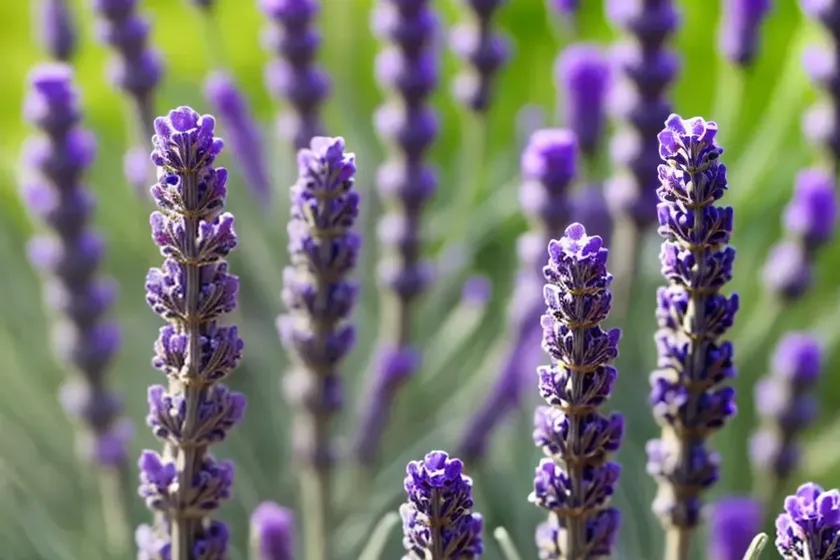
Lavandula angustifolia ‘Little Lottie,’ commonly known as Lavender, is a versatile and beloved plant cherished for its fragrant blooms, numerous uses, and relatively easy care requirements. This guide aims to provide a detailed overview of the plant, covering its cultural needs, uses, propagation, common pests and diseases, as well as botanist’s tips and fun facts.
What is Lavandula angustifolia ‘Little Lottie’?
Lavender Plant
Lavandula angustifolia, also referred to as English lavender, is a well-known species of lavender esteemed for its aromatic flowers and essential oil. ‘Little Lottie’ is a cultivar of Lavandula angustifolia and is recognized for its compact size, making it an ideal choice for small gardens and container planting. It produces an abundance of stunning, fragrant blooms, adding a delightful touch to any setting.
Key Takeaways – Lavandula angustifolia ‘Little Lottie’ (Lavender)
Before diving into the specifics of caring for Lavandula angustifolia ‘Little Lottie,’ let’s highlight some key takeaways about this beautiful plant:
- Lavandula angustifolia ‘Little Lottie’ is a dwarf lavender plant known for its compact size.
- It is a cultivar of Lavandula angustifolia, which is a species of lavender valued for its aromatic properties.
- ‘Little Lottie’ lavenders are versatile plants and can be used in various ways, including for their aesthetic appeal, essential oil production, and culinary uses.
- They thrive in well-drained soil, abundant sunlight, and require minimal maintenance, making them an excellent choice for both experienced and novice gardeners.
Culture
Cultivating Lavandula angustifolia ‘Little Lottie’ successfully involves understanding its specific cultural requirements. This includes its preferred water and sunlight conditions, soil type, fertilizer needs, as well as pruning and propagation methods.
Uses
Before delving into the cultural requirements, let’s explore the multifaceted uses of Lavandula angustifolia ‘Little Lottie.’ This plant offers a wide range of practical, aesthetic, and aromatic applications, making it a valuable addition to any garden.
Aesthetic and Aromatic Uses
- The fragrant blooms of Lavandula angustifolia ‘Little Lottie’ make it a popular choice for ornamental purposes, adding beauty and fragrance to gardens, patios, and balconies.
- The blossoms are widely utilized for making potpourri, sachets, and various home decorations, infusing spaces with their delightful scent and vibrant colors.
Culinary and Medicinal Uses
- The flowers of Lavandula angustifolia are used in culinary applications, imparting a floral and slightly sweet flavor to dishes. They are also employed in the preparation of lavender-infused beverages, baked goods, and desserts.
- Lavender essential oil, extracted from the blossoms, is well-known for its calming and soothing properties. It is often used in aromatherapy, skincare products, and homemade remedies, contributing to overall well-being.
Water
Proper watering is crucial for the well-being of Lavandula angustifolia ‘Little Lottie.’ While these plants are relatively drought-tolerant, especially once established, they still require consistent moisture, particularly during their initial growth stages.
- Initial Establishment: After planting, it’s essential to keep the soil consistently moist until the roots are well-established, typically during the first few weeks.
- Established Plants: Once established, lavenders are relatively drought-resistant and generally thrive in drier conditions. As a guideline, water them deeply but infrequently, allowing the soil to partially dry out between watering sessions to prevent root rot and other issues.
Sunlight
As with water, Lavandula angustifolia ‘Little Lottie’ has specific sunlight requirements, and meeting these requirements is essential for their growth and flowering capabilities.
- Full Sun Exposure: Lavenders thrive in full sunlight, necessitating at least 6 to 8 hours of direct sunlight daily to flourish and produce abundant blooms. Ensure they are planted in a location with ample sun exposure to support their overall health and prolific flowering.
Fertilizer
While Lavandula angustifolia ‘Little Lottie’ is not particularly demanding when it comes to fertilizer, providing some nutrients can be beneficial, especially in poor soils or container settings.
- Fertilizing Schedule: Apply a balanced, all-purpose fertilizer sparingly in the spring, just as new growth emerges. Be cautious not to over-fertilize, as lavenders are sensitive to excessive nitrogen, which can lead to excessive foliage growth at the expense of blooms.
Soil
Correct soil conditions are vital for the optimal growth and development of Lavandula angustifolia ‘Little Lottie.’ The following are crucial considerations when selecting or preparing the soil for these plants:
- Well-Drained Soil: Lavenders thrive in sandy or loamy soil that is well-drained and does not retain excessive moisture. Consequently, it’s important to avoid heavy or waterlogged soils, as they can lead to root rot and other ailments.
Pruning
Proper pruning is instrumental in ensuring the longevity and continued blooming of Lavandula angustifolia ‘Little Lottie.’ Pruning not only helps maintain the plant’s shape but also stimulates new growth and supports a healthy, compact habit.
- Regular Deadheading: Regular deadheading of spent flowers is crucial to encourage continuous blooming throughout the growing season. This involves removing faded blooms to prevent seed formation and promote the emergence of new flowers.
Propagation
For those interested in propagating Lavandula angustifolia ‘Little Lottie’ to expand their plant collection or share it with others, several methods can be employed successfully.
- Propagation Techniques: Propagation can be achieved through various methods, including seed sowing, softwood cuttings, and layering. Each technique has its specific requirements and advantages, offering plant enthusiasts options based on their resources and preferences.
Container Popularity
Lavandula angustifolia ‘Little Lottie’ is an excellent choice for container gardening due to its restrained growth habit and exquisite aesthetics. These charming plants can be a delightful addition to patios, balconies, and small outdoor spaces, providing fragrance and visual appeal in a compact package.
Container Common Diseases
Though Lavandula angustifolia ‘Little Lottie’ typically thrives in container settings, they are susceptible to certain diseases and pests that can compromise their health and appearance.
Disease Diagnosis
- Root Rot: Over-watering or poorly-drained soil can lead to root rot, causing the plant to wilt and exhibit yellowing or browning foliage.
- Powdery Mildew: In humid conditions, lavenders may develop powdery mildew, exhibited by a whitish coating on the leaves, which can hinder plant growth and vitality.
Common Pests
Lavandula angustifolia ‘Little Lottie’ may also face challenges from various pests that can affect their overall vigor and appearance.
- Aphids: These tiny, pear-shaped insects may cluster on the new growth of lavenders, sucking sap and causing distortion or discoloration of the leaves.
- Lavender Thrips: These pests feed on the flowers and foliage, leaving behind silvery scars and impairing the plant’s aesthetic appeal.
Botanist’s Tips
Based on experience and research, here are some valuable tips from botanists to ensure the success of cultivating Lavandula angustifolia ‘Little Lottie’:
- Well-Draining Soil: Always plant lavender in well-draining soil or container mix to avoid waterlogged conditions, which can be detrimental to the plant’s health.
- Moderate Watering: It’s crucial to strike a balance with watering, ensuring the soil is not excessively wet while also preventing it from completely drying out, especially during the initial establishment period.
- Regular Pruning: Regularly deadhead spent blooms and lightly prune the plant after flowering to maintain its shape, promote bushy growth, and encourage continuous blooming.
Fun Facts
- The distinct fragrance of Lavandula angustifolia ‘Little Lottie’ is a natural repellent to certain pests, making it a valuable addition to gardens seeking natural pest management solutions.
- The plant’s aromatic blossoms have been used in potpourri-making, herbal remedies, and even in beauty products like soaps and lotions for centuries due to their pleasing scent and beneficial properties.
Links to External Resources
For additional information on Lavandula angustifolia ‘Little Lottie’ and related topics, you may find the following external resources helpful:
- The Royal Horticultural Society (RHS) – A renowned authority on horticulture, providing comprehensive guidance on lavender cultivation and care.
- University Extension Websites – Cooperative Extension websites offer a trove of valuable information, including regional advice on growing lavender and managing common pests and diseases.
- Essential Oil and Aromatherapy Associations – Organizations focused on essential oils and aromatherapy can provide insights into the uses and benefits of lavender essential oil.
- Botanical Gardens and Arboretums – Visiting botanical gardens or arboretums can offer a visual feast of Lavandula angustifolia ‘Little Lottie’ varieties and inspire new ideas for their cultivation.
In conclusion, Lavandula angustifolia ‘Little Lottie’ is a captivating and versatile plant with widespread appeal due to its aesthetic charm, aromatic blooms, and numerous practical uses. By understanding its cultural requirements, potential uses, and effective maintenance practices, gardeners can experience the joy and utility that this delightful lavender cultivar offers. Whether grown in gardens or containers, this plant truly shines as a perennial favorite, adding beauty, fragrance, and functionality to diverse settings. Happy gardening!
By: [Your Name]
Date: [Date of Publication]


