Helleborus lividus (Majorcan Hellebore): A Complete Guide
Helleborus lividus, commonly known as Majorcan Hellebore, is an exquisite flowering plant that belongs to the Helleborus genus and the Ranunculaceae family. Originating from the Mediterranean region, this evergreen perennial is celebrated for its intricate blooms and remarkable adaptability. In this comprehensive guide, we will delve into the intricate world of Helleborus lividus, exploring its cultural significance, uses, growing conditions, and much more. Whether you are a seasoned gardener or a novice enthusiast, this guide will provide you with valuable insights into the captivating world of Majorcan Hellebore.
What is Helleborus lividus (Majorcan Hellebore)?
Helleborus lividus, also known as the Majorcan Hellebore, is a species of flowering plant that is native to the Mediterranean region, particularly Majorca, Menorca, and the Balearic Islands. This captivating perennial is renowned for its striking foliage and unique blossoms, making it a prized addition to gardens and landscapes worldwide.
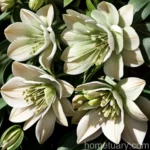
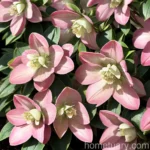
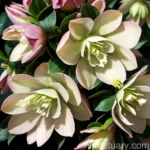
The plant features leathery, dark green leaves with prominent silver veining, which provide an exquisite backdrop for its elegant blossoms. The flowers of Helleborus lividus are an alluring shade of pink to rose-pink, and they typically bloom from late winter to early spring, adding a splash of color to the garden during the colder months.
Key Takeaways – Helleborus lividus (Majorcan Hellebore)
Before we delve into the specific aspects of cultivating and caring for Helleborus lividus, let’s take a moment to highlight the key takeaways associated with this enchanting plant. The Majorcan Hellebore is known for:
- Exquisite foliage with silver veining
- Striking pink to rose-pink blossoms
- Evergreen nature, providing year-round interest
- Adaptability to various growing conditions
- Medicinal and ornamental uses
- Rich folklore and symbolism
- Landscape and garden design potential
Now that we have a foundational understanding of the Majorcan Hellebore, let’s explore the various facets of caring for and appreciating this remarkable plant.
Culture
Helleborus lividus, as a plant with rich cultural significance, has been appreciated for its various uses and symbolism throughout history. Let’s explore the diverse cultural aspects associated with the Majorcan Hellebore.
Uses
Medicinal Uses: In traditional herbal medicine, various parts of the Helleborus genus, including Helleborus lividus, have been used for their medicinal properties. However, it’s crucial to note that Helleborus plants contain toxic compounds and should be handled with care. While they have been historically used for their purgative and emetic properties, it’s essential to consult with healthcare professionals before using them for any medicinal purposes.
Ornamental Uses: The captivating foliage and charming blossoms of Helleborus lividus make it a coveted ornamental plant in gardens and landscapes. Whether utilized as a focal point in a garden bed or as part of a mixed perennial border, the Majorcan Hellebore adds elegance and visual interest to any setting.
Folklore and Symbolism
Throughout history, Helleborus species, including Helleborus lividus, have been steeped in folklore and symbolism. While the specifics may vary across cultures, these plants are often associated with themes of protection, healing, and warding off evil spirits. The enchanting blossoms and robust nature of the Majorcan Hellebore have contributed to its enduring symbolism in various traditions.
Water
Proper watering is essential for the health and vigor of Helleborus lividus. As with many plants, finding the right balance is key, ensuring that the soil remains consistently moist but not waterlogged. These are some key considerations for watering the Majorcan Hellebore:
- Moisture Retention: The soil should have excellent moisture retention properties to ensure that the plant receives adequate hydration, especially during dry periods. Organic matter, such as well-decomposed compost, can enhance the water-holding capacity of the soil.
- Avoid Waterlogging: While it is important to maintain soil moisture, it’s equally crucial to prevent waterlogging, as overly wet conditions can lead to root rot and other detrimental effects.
- Mulching: Applying a layer of organic mulch around the base of the plant can help conserve soil moisture and reduce the frequency of watering while also offering additional benefits such as weed suppression and soil insulation.
Sunlight
As an evergreen perennial, Helleborus lividus thrives in partial shade to full shade, making it an ideal choice for areas in the garden that receive dappled sunlight or limited direct light. When considering the sunlight requirements for the Majorcan Hellebore, keep the following points in mind:
- Partial Shade: Partially shaded locations, where the plant receives filtered sunlight for a portion of the day, are typically well-suited for Helleborus lividus. This can include areas beneath deciduous trees, along the north-facing side of buildings, or under lattices or pergolas.
- Protection From Harsh Sun: While Helleborus lividus appreciates some sunlight, especially during the cooler parts of the day, it is important to shield the plant from intense midday sun, particularly in regions with hot summers. Excessive sun exposure can lead to leaf scorch and stress the plant.
Fertilizer
Proper nutrition is essential for the healthy growth and development of Helleborus lividus. While this plant generally thrives in soil that is rich in organic matter, providing a balanced fertilizer can further support its vigor. Here are some key considerations when fertilizing the Majorcan Hellebore:
- Organic Matter: Incorporating well-rotted organic matter into the soil at the time of planting can lay a foundation of fertility for the plant. This can include compost, aged manure, or other organic soil amendments.
- Balanced Fertilizer: During the growing season, applying a balanced, slow-release fertilizer can provide the plant with essential nutrients without promoting excessively fast growth. Look for a fertilizer with balanced NPK (Nitrogen, Phosphorus, Potassium) ratios to support overall plant health.
- Avoid Excessive Nitrogen: While nitrogen is important for leafy growth, excessive nitrogen can lead to an abundance of foliage at the expense of flowers. For Helleborus lividus, it is advisable to prioritize a balanced fertilizer rather than one that is overly high in nitrogen.
Soil
The soil in which Helleborus lividus is planted plays a pivotal role in its overall health and performance. This plant thrives in well-draining, organically rich soil, and ensuring that these conditions are met can greatly contribute to its success. Consider the following when preparing the soil for Majorcan Hellebore:
- Well-Draining Soil: Helleborus lividus is susceptible to root rot and other issues in waterlogged soil. Therefore, it is crucial to plant it in soil that is well-draining, allowing excess moisture to move away from the root zone.
- Organic Matter: Incorporating organic matter into the soil can enhance its structure, fertility, and water-holding capacity. Compost, aged manure, or leaf mold are valuable additions that can benefit the overall health of the plant.
- Soil pH: While Helleborus lividus is adaptable to a range of soil pH levels, it generally thrives in slightly acidic to neutral soil. A pH level in the range of 6.0 to 7.0 is considered optimal for the Majorcan Hellebore.
Pruning
Pruning is an essential aspect of maintaining the health, aesthetics, and longevity of Helleborus lividus. By incorporating regular pruning into your horticultural practices, you can promote vigorous growth, remove unsightly or damaged foliage, and encourage abundant flowering. Here are some considerations for pruning the Majorcan Hellebore:
- Deadheading: Removing spent flowers can prevent the plant from expending energy on seed production and encourage it to focus on additional blooms. Deadheading also enhances the overall appearance of the Helleborus lividus plant.
- Leaf Clean-Up: Additionally, periodic removal of old or damaged leaves can improve air circulation around the plant and reduce the risk of disease. This can be particularly beneficial in regions prone to high humidity or excessive rainfall.
Propagation
Helleborus lividus can be propagated through various methods, allowing you to expand your collection of these captivating plants or share them with fellow enthusiasts. From seeds to division, here are the primary methods of propagating Majorcan Hellebore:
- Seeds: Propagation from seeds allows for the generation of new genetic variations and is often utilized by breeders seeking to develop novel cultivars. When collecting seeds from Helleborus lividus, it’s important to ensure that they are fully ripe and to sow them in a suitable growing medium.
- Division: Dividing established clumps of Helleborus lividus can be an effective means of propagation. This method is especially valuable if your plants have become overcrowded and would benefit from being divided into smaller, more manageable clusters.
Container Popularity
Helleborus lividus’s adaptability and compact growth habit make it an excellent candidate for container gardening. Whether you are looking to adorn a patio, deck, or balcony with its captivating presence, or if you simply want to showcase the plant in a more controlled environment, the Majorcan Hellebore can thrive in containers. Consider the following factors for successful container cultivation:
- Container Size: Select a container that offers ample space for the root system to develop, while also providing good drainage. A container that is slightly larger than the current root ball will accommodate the plant’s growth without overwhelming it.
- Drainage: Proper drainage is crucial for the health of Helleborus lividus, especially when grown in containers. Ensure that the container has drainage holes and consider using a well-draining potting mix to promote healthy root development.
Common Diseases
Like many plants, Helleborus lividus can be susceptible to certain diseases, and understanding these potential ailments is key to maintaining the plant’s health. By being aware of common diseases and their associated symptoms, you can take proactive measures to protect your Majorcan Hellebore. Some common diseases that may affect Helleborus lividus include:
- Botrytis Blight: This fungal disease, caused by Botrytis cinerea, can lead to the development of gray mold on the plant’s foliage and flowers. Botrytis blight is often linked to prolonged periods of high humidity and can be exacerbated by overcrowded growing conditions.
- Crown Rot: Excessive moisture or waterlogged soil can contribute to the development of crown rot in Helleborus lividus. This condition can lead to the deterioration of the plant’s crown and root system, resulting in wilting and overall decline.
Disease Diagnosis
When monitoring the health of Helleborus lividus, being able to identify potential diseases and disorders is essential. Through careful observation and timely intervention, you can mitigate the impact of diseases and protect the vigor of your Majorcan Hellebore. Here are some diagnostic considerations:
- Symptom Recognition: Familiarize yourself with the symptoms associated with common diseases that affect Helleborus lividus, such as unusual spots on leaves, wilting, discoloration, or unusual growth patterns.
- Environmental Analysis: Consider environmental factors that may contribute to disease development, such as excessive moisture, poor air circulation, or inadequate light. Addressing these factors can help prevent the onset of diseases.
Common Pests
While Helleborus lividus is relatively resistant to many pests, certain insects may pose a threat to its well-being. Understanding the common pests that can affect the Majorcan Hellebore is crucial in implementing targeted pest control measures. Some pests that may impact Helleborus lividus include:
- Aphids: These small, sap-sucking insects can congregate on the undersides of leaves and cause damage by feeding on the plant’s vital juices. Aphids can be controlled through physical removal, natural predators, or the application of organic insecticidal soap.
- Spider Mites: These tiny arachnids can cause stippling and discoloration on the foliage of Helleborus lividus. Regularly inspecting the plant and taking measures to boost humidity and minimize dust can help prevent spider mite infestations.
Botanist’s Tips
To further enrich your understanding and appreciation of Helleborus lividus, it is beneficial to consider insights from the perspective of botanists and horticultural experts. Here are some valuable tips from botanists to enhance your experience with the Majorcan Hellebore:
- Observation and Documentation: Keeping a detailed record of the growth, flowering patterns, and overall performance of Helleborus lividus can provide valuable insights into its preferences and behavior. Note any significant observations, such as changes in foliage color, flowering times, or response to specific cultural practices.
- Soil Amendments: In regions with challenging soil conditions, consider incorporating a mix of organic amendments to enrich the soil and enhance its structure. This can promote optimal root development and support the overall well-being of Helleborus lividus.
Fun Facts
Delving into the world of Helleborus lividus reveals a wealth of fascinating and noteworthy elements. To further your appreciation for this distinctive plant, consider the following fun facts about the Majorcan Hellebore:
- Symbolism: Helleborus lividus has been associated with diverse symbolism, often representing themes of protection, tranquility, and new beginnings. It has historically been used in rituals and traditions to invoke positive energy and ward off negativity.
- Wild Variations: In its native habitat, Helleborus lividus exhibits a stunning range of variations, demonstrating the plant’s adaptability and capacity for natural selection. This diversity has contributed to the development of unique cultivars favored by gardeners and collectors around the world.
Links to External Resources
As you continue to explore the captivating world of Helleborus lividus, consider consulting the following external resources for additional insights, guidance, and inspiration:
- Royal Horticultural Society: Hellebores
- American Conifer Society: Container Gardening with Perennials
- The American Phytopathological Society: Plant Disease Management
In conclusion, the ornamental and horticultural value of Helleborus lividus, or Majorcan Hellebore, is undeniable. From its enchanting blooms and distinctive foliage to its rich cultural significance and adaptability, this perennial has captivated plant enthusiasts and horticulturists for generations. By understanding the unique characteristics, growing requirements, and care considerations associated with Helleborus lividus, you can cultivate and appreciate this remarkable plant to its fullest potential.
The allure of the Majorcan Hellebore extends beyond its external beauty, encompassing elements of tradition, folklore, and botanical significance. Whether grown in gardens, containers, or naturalistic settings, Helleborus lividus continues to enthrall and inspire individuals who seek to connect with the natural world in meaningful and extraordinary ways.
Incorporating Helleborus lividus into your horticultural pursuits can offer a window into the wondrous diversity of plant life, enriching your gardening experiences and fostering a deeper appreciation for the captivating tapestry of nature.
As you embark on your journey with Helleborus lividus, may its stunning blooms, enduring symbolism, and botanical marvel ignite your passion for ornamental plants and enrich your understanding of the intricate world of horticulture.
Plant Name: Helleborus lividus (Majorcan Hellebore)
.keywords: “Majorcan Hellebore plant, Helleborus lividus care, Helleborus lividus varieties, Majorcan Hellebore growing tips, Helleborus lividus characteristics, Majorcan Hellebore taxonomy, Helleborus lividus habitat, Majorcan Hellebore propagation, Helleborus lividus medicinal uses, Majorcan Hellebore folklore, Helleborus lividus gardening, Majorcan Hellebore landscape, Helleborus lividus pests and diseases, Majorcan Hellebore flowering period, Helleborus lividus climate requirements, Majorcan Hellebore container gardening, Helleborus lividus unique features, Majorcan Hellebore symbolism, Helleborus lividus native habitat, Majorcan Hellebore folklore beliefs, Helleborus lividus ornamental value, Majorcan Hellebore shade gardening, Helleborus lividus soil requirements, Majorcan Hellebore companion plants, Helleborus lividus pollination, Majorcan Hellebore seasonal care, Helleborus lividus poisonous properties, Majorcan Hellebore garden design, Helleborus lividus winter care, Majorcan Hellebore natural habitat, Helleborus lividus landscape design, Majorcan Hellebore flowering tips, Helleborus lividus herbal remedies, Majorcan Hellebore water requirements, Helleborus lividus pruning techniques, Majorcan Hellebore wild varieties, Helleborus lividus stunning blooms, Majorcan Hellebore soil pH levels, Helleborus lividus wildlife attraction, Majorcan Hellebore decorative uses, Helleborus lividus sun exposure, Majorcan Hellebore drought tolerance, Helleborus lividus planting guide, Majorcan Hellebore pest control, Helleborus lividus indoor cultivation, Majorcan Hellebore garden arrangement, Helleborus lividus foliage variations, Majorcan Hellebore climate suitability, Helleborus lividus organic gardening, Majorcan Hellebore unique color variations”