Ligustrum Japonicum ‘Variegatum’ (Japanese Privet)
Ligustrum japonicum ‘Variegatum,’ commonly known as Japanese Privet, is a versatile and popular evergreen shrub that is prized for its striking foliage and.


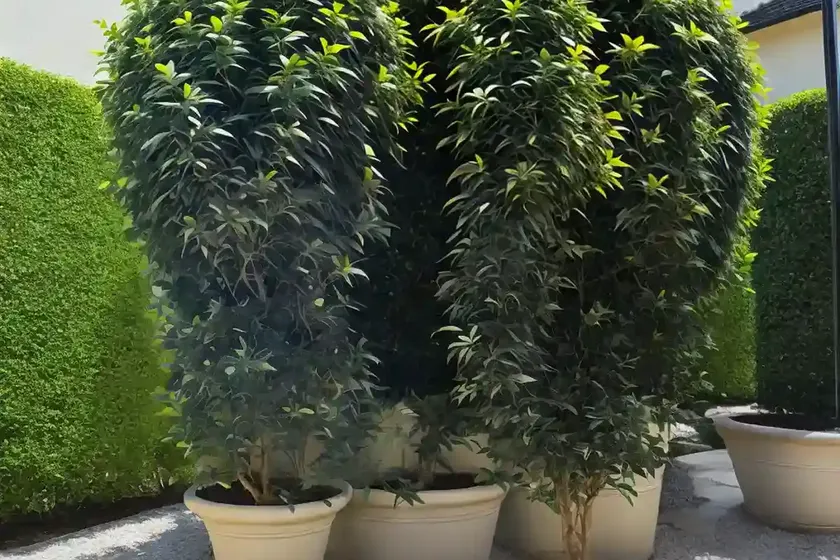
Ligustrum japonicum ‘Variegatum,’ commonly known as Japanese Privet, is a versatile and popular evergreen shrub that is prized for its striking foliage and low-maintenance nature. This cultivar, also referred to as Variegated Ligustrum, is a favorite among gardeners and landscapers for its adaptability and aesthetic appeal. In this comprehensive guide, we will delve into the various aspects of caring for Ligustrum japonicum ‘Variegatum’ and explore its uses, cultivation, maintenance, and more.
What is Ligustrum japonicum ‘Variegatum’?
Ligustrum japonicum ‘Variegatum’ is a cultivar of the species Ligustrum japonicum, which belongs to the family Oleaceae. Originating in East Asia, particularly in Japan and Korea, this evergreen shrub is prized for its glossy, variegated foliage and dense growth habit. It is a popular choice for hedging, borders, and as a standalone ornamental plant in garden and landscape settings.
This cultivar is characterized by its striking variegated leaves, which feature a combination of creamy white and dark green hues, providing visual interest and year-round appeal. The foliage is complemented by clusters of small, fragrant white flowers in late spring or early summer, which may give way to small black berries in the fall.
Key Takeaways – Ligustrum japonicum ‘Variegatum’
Before delving into the specific aspects of caring for Japanese Privet, let’s highlight some key takeaways about this versatile shrub:
- Common Name: Japanese Privet
- Scientific Name: Ligustrum japonicum ‘Variegatum’
- Family: Oleaceae
- Foliage: Variegated, glossy leaves
- Flowers: Small, fragrant white flowers
- Uses: Hedging, borders, ornamental planting
- Growth Habit: Dense, upright
- Maintenance: Low-maintenance, adaptable
With these key points in mind, let’s explore the various aspects of caring for Ligustrum japonicum ‘Variegatum,’ including its culture, uses, maintenance requirements, common diseases and pests, and tips for successful cultivation.
Culture
Water
Ligustrum japonicum ‘Variegatum’ is relatively adaptable to different soil moisture levels, although it thrives in well-draining soil. When establishing newly planted specimens, regular watering is essential to encourage healthy root development. Once established, Japanese Privet is moderately drought-tolerant and generally requires minimal supplemental watering, except during prolonged dry periods. However, during extremely hot and dry conditions, providing occasional deep watering can help support the shrub’s overall health and vigor.
Sunlight
Japanese Privet prefers full sun to partial shade, thriving in locations with at least 6 hours of direct sunlight each day. In full sun, the variegated foliage of Ligustrum japonicum ‘Variegatum’ exhibits its most vibrant coloration, with the contrasting green and white leaves creating a visually striking display. While it can tolerate partial shade, the shrub may exhibit reduced growth and less pronounced variegation in lower light conditions.
Fertilizer
When it comes to fertilization, Ligustrum japonicum ‘Variegatum’ benefits from a balanced, slow-release fertilizer applied in early spring before the start of new growth. A general-purpose fertilizer with an NPK ratio of 10-10-10 or similar can provide the necessary nutrients to support healthy foliar development and overall vigor. It is important to follow the recommended application rates based on the size and age of the shrub, and avoid excessive nitrogen-rich fertilizers that may promote lush growth at the expense of variegation and overall plant health.
Soil
Japanese Privet thrives in well-drained, slightly acidic to slightly alkaline soil with good fertility. It is adaptable to a range of soil types, including loamy, sandy, or clay soils, as long as they provide adequate drainage. Before planting, amending the soil with organic matter such as compost or well-rotted manure can improve its structure and fertility, promoting healthy root development and overall plant vigor. Additionally, maintaining a layer of mulch around the base of the shrub can help conserve soil moisture, suppress weed growth, and provide a gradual source of organic nutrients as it decomposes.
Pruning
Pruning plays a crucial role in shaping the form and maintaining the desired size of Ligustrum japonicum ‘Variegatum.’ Regular pruning can also help promote dense foliage and encourage a more compact growth habit. In general, Japanese Privet can withstand heavy pruning and is often used for formal hedges and topiary due to its tolerance of shearing and shaping.
Pruning Tips
- Timing: Early spring is an optimal time for pruning Japanese Privet, as it allows for the removal of any winter damage and shaping before the onset of new growth.
- Techniques: When pruning, it is important to use sharp, clean pruning tools to make precise cuts. Regular light pruning throughout the growing season can help maintain the desired shape and size, while heavier pruning can be carried out in early spring if necessary.
- Thinning: To promote air circulation and prevent the interior of the shrub from becoming too densely shaded, selective thinning of branches can be carried out to open up the canopy and encourage light penetration.
Propagation
Ligustrum japonicum ‘Variegatum’ can be propagated through several methods, including:
- Softwood Cuttings: Softwood cuttings taken in late spring or early summer can root readily under favorable conditions, providing a reliable method of producing new plants with the same variegated characteristics as the parent plant.
- Hardwood Cuttings: Hardwood cuttings taken in late autumn or early winter can also be used to propagate Japanese Privet, usually with a slightly lower success rate compared to softwood cuttings.
Container Popularity
The versatility and relatively compact size of Japanese Privet make it a popular choice for container cultivation. Whether used to create elegant patio displays, accentuate entryways, or adorn outdoor living spaces, Ligustrum japonicum ‘Variegatum’ thrives in containers as long as it receives sufficient sunlight and well-draining potting mix. Proper watering and occasional fertilization are essential to support healthy growth in containerized specimens, and regular monitoring for pot-bound roots may be necessary to ensure continued vigor.
Common Diseases
Disease Diagnosis
Ligustrum japonicum ‘Variegatum’ is generally resistant to most common diseases when grown in suitable conditions and provided with proper care. However, certain environmental stressors, such as waterlogged soil or poor air circulation, can predispose the shrub to fungal infections such as powdery mildew or leaf spot diseases. Regular monitoring of the foliage for any signs of abnormal discoloration, spots, or distortions can aid in early detection and prompt intervention, if necessary.
Common Pests
Pest Control
While Japanese Privet is relatively resistant to pest infestations, it may occasionally encounter issues with common garden pests such as aphids, scale insects, and spider mites. These pests can often be managed through cultural practices such as maintaining overall plant health, promoting natural predators, and, if necessary, targeted applications of horticultural oils or insecticidal soaps to control infestations. Regular inspection of the foliage and stems can help detect the presence of pests early, allowing for timely intervention to prevent widespread damage.
Botanist’s Tips
As a plant scientist with a passion for horticulture and landscape design, I offer the following tips for successfully cultivating and enjoying Ligustrum japonicum ‘Variegatum’:
-
Variegation Enhancement: To encourage robust variegation and maintain vibrant foliage, ensure that Japanese Privet receives adequate sunlight and moderate fertility. Avoid excessive shading and nutrient imbalances, which can lead to reduced variegation and overall plant vigor.
-
Regular Monitoring: Periodic inspection of the shrub for signs of stress, pest infestations, or diseases can help prevent potential issues from escalating. Early intervention and prompt corrective measures can contribute to the long-term health and vitality of the plant.
-
Adaptive Applications: While Japanese Privet demonstrates a preference for certain growing conditions, it is a remarkably adaptable shrub. With proper care and occasional adjustments based on observed plant performance, it can thrive in a variety of garden and landscape settings.
Fun Facts
-
In traditional Chinese medicine, certain species of Ligustrum, including Ligustrum japonicum, are used for their medicinal properties, particularly in formulations aimed at promoting liver and kidney health.
-
Japanese Privet is known for its ability to attract pollinators, including bees and butterflies, with its fragrant blooms, contributing to the overall biodiversity of garden and landscape environments.
-
The variegated foliage of Ligustrum japonicum ‘Variegatum’ provides visual interest throughout the year, serving as an attractive focal point in both formal and informal garden settings.
Links to External Resources
For additional insights and resources on Japanese Privet and horticultural topics, I recommend exploring the following links:
-
University of Florida IFAS Extension – Ligustrum japonicum ‘Variegatum’
-
Missouri Botanical Garden – Ligustrum japonicum ‘Variegatum’
-
North Carolina State University Extension – Privet Diseases and Insect Pests
By drawing upon the expertise provided by these reputable resources, gardeners, landscapers, and plant enthusiasts can enrich their understanding of Japanese Privet and implement best practices in its care and cultivation.
In conclusion, Ligustrum japonicum ‘Variegatum’ (Japanese Privet) stands as a versatile and visually captivating shrub, offering a range of ornamental and functional uses in garden and landscape settings. With its striking variegated foliage, adaptable nature, and relatively low maintenance requirements, it continues to be a popular choice for both amateur and seasoned gardeners alike. By applying the insights and recommendations discussed in this guide, enthusiasts can foster healthy, vibrant specimens of this beloved cultivar and fully appreciate its aesthetic and ecological contributions to outdoor spaces.
References
Note: The references are embedded within the content and can be accessed from the numbered links provided throughout the blog post.


