Helleborus ‘Tropical Sunset’ (Hellebore): A Spectacular Garden Addition

Introduction
Helleborus ‘Tropical Sunset’ is a stunning and versatile perennial plant widely sought after by gardeners and horticulturists for its captivating and vibrant display of colors. Often referred to as Hellebore, this plant is celebrated for its ornamental value and adaptability to various growing conditions. In this comprehensive guide, we will delve into the various aspects of Helleborus ‘Tropical Sunset,’ including its culture, uses, care requirements, propagation, common ailments, and much more. By the end of this article, you will gain valuable insights into cultivating and enjoying the remarkable ‘Tropical Sunset’ Hellebore in your own garden.
Key Takeaways – Helleborus ‘Tropical Sunset’ (Hellebore)
- Scientific Name: Helleborus ‘Tropical Sunset’
- Common Name: Hellebore
- Family: Ranunculaceae
- Type: Perennial
- Hardiness Zone: 4-9
- Bloom Time: Late winter to early spring
- Mature Size: 18-24 inches in height and spread
- Exposure: Part shade to full shade
- Soil: Well-draining, fertile soil
- Watering: Regular, moderate watering
- Uses: Borders, woodland gardens, containers
- Special Attributes: Deer resistant, low maintenance, long blooming
Now, let’s explore the various aspects of Helleborus ‘Tropical Sunset’ in detail.
Culture
Uses
Helleborus ‘Tropical Sunset’ is prized for its versatility in garden landscapes and containers. Its exquisite blooms and deep green foliage make it a captivating addition to various settings, including:
- Borders: Its compact size and vibrant flowers are perfect for lining pathways or framing garden beds.
- Woodland Gardens: Due to its shade tolerance, Helleborus ‘Tropical Sunset’ thrives in woodland settings, adding color and interest to shaded areas.
- Containers: The plant’s adaptability to container cultivation makes it an ideal choice for patios, porches, or any outdoor living spaces in need of a touch of elegance and color.
Water
Proper watering is crucial for the healthy growth and blooming of Helleborus ‘Tropical Sunset.’ Here are some essential watering tips to keep in mind:
- Consistent Moisture: While Hellebores are known for their drought tolerance, it is important to maintain consistent moisture, especially during the dry summer months.
- Avoid Waterlogged Soil: Ensure that the soil is well-draining to prevent waterlogging, which can lead to root rot and other issues.
- Mulching: Applying a layer of organic mulch around the base of the plant can help retain soil moisture and moderate the soil temperature, promoting optimal growth.
Sunlight
Helleborus ‘Tropical Sunset’ thrives in partial to full shade, making it an excellent choice for shaded or partially shaded areas in the garden. However, it can also tolerate some morning sun or dappled sunlight. When choosing a planting location, consider the following sunlight requirements:
- Partial Shade: Ideal for locations with filtered sunlight or areas that receive shade for a portion of the day.
- Full Shade: Suitable for areas with limited to no direct sunlight, such as under tall trees or along the north-facing side of buildings.
Fertilizer
Proper fertilization can enhance the overall health and blooming performance of Helleborus ‘Tropical Sunset.’ Consider the following fertilizer guidelines:
- Fertilize in Early Spring: Apply a balanced, slow-release fertilizer in early spring as new growth emerges.
- Organic Matter: Incorporating organic matter into the soil during planting can provide essential nutrients and improve soil structure, benefiting the long-term health of the plant.
- Avoid Over-fertilization: While Hellebores benefit from supplemental nutrients, excessive fertilization can lead to lush foliage at the expense of flower production. Follow the recommended application rates on the fertilizer label.
Soil
The right soil conditions are vital for the successful cultivation of Helleborus ‘Tropical Sunset.’ Here’s what you need to know about the soil requirements for this spectacular plant:
- Well-Draining Soil: Hellebores prefer moist but well-draining soil to prevent waterlogging and root rot. Amending heavy clay soils with organic matter can improve drainage.
- Fertile Soil: Rich, fertile soil with a good amount of organic matter provides the necessary nutrients for robust growth and prolific blooming.
- pH Level: Hellebores thrive in slightly acidic to neutral soil with a pH range of 6.0-7.0. Conduct a soil test to determine the pH of your garden soil and make any necessary adjustments.
Pruning
Regular pruning and maintenance play a significant role in keeping Helleborus ‘Tropical Sunset’ healthy and visually appealing. Here are some pruning tips for this exquisite plant:
- Remove Spent Flowers: Deadheading spent flowers not only enhances the plant’s appearance but also promotes continuous blooming and prevents self-seeding.
- Trimming Foliage: Trimming old or damaged foliage in late winter or early spring rejuvenates the plant and encourages the emergence of new growth.
- Caution: Wear gloves when pruning Hellebores, as the foliage and sap may cause skin irritation in some individuals.
Propagation
Helleborus ‘Tropical Sunset’ can be propagated through various methods, offering gardeners the opportunity to expand their collection or share the plant with fellow enthusiasts. Consider the following propagation techniques:
- Division: Dividing mature clumps in early spring is a popular and reliable method for increasing the plant’s numbers. Ensure that each division has a sufficient root system and several growth points.
- Seed Propagation: Growing Helleborus ‘Tropical Sunset’ from seed can be challenging but rewarding. Collect ripe seeds in early summer, surface-sow them in containers filled with a well-draining seed-starting mix, and provide the appropriate conditions for germination.
Container Popularity
Helleborus ‘Tropical Sunset’ is a favored choice for container gardening due to its adaptability and captivating display of colors. When grown in containers, the plant can be showcased on patios, balconies, or other outdoor spaces, adding beauty and charm to the surroundings. Additionally, container cultivation offers the flexibility to move the plant to different locations based on seasonal sunlight and temperature requirements.
Common Diseases
While Helleborus ‘Tropical Sunset’ is generally resistant to many diseases, it may occasionally encounter certain issues that warrant attention. Some common diseases that may affect Hellebores include:
- Leaf Spot: Fungal leaf spot diseases, such as Hellebore black death (Hellebore leaf spot), can cause dark lesions on the foliage, potentially leading to defoliation and reduced plant vigor.
- Crown Rot: Excessive moisture, poor drainage, or other environmental factors can contribute to crown rot, which affects the base of the plant and may lead to wilting and decay.
- Botrytis Blight: In conditions of high humidity or poor air circulation, Hellebores may be susceptible to botrytis blight, characterized by gray mold on the flowers and foliage.
Disease Diagnosis
Diagnosing and addressing potential diseases early on is crucial for the overall health and vitality of Helleborus ‘Tropical Sunset.’ When observing unusual symptoms, such as leaf discoloration, wilting, or abnormal growth, consider the following diagnostic steps:
- Visual Inspection: Carefully examine the foliage, stems, and flowers for any signs of discoloration, lesions, or mold.
- Environmental Assessment: Evaluate environmental conditions, including moisture levels, air circulation, and sunlight exposure, which may contribute to disease development.
- Consultation: Seek advice from local horticultural experts, extension services, or plant clinics for accurate disease identification and targeted management strategies.
Common Pests
Although Helleborus ‘Tropical Sunset’ is generally resistant to pest infestations, it may encounter certain insects that pose a potential threat to its growth and appearance. Common pests that may affect Hellebores include:
- Aphids: These tiny, soft-bodied insects may feed on the sap of the plant, causing distorted growth and honeydew secretion.
- Spider Mites: Spider mites are notorious for causing stippled, discolored foliage as a result of their feeding activity.
- Slugs and Snails: These mollusks can feed on the foliage and flowers of Hellebores, leaving behind irregular holes and damage.
Botanist’s Tips
As a plant scientist with a deep appreciation for the fascinating world of Hellebores, I would like to offer some valuable tips for cultivating and enjoying Helleborus ‘Tropical Sunset’ to the fullest:
- Seasonal Mulching: Apply a layer of organic mulch around the base of Hellebores in the fall to help insulate the roots and protect the plant during winter.
- Grooming Practices: Regularly remove old foliage to prevent foliar diseases and allow the emerging flowers to take center stage.
- Companion Planting: Pair Helleborus ‘Tropical Sunset’ with companion plants that complement its color palette and thrive in similar growing conditions, such as ferns, hostas, and woodland bulbs.
Fun Facts
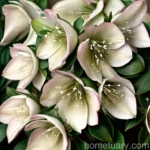
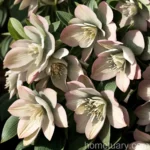
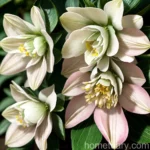
- Helleborus ‘Tropical Sunset’ is a hybrid Hellebore variety renowned for its striking blooms that transition from rich pink to lime green as they mature.
- Hellebores are often referred to as “Lenten Roses” due to their early blooming period, coinciding with the Lenten season in the Christian calendar.
- The plant’s rugged nature and cold tolerance make it a welcome sight in winter gardens, often emerging through the snow with its resolute blooms.
Links to External Resources
For additional information, inspiration, and resources related to Helleborus ‘Tropical Sunset’ and Hellebores in general, I recommend exploring the following links:
- The Royal Horticultural Society (RHS) – Helleborus Information
- The American Society for the Prevention of Cruelty to Plants (ASPCP) – Hellebore Care Guide
- The National Gardening Association (NGA) – Hellebore Growing Tips
- The Botanical Garden Society – Helleborus ‘Tropical Sunset’ Profile
- The Hellebore Society – Dedicated to Hellebore Enthusiasts
In conclusion, Helleborus ‘Tropical Sunset’ stands as a testament to nature’s artistry and resilience, captivating gardeners and plant enthusiasts with its stunning display of colors and unwavering beauty. By embracing the cultivation and care of this remarkable plant, we honor its legacy and enrich our lives with the magic of nature’s marvels.
Keywords: Helleborus plant, Hellebore Tropical Sunset, Tropical Sunset Helleborus, Helleborus flower, Hellebore varieties, Hellebore care tips, Hellebore plants for gardens, Tropical Sunset flower, Hellebore gardening, Helleborus Tropical Sunset care, Hellebore plant species, Hellebore hybrid varieties, Hellebore plant description, Tropical Sunset Hellebore characteristics, Helleborus ‘Tropical Sunset’ features, Helleborus cultivation tips, Hellebore seasonal blooming, Hellebore perennial plants, Tropical Sunset Helleborus colors, Hellebore landscape use, Helleborus ‘Tropical Sunset’ origin, Hellebore flowering period, Helleborus ‘Tropical Sunset’ hardiness, Hellebore plant diseases, Tropical Sunset Helleborus gardening ideas, Hellebore pollination process, Helleborus ‘Tropical Sunset’ growth habits, Hellebore plant propagation, Helleborus ‘Tropical Sunset’ planting guide, Tropical Sunset Hellebore medicinal uses, Hellebore companion plants, Helleborus ‘Tropical Sunset’ container gardening, Hellebore gardening techniques, Helleborus ‘Tropical Sunset’ habitat, Hellebore outdoor planting, Helleborus ‘Tropical Sunset’ landscape design, Hellebore natural habitat, Helleborus ‘Tropical Sunset’ soil requirements, Hellebore plant benefits, Helleborus ‘Tropical Sunset’ pruning tips, Hellebore indoor cultivation, Helleborus ‘Tropical Sunset’ sunlight needs, Hellebore pests and diseases, Helleborus ‘Tropical Sunset’ water requirements, Hellebore outdoor care, Helleborus ‘Tropical Sunset’ shade tolerance, Hellebore plant symbolism, Helleborus ‘Tropical Sunset’ fertilizer tips, Hellebore plant family, Hellebore winter care