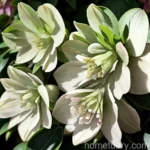
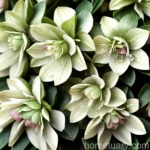
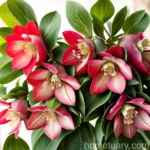
Hellebore (Helleborus x hybridus (Ballard’s Group))
Hellebores, also known as Lenten roses, are a magnificent addition to any garden. Their elegant, nodding flowers bring color and life to the winter and spring garden, and their easy cultivation makes them a favorite among gardeners. The Helleborus x hybridus (Ballard’s Group) is a particularly striking variety, offering a wide range of colors and forms.
What is Hellebore (Helleborus x hybridus (Ballard’s Group))?
The Helleborus x hybridus (Ballard’s Group) is a botanical marvel that belongs to the Ranunculaceae family. It is a hybrid of various Helleborus species, resulting in a lovely variety of perennial blooms. The plant is often referred to as the “Winter Rose” due to its ability to bloom during the winter months. It is also known for its evergreen foliage, making it an attractive addition to the garden year-round.
Key Takeaways – Hellebore (Helleborus x hybridus (Ballard’s Group))
Here are the key takeaways about the Helleborus x hybridus (Ballard’s Group):
- Ballard’s hellebores are also known as Helleborus hybridus (Ballard’s Group) and offer a wide range of colorful and unique hybrid varieties.
- Helleborus x hybridus Ballard’s Group is known for its resilience and ability to bloom during the winter months, earning it the moniker “Winter Rose.”
- Gardeners appreciate these plants as they provide persistent winter flowers and vibrant Lenten roses, adding beauty to the garden when little else is blooming.
- The Helleborus orientalis hybrids collection, often referred to as Ballard’s Group, showcases a diverse range of striking hellebore hybrids that are well-suited for garden cultivation.
Culture
Water
Hellebores prefer evenly moist soil, especially during their active growth period. It is important to ensure that the soil is well-drained to prevent waterlogging, which can lead to root rot. While they are relatively drought-tolerant once established, regular watering is essential during dry periods, particularly in the summer.
Sunlight
Hellebores thrive in partial shade or dappled sunlight. They are a perfect choice for woodland gardens or areas with filtered sunlight. Too much direct sunlight can cause the delicate flowers to fade prematurely, so it is crucial to provide them with the right amount of light.
Fertilizer
These plants do not require much fertilization. A yearly application of a balanced, organic fertilizer in early spring can help encourage healthy growth and abundant flowering. However, be cautious not to over-fertilize as this may lead to excessive foliage growth at the expense of flower production.
Soil
Hellebores prefer rich, well-drained soil with a slightly acidic to neutral pH. Amending the soil with organic matter such as compost or well-rotted manure can enhance the soil’s fertility and structure, providing an optimal growing environment for these plants.
Pruning
Hellebores do not require extensive pruning. However, removing any damaged or unsightly foliage can enhance the plant’s appearance. It is also beneficial to trim back the previous year’s leaves in late winter to showcase the emerging flowers and prevent disease.
Propagation
These plants can be propagated through division or by sowing seeds. Division is best carried out in early spring or late summer, while seeds can be sown in containers in late spring. Keep in mind that seed-grown plants may take several years to mature and produce flowers.
Container Popularity
Hellebores are popular container plants, especially for those with limited garden space or for adding winter interest to patios and balconies. Their low maintenance and captivating blooms make them an excellent choice for container gardening.
Container Common Diseases
When grown in containers, hellebores may be susceptible to root rot, particularly if the soil is poorly drained. Proper watering and well-draining soil mix can help prevent this issue. Powdery mildew and leaf spot diseases may also occur in containers, especially in humid conditions.
Disease Diagnosis
Diagnosing diseases in hellebores involves observing the plant for symptoms such as leaf spotting, wilting, or discoloration. If any unusual symptoms appear, it is crucial to take action promptly to prevent the spread of disease to other plants.
Common Pests
While hellebores are relatively pest-resistant, they may occasionally be bothered by aphids, slugs, or snails. These pests can be controlled through physical removal, the use of organic insecticidal soaps, or by encouraging natural predators such as ladybugs and lacewings.
Botanist’s Tips
Hellebores offer perennial beauty and elegance, making them a valuable addition to any garden. Here are some tips for successfully growing hellebores in your garden:
- Provide well-drained, fertile soil with a slightly acidic to neutral pH for optimal growth.
- Choose a partially shaded location, such as under deciduous trees, to provide the right balance of sunlight and shade.
- Water consistently, especially during dry periods, to keep the soil evenly moist without waterlogging.
- Fertilize sparingly in early spring with a balanced, organic fertilizer to promote healthy growth and flowering.
- Keep an eye out for common pests and diseases, and take prompt action if any issues arise.
Fun Facts
- Hellebores have a long history of medicinal use, dating back to ancient times. However, it is important to note that they are toxic if ingested, so caution should be exercised around children and pets.
- The Helleborus x hybridus (Ballard’s Group) includes a stunning array of hellebore hybrids, with colors ranging from creamy white and pale yellow to deep purple and almost black.
- Hellebores are known for their long-lasting winter blooms, providing much-needed color and interest during the colder months.
Links to External Resources
For more information about hellebores and the Helleborus x hybridus (Ballard’s Group), you can explore the following resources:
- The Royal Horticultural Society (RHS) – Hellebores
- The American Hellebore Society
- University of Illinois Extension – Hellebores for the Garden
In conclusion, the Helleborus x hybridus (Ballard’s Group) is a charming and versatile plant, well-suited for garden beds, borders, and containers. With proper care and attention, these plants can brighten up the winter and spring garden with their beautiful, long-lasting blooms. Whether you’re a seasoned gardener or just starting, adding hellebores to your garden can be a rewarding and delightful experience.
The blog post provides comprehensive information about Hellebores, focusing on the Helleborus x hybridus (Ballard’s Group). The content covers various aspects of the plant, including its culture, uses, common diseases, pests, botanist’s tips, and fun facts. The article also features useful external resources for further reading and research.