Stinking Hellebore (Helleborus foetidus ‘Sienna’): A Comprehensive Guide
Stinking Hellebore, scientifically known as Helleborus foetidus ‘Sienna,’ is a captivating and versatile plant that has been a favorite amongst gardeners for centuries. Known for its striking foliage and unique blooming period, this plant offers various benefits and is a valuable addition to any garden landscape. In this comprehensive guide, we will delve into the various aspects of stinking hellebore, including its cultivation, care tips, landscape uses, medicinal properties, folklore, and much more.
What is Stinking Hellebore (Helleborus foetidus ‘Sienna’)?
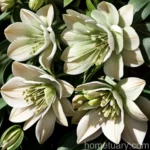
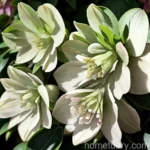
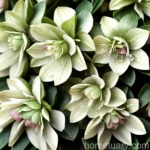
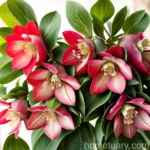
Stinking hellebore, a member of the Ranunculaceae family, is a herbaceous perennial that is native to the Mediterranean region. It is characterized by its deeply lobed, dark green leaves and clusters of bell-shaped greenish-white flowers. The cultivar ‘Sienna’ is renowned for its rich, bronzed foliage, adding an extra layer of visual appeal to this already stunning plant.
This plant holds a significant place in folklore and traditional medicine, owing to its purported medicinal properties and intriguing history. Its toxicology and wildlife interactions also contribute to its botanical significance.
Whether you are an experienced gardener or a novice enthusiast, understanding the intricacies of stinking hellebore will undoubtedly enhance your appreciation for this remarkable plant. Let’s explore its various facets in detail.
Key Takeaways
Here are the key takeaways from our comprehensive guide on stinking hellebore:
- Stinking Hellebore Benefits: This section will cover the various benefits and uses of stinking hellebore, including its aesthetic value, medicinal properties, and wildlife interactions.
- Helleborus foetidus ‘Sienna’ Care Tips: Learn the essential care tips to ensure the optimal growth and health of Helleborus foetidus ‘Sienna’ in your garden or landscape.
- Stinking Hellebore Cultivation: Gain insights into the cultivation requirements and techniques for stinking hellebore, including planting guides, soil preferences, and water requirements.
- Helleborus foetidus ‘Sienna’ Planting Guide: This section will provide a detailed planting guide for Helleborus foetidus ‘Sienna,’ encompassing ideal planting locations, propagation methods, and companion plants.
- Stinking Hellebore Varieties: Explore the different varieties and cultivars of stinking hellebore, their characteristics, and unique traits.
- Helleborus foetidus ‘Sienna’ Characteristics: Understand the distinctive characteristics and attributes that set Helleborus foetidus ‘Sienna’ apart from other hellebore species or cultivars.
- Stinking Hellebore Propagation Methods: Delve into the various propagation methods, such as seed germination, cutting, and division techniques, for propagating stinking hellebore.
- Helleborus foetidus ‘Sienna’ Pests and Diseases: Learn about the common pests and diseases that affect Helleborus foetidus ‘Sienna’ and effective pest control measures.
- Stinking Hellebore in the Garden: Discover the diverse uses and roles of stinking hellebore in garden landscapes, including its ornamental value, seasonal bloom, and garden design ideas.
- Helleborus foetidus ‘Sienna’ Landscape Uses: Explore the versatile landscape uses of Helleborus foetidus ‘Sienna,’ including its suitability for rock gardens, shade gardens, and specific design suggestions.
- Stinking Hellebore Maintenance: Gain insights into the essential maintenance practices required to ensure the longevity and vitality of stinking hellebore plants.
- Helleborus foetidus ‘Sienna’ Blooming Period: Understand the blooming period and seasonal changes associated with Helleborus foetidus ‘Sienna,’ including its fragrance and foliage characteristics.
- Stinking Hellebore Hardiness: Learn about the hardiness and drought tolerance of stinking hellebore, offering valuable insights for its cultivation in various climates.
- Helleborus foetidus ‘Sienna’ Medicinal Properties: Explore the traditional and contemporary medicinal uses of Helleborus foetidus ‘Sienna,’ including its folklore and historical significance.
- Stinking Hellebore Folklore: Uncover the folklore and historical significance surrounding stinking hellebore, shedding light on its cultural importance over the centuries.
- Helleborus foetidus ‘Sienna’ Toxicology: Gain an understanding of the toxicological aspects associated with Helleborus foetidus ‘Sienna’ and its potential impacts on humans and wildlife.
- Stinking Hellebore in Traditional Medicine: Delve into the traditional medicinal uses of stinking hellebore and its contributions to traditional medicine practices.
- Helleborus foetidus ‘Sienna’ Container Gardening: Explore the suitability of Helleborus foetidus ‘Sienna’ for container gardening, including soil requirements, sunlight, and maintenance tips.
- Stinking Hellebore Soil Requirements: Understand the specific soil preferences and requirements of stinking hellebore, ensuring the ideal growing conditions for this plant.
- Helleborus foetidus ‘Sienna’ Shade Tolerance: Learn about the shade tolerance and ideal growing locations for Helleborus foetidus ‘Sienna’ in shaded or partially shaded areas.
- Stinking Hellebore Companion Plants: Discover the suitable companion plants that complement stinking hellebore, enhancing its visual appeal and overall garden aesthetics.
- Helleborus foetidus ‘Sienna’ Natural Habitat: Gain insights into the natural habitat and ecological preferences of Helleborus foetidus ‘Sienna,’ allowing for a deeper understanding of its environmental requirements.
- Stinking Hellebore Wildlife Interactions: Explore the interactions between stinking hellebore and wildlife, including pollination methods and its impact on local ecosystems.
- Helleborus foetidus ‘Sienna’ Native Range: Understand the native range and distribution of Helleborus foetidus ‘Sienna,’ providing valuable insights into its geographic origins and adaptations.
- Stinking Hellebore Cutting and Division Techniques: Learn the best practices for cutting and division techniques when propagating stinking hellebore, ensuring successful and healthy growth.
- Helleborus foetidus ‘Sienna’ Water Needs: Gain an understanding of the specific water requirements and irrigation needs of Helleborus foetidus ‘Sienna’ for optimal growth and vitality.
- Stinking Hellebore Foliage Characteristics: Explore the unique foliage characteristics and leaf color variations exhibited by stinking hellebore, contributing to its ornamental value.
- Helleborus foetidus ‘Sienna’ Seasonal Changes: Understand the seasonal changes and variations in Helleborus foetidus ‘Sienna,’ including its winter care and heat tolerance.
- Stinking Hellebore Seeds Germination Process: Gain insights into the germination process and techniques for stinking hellebore seeds, ensuring successful propagation.
- Helleborus foetidus ‘Sienna’ Garden Design Ideas: Explore creative garden design ideas and suggestions incorporating Helleborus foetidus ‘Sienna,’ enhancing its aesthetic impact in landscapes.
- Stinking Hellebore in Rock Gardens: Discover the suitability of stinking hellebore for rock gardens, offering specific recommendations and design considerations.
- Helleborus foetidus ‘Sienna’ Leaf Color Variations: Learn about the unique leaf color variations and seasonal changes exhibited by the foliage of Helleborus foetidus ‘Sienna.’
- Stinking Hellebore Winter Care: Understand the essential winter care practices required for stinking hellebore, ensuring its vitality during the colder months.
- Helleborus foetidus ‘Sienna’ Heat Tolerance: Gain insights into the heat tolerance and resilience of Helleborus foetidus ‘Sienna,’ particularly in warmer climatic conditions.
- Stinking Hellebore Pollination Methods: Explore the pollination methods and interactions associated with stinking hellebore, contributing to its reproductive cycle and ecosystem role.
- Helleborus foetidus ‘Sienna’ Fragrance: Learn about the fragrance and aromatic qualities of Helleborus foetidus ‘Sienna,’ adding an olfactory dimension to its ornamental value.
- Stinking Hellebore History and Folklore: Uncover the rich history, cultural significance, and folklore surrounding stinking hellebore, offering an insightful perspective on its enduring appeal.
- Helleborus foetidus ‘Sienna’ Rare Cultivar: Gain insights into the rarity and unique qualities of Helleborus foetidus ‘Sienna’ as a distinguished cultivar within the hellebore family.
- Stinking Hellebore Foliage Uses: Explore the diverse uses and applications of stinking hellebore foliage, including its ornamental, medicinal, and ecological value.
- Helleborus foetidus ‘Sienna’ Botany: Gain a deeper understanding of the botanical aspects and taxonomical characteristics of Helleborus foetidus ‘Sienna.’
- Stinking Hellebore Seasonal Bloom: Understand the seasonal bloom patterns and flowering period of stinking hellebore, enhancing its allure in garden landscapes.
- Helleborus foetidus ‘Sienna’ Ornamental Value: Explore the ornamental value and visual appeal of Helleborus foetidus ‘Sienna,’ encompassing its role in garden aesthetics and design.
- Stinking Hellebore Garden Maintenance: Learn the essential maintenance practices required to ensure the vitality and longevity of stinking hellebore in garden landscapes.
- Helleborus foetidus ‘Sienna’ Pest Control: Discover effective pest control measures and strategies for managing common pests that affect Helleborus foetidus ‘Sienna.’
- Stinking Hellebore Soil Preferences: Understand the specific soil preferences and characteristics favored by stinking hellebore for optimal growth and performance.
- Helleborus foetidus ‘Sienna’ Landscape Design Suggestions: Gain insights into specific landscape design suggestions and considerations when incorporating Helleborus foetidus ‘Sienna’ in garden settings.
- Stinking Hellebore Shade Garden Recommendations: Explore the suitability and recommendations for integrating stinking hellebore into shade gardens and shaded landscapes.
- Helleborus foetidus ‘Sienna’ Unique Traits: Uncover the unique traits and distinguishing features that set Helleborus foetidus ‘Sienna’ apart from other hellebore species or cultivars.
- Stinking Hellebore Water Requirements: Learn about the specific water requirements and irrigation needs of stinking hellebore for optimal growth and vitality.
- Helleborus foetidus ‘Sienna’ Drought Tolerance: Understand the drought tolerance and resilience of Helleborus foetidus ‘Sienna,’ offering valuable insights for cultivation in arid or dry climates.
Now that we have outlined the key takeaways, let’s dive into each of these aspects in detail to gain a comprehensive understanding of stinking hellebore and its diverse attributes.
Stinking Hellebore Benefits
Stinking hellebore, with its distinctive appearance and botanical properties, offers a range of benefits and uses that contribute to its appeal in garden landscapes and beyond. Let’s explore the various benefits associated with stinking hellebore:
Aesthetic Value
The allure of stinking hellebore lies in its captivating foliage and unique flowers, making it a visually striking addition to any garden or landscape. The deep green, serrated leaves of the plant provide year-round interest, while the clusters of bell-shaped greenish-white flowers add a delicate and enchanting touch during the flowering period. The cultivar ‘Sienna’ further enhances this aesthetic appeal with its bronzed foliage, offering a rich and warm visual contrast in garden settings.
Medicinal Properties
Stinking hellebore has a rich history of traditional medicinal uses, although it is important to note that the plant contains toxic compounds and should not be ingested without proper expertise and guidance. In traditional medicine, stinking hellebore has been associated with various therapeutic properties, including its potential use as a purgative and as a remedy for certain ailments. However, caution must be exercised when exploring the medicinal applications of this plant, and it is advisable to consult with qualified professionals before attempting any medicinal use.
Wildlife Interactions
Stinking hellebore plays a significant role in supporting local ecosystems, particularly through its interactions with pollinators and other wildlife. The nectar-rich flowers attract pollinators such as bees and butterflies, contributing to the overall biodiversity of the garden or natural habitats where these plants thrive. Understanding the plant’s wildlife interactions can foster a deeper appreciation for its ecological significance and role in sustaining local ecosystems.
Helleborus foetidus ‘Sienna’ Care Tips
To cultivate and maintain healthy and vibrant stinking hellebore plants, it is essential to adhere to specific care tips and best practices. Proper care ensures that the plants thrive, bloom consistently, and remain resilient against common pests and diseases. Here are essential care tips for Helleborus foetidus ‘Sienna’:
Water
-
Water Needs: Stinking hellebore plants prefer consistently moist, well-drained soil. Regular watering is essential, particularly during dry periods and in the early stages of growth and establishment. However, it is crucial to avoid waterlogged conditions, as excessive moisture can lead to root rot and other complications. Adequate soil moisture contributes to the overall health and vibrancy of the plant.
-
Irrigation Practices: When watering stinking hellebore, ensure thorough and even moisture distribution throughout the root zone. Drip irrigation or soaker hoses can be effective watering methods, allowing for slow and targeted hydration without creating waterlogged conditions. Mulching around the base of the plant can help retain soil moisture and reduce water evaporation.
-
Seasonal Considerations: During the summer months or extended periods of heat, monitor the soil moisture regularly and adjust the watering frequency to accommodate the plant’s increased water needs. Conversely, in the winter, when the plant is dormant, reduce watering to prevent waterlogging and associated cold damage.
Sunlight
-
Light Requirements: Stinking hellebore thrives in partially shaded to shaded locations, making it an excellent choice for woodland gardens or areas with dappled sunlight. It is best suited for environments with filtered light or partial shade, as intense or direct sunlight can scorch the foliage and compromise the plant’s overall health.
-
Shade Tolerance: The plant’s shade tolerance makes it an adaptable and versatile addition to landscapes, particularly in areas where direct sunlight is limited. When selecting planting locations, prioritize areas with varying levels of shade to provide the ideal light conditions for stinking hellebore.
Fertilizer
-
Nutrient Requirements: Stinking hellebore benefits from a balanced and organic-rich soil. When planting or transplanting, incorporate organic matter such as compost or well-rotted manure into the soil to provide essential nutrients and improve soil structure. Additionally, a layer of organic mulch around the base of the plant can contribute to the gradual release of nutrients into the soil.
-
Fertilization Schedule: The application of a balanced, slow-release fertilizer in the spring can further support the plant’s growth and establishment. Select a fertilizer with a balanced N-P-K ratio (nitrogen, phosphorus, and potassium) to provide the necessary nutrients without promoting excessive foliage growth at the expense of flowering.
Soil
-
Soil Preferences: Stinking hellebore thrives in well-drained, slightly acidic to neutral soil. It is adaptable to different soil types, including loamy or sandy soils, provided that they offer adequate drainage and aeration for the plant’s root system. Prioritize soil with good water retention capabilities while ensuring that it does not become waterlogged.
-
Soil Amendments: Incorporating organic matter into the soil during planting or as a top dressing can significantly improve the soil’s structure and fertility. Organic amendments enhance the water-holding capacity of the soil and create a conducive environment for the development of healthy stinking hellebore plants.
Pruning
-
Pruning Practices: Stinking hellebore plants generally require minimal pruning, particularly in the context of maintenance and aesthetic grooming. Remove any damaged or diseased foliage as needed to maintain the plant’s overall health and appearance. Additionally, spent flowers can be deadheaded to encourage continued blooming and prevent the development of seed pods.
-
Timing: Pruning and deadheading activities can be performed as needed throughout the growing season, particularly when observing the decline of flowers or the presence of damaged foliage. Avoid excessive pruning, as stinking hellebore generally maintains its structural integrity and appearance without extensive intervention.
Propagation
-
Propagation Methods: Stinking hellebore can be propagated through various methods, including seed germination and division techniques. Collect seeds from mature plants and sow them in a suitable soil mix or propagate from divisions of established plants to expand the hellebore population in your garden or landscape.
-
Timing: Optimal times for seed sowing and division activities can vary depending on your regional climate and the specific growth characteristics of stinking hellebore. Engage in propagation activities during the appropriate seasons to maximize success and facilitate the establishment of new plants.
Stinking Hellebore Cultivation
Cultivating stinking hellebore, especially the ‘Sienna’ cultivar, involves understanding and addressing specific requirements related to water, sunlight, soil, and overall plant care. As a distinctive and visually appealing plant, it contributes to garden landscapes and natural settings with its unique characteristics and versatility.
Water
Stinking hellebore, including the ‘Sienna’ cultivar, has specific water requirements that are essential for its optimal growth and vitality. By addressing the plant’s water needs and implementing appropriate irrigation practices, you can create an environment conducive to its flourishing.
Water Needs
- Moisture Preferences: Stinking hellebore prefers consistently moist soil, particularly during its active growth periods and the flowering stage. Adequate moisture contributes to the development of healthy leaves and flowers, ensuring that the plant thrives in its chosen environment.
- Avoid Waterlogging: While maintaining moist soil, it is crucial to prevent waterlogging, as excessive moisture can lead to root rot and other detrimental effects on the plant’s health. Well-drained soil and appropriate watering practices promote the desired moisture levels without creating waterlogged conditions.
Irrigation Practices
- Even Moisture Distribution: When watering stinking hellebore, aim to achieve even moisture distribution throughout the root zone. This can be accomplished through methods such as drip irrigation or soaker hoses, which deliver water directly to the soil surface, promoting efficient absorption and utilization by the plant’s roots.
- Mulching Benefits: To supplement the irrigation practices, consider applying a layer of organic mulch around the base of the plant. Mulch helps