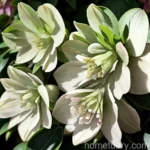
Hellebore (Helleborus ‘Coseh 710’ PINK FROST): A Comprehensive Guide
Hellebores, also known as Lenten roses, are one of the early bloomers in the spring garden, offering delicate and exquisite blossoms. Among the wide variety of hellebores, the Helleborus ‘Coseh 710’ Pink Frost stands out with its stunning pink flowers and exceptional qualities. In this comprehensive guide, we will delve into the culture, uses, care, common diseases, pests, and propagation of the Pink Frost Hellebore.
What is Plant Hellebore (Helleborus ‘Coseh 710’ PINK FROST)?
The Helleborus ‘Coseh 710’ Pink Frost is a striking perennial plant that belongs to the Helleborus genus. It is well-known for its captivating pink flowers and its ability to thrive in cooler climates. With its mesmerizing blooms and evergreen foliage, the Pink Frost Hellebore is a popular choice for adding elegance to shaded garden beds, borders, and woodland settings.
Key Takeaways – Hellebore (Helleborus ‘Coseh 710’ PINK FROST)
Before we delve into the details, let’s take a look at the key takeaways of the Pink Frost Hellebore:
- Family: Ranunculaceae
- Genus: Helleborus
- Variety: ‘Coseh 710’ Pink Frost
- Common Name: Lenten Rose
- Flower Color: Pink
- Foliage: Evergreen
- Preferred Growing Conditions: Part to full shade, rich, well-drained soil
Now, let’s dive deeper into various aspects of this exquisite plant!
Culture
Understanding the cultural requirements of the Helleborus ‘Coseh 710’ Pink Frost is crucial for its optimal growth and development. Let’s explore these cultural aspects in detail.
Uses
The Pink Frost Hellebore holds significant value in landscaping and gardening. Its uses include:
-
Ornamental Purposes: The plant is predominantly grown for its mesmerizing pink blooms, which add a touch of elegance to any garden or landscape.
-
Shade Gardens: Due to its preference for part to full shade, the Pink Frost Hellebore is an excellent choice for shaded gardens, woodland areas, and beneath trees.
Water
Proper watering is vital for the health and vitality of the Pink Frost Hellebore. Here are some key points to consider regarding watering:
-
Watering Frequency: Hellebores generally prefer evenly moist soil. During the growing season, ensure consistent moisture, especially during dry spells. However, avoid waterlogged conditions to prevent root rot.
-
Established Plants: Once established, the Pink Frost Hellebore becomes more tolerant of dry conditions, but regular watering is still necessary, particularly in periods of drought.
Sunlight
Understanding the sunlight requirements of the Pink Frost Hellebore is essential for its successful cultivation. Here’s a breakdown of its sunlight needs:
-
Light Conditions: The Pink Frost Hellebore thrives in part to full shade. It prefers dappled sunlight or gentle morning sun, especially in warmer climates.
-
Leaf Scorch: Exposure to intense, direct sunlight can lead to leaf scorch, so it’s crucial to provide adequate shade, especially during the hottest part of the day.
Fertilizer
Proper nutrition is essential for the Pink Frost Hellebore’s growth and flower production. Consider the following when fertilizing this exquisite plant:
-
Timing: Apply a balanced, slow-release fertilizer in early spring as new growth emerges and at the beginning of the fall season before the plant goes dormant for winter.
-
Type of Fertilizer: Opt for a fertilizer specifically formulated for flowering perennials, and ensure it is well-balanced, with an N-P-K ratio suitable for promoting healthy foliage and prolific blooms.
Soil
The type of soil has a significant impact on the growth and overall health of the Pink Frost Hellebore. Here’s what you need to know about its soil preferences:
-
Well-drained Soil: Hellebores, including the Pink Frost variety, thrive in rich, well-drained soil. Amend heavy clay soil with organic matter to improve drainage and enhance the soil’s texture.
-
Soil pH: The ideal soil pH for hellebores ranges from slightly acidic to neutral. A pH range of 6.0 to 7.0 is optimal for ensuring proper nutrient uptake.
Pruning
Pruning plays a crucial role in maintaining the health and aesthetics of the Pink Frost Hellebore. Consider the following key points when approaching pruning:
-
Dried Foliage Removal: In late winter or early spring, remove any old, tattered foliage to allow the new season’s growth to emerge unobstructed. This also helps in reducing potential disease issues.
-
Flower Stems: After the flowering period, deadhead the spent blooms to encourage the plant to focus its energy on producing new growth rather than seed production.
Propagation
While Pink Frost Hellebores naturally self-seed, controlled propagation can help in expanding your hellebore collection. Here are some methods of propagation to consider:
-
Division: Divide established clumps in early spring, just as new growth emerges. Carefully divide the root ball into sections, ensuring each section has viable roots and healthy growth points.
-
Seeds: Collect ripe seed pods and sow the seeds in a well-prepared seed-starting mix. Keep the soil consistently moist, and provide warmth until germination occurs.
Container Popularity
The Pink Frost Hellebore’s compact nature and attractive blooms make it a popular choice for container gardening. Consider the following points in its container cultivation:
-
Container Selection: Choose a container that provides adequate drainage and is at least 12 inches deep to accommodate the plant’s root system.
-
Soil Consideration: Utilize a high-quality potting mix rich in organic matter, with excellent drainage properties to mimic the plant’s preferred soil conditions.
Common Diseases
While generally robust, the Pink Frost Hellebore is susceptible to certain diseases that can impact its overall health and appearance. Let’s explore some common diseases and potential preventive measures:
| Disease Name | Symptoms | Prevention and Treatment |
|---|---|---|
| Botrytis Blight | Fuzzy gray mold on foliage | Proper spacing, ensure good air circulation, remove affected leaves |
| Leaf Spot | Dark, irregular spots on leaves | Remove and destroy infected leaves, ensure proper air circulation |
| Crown Rot | Soft, decaying crown | Ensure well-drained soil, avoid overwatering, remove affected plants |
Disease Diagnosis
It’s crucial to monitor the Pink Frost Hellebore for signs of diseases to diagnose and address issues promptly. Here’s how to diagnose common diseases:
-
Visual Inspection: Regularly inspect the foliage, stems, and crown of the plant for any signs of discoloration, spots, or unusual growth.
-
Professional Consultation: If in doubt, seek advice from a local extension service or consult with a plant health specialist to accurately diagnose any potential diseases.
Common Pests
Pests can pose a threat to the health and vitality of the Pink Frost Hellebore. Familiarize yourself with the common pests and their control methods to safeguard your plants:
-
Aphids: These small, soft-bodied insects feed on sap and can cause stunted growth and yellowing of foliage. Utilize insecticidal soap or neem oil to control aphid populations.
-
Slugs and Snails: These pests can cause significant damage by feeding on leaves and stems. Use physical barriers, such as copper tape, or organic baits to protect the plants.
Botanist’s Tips
Here are some expert tips and recommendations for cultivating and caring for the Pink Frost Hellebore:
-
Mulching: Apply a layer of organic mulch around the base of the plant to conserve soil moisture, suppress weeds, and provide a uniform root zone temperature.
-
Seasonal Care: Monitor the plant’s hydration needs, especially during periods of extreme heat or drought. Adjust watering frequency accordingly to maintain optimal soil moisture.
-
Winter Protection: In regions with harsh winters, provide a layer of mulch or evergreen boughs over the crowns of hellebores to protect them from freezing temperatures and frost heaving.
Fun Facts
Uncover interesting and lesser-known facts about the Pink Frost Hellebore:
- Hellebores, including the Pink Frost variety, are deer-resistant, making them a suitable choice for gardens frequented by deer.
- The name “Lenten Rose” stems from the plant’s tendency to bloom around the Lenten season, heralding the arrival of spring.
Links to External Resources
To further enrich your knowledge about hellebores and the Pink Frost variety, explore the following external resources:
- The Royal Horticultural Society: Growing Hellebores
- University of Maryland Extension: Hellebore Diseases and Pests
In conclusion, the Pink Frost Hellebore (Helleborus ‘Coseh 710’) presents a delightful opportunity to introduce a stunning and versatile plant to your garden. Understanding its cultural requirements, implementing proper care practices, and remaining vigilant against potential diseases and pests ensure a flourishing and visually appealing addition to your landscape. With the right knowledge and attention, you can experience the delicate beauty and enduring charm of this exceptional hellebore variety.