Haworthia Cooperi (Haworthia Cooperi)
Haworthia cooperi, also known as Haworthia venosa subsp. tesselata, is an attractive succulent plant belonging to the family Asphodelaceae. Originating.
What is Haworthia cooperi?
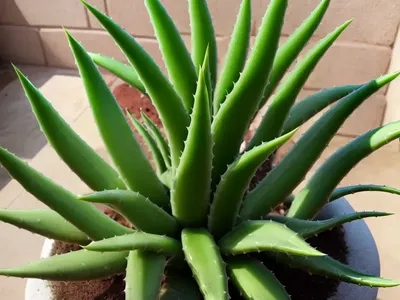
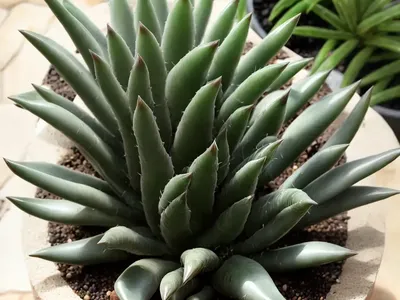
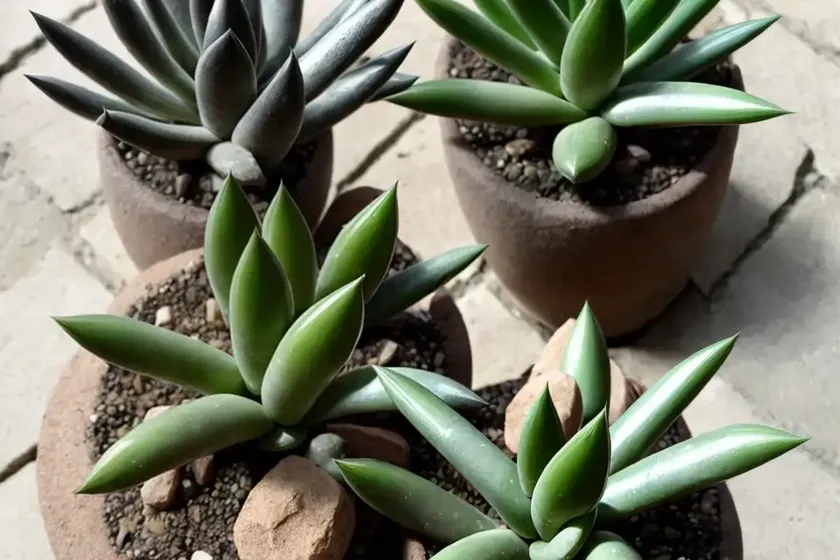
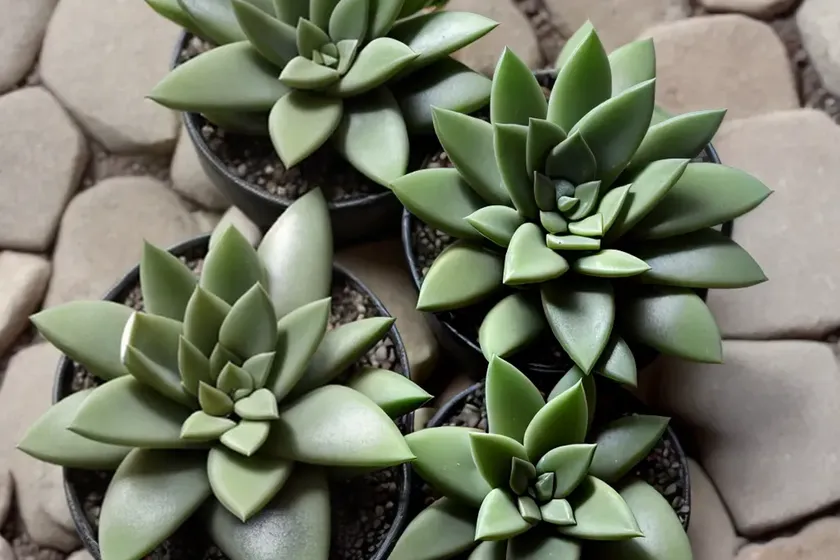
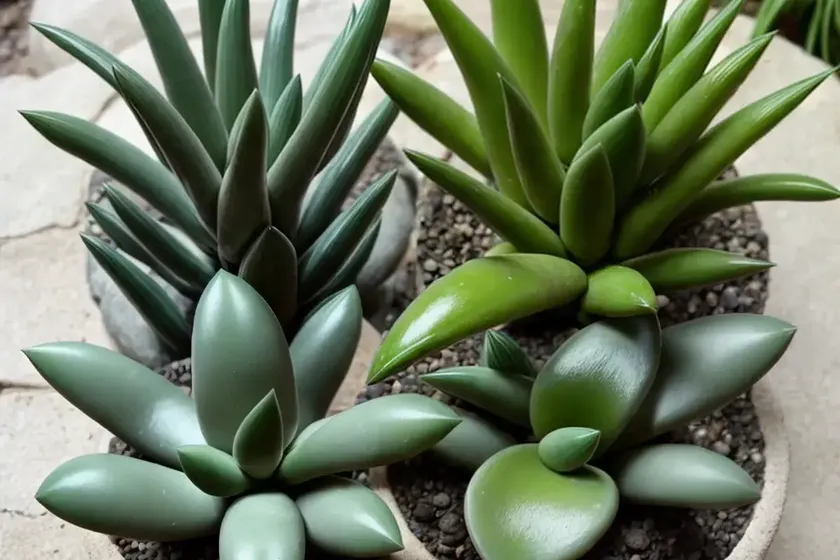
Haworthia cooperi, also known as Haworthia venosa subsp. tesselata, is an attractive succulent plant belonging to the family Asphodelaceae. Originating from South Africa, this plant is known for its charming rosette-shaped arrangement of fleshy, translucent leaves. The name “cooperi” honors the English botanist and succulent enthusiast Adrian Hardy Haworth (1768–1833).
Haworthia cooperi is a popular houseplant due to its low maintenance and stunning appearance. Its charming, compact size makes it an ideal addition to any indoor collection of succulents, as it is well-suited to small pots and containers.
Key Takeaways – Haworthia cooperi
Before diving into the specifics of caring for Haworthia cooperi, let’s cover some key takeaways:
- Scientific Name: Haworthia cooperi
- Common Names: Cooper’s Haworthia
- Family: Asphodelaceae
- Origin: South Africa
- Plant Type: Succulent
- Growth Habit: Rosette-forming
- Use: Ornamental houseplant
Now, let’s explore the aspects of caring for Haworthia cooperi in more detail.
Culture
Haworthia cooperi is a versatile and adaptable plant, making it an excellent addition to both indoor and outdoor settings. Whether you’re a seasoned succulent enthusiast or a beginner plant parent, this resilient species can thrive with minimal care. Let’s delve into the various aspects of its culture.
Uses
Haworthia cooperi is primarily grown for ornamental purposes, adding aesthetic appeal to indoor and outdoor spaces. Its compact size and attractive rosette form make it an ideal choice for succulent arrangements, terrariums, and small pots. It’s also frequently featured in mixed succulent plantings and rock gardens, contributing to a diverse and visually appealing plant display.
Water
One of the most crucial aspects of caring for Haworthia cooperi is managing its water requirements. As a succulent, it is adapted to arid environments and has evolved to store water in its fleshy leaves. Overwatering can lead to root rot and other issues, so it’s essential to practice moderation when watering this plant.
- Frequency: Allow the soil to dry out between waterings to prevent waterlogged conditions.
- Watering Method: Apply water directly to the soil, avoiding the foliage to minimize the risk of rot.
- Seasonal Variations: Adjust the watering frequency based on the plant’s growth patterns and environmental conditions. During the active growing season (spring and summer), Haworthia cooperi may require more frequent watering compared to the dormant phase (fall and winter).
Sunlight
Proper sunlight exposure is crucial for the healthy growth of Haworthia cooperi. When grown indoors, it thrives in bright, indirect light. Placing it near a south- or east-facing window can provide the ideal light conditions. Outdoor cultivation should consider providing partial shade, especially during the hottest parts of the day.
- Indoor Lighting: Position the plant near a window that receives bright, indirect light.
- Outdoor Placement: Select a location with partial shade to protect the plant from intense sunlight, especially during the peak of summer.
Fertilizer
Though Haworthia cooperi is relatively low-maintenance, occasional fertilization can encourage healthy growth and robust foliage. A balanced, water-soluble fertilizer formulated for succulents can be applied sparingly during the growing season. However, be cautious not to overfertilize, as excessive nutrients can lead to adverse effects.
- Frequency: Fertilize once every few months during the growing season, reducing or ceasing fertilization altogether during the dormant period.
Soil
Well-draining soil is essential for the health and longevity of Haworthia cooperi. A specialized succulent or cactus mix provides the ideal growing medium, offering the proper balance of aeration and moisture retention. When potting or repotting, ensure the container has adequate drainage to prevent waterlogging.
- Ideal Medium: Select a well-draining succulent or cactus mix with good aeration properties.
- Container Drainage: Use pots and containers with drainage holes to prevent water accumulation.
Pruning
Minimal pruning is typically required for Haworthia cooperi. Remove any dead or decaying leaves to maintain the plant’s overall appearance and prevent potential issues. Additionally, periodic removal of offsets can help manage the plant’s size and promote a tidy, compact growth habit.
- Leaf Maintenance: Gently remove withered or damaged leaves to maintain the plant’s visual appeal.
- Offset Removal: Take care when removing offsets to propagate new plants or manage the size of the existing specimen.
Propagation
Expanding your collection of Haworthia cooperi can be achieved through various propagation methods. From division to leaf cuttings, this plant offers opportunities for multiplying your stock and sharing its beauty with fellow gardening enthusiasts.
- Offsets: Remove and transplant offsets that develop at the base of the plant to propagate new specimens.
- Leaf Cuttings: Lay mature leaves flat on well-draining soil to root and produce new plants.
- Division: Divide mature clumps into smaller sections, ensuring each division has sufficient roots and foliage for successful establishment.
Container Popularity
Haworthia cooperi’s compact size and charming appearance make it a popular choice for container cultivation. Its adaptability to small pots and planters allows enthusiasts to incorporate it into various arrangements and displays.
- Terrariums: Enhance the visual appeal of terrariums and miniature gardens with the addition of Haworthia cooperi.
- Succulent Arrangements: Use its rosette form to create visually striking succulent compositions in containers of varying sizes.
- Indoor Display: Beautify indoor spaces with the addition of small pots featuring Haworthia cooperi, adding a touch of greenery to any room.
Container Common Diseases
While Haworthia cooperi is relatively resistant to disease, certain environmental conditions or care practices can lead to potential issues. Understanding common diseases and their management can help ensure the long-term health of your plants.
Disease Diagnosis
Keep an eye out for symptoms of common diseases that may affect Haworthia cooperi to address issues promptly. Some common problems and their signs include:
- Root Rot: Yellowing or wilting of lower leaves, accompanied by a foul odor or mushy texture of the roots.
- Leaf Spotting: Discoloration or spotting of the leaves, often indicative of fungal or bacterial infections.
- Crown Rot: Softening or browning of the central growing point, leading to stunted growth and decline.
Common Pests
Pests can occasionally trouble Haworthia cooperi, especially when grown in indoor settings or alongside other susceptible plants. Identifying and proactively managing pest infestations can prevent significant damage and potential spread to neighboring specimens.
- Mealybugs: Look for white, cottony masses on the leaves, indicating the presence of mealybugs. They may also congregate at the leaf axils and undersides.
- Spider Mites: Keep an eye out for webbing on the foliage, which may indicate the presence of spider mites. Infested leaves may also show stippling and discoloration.
- Scale Insects: Inspect the leaves and stems for raised, waxy bumps that can indicate scale insect infestation. They often leave behind a sticky residue known as honeydew.
Botanist’s Tips
As a botanist with a passion for succulent plants, I have a few additional tips to help you maximize the health and beauty of your Haworthia cooperi.
- Growth Environment: Pay attention to the environmental conditions and humidity levels, ensuring they align with the plant’s preferences.
- Seasonal Adjustments: Modify your care routine based on seasonal variations, adapting watering and light exposure to accommodate the plant’s natural growth patterns.
- Observation: Regularly inspect your plants for signs of stress, disease, or pests, allowing you to address issues promptly and prevent widespread damage.
Fun Facts
To round out our exploration of Haworthia cooperi, here are some fascinating and lesser-known facts about this charming succulent:
- Distinct Rosette: The striking rosette form of Haworthia cooperi consists of fleshy, translucent leaves arranged in a compact and visually appealing manner.
- Species Diversity: The Haworthia genus encompasses a diverse range of species, each with its unique characteristics and growth habits.
- Adaptation to Arid Environments: Haworthia cooperi’s succulent nature equips it to thrive in arid conditions, making it an excellent choice for water-wise gardening.
- Aesthetic Appeal: Its distinctive appearance and low-maintenance nature have made Haworthia cooperi a sought-after addition to succulent collections and ornamental displays.
Links to External Resources
If you’re eager to continue expanding your knowledge of growing and caring for Haworthia cooperi, consider exploring the following resources:
- The Haworthia Society – A comprehensive source of information and resources dedicated to the Haworthia genus and its cultivation.
- Succulent-Plant.com – An extensive repository of succulent care guides and articles, offering insights into various species, including Haworthia cooperi.
- Royal Horticultural Society – The RHS website provides valuable information on succulent cultivation, pest and disease management, and general plant care practices.
By utilizing these resources, you can further enhance your expertise and appreciation for the captivating world of Haworthia cooperi and succulent plants as a whole.
Conclusion
In conclusion, the allure of Haworthia cooperi extends beyond its captivating appearance, encompassing its adaptability, low maintenance requirements, and versatility in various growing environments. Whether adorning indoor spaces or contributing to outdoor succulent gardens, this species captivates enthusiasts with its resilient nature and visual appeal.
By honing your understanding of its care, cultivation, and maintenance principles, you can foster thriving specimens of Haworthia cooperi, enriching your botanical pursuits and the aesthetic ambiance of your surroundings. With proper attention to its water, sunlight, and soil needs, your Haworthia cooperi plants can flourish, delighting you with their ever-present charm and graceful resilience.
So, whether you’re a seasoned succulent aficionado or a novice plant enthusiast, consider introducing the delightful Haworthia cooperi into your collection, relishing its distinctive beauty and straightforward care requirements.