Cobweb Aloe (Haworthia Arachnoidea)
Haworthia arachnoidea, commonly known as Cobweb Aloe, is a fascinating and unique succulent that has gained popularity among plant enthusiasts for its.
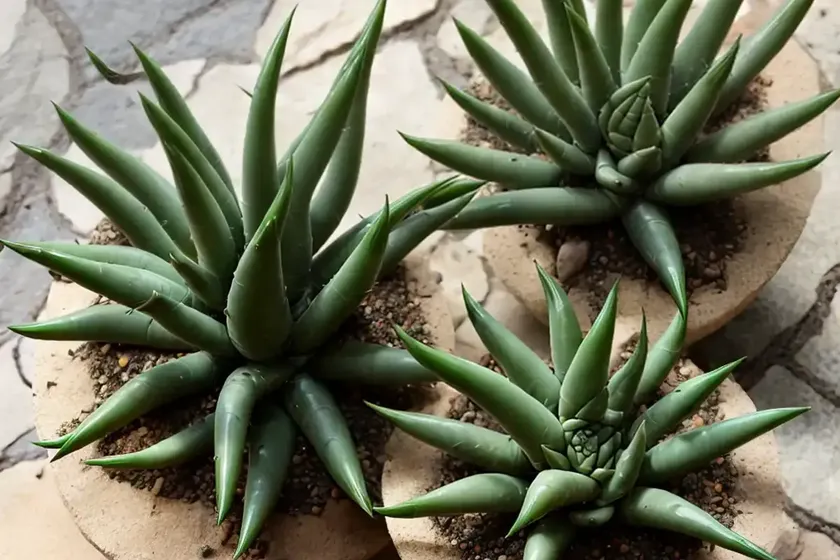
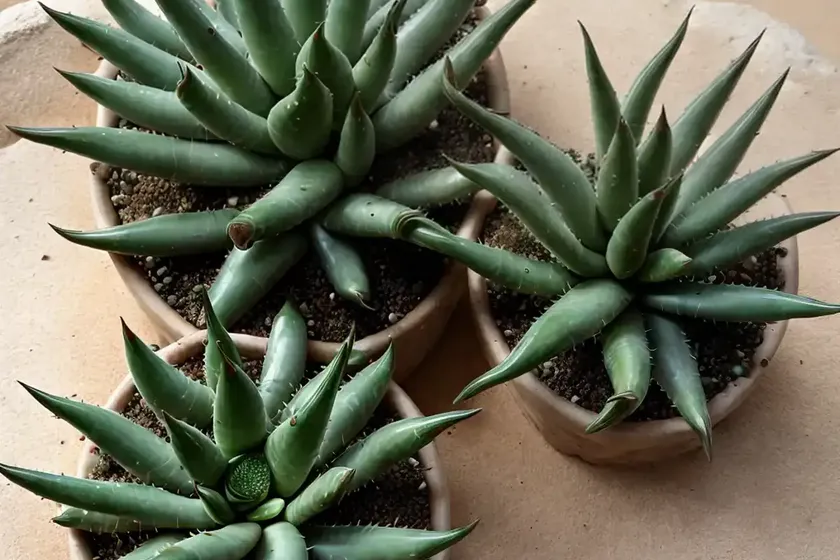
Haworthia arachnoidea, commonly known as Cobweb Aloe, is a fascinating and unique succulent that has gained popularity among plant enthusiasts for its striking appearance and low maintenance requirements. As a plant scientist, I am excited to delve into the intriguing world of Cobweb Aloe and provide comprehensive insights into its care, uses, cultivation, and much more.
What is Cobweb Aloe (Haworthia Arachnoidea)?
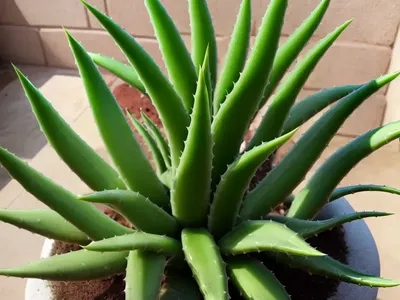
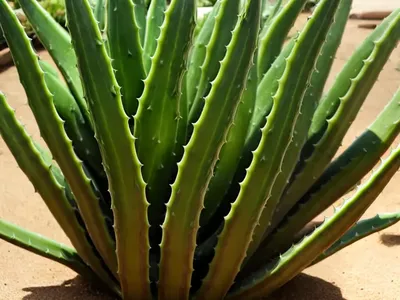
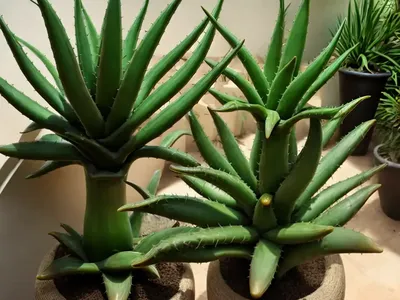
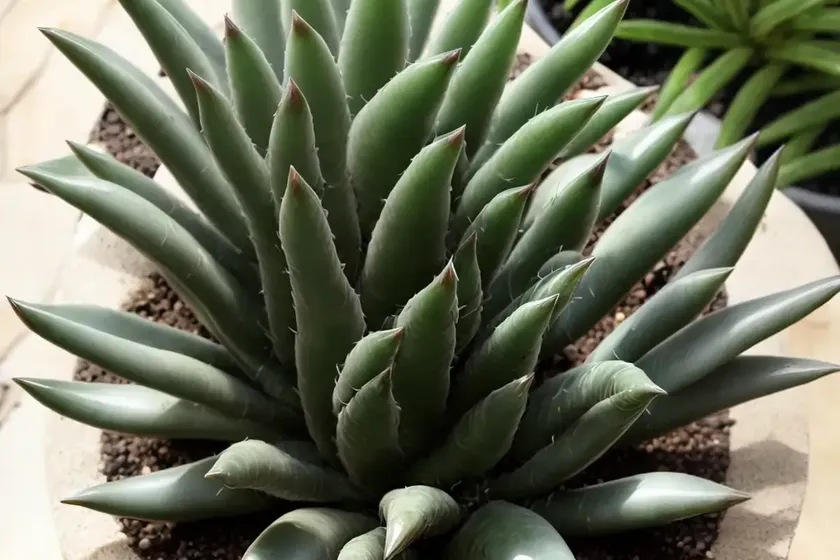
Native to South Africa, Haworthia arachnoidea is a species of succulent from the family Asphodelaceae. It is named for its distinctive web-like white filaments that cover the leaves, giving it a charming and unusual aesthetic appeal. This succulent is a small, slow-growing plant known for its rosette form and excellent adaptability to various growing conditions, making it an ideal choice for both experienced and novice plant enthusiasts.
Key Takeaways
Before we delve into the specific aspects of Cobweb Aloe care and maintenance, let’s highlight some key takeaways about this remarkable succulent:
- Unique Appearance: The Cobweb Aloe’s leaves are adorned with delicate white filaments, resembling a cobweb, hence its common name.
- Low Maintenance: Haworthia arachnoidea is a low-maintenance plant that thrives with minimal care, making it an excellent choice for busy individuals or those new to plant parenting.
- Versatile Uses: Apart from its ornamental charm, Cobweb Aloe can be incorporated into various settings, including indoor displays, terrariums, succulent gardens, and arid landscapes.
- Adaptability: This succulent exhibits resilience and can tolerate a range of light and soil conditions, making it a forgiving plant for growers.
Now, let’s explore the essential aspects of cultivating and caring for Cobweb Aloe, encompassing its cultural requirements, uses, water and sunlight needs, fertilizer application, suitable soil conditions, propagation methods, and much more.
Culture
Understanding the cultural requirements of Haworthia arachnoidea is fundamental to ensuring its optimal growth and overall well-being. Here’s a comprehensive look at the cultural aspects of cultivating Cobweb Aloe:
Uses
Cobweb Aloe (Haworthia arachnoidea) boasts a range of uses, ranging from ornamental display to functional applications. Some common uses of this striking succulent include:
- Indoor Ornament: Due to its compact size and unique appearance, Cobweb Aloe is a popular choice for indoor ornamental displays, adding visual interest to desks, shelves, and windowsills.
- Terrariums and Succulent Gardens: The diminutive size and low maintenance requirements make Cobweb Aloe a favored addition to terrariums and succulent gardens, contributing to their aesthetic appeal.
- Landscaping: Incorporating Haworthia arachnoidea into arid or rock gardens can create eye-catching focal points and contribute to water-wise landscaping initiatives.
Water
Proper watering practices are crucial for maintaining the health and vitality of Cobweb Aloe. Being a succulent, it is essential to implement a balanced approach to watering. Here are key considerations for watering Cobweb Aloe:
- Frequency: Allow the soil to dry out partially between watering sessions. Overly wet or waterlogged soil can lead to root rot, posing a risk to the plant’s health.
- Signs of Thirst: Monitor the plant for signs of dehydration, such as wilting or shriveling leaves. When watering, ensure thorough saturation of the soil while allowing excess water to drain freely.
- Seasonal Adjustments: Adjust the watering frequency according to seasonal changes. During the active growing season, typically spring and summer, Cobweb Aloe may require more frequent watering compared to the dormant winter months.
Sunlight
As with many succulent species, providing adequate sunlight is crucial for the healthy growth of Cobweb Aloe. Consider the following aspects when addressing the sunlight requirements of Haworthia arachnoidea:
- Indirect Sunlight: While Cobweb Aloe thrives in bright, indirect light, it is essential to shield it from intense, direct sunlight, particularly during the hottest hours of the day. Prolonged exposure to scorching sun rays can lead to sunburn and damage the delicate foliage.
- Ideal Locations: Position the plant near east or west-facing windows where it can benefit from gentle morning or afternoon sunlight. Alternatively, filtered light provided by sheer curtains or translucent blinds can aid in preventing sun damage.
Fertilizer
Appropriate fertilization can bolster the growth and vitality of Cobweb Aloe, ensuring it thrives and maintains its striking appearance. Here are some key points to consider when fertilizing Haworthia arachnoidea:
- Minimal Fertilization: Cobweb Aloe thrives in nutrient-poor soils and does not require frequent or heavy fertilization. Use a balanced, diluted fertilizer at quarter or half strength during the active growing season, typically spring and summer.
- Frequency: Apply fertilizer every 4-6 weeks, reducing or ceasing fertilization during the plant’s dormant phase in fall and winter.
- Fertilizer Type: Opt for a well-balanced, water-soluble fertilizer specifically formulated for succulents or cacti. Ensure that the fertilizer is diluted to prevent the risk of root burn.
Soil
Selecting the right soil mixture is pivotal in creating a conducive growing environment for Cobweb Aloe. An ideal soil composition for this succulent should facilitate adequate drainage while offering ample support and nutrients. Here’s a breakdown of the optimal soil conditions for Haworthia arachnoidea:
- Well-Draining Mix: Cobweb Aloe thrives in a well-draining soil mix that prevents the risk of waterlogging, which can lead to root rot. Incorporate ingredients that enhance drainage, such as coarse sand, perlite, or pumice, into the potting medium.
- Aeration and Texture: A blend of potting soil, coarse sand, and perlite creates an aerated and porous soil mix that promotes healthy root development and prevents soil compaction.
- Soil pH: Aim for a slightly acidic to neutral pH range (6.0-7.0) in the growing medium to support nutrient uptake and overall plant health.
Pruning
Proper pruning can help maintain the compact, appealing shape of Cobweb Aloe while also addressing any damaged or withered foliage. Here are key insights into the pruning process:
- Sanitization: Before pruning, ensure that your pruning tools, such as scissors or shears, are sanitized to minimize the risk of transmitting diseases to the plant.
- Removal of Dead Material: Regularly remove any dried or browned leaves to maintain the plant’s tidy appearance and prevent potential disease spread.
- Propagation: Pruning can also present an opportunity for propagation. The removed offsets or pups can be utilized for propagation purposes, creating new plants from the existing ones.
Propagation
Propagating Cobweb Aloe allows for the expansion of your plant collection and provides an opportunity to share the beauty of this succulent with fellow enthusiasts. Here are popular methods for propagating Haworthia arachnoidea:
- Offsets/Pups: Cobweb Aloe produces offsets, or miniature clones of the parent plant, around its base. Carefully remove these offsets and plant them in a suitable growing medium to establish new plants.
- Leaf Cuttings: Select healthy leaves and allow the cut ends to callus before planting them in a well-draining succulent mix. With time and proper care, new plantlets will emerge from the cuttings.
Container Popularity
Cobweb Aloe is well-suited for container cultivation, adding a touch of natural elegance to indoor and outdoor spaces. Its popularity as a container plant can be attributed to the following factors:
- Compact Size: The modest dimensions of Haworthia arachnoidea make it an excellent choice for container gardening, fitting seamlessly into small or limited spaces such as windowsills, desks, or tabletops.
- Aesthetic Appeal: The unique appearance of Cobweb Aloe, enhanced by its web-like white filaments, makes it a captivating choice for adorning decorative containers, contributing to the visual charm of any setting.
Container Common Diseases
While container cultivation offers numerous benefits, it is essential to remain vigilant against potential diseases that can affect Cobweb Aloe. Here are some common diseases to watch for:
- Root Rot: Overly moist or waterlogged soil can lead to root rot, posing a significant threat to the plant’s health. Avoid overwatering and ensure that the container provides adequate drainage to mitigate this risk.
Disease Diagnosis
Proactively identifying and addressing diseases is crucial for maintaining the health and vigor of Cobweb Aloe. Here are diagnostic measures and potential treatment strategies for common succulent diseases:
- Symptom Observation: Monitor the plant for symptoms such as wilting, discoloration, or unusual spots on the leaves. Carefully inspect the soil and roots for any signs of decay or rot.
- Isolation: If diseased, promptly isolate the affected plant to prevent disease spread to other succulents or plants in close proximity.
- Treatment: Depending on the specific disease, treatments may include adjusting watering practices, repotting into fresh soil, or employing suitable fungicides or bactericides as recommended.
Common Pests
Though lauded for their resilience, Cobweb Aloe can still fall victim to common pests that affect succulents. Some prevalent pests to be mindful of include:
- Mealybugs: These small, cotton-like pests can infest the leaves and crevices of Cobweb Aloe, sucking the plant’s vital juices and causing damage. Use a cotton swab dipped in alcohol to carefully remove mealybugs from the affected areas.
- Spider Mites: These tiny arachnids can create fine webbing on the plant, typically near the leaf axils. Regularly showering the plant with a fine spray of water can help deter spider mites.
Botanist’s Tips
Drawing from my expertise as a plant scientist, I’ve curated some valuable tips to assist in successful cultivation and care of Cobweb Aloe:
- Monitoring Watering: A cautious and observant approach to watering is crucial, paying attention to the plant’s moisture needs and allowing the soil to partially dry out between watering sessions.
- Correcting Sun Exposure: Shield Cobweb Aloe from intense, direct sunlight, especially during the peak heat hours, to prevent leaf damage. Opt for gentle, filtered light to meet its sunlight requirements effectively.
- Preventative Pest Management: Periodically inspect the plant for early signs of pest infestations and employ proactive measures to thwart potential pest problems, such as regular cleaning and isolation of affected plants.
Fun Facts
As we embrace the charm of Cobweb Aloe, here are some fascinating and little-known facts about this captivating succulent:
- Etymology: The genus name “Haworthia” honors the British botanist Adrian Hardy Haworth, while the species name “arachnoidea” alludes to the plant’s spider web-like appearance, derived from the Greek word “arachnoides.”
- Native Habitat: In its native South African habitat, Haworthia arachnoidea often thrives in rocky outcrops and dry, arid regions, showcasing its adaptability to challenging environmental conditions.
- Variegated Varieties: Aside from the standard green form, there are variegated cultivars of Cobweb Aloe that display striking patterns and shades, contributing to the diversity and allure of this species.
Links to External Resources
For further exploration of Cobweb Aloe and to enhance your knowledge of its care and cultivation, I recommend referring to the following external resources:
- Haworthia Society
- The National Gardening Association
- Royal Horticultural Society – Haworthia Care Guide
- Succulent Plant Care
Conclusion
In conclusion, Cobweb Aloe (Haworthia arachnoidea) stands as an exceptional addition to any plant collection, offering a captivating blend of ornamental allure and low maintenance requirements. Delving into the world of succulent care and propagation is a gratifying experience, and I hope that this comprehensive guide has provided valuable insights to cultivate, care for, and appreciate the beauty of Cobweb Aloe. As we celebrate the unique charm of this succulent, may it continue to thrive in both indoor and outdoor settings, enriching the lives of plant enthusiasts and bringing a touch of natural elegance to diverse environments.
Keywords: Haworthia Arachnoidea care, Cobweb Aloe plant, How to grow Haworthia Arachnoidea, Haworthia Arachnoidea propagation, Cobweb Aloe varieties, Best soil for Haworthia Arachnoidea, Haworthia Arachnoidea watering needs, Cobweb Aloe succulent, Haworthia Arachnoidea sunlight requirements, Cobweb Aloe plant care tips, Haworthia Arachnoidea indoor plant, Cobweb Aloe outdoor plant, Haworthia Arachnoidea growth habits, Cobweb Aloe planting guide, Haworthia Arachnoidea soil mixture, Cobweb Aloe drought tolerant, Haworthia Arachnoidea temperature preferences, Cobweb Aloe leaf propagation, Haworthia Arachnoidea pests and diseases, Cobweb Aloe plant uses, Haworthia Arachnoidea potting tips, Cobweb Aloe plant health benefits, Haworthia Arachnoidea medicinal properties, Cobweb Aloe plant arrangement ideas, Haworthia Arachnoidea decorative plant, Cobweb Aloe plant for beginners, Haworthia Arachnoidea plant maintenance, Cobweb Aloe plant growth stages, Haworthia Arachnoidea variegated variety, Cobweb Aloe plant pot size, Haworthia Arachnoidea natural habitat, Cobweb Aloe plant for small spaces, Haworthia Arachnoidea plant nursery, Cobweb Aloe plant for indoor gardens, Haworthia Arachnoidea unique features, Cobweb Aloe plant for xeriscaping, Haworthia Arachnoidea low-maintenance plant, Cobweb Aloe plant for terrariums, Haworthia Arachnoidea water propagation, Cobweb Aloe plant for succulent lovers, Haworthia Arachnoidea miniature variety, Cobweb Aloe plant for rock gardens, Haworthia Arachnoidea plant for arid climates, Cobweb Aloe for sale online, Haworthia Arachnoidea plant accessories, Cobweb Aloe plant gift ideas, Haworthia Arachnoidea plant collection, Cobweb Aloe plant for home decor, Haworthia Arachnoidea common mistakes to avoid, Cobweb Aloe plant for natural air purification