Green-flowered Aloe (Aloe Viridiflora)
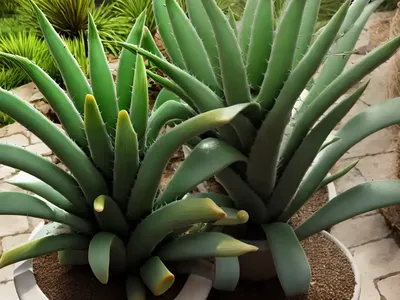
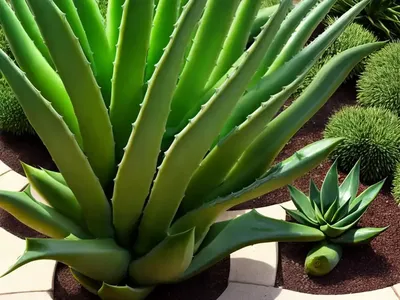
Green-flowered Aloe, scientifically known as Aloe viridiflora, is a stunning succulent with unique green flowers. This rare and fascinating plant is a.
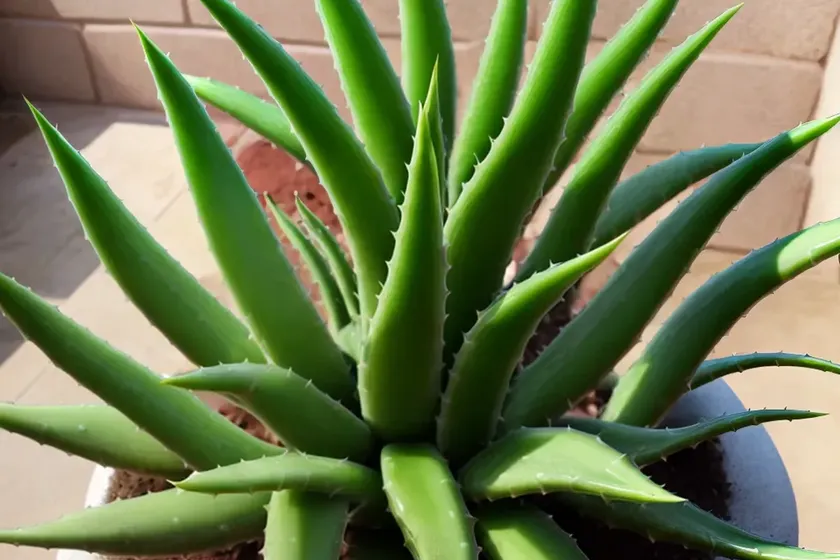
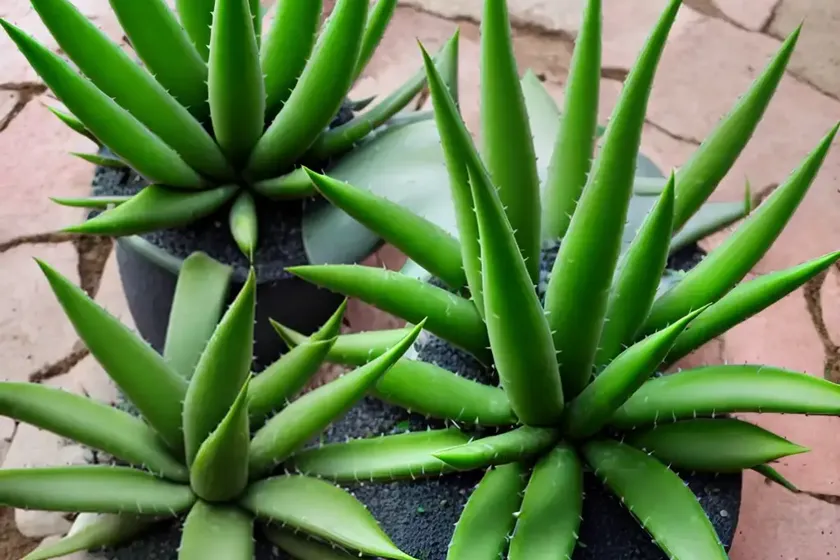
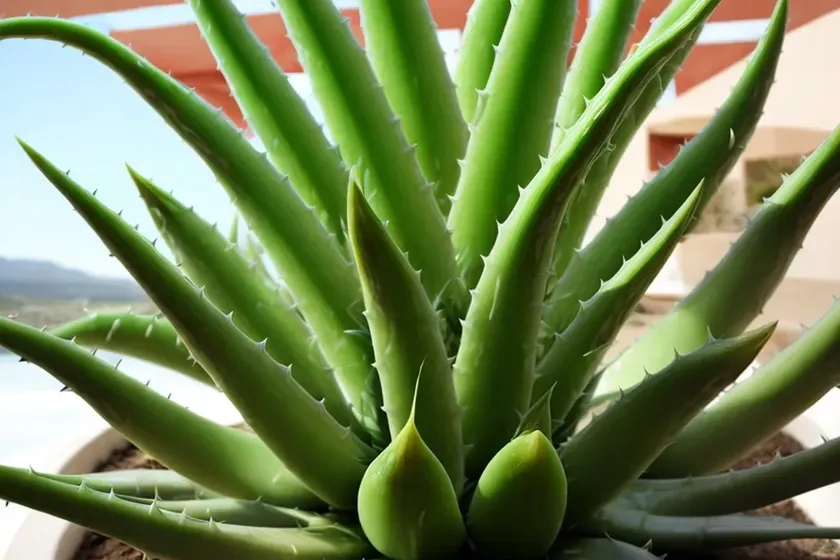
Green-flowered Aloe, scientifically known as Aloe viridiflora, is a stunning succulent with unique green flowers. This rare and fascinating plant is a must-have for any plant enthusiast, and it can be a beautiful addition to your indoor or outdoor garden. Discover more about Aloe viridiflora, its care requirements, and interesting facts in this comprehensive guide.
What is Aloe Viridiflora?
Green-flowered Aloe (Aloe viridiflora) is a species of aloe native to the Eastern Cape and KwaZulu-Natal provinces in South Africa. It is a slow-growing succulent with striking green flowers, adding a touch of natural elegance to any setting. This unique Aloe species belongs to the family Asphodelaceae and is closely related to other popular Aloe varieties such as Aloe vera and Aloe arborescens.
Aloe viridiflora has gained attention for its distinct flower color and its adaptability to various growing conditions, making it a sought-after choice for both indoor and outdoor gardens.
Key Takeaways – Green-flowered Aloe (Aloe Viridiflora)
- Scientific Classification: Aloe viridiflora
- Native Habitat: Eastern Cape and KwaZulu-Natal provinces, South Africa
- Distinct Feature: Green flowers
- Adaptability: Suitable for indoor and outdoor cultivation
- Growth Rate: Slow-growing succulent
Culture
Aloe viridiflora is a low-maintenance plant that thrives in arid to semi-arid conditions. Its unique appearance and minimal care requirements make it an excellent choice for both novice and experienced gardeners. Let’s explore the cultural aspects and care guidelines for this extraordinary succulent.
Uses
Green-flowered Aloe is grown for various purposes, including:
- Ornamental Purposes: Its eye-catching green flowers and attractive foliage make it a popular ornamental plant for gardens and landscaping.
- Medicinal Uses: Like many Aloe species, Aloe viridiflora may have potential medicinal properties due to its gel-filled leaves. Research into its specific health benefits is ongoing.
Water
Aloe viridiflora thrives in well-draining soil and should be watered sparingly. It is crucial to allow the soil to dry out between waterings to prevent root rot, a common issue with many succulents. During the growing season, which typically spans from spring to fall, water the plant when the top inch of the soil feels dry to the touch. In winter, reduce watering to prevent waterlogged conditions.
Sunlight
When it comes to sunlight requirements, Aloe viridiflora prefers bright, indirect light. It can also tolerate partial shade, making it suitable for indoor cultivation in well-lit areas. Avoid placing the plant in direct, intense sunlight, especially during the hottest part of the day, as this can lead to sunburn and leaf damage.
Fertilizer
Aloe viridiflora does not have high fertilizer needs. During the growing season, feed the plant with a balanced, diluted liquid fertilizer designed for succulents once a month. It is essential to follow the manufacturer’s recommendations for dilution and application to prevent over-fertilization, which can harm the plant.
Soil
The ideal soil for Green-flowered Aloe is a well-draining, gritty mix specifically formulated for succulents and cacti. Aloe viridiflora prefers slightly acidic to neutral soil with a pH range of 6.0 to 7.0. To improve soil drainage, consider adding perlite or coarse sand to the potting mix.
Pruning
Minimal pruning is necessary for Aloe viridiflora. Remove any dead or damaged leaves to maintain the plant’s appearance and overall health. When pruning, use clean, sharp tools to make precise cuts and reduce the risk of introducing diseases.
Propagation
Propagating Aloe viridiflora is relatively straightforward and can be achieved through offsets, also known as “pups,” or leaf cuttings. These methods allow you to expand your Aloe collection or share the plant with fellow gardening enthusiasts.
Container Popularity
Aloe viridiflora is well-suited for container gardening, making it a versatile option for individuals with limited outdoor space or those looking to cultivate an indoor oasis. The use of containers offers several advantages, including the ability to control growing conditions, facilitate mobility, and create stunning arrangements. When choosing a container for Aloe viridiflora, opt for a well-draining pot with ample drainage holes to prevent waterlogging.
Common Diseases
As with any plant, Aloe viridiflora is susceptible to certain diseases that can affect its growth and vitality. By understanding these common issues and their potential causes, you can take preventive measures to maintain the plant’s health.
Disease Diagnosis
- Fungal Infections: Overly moist conditions can lead to fungal diseases, such as root rot and leaf spot. Symptoms may include wilting, yellowing, or dark spots on the leaves.
- Bacterial Infections: Bacterial infections can cause soft rot and discoloration of the plant tissue. Proper sanitation and well-draining soil can help prevent these issues.
- Viral Diseases: Viruses can result in stunted growth, abnormal leaf patterns, and overall decline in plant health. Preventing the spread of viruses often involves controlling insect vectors and practicing good hygiene during pruning and propagation.
Understanding the signs and symptoms of these diseases can help you address any issues promptly and effectively.
Common Pests
While Aloe viridiflora is generally resilient to pest infestations, certain common pests may still pose a threat to its well-being. Being aware of these potential invaders can help you intervene early and protect your plant from significant damage.
Pests
- Aphids: These small, sap-sucking insects can colonize the new growth of Aloe viridiflora, causing distortion and yellowing of the affected plant parts.
- Mealybugs: Mealybugs are another common pest that may infest Aloe viridiflora, often congregating at leaf axils and the undersides of leaves. Their presence can lead to leaf yellowing and stunted growth.
- Spider Mites: These tiny arachnids can cause stippling and webbing on the leaves of Aloe viridiflora, particularly under dry and dusty conditions.
Regular monitoring of your plants and the implementation of preventive measures, such as maintaining proper humidity and cleanliness, can help deter these pests from establishing damaging populations.
Botanist’s Tips
As a botanist specializing in succulents, I’ve observed several essential tips for the successful cultivation of Aloe viridiflora. Incorporating these insights into your plant care routine can contribute to the long-term well-being and vitality of this unique Aloe species.
Tips
-
Monitor Watering Closely: Pay close attention to the plant’s watering needs, adjusting frequency based on environmental conditions and seasonal changes.
-
Provide Adequate Light: Aim to offer bright, indirect light for Aloe viridiflora, ensuring that it receives sufficient illumination for healthy growth.
-
Use Well-Draining Soil: Utilize a well-draining potting mix to prevent water accumulation around the plant’s roots and minimize the risk of fungal issues.
-
Observe for Pests and Diseases: Regularly inspect your Aloe viridiflora for any signs of pests or diseases, intervening promptly if any issues are detected.
By implementing these suggestions and staying attuned to your plant’s needs, you can foster a thriving and visually captivating Aloe viridiflora specimen.
Fun Facts
- Aloe viridiflora is a part of the diverse and fascinating genus Aloe, which includes over 500 species known for their resilience and unique ornamental features.
- Despite its slow growth rate, Aloe viridiflora can eventually reach a significant size, showcasing its remarkable adaptation to its native environment in South Africa.
- In its natural habitat, Aloe viridiflora contributes to the rich biodiversity of its surroundings, demonstrating its ecological importance beyond its aesthetic appeal.
As we continue to explore the captivating world of Aloe viridiflora, it’s vital to consider the various resources available to expand our knowledge and appreciation of this remarkable plant. Whether you’re seeking in-depth care guidelines, historical insights, or creative landscaping ideas, the following external resources can provide valuable information and inspiration:
Links to External Resources
- The American Horticultural Society Encyclopedia of Plants and Flowers
- The Royal Horticultural Society: Aloe Care Guide
- World of Succulents: Aloe Viridiflora Guide
- University of Florida IFAS Extension: Aloe Diseases
- North Carolina State University: Aloe Pest Management
These resources offer a wealth of information on Aloe viridiflora, including detailed care instructions, pest and disease management tips, and insights into the plant’s natural habitat and ecological significance.
In conclusion, Aloe viridiflora, with its striking green flowers and resilient nature, is a captivating addition to any plant collection. By embracing its unique characteristics and providing mindful care, you can cultivate a thriving and visually captivating Aloe specimen that brings joy and natural beauty to your living spaces. Whether you’re an experienced succulent enthusiast or a newcomer to the world of plant care, Aloe viridiflora offers endless opportunities for appreciation and exploration, making it a cherished plant for any gardening aficionado.