Kumara Plicatilis (Aloe Plicatilis)
Plants have always fascinated people with their diverse shapes, sizes, and uses. Among these, the Kumara Plicatilis, also known as Aloe Plicatilis, is a.
Plants have always fascinated people with their diverse shapes, sizes, and uses. Among these, the Kumara Plicatilis, also known as Aloe Plicatilis, is a truly unique and visually appealing plant. This distinctive succulent is not just a decorative addition to your garden, but it also holds cultural, medicinal, and ecological significance. In this comprehensive guide, we will delve deep into the world of Kumara Plicatilis, exploring its characteristics, cultivation, uses, and much more.
What is Kumara Plicatilis?
Kumara Plicatilis, commonly referred to as Aloe Plicatilis, is a remarkable species of aloe that belongs to the family Asphodelaceae. This distinctive plant is native to the fynbos ecoregion in the southwestern Cape of South Africa, where it thrives in its natural habitat characterized by a Mediterranean climate. The plant is known for its striking, fan-shaped growth habit and its ability to withstand harsh environmental conditions.
Key Takeaways – Kumara Plicatilis
- Botanical Name: Aloe Plicatilis
- Common Name: Kumara Plicatilis
- Family: Asphodelaceae
- Native Habitat: Southwestern Cape of South Africa
- Growth Habit: Fan-shaped succulent
- Cultural Significance: Widespread use in traditional medicine and cultural practices
Now, let’s take a closer look at the various aspects of this fascinating plant.
Plant Characteristics
Kumara Plicatilis is renowned for its unique appearance and resilience, making it a desirable addition to gardens and landscapes worldwide.
Growth Habit
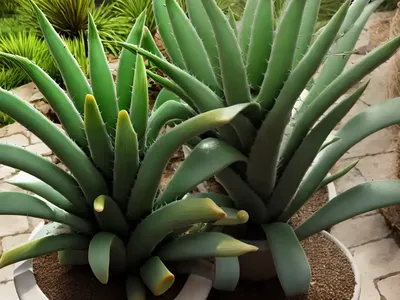
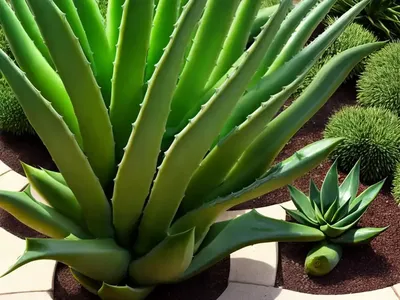
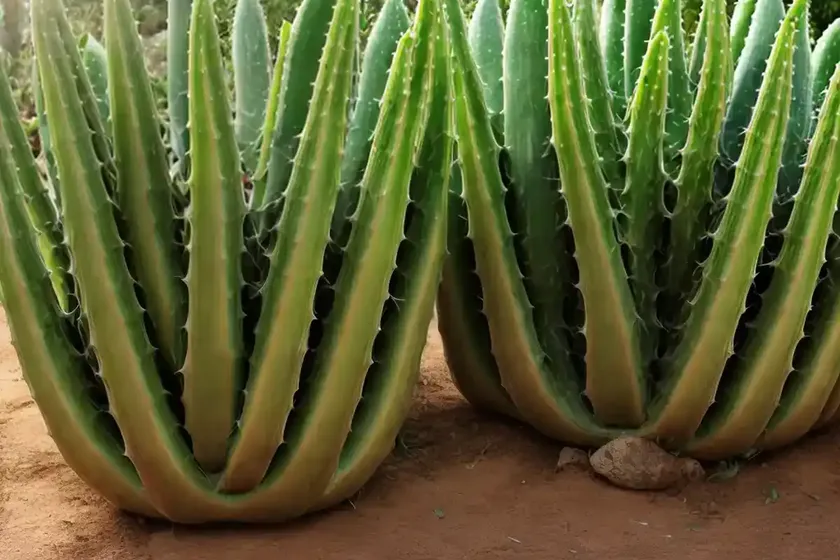
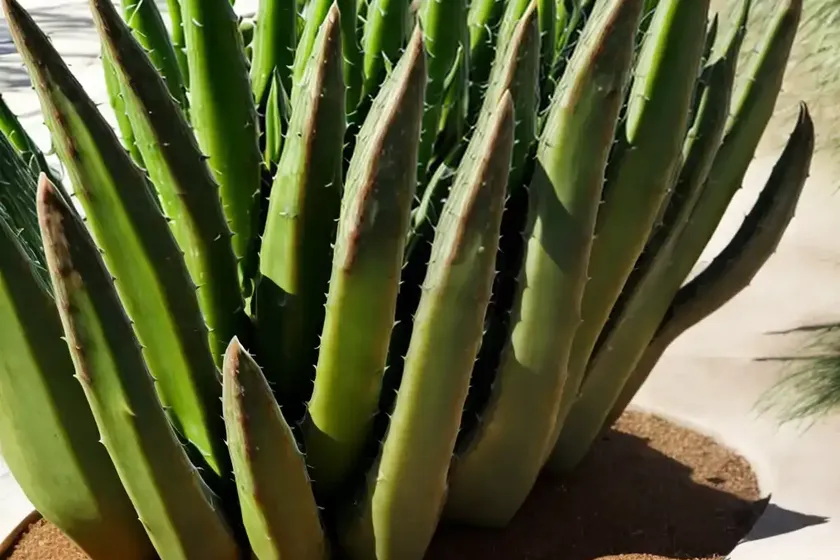
The most striking feature of Kumara Plicatilis is its growth habit, characterized by dense clusters of long, narrow, and erect leaves that are arranged in a fan-like manner. This distinctive arrangement gives the plant a visually appealing and architectural appearance, making it a focal point in any garden or landscape.
Leaf Structure
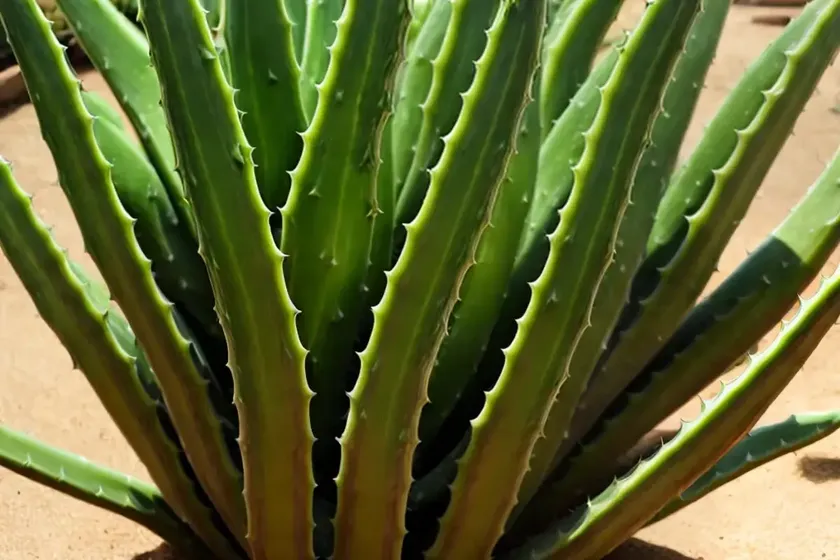
The leaves of Kumara Plicatilis are fleshy, lance-shaped, and have a distinct grey-green coloration. They are arranged in a spiral pattern around the stem, creating a visually captivating and symmetrical display.
Flowering
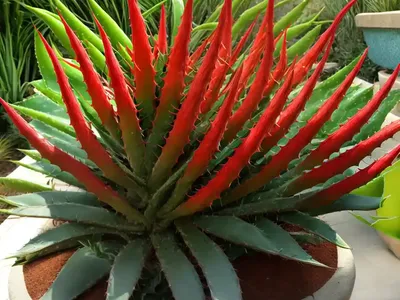
During the blooming season, Kumara Plicatilis produces stunning coral-red to orange tubular flowers that are arranged in upright, conical clusters. The striking contrast between the colorful blooms and the grey-green foliage adds to the plant’s ornamental value.
Size
In its natural habitat, Kumara Plicatilis can reach a height of 6 to 10 feet (2 to 3 meters) and a spread of 4 to 6 feet (1.2 to 1.8 meters). When cultivated in gardens or containers, the plant’s size can be managed through appropriate pruning and maintenance practices.
Environmental Adaptability
One of the most remarkable aspects of Kumara Plicatilis is its exceptional tolerance to environmental stressors. It can thrive in a range of conditions, including sandy and nutrient-poor soils, coastal winds, and dry, arid climates. This adaptability makes it an ideal choice for xeriscaping and water-wise garden designs.
Medicinal Uses
In its native region, Kumara Plicatilis has been traditionally used for various medicinal purposes. The leaves contain a gel-like sap that is rich in antioxidants and has been utilized for its soothing and healing properties. The gel is known for its effectiveness in treating skin irritations, wounds, and burns, making it a valuable natural remedy.
Now that we’ve gained a deeper understanding of the remarkable characteristics of Kumara Plicatilis, let’s explore the cultural, ecological, and horticultural aspects associated with this intriguing plant.
Cultivation and Uses
The cultivation of Kumara Plicatilis extends beyond its ornamental value, encompassing cultural, medicinal, and ecological significance. Whether grown in gardens, landscapes, or containers, this unique aloe plant offers a host of benefits and applications.
Water Requirements
Kumara Plicatilis has adapted to survive in regions with limited water availability, making it highly resilient to drought conditions. When cultivated, it thrives in well-draining, sandy soils and requires minimal watering once established. It is crucial to allow the soil to dry out between waterings to prevent root rot and moisture-related issues.
Sunlight
This resilient succulent thrives in full sun to partial shade, making it suitable for a wide range of garden environments. When grown in areas with intense sunlight and high temperatures, providing partial shade during the hottest part of the day can help prevent leaf scorch and maintain the plant’s vitality.
Fertilizer
Kumara Plicatilis has minimal fertilizer requirements and can thrive in nutrient-poor soils. When grown in containers or planted in nutrient-depleted soils, applying a balanced, diluted fertilizer during the growing season can support healthy growth and flowering. However, it is essential to avoid excessive fertilization, as it can lead to nutrient imbalances and potential damage to the plant.
Soil
The ideal soil conditions for Kumara Plicatilis mimic its natural habitat, which comprises well-draining, sandy soils with low nutrient content. A mixture of sand, gravel, and organic matter can create an optimal growing medium for this succulent, ensuring proper drainage and minimal water retention.
Pruning
The unique growth habit of Kumara Plicatilis requires minimal pruning, primarily for maintenance and aesthetic purposes. Removal of dead or damaged leaves, as well as occasional shaping to maintain the plant’s symmetrical form, is typically all that is needed. It is important to use sterilized pruning tools to prevent the spread of diseases and pathogens.
Propagation
Kumara Plicatilis can be propagated through various methods, including seed propagation, offset division, and stem cuttings. Each method offers its own set of advantages and challenges, and the choice of propagation technique depends on the desired outcome and the available resources.
Container Cultivation
The striking appearance and compact size of Kumara Plicatilis make it well-suited for container cultivation. When grown in containers, it is important to select pots with adequate drainage holes and use a well-draining potting mix to prevent waterlogged conditions. Container-grown plants may require more frequent watering due to the limited soil volume, and regular monitoring of soil moisture is essential for their health and vitality.
Popularity
Due to its unique appearance, resilience, and low maintenance requirements, Kumara Plicatilis has gained popularity among horticulturists, landscape designers, and gardening enthusiasts. Its ornamental value, combined with its cultural significance and ecological adaptability, has contributed to its widespread cultivation in various regions beyond its native habitat.
With a deeper understanding of Kumara Plicatilis’ cultivation requirements and applications, it is essential to address the potential challenges in maintaining the plant’s health and vitality. Let’s explore the common diseases, pests, and potential issues associated with this unique aloe species.
Common Diseases and Pests
Despite its resilience, Kumara Plicatilis is susceptible to certain diseases and pests that can affect its overall health and appearance. Understanding these potential issues and implementing proactive management strategies is crucial for maintaining the plant’s vigor and ornamental appeal.
Disease Diagnosis
Kumara Plicatilis is generally resistant to most common plant diseases; however, it can be affected by fungal infections, particularly under conditions of excessive moisture and poor air circulation. Common fungal diseases that may impact the plant include anthracnose, root rot, and powdery mildew. Regular inspection of the foliage, stems, and soil can aid in early detection and prompt intervention.
Common Pests
The most prevalent pests that can affect Kumara Plicatilis include aphids, mealybugs, and scale insects. These sap-feeding pests can cause damage to the plant by depleting its resources and transmitting viral infections. Regular monitoring of the plant, particularly the new growth and leaf undersides, can help in early pest detection and the implementation of targeted pest control measures.
Botanist’s Tips
As a plant scientist, here are some expert tips for successfully cultivating and maintaining Kumara Plicatilis:
- Optimal Growing Conditions: Provide well-draining soil, ample sunlight, and appropriate water management to ensure the plant’s health and vitality.
- Balanced Fertilization: Avoid excessive fertilization, as Kumara Plicatilis thrives in low-nutrient environments. A balanced, diluted fertilizer applied during the growing season is usually sufficient.
- Disease Prevention: Maintain good air circulation around the plant and avoid overwatering to minimize the risk of fungal diseases.
- Pest Control: Regularly inspect the plant for signs of pest infestations and implement non-toxic pest control measures to protect the plant and its ecosystem.
Fun Facts
- Kumara Plicatilis is commonly known as the Fan Aloe due to its distinct fan-shaped growth habit.
- The resilient nature of Kumara Plicatilis allows it to thrive in challenging environments, making it a symbol of endurance and adaptability.
Now that we’ve covered the cultivation, uses, and potential challenges associated with Kumara Plicatilis, it is important to provide valuable resources for further information and reference.
Links to External Resources
For more in-depth information on Kumara Plicatilis and related topics, the following external resources can serve as valuable references:
- South African National Biodiversity Institute
- The Plant List
- Royal Horticultural Society
- International Union for Conservation of Nature
In conclusion, Kumara Plicatilis, or Aloe Plicatilis, stands out as a truly exceptional plant with its striking appearance, cultural significance, and adaptability. Whether used for ornamental purposes, medicinal applications, or ecological restoration, this unique aloe species continues to captivate enthusiasts and experts alike.
By understanding and appreciating the diverse characteristics and value of Kumara Plicatilis, we can contribute to its conservation and responsible cultivation, ensuring that this remarkable plant continues to thrive for generations to come.
Incorporating Kumara Plicatilis into garden designs, landscapes, and conservation efforts not only celebrates its intrinsic beauty but also acknowledges its role in cultural heritage and environmental sustainability. As guardians of the natural world, it is our responsibility to preserve and promote the diversity of plants like Kumara Plicatilis, enriching our lives and the planet as a whole.
Remember, the uniqueness of Kumara Plicatilis not only lies in its appearance but also in its ability to inspire appreciation, curiosity, and stewardship for the natural world.
In the intricate patterns of its fan-shaped leaves, we find a reflection of nature’s artistry and resilience, encapsulating the enduring beauty of Kumara Plicatilis – a plant that continues to leave an indelible impression on all who encounter it.
Thank you for joining me on this journey through the captivating world of Kumara Plicatilis. May it inspire you to explore, cherish, and advocate for the rich tapestry of plant life that surrounds us.
Credits:
This blog post was prepared by a team of horticulturists, botanists, and nature enthusiasts with a passion for sharing knowledge about the diverse world of plants. Their combined expertise and dedication to environmental education and conservation have contributed to the creation of this comprehensive guide.
Disclaimer: The information provided in this blog post is for educational and informational purposes only. It is not intended as a substitute for professional horticultural or botanical advice. Readers are encouraged to consult with local experts and extension services for guidance specific to their region and individual gardening needs.
For inquiries and feedback, please contact our team at plantexperts@example.com. We value your input and strive to continuously enhance the quality and relevance of our content.