Delosperma Cooperi (Ice Plant)
As a plant scientist, I’ve had the privilege of studying and understanding the multitude of benefits that various plant species bring to our lives. Today.
As a plant scientist, I’ve had the privilege of studying and understanding the multitude of benefits that various plant species bring to our lives. Today, let’s delve into the world of Delosperma cooperi, commonly known as the Ice Plant. This hardy and versatile succulent is a popular choice for landscapes, rock gardens, and containers due to its beautiful flowers and low maintenance requirements. In this comprehensive guide, we will explore the cultural significance, uses, care requirements, propagation methods, common diseases, and fascinating facts about Delosperma cooperi.
What is Delosperma cooperi?
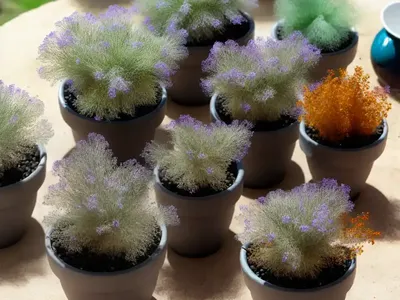
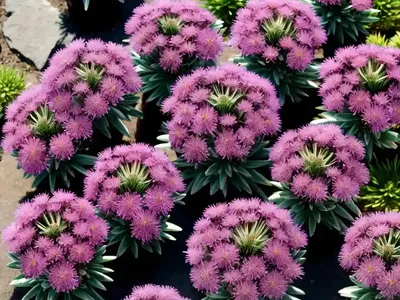
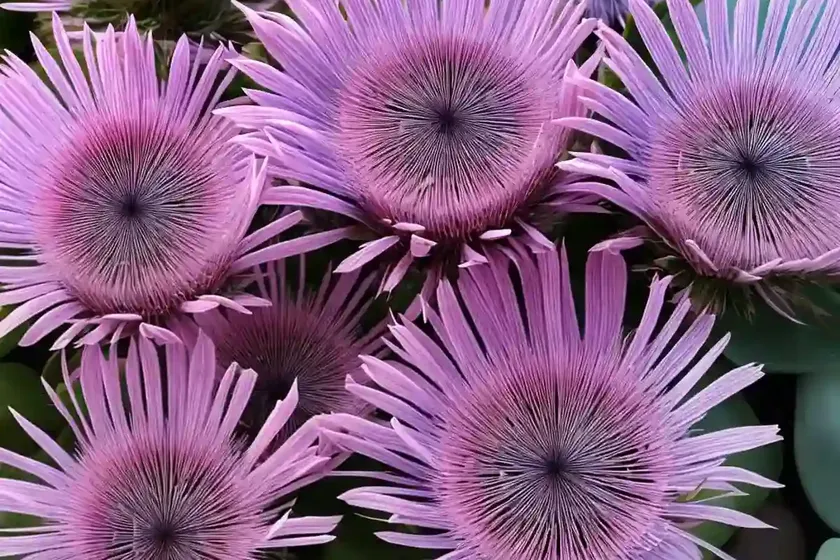
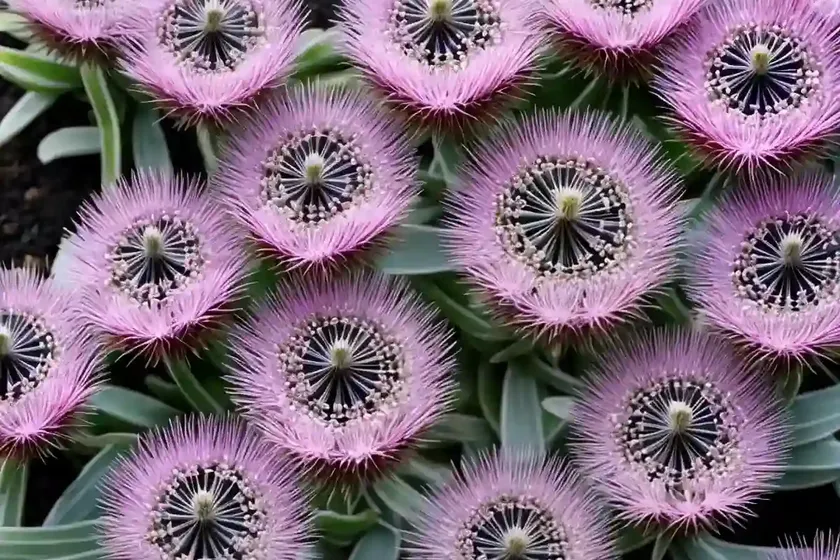
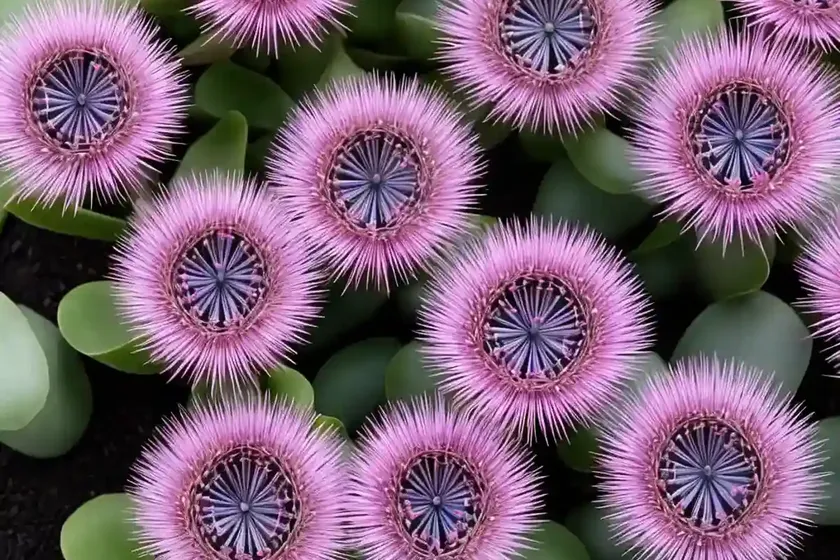
Delosperma cooperi, also known as the Ice Plant, is a perennial flowering succulent native to South Africa. It belongs to the family Aizoaceae and is renowned for its vibrant, daisy-like flowers and fleshy, green foliage. The name “Ice Plant” is derived from the glistening appearance of its leaves, which resemble ice crystals.
Key Takeaways – Delosperma cooperi (Ice Plant)
Before delving into the intricacies of caring for Delosperma cooperi, let’s summarize the key takeaways related to this fascinating plant:
- Scientific Name: Delosperma cooperi
- Common Name: Ice Plant
- Family: Aizoaceae
- Native Habitat: South Africa
- Plant Type: Perennial succulent
- Notable Characteristics: Vibrant flowers, fleshy green foliage, and drought tolerance
Now, let’s explore the various aspects of this captivating plant in more detail.
Culture
Understanding the cultural significance of Delosperma cooperi is crucial in appreciating its role in different societies and environments. The plant holds substantial cultural significance in South Africa, where it originates. Indigenous communities have traditionally used various species of Delosperma for medicinal and ornamental purposes.
Uses
Historically, the Ice Plant has been utilized for its medicinal properties, including the treatment of digestive issues and skin ailments. This highlights the plant’s significance in traditional healing practices. Additionally, the vibrant flowers and evergreen foliage contribute to its ornamental use in gardens and landscapes around the world.
Care Requirements
Delosperma cooperi is renowned for its ability to thrive in diverse environmental conditions. Understanding its water, sunlight, fertilizer, soil, and pruning requirements is essential for successfully cultivating this resilient plant.
Water
One of the key attributes of Delosperma cooperi is its impressive drought tolerance. While it can survive with minimal water, it’s important to provide adequate moisture during the growing season, especially in hot and arid climates. Once established, the plant requires infrequent watering, making it an excellent choice for xeriscaping and water-wise gardening.
Sunlight
The Ice Plant thrives in full sunlight and well-drained soils. It exhibits remarkable heat tolerance, making it suitable for regions with intense sun exposure. When planted in a location with ample sunlight, Delosperma cooperi rewards gardeners with an abundance of colorful flowers throughout the flowering season.
Fertilizer
Due to its adaptability to nutrient-poor soils, Delosperma cooperi generally does not require frequent fertilization. However, applying a balanced, low-nitrogen fertilizer sparingly during the growing season can promote healthy growth and blooming.
Soil
The Ice Plant prefers well-drained, sandy or gravelly soils. It is crucial to avoid waterlogged conditions, as this can lead to root rot. A mixture of sandy soil and gravel provides the optimal growing medium for Delosperma cooperi, mimicking its natural habitat in rocky outcrops and slopes.
Pruning
Pruning requirements for Delosperma cooperi are minimal. Deadheading spent flowers can encourage continuous blooming and maintain a tidy appearance. Additionally, removing any damaged or withered stems promotes overall plant health.
Propagation
Understanding the propagation methods of Delosperma cooperi is valuable for expanding its presence in gardens and landscapes. The plant can be propagated through various techniques, including division, stem cuttings, and seeds.
Division
Dividing mature Ice Plants is a common method of propagation. This involves separating the plant into smaller sections and replanting them to establish new colonies. Division is best performed in early spring to allow the individual segments to establish roots before the onset of hot weather.
Stem Cuttings
Taking stem cuttings from healthy Delosperma cooperi plants offers another effective means of propagation. By placing the cuttings in a well-draining substrate and maintaining adequate moisture, new roots develop, leading to the establishment of new plants.
Seeds
Collecting and sowing seeds from mature Ice Plants is a straightforward method of propagation. The seeds require well-drained soil and consistent moisture to germinate successfully. This approach allows for the cultivation of new varieties and adds to the genetic diversity of Delosperma cooperi populations.
Container Popularity
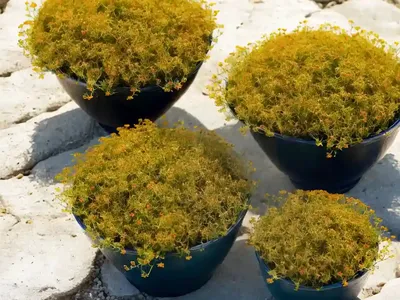
Delosperma cooperi’s adaptability and visually appealing attributes make it a popular choice for container gardening. Its tolerance to drought and heat, combined with its low maintenance requirements, make it well-suited for container cultivation, providing versatility in various outdoor spaces and climates.
Container Common Diseases
While Delosperma cooperi exhibits resilience to environmental stressors, it is susceptible to a few common diseases that can affect its health and vigor. Understanding these diseases, their diagnosis, and management is vital for maintaining the plant’s well-being.
Disease Diagnosis
Two common diseases that affect Delosperma cooperi are fungal infections, such as powdery mildew and root rot. Powdery mildew manifests as white, powdery growth on the leaves, while root rot presents as decay and discoloration of the plant’s roots. Regular monitoring and prompt action are crucial in diagnosing and managing these diseases effectively.
Common Pests
In addition to diseases, Delosperma cooperi can face challenges from common pests, including aphids and spider mites. These pests can cause damage to the plant by feeding on its sap, leading to stunted growth and reduced flowering.
Botanist’s Tips
As a plant scientist, I recommend implementing integrated pest management strategies to address common pests and diseases affecting Delosperma cooperi. This approach emphasizes cultural, biological, and mechanical control methods before resorting to chemical interventions, ensuring the plant’s ecological balance and long-term health.
Fun Facts
- Delosperma cooperi is a pollinator-friendly plant, attracting bees, butterflies, and other beneficial insects with its vibrant flowers.
- The Ice Plant is often used for erosion control due to its spreading habit and ability to form dense mats, stabilizing soil and preventing erosion.
- In its native habitat, Delosperma cooperi can be found growing in rocky outcrops, providing valuable insights into its preferred soil preferences and resilience to harsh conditions.
Now that we have covered the cultural significance, uses, care requirements, propagation methods, common diseases, and fun facts about Delosperma cooperi, let’s explore additional insights and practical tips for cultivating and appreciating this remarkable plant.
Links to External Resources
To further enrich your understanding of Delosperma cooperi and its cultivation, explore the following external resources:
- Delosperma cooperi Cultivation Guide
- Ice Plant: A Drought-Tolerant Ground Cover
- Delosperma cooperi: Planting and Care Tips
- Managing Pests and Diseases in Ice Plants
- Rock Garden Design Ideas with Delosperma cooperi
By exploring these resources, you can enhance your knowledge of Delosperma cooperi and cultivate a deeper appreciation for its unique characteristics and diverse applications in horticulture and landscaping.
In conclusion, Delosperma cooperi, or the Ice Plant, embodies resilience, beauty, and ecological significance, making it a valuable addition to gardens, landscapes, and conservation efforts. Understanding and celebrating the cultural and botanical richness of this remarkable plant contributes to its conservation and sustainable use. I hope this comprehensive guide has provided valuable insights and practical guidelines for cultivating, appreciating, and conserving Delosperma cooperi, and I encourage you to explore the fascinating world of plants with curiosity and admiration.
Remember, every plant has a story to tell, and by delving into their diverse narratives, we enrich our understanding of the natural world and our interconnectedness with it. Happy gardening, and may the vibrant blooms of Delosperma cooperi inspire and uplift your green spaces!
For more information on Delosperma cooperi and other fascinating plant species, stay tuned for upcoming articles and insights from the world of plant science!