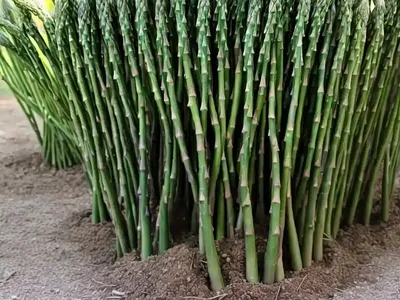
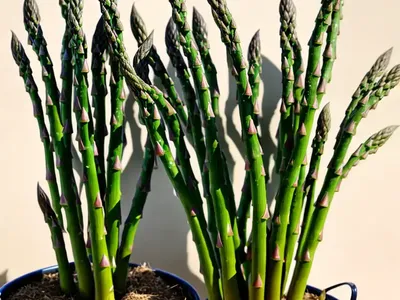
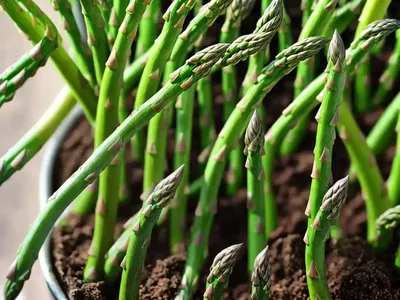
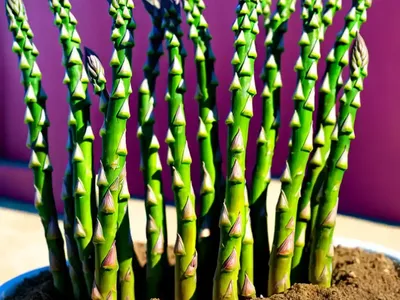
Asparagus Fern (Asparagus Setaceus)
Introduction Plants have always been an integral part of the natural world, providing us with vital resources and enhancing the aesthetic appeal of our.
Introduction
Plants have always been an integral part of the natural world, providing us with vital resources and enhancing the aesthetic appeal of our surroundings. One such plant that has captivated the attention of plant enthusiasts and horticulturists alike is the Asparagus Fern (Asparagus Setaceus). This remarkable plant is not only visually appealing but also holds cultural significance and a myriad of practical uses.
In this comprehensive guide, we will delve into the captivating characteristics, care requirements, common uses, potential issues, and interesting facts about the Asparagus Fern. Whether you are a seasoned plant enthusiast or a novice in the realm of horticulture, this guide will equip you with the knowledge and insights to appreciate and nurture this versatile plant.
What is the Asparagus Fern (Asparagus Setaceus)?
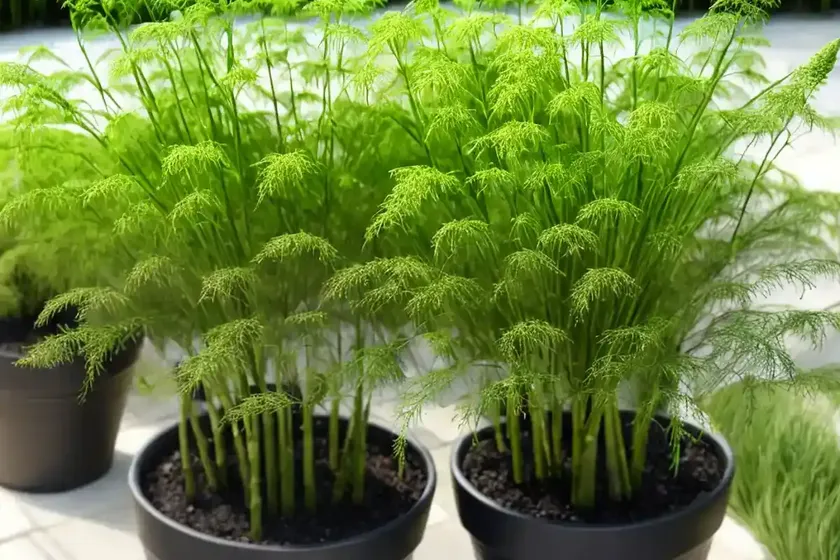
The Asparagus Fern, scientifically known as Asparagus Setaceus, is a flowering plant species in the family Asparagaceae. Despite its common name, it is not a true fern but rather a member of the asparagus family. Originating from South Africa, this perennial plant is renowned for its delicate and feathery foliage, which resembles the appearance of a typical fern.
In its natural habitat, the Asparagus Fern is a climbing or trailing plant that thrives in tropical and subtropical regions. It is characterized by its wiry, arching stems that bear numerous clusters of needle-like leaves, creating an elegant and lacy appearance. The plant has adapted to a variety of environmental conditions, contributing to its widespread cultivation as an ornamental plant around the world.
Key Takeaways – Asparagus Fern (Asparagus Setaceus)
Before we delve into the specific care and cultivation requirements of the Asparagus Fern, let’s explore the key takeaways that will serve as a foundation for our comprehensive guide. These takeaways will encompass the cultural significance, common uses, and essential care aspects of this versatile plant, paving the way for a deeper understanding of its nature and requirements.
Cultural Significance
- The Asparagus Fern has garnered cultural significance in various societies, often symbolizing traits such as resilience, longevity, and harmony.
- In some cultures, the plant is associated with good fortune and is included in traditional rituals and ceremonies.
Common Uses
- As an ornamental plant, the Asparagus Fern is widely used for interior decoration, landscaping, and floral arrangements.
- Its lacy and delicate foliage adds an ethereal charm to the surroundings, making it a popular choice for both indoor and outdoor settings.
Essential Care Aspects
- Water: The Asparagus Fern requires consistent and moderate watering, ensuring that the soil remains evenly moist without being waterlogged.
- Sunlight: It thrives in bright, indirect light and can tolerate partial shade, making it adaptable to various light conditions.
- Fertilizer: Periodic fertilization during the growing season supports healthy growth and foliage development.
- Soil: Well-draining and nutrient-rich soil is essential for the Asparagus Fern, promoting robust growth and vitality.
Culture
The cultural significance of the Asparagus Fern spans across various traditions and societies, where it holds symbolic value and plays a significant role in rituals and practices. Let’s explore the cultural context of this remarkable plant and its impact on different cultures.
Symbolism and Traditions
- Resilience: The Asparagus Fern is often associated with resilience and endurance due to its ability to thrive in diverse environmental conditions.
- Longevity: In some cultures, the plant symbolizes longevity and prosperity, making it a favored choice for gifts and ceremonial decorations.
- Harmony and Balance: Its graceful and delicate appearance is linked to the concept of harmony and balance in nature, influencing its portrayal in art and folklore.
Traditional Practices
- Ceremonial Decorations: The Asparagus Fern is prominently featured in ceremonial settings, including weddings, religious ceremonies, and festive celebrations, where its lush foliage embodies vitality and prosperity.
- Healing and Wellness: Some traditional medicinal practices incorporate the use of the Asparagus Fern for its perceived healing properties, attributing it to various therapeutic benefits.
Uses
The versatility of the Asparagus Fern extends beyond its ornamental value, encompassing a range of practical and aesthetic uses in diverse settings. Whether as a decorative element in interior design or a key component of landscaping projects, the plant offers multifaceted applications that enrich its significance in horticulture and aesthetics.
Interior Decoration
- Houseplants: As a popular indoor plant, the Asparagus Fern complements a wide range of interior styles, adding a touch of elegance and greenery to living spaces.
- Hanging Baskets: Its trailing growth habit makes it an ideal candidate for hanging baskets, cascading gracefully and infusing vertical spaces with natural beauty.
- Office Environments: The plant’s adaptability to low-light conditions and air-purifying qualities renders it suitable for office environments, contributing to a healthier and more vibrant workspace.
Landscaping and Floral Arrangements
- Garden Borders: In outdoor landscapes, the Asparagus Fern serves as a dynamic element for garden borders, providing texture and visual interest.
- Floral Displays: Its lush foliage is a sought-after component in floral arrangements, adding a whimsical and airy quality to bouquets and centerpieces.
Water
Proper watering is essential for the health and vitality of the Asparagus Fern, as it directly impacts its growth, foliage quality, and overall well-being. Understanding the water requirements and best practices for watering the plant is crucial in maintaining its optimal health.
Watering Requirements
- Moderate Moisture: The Asparagus Fern thrives in moderately moist soil, requiring consistent watering to keep the soil evenly hydrated.
- Avoid Waterlogging: Overwatering should be avoided, as it can lead to root rot and other moisture-related issues. Adequate drainage is crucial for preventing waterlogged soil.
- Drying Out: While the plant prefers consistent moisture, it can tolerate brief periods of slight drying between watering sessions. However, prolonged drought can negatively affect its health and vigor.
Watering Practices
- Soil Assessment: Regularly check the moisture level of the soil by performing a simple touch test to gauge the need for watering.
- Watering Frequency: Depending on environmental conditions and the season, the Asparagus Fern may require watering approximately once or twice a week, adjusting as needed to maintain optimal moisture levels.
- Water Quality: Use room-temperature or lukewarm water to avoid shocking the plant with excessively cold or warm water. Additionally, distilled or filtered water can help mitigate the accumulation of mineral deposits in the soil.
Sunlight
Light is a fundamental requirement for the growth and development of plants, and the Asparagus Fern is no exception. Understanding its sunlight preferences and adapting to its light requirements is essential for ensuring robust growth and vibrant foliage.
Light Preferences
- Indirect Light: The Asparagus Fern thrives in bright, indirect light, making it well-suited for locations with ample natural illumination but limited direct sunlight exposure.
- Partial Shade Tolerance: While it favors bright light conditions, the plant can adapt to partial shade, displaying resilience in environments with varying light intensities.
- Avoid Direct Sun: Direct sunlight exposure, especially during the peak of the day, should be minimized to prevent leaf scorching and stress to the plant.
Light Management
- Placement Considerations: Select interior and exterior locations that offer bright, indirect light, such as near east-facing or north-facing windows indoors and sheltered spots in outdoor settings.
- Seasonal Adjustments: During the summer months, providing some morning sunlight can be beneficial, while in winter, ensuring adequate light exposure becomes particularly crucial due to reduced daylight hours.
Supplemental Lighting
- Indoor Environments: In situations where natural light is limited, supplemental grow lights can supplement the Asparagus Fern’s light requirements, particularly during the darker months of the year.
- Light Duration: Aim for approximately 12-14 hours of total light exposure for indoor plants using grow lights, mimicking natural daylight patterns to promote healthy growth.
Fertilizer
Nutrient supplementation through fertilization plays a pivotal role in supporting the growth, vigor, and foliage quality of the Asparagus Fern. By understanding the fertilization needs and best practices, you can optimize the plant’s nutrient intake and fortify its overall health.
Fertilization Requirements
- Balanced Fertilizer: Use a well-balanced, water-soluble fertilizer with an N-P-K (nitrogen, phosphorus, potassium) ratio of approximately 20-20-20 or similar formulation.
- Frequency: During the growing season, apply a diluted fertilizer solution every 4-6 weeks to provide the plant with essential nutrients for robust growth.
- Avoid Overfertilization: Excessive fertilization can lead to salt buildup in the soil and cause damage to the plant’s delicate roots. Adhering to a regular, moderate fertilization schedule is crucial for avoiding nutrient imbalances.
Application Practices
- Dilution Ratio: Follow the manufacturer’s instructions for diluting the fertilizer, typically using half or quarter strength to prevent overwhelming the plant with concentrated nutrients.
- Watering After Fertilization: After applying the fertilizer solution, water the plant thoroughly to facilitate the distribution of nutrients throughout the soil and root system.
Soil
The choice of soil and its composition greatly influences the overall health and vitality of the Asparagus Fern. Providing a suitable growing medium that offers adequate drainage, aeration, and nutrient retention is fundamental in supporting the plant’s root development and resilience.
Soil Composition
- Well-Draining Mix: Utilize a well-draining potting mix that combines components such as peat moss, perlite, and coarse sand to promote efficient water drainage and prevent soil compaction.
- pH Level: Aim for a slightly acidic to neutral pH level, typically between 5.5 to 7.0, to create an optimal environment for nutrient uptake and root health.
- Nutrient-Rich Substrate: Incorporating organic matter, such as compost or aged manure, enhances the soil’s fertility and provides a source of essential nutrients for the plant.
Container Considerations
- Container Size: Select a container with adequate drainage holes and a size that accommodates the plant’s root system comfortably, allowing for unrestricted growth and stability.
- Potting Technique: When repotting or transplanting, ensure that the root ball is positioned at the same depth as its previous container, maintaining optimal soil level for the plant.
Pruning
Pruning is a valuable maintenance practice that not only enhances the aesthetic appeal of the Asparagus Fern but also contributes to its overall health and vitality. By understanding the principles of pruning and implementing proper techniques, you can effectively manage the plant’s growth and appearance.
Pruning Objectives
- Shape and Form: Pruning helps maintain the desired shape and form of the plant, preventing excessive sprawling and promoting a more compact and tidy growth habit.
- Dead and Damaged Material: Removing dead or damaged foliage and stems reduces the risk of disease spread and enhances the plant’s visual appeal.
- Vigorous Growth Control: Trimming back excessive growth and controlling sprawling tendencies through selective pruning maintains the plant’s overall vigor and appearance.
Pruning Techniques
- Sterilized Tools: Use clean and sterilized pruning shears or scissors to minimize the risk of transmitting diseases or infections to the plant during the pruning process.
- Precision Cuts: Make precise and clean cuts at a slight angle, avoiding jagged edges and ensuring proper healing of the pruning wounds.
- Timing: Prune the Asparagus Fern during the active growing season, typically in spring or early summer, allowing sufficient time for the plant to recover and regrow following the pruning session.
Propagation
The propagation of the Asparagus Fern offers an exciting opportunity to expand your plant collection and share the beauty of this species with others. By exploring the various propagation methods and techniques, you can propagate the plant successfully and nurture new specimens with confidence.
Propagation Methods
- Division: Divide mature plants into smaller sections, ensuring that each division possesses healthy roots and foliage for independent growth.
- Offsets: Offsets, or side shoots that emerge from the base of the plant, can be carefully separated and transplanted to new containers or growing locations.
- Rhizome Cuttings: Propagate the Asparagus Fern by taking rhizome cuttings with several nodal points, which serve as potential sites for root and shoot development.
Propagation Environment
- Warm and Humid Conditions: Provide a warm and humid environment for newly propagated cuttings to promote root establishment and minimize moisture stress.
- Indirect Light: Shield the propagated cuttings from direct sunlight, as they are more sensitive to intense light exposure during the initial rooting phase.
Container
The Asparagus Fern is well-suited for container cultivation, offering versatility and adaptability to various indoor and outdoor settings. Selecting an appropriate container and implementing effective container care practices are essential for fostering optimal growth and longevity.
Container Selection
- Drainage Holes: Choose containers with adequate drainage holes to prevent water accumulation and maintain soil aeration, reducing the risk of root rot.
- Size Considerations: Select a container that accommodates the plant’s root system with some room for growth, avoiding excessively large or restrictive containers.
- Material Choice: Consider lightweight and durable materials such as plastic, fiberglass, or terracotta, balancing practicality with aesthetic appeal.
Container Care
- Watering Management: Monitor the soil moisture consistently and adjust the watering frequency based on the container’s size, material, and environmental conditions.
- Seasonal Considerations: In regions with distinct seasons, protect outdoor containers from temperature extremes and frost during the winter months, safeguarding the plant’s well-being.
- Repotting: Periodically assess the container size and the plant’s growth, repotting the Asparagus Fern as needed to prevent root congestion and encourage healthy development.
Popularity
The widespread popularity of the Asparagus Fern stems from its alluring visual appeal, adaptability to diverse environments, and multifaceted uses in both ornamental and practical contexts. Examining the factors contributing to its popularity sheds light on its enduring charm in the realm of horticulture and interior design.
Ornamental Allure
- Graceful Foliage: The plant’s delicate and feathery foliage exudes an ethereal charm, elevating its visual appeal and making it a favored choice for floral arrangements and interior decor.
- Versatile Growth Habit: Its trailing growth habit and lush foliage enable it to thrive in hanging baskets, terrariums, and container gardens, expanding its potential applications in versatile settings.
Adaptability
- Indoor Versatility: A resilient nature and a tolerance for indoor conditions make the Asparagus Fern an ideal choice for houseplant enthusiasts, effortlessly enhancing interior spaces with its greenery.
- Outdoor Elegance: In outdoor landscapes, the plant contributes to the lushness of garden borders and hanging displays, infusing natural beauty into exterior environments.
Common Diseases
While the Asparagus Fern exhibits resilience against many environmental stressors, it is susceptible to certain diseases that can impact its health and vitality. Familiarizing yourself with common diseases and their corresponding management strategies is crucial for safeguarding the plant’s well-being.
Fusarium Root Rot
- Symptoms: Yellowing and wilting of foliage, stunted growth, and decay of root system.
- Management: Improve soil drainage, avoid overwatering, and consider fungicidal treatments to address severe infestations.
Botrytis Blight
- Symptoms: Grayish mold on foliage, wilting, and browning of affected plant parts.
- Management: Remove and discard diseased foliage, improve air circulation, and apply appropriate fungicidal measures as necessary.
Scale Insects
- Symptoms: Presence of small, brown or tan scale insects on stems and foliage, accompanied by honeydew secretion and sooty mold development.
- Management: Intervene with horticultural oil or insecticidal treatments to control scale infestations, promoting a healthier plant environment.
Disease Diagnosis
Timely and accurate diagnosis of diseases affecting the Asparagus Fern is essential for implementing targeted management and mitigation strategies. By recognizing the signs and symptoms of common diseases, you can efficiently address potential health issues and prevent their escalation.
Visual Symptoms
- Foliage Changes: Yellowing, browning, or wilting of foliage, often accompanied by visible mold or fungal growth on affected areas.
- Stunted Growth: Reduction in growth vigor and vitality, manifesting as decreased foliage production and overall plant vigor.
Root Evaluation
- Root Health Assessment: Inspect the root system for signs of decay, rot, or discoloration, indicating potential issues related to root health and function.
- Moisture-related Damage: Identify evidence of waterlogging or excessively moist soil, recognizing the risk factors associated with poor drainage and overwatering.
Common Pests
Pests can pose a significant threat to the well-being of the Asparagus Fern, requiring proactive pest management measures to prevent infestations and minimize their impact. Exploration of common pests and their characteristic behaviors equips you with the tools to address potential pest issues effectively.
Spider Mites
- Identification: Small, reddish-brown mites that cluster on the underside of leaves and spin fine webbing.
- Impact: Feeding damage leads to stippling, discoloration, and reduction in plant vigor, particularly in dry and warm conditions.
- Control: Mitigate infestations through regular humidity maintenance, physical removal, and targeted application of miticides.
Mealybugs
- Identification: Soft-bodied insects covered in white, waxy filaments, typically congregating on stems and leaf nodes.
- Impact: Sucking plant sap results in distorted growth, honeydew secretion, and potential sooty mold development.
- Control: Implement insecticidal treatments, prune heavily infested areas, and introduce natural predators such as ladybugs for biological control.
Aphids
- Identification: Small, pear-shaped insects in various colors, clustering on new growth and tender plant parts.
- Impact: Sap-sucking behavior causes leaf curling, stunted growth, and honeydew secretion, attracting secondary pests such as ants.
- Control: Use insecticidal solutions, encourage natural predators, and promote beneficial insect habitats to deter aphid populations.
Botanist’s Tips
As a botanist with a passion for the Asparagus Fern, I have gathered valuable insights and practical tips based on my experiences and observations. These botanist-approved recommendations aim to enhance your journey in cultivating and appreciating this captivating plant.
Humidity Management
- Maintain optimal humidity levels, particularly for indoor plants, by utilizing humidifiers or pebble trays to create a conducive environment for the Asparagus Fern’s growth.
Seasonal Adjustments
- Be mindful of seasonal variations in the plant’s requirements, such as adjusting watering frequency during winter and providing adequate light exposure during summer.
Propagation Explorations
- Explore diverse propagation methods, including division, to expand your collection of Asparagus Fern specimens and share the beauty of the plant with fellow enthusiasts.
Observational Practices
- Cultivate a habit of closely observing the plant for any signs of stress, disease, or pest activity, allowing for prompt intervention and holistic plant care.
Fun Facts
The Asparagus Fern boasts an array of captivating attributes beyond its visual appeal and practical uses. Discovering these fun facts about the plant adds an extra layer of fascination to its botanical profile and cultural significance.
- Ancient Origins: The Asparagus Fern has a rich history, with fossil evidence suggesting its presence during the Jurassic period, highlighting its enduring existence over millions of years.
- Air-Purifying Abilities: As an indoor plant, the Asparagus Fern contributes to air purification by removing pollutants and enhancing indoor air quality, promoting a healthier living environment.
Links to External Resources
For further exploration of the Asparagus Fern and its diverse facets, I have compiled a list of reputable external resources that delve into various aspects of the plant, offering comprehensive insights and practical guidance for plant enthusiasts and