Schefflera (Umbrella) (Schefflera Actinophylla)
Plants play a crucial role in our lives as they provide oxygen, food, medicine, and environmental benefits. Among the diverse range of plant species, one.
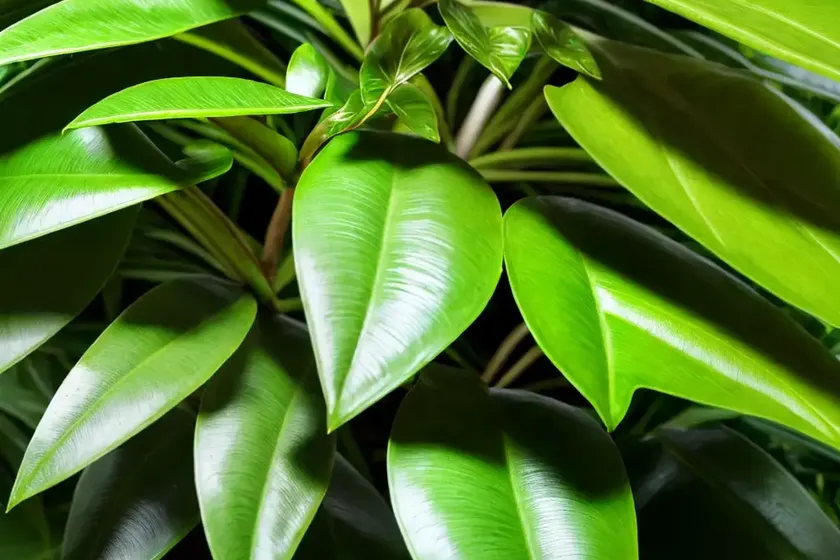
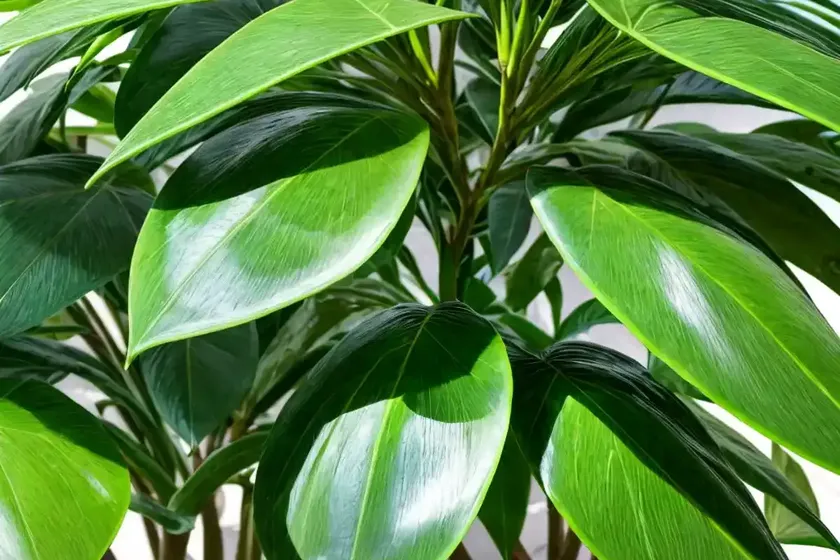
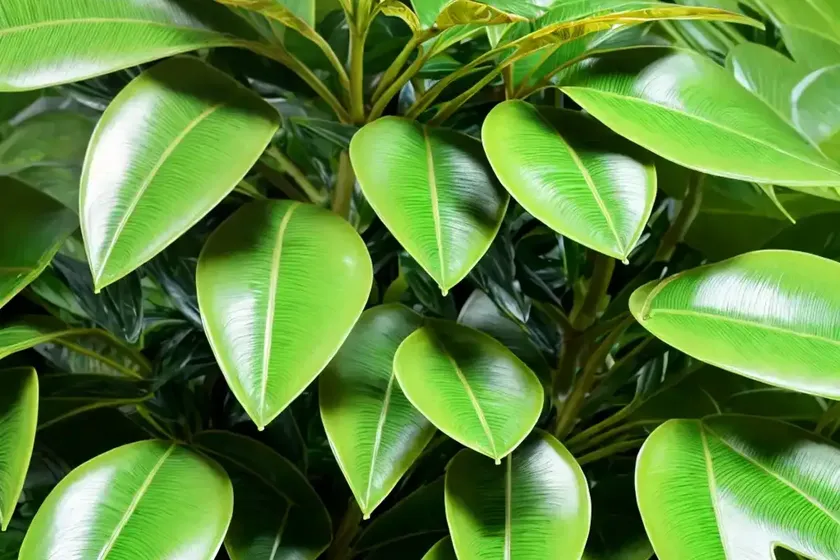
Plants play a crucial role in our lives as they provide oxygen, food, medicine, and environmental benefits. Among the diverse range of plant species, one that stands out for its beauty and versatility is the Schefflera (Umbrella) plant, scientifically known as Schefflera actinophylla. The Schefflera plant is a popular choice for both indoor and outdoor settings due to its attractive foliage and low-maintenance nature. In this comprehensive guide, we will explore the various aspects of caring for Schefflera plants, including cultivation, uses, maintenance, and common issues.
What is Schefflera (Umbrella) Plant?
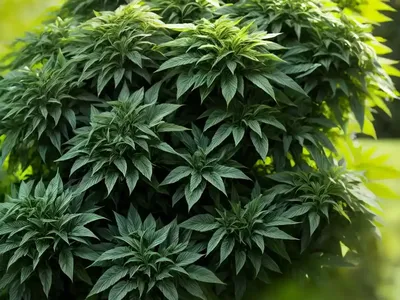
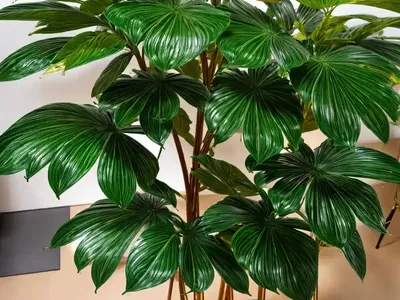
Schefflera, commonly known as the Umbrella Tree, is a tropical plant native to Australia, New Guinea, and Java. It belongs to the family Araliaceae and is characterized by its distinctive palmately compound leaves that resemble the spokes of an umbrella, hence its common name.
The scientific name Schefflera actinophylla reflects the plant’s unique foliage, with “actino” meaning radiating or spreading, and “phylla” denoting leaves. This description aptly captures the umbrella-like arrangement of its leaves, making it a captivating addition to any indoor or outdoor space.
Culture
Schefflera plants are versatile and adaptable, making them suitable for various cultural settings. From office spaces to living rooms, these plants thrive in environments with bright, indirect light, moderate humidity, and well-draining soil. Their resilient nature allows them to tolerate occasional neglect, making them an ideal choice for beginners and seasoned plant enthusiasts alike.
Uses
- Aesthetic Appeal: Schefflera plants are prized for their ornamental value, adding a touch of tropical elegance to any setting.
- Air Purification: They are effective air purifiers, helping to improve indoor air quality by filtering out pollutants and airborne toxins.
- Biophilic Benefits: By bringing a touch of nature indoors, Schefflera plants contribute to a sense of well-being and connection to the natural world.
Water
Proper watering is essential for the health and vitality of Schefflera plants. These plants prefer moderately moist soil and are sensitive to overwatering, which can lead to root rot and other water-related issues. It’s important to strike a balance, allowing the soil to partially dry out before watering again.
- Watering Frequency: Water the plant when the top inch of the soil is dry to the touch, typically every 7-10 days depending on environmental conditions.
- Watering Method: Use a watering can or implement a slow, gentle watering technique to ensure even moisture distribution without waterlogging the soil.
- Avoid Waterlogging: Ensure that excess water can freely drain from the pot to prevent waterlogged soil, which can lead to root rot.
Sunlight
Schefflera plants thrive in bright, indirect light, making them suitable for locations with ample natural illumination but without direct sun exposure. Placing them near east or west-facing windows or in well-lit rooms provides the ideal light conditions for healthy growth.
- Optimal Light Conditions: Provide 4-6 hours of indirect sunlight per day to promote lush, vibrant foliage without the risk of sunburn.
- Supplemental Lighting: In low-light environments, consider using grow lights to supplement natural light and support healthy growth.
Fertilizer
Proper fertilization is integral to supporting the growth and vitality of Schefflera plants. A balanced, water-soluble fertilizer formulated specifically for indoor plants can provide the essential nutrients needed for lush foliage and overall health.
- Fertilizer Type: Choose a balanced, all-purpose fertilizer with equal proportions of nitrogen, phosphorus, and potassium, such as 10-10-10 or 20-20-20.
- Application Frequency: Fertilize every 4-6 weeks during the growing season (spring and summer) to support active growth, reducing frequency to every 8-12 weeks in fall and winter.
Soil
The right soil composition is crucial for providing a well-draining, nutrient-rich environment that supports Schefflera plant growth. A quality potting mix designed for tropical plants or a homemade mix with the right balance of organic matter and drainage components can create an ideal substrate for these plants.
- Soil Composition: Use a well-aerated, fast-draining potting mix that retains moisture without becoming waterlogged. Incorporate perlite or sand for improved drainage.
- Moisture Retention: The soil should have good moisture-retaining properties while allowing excess water to drain freely.
Pruning
Pruning is essential for shaping the plant, promoting bushier growth, and removing any damaged or diseased foliage. Schefflera plants respond well to regular pruning, which encourages new growth and maintains the desired shape and size.
- Pruning Frequency: Regularly inspect the plant for any dead, yellowing, or leggy growth and prune as needed to maintain a balanced, attractive appearance.
- Pruning Technique: Use clean, sharp scissors or pruning shears to make precise cuts, ensuring the removal of any diseased or overcrowded foliage.
Propagation
Propagating Schefflera plants is an enjoyable and rewarding process, allowing you to expand your plant collection or share the joy of growing these beautiful specimens with others. Several methods, including stem cuttings and air layering, can be employed to propagate new plants from existing ones.
- Stem Cuttings: Select healthy stem cuttings from the parent plant and root them in a suitable growing medium to establish new plants.
- Air Layering: Encourage the formation of roots on a healthy stem while still attached to the parent plant, creating a new individual that can be transplanted once established.
Container Popularity
Schefflera plants are popular choices for container gardening both indoors and outdoors, thanks to their attractive appearance, adaptability, and air-purifying qualities. Whether displayed as a standalone specimen or as part of a mixed planting, these plants make striking additions to any container garden.
Container Common Diseases
Schefflera plants, while relatively sturdy, are susceptible to a few common diseases that can affect their overall health and appearance. By familiarizing yourself with these issues, you can take proactive measures to prevent and address them effectively.
Disease Diagnosis
- Powdery Mildew: This fungal disease presents as a powdery white coating on the leaves, inhibiting photosynthesis and weakening the plant over time.
- Root Rot: Overwatering or poorly draining soil can lead to root rot, characterized by mushy, discolored roots and wilting foliage.
- Leaf Spot: Leaf spot diseases manifest as dark, water-soaked lesions on the foliage, often caused by bacterial or fungal pathogens.
Common Pests
In addition to diseases, Schefflera plants can also fall victim to common pests that may compromise their health and appearance. Vigilance and prompt action are key to preventing pest infestations and minimizing their impact on the plants.
Botanist’s Tips
To ensure the successful growth and wellbeing of Schefflera plants, keep the following tips in mind:
- Regular Monitoring: Periodically inspect the plant for signs of stress, disease, or pest activity, addressing any issues promptly.
- Consistent Care: Maintain a consistent watering and fertilization schedule to provide the plant with the essential nutrients and moisture it requires.
- Adapt to Seasonal Changes: Adjust care practices, including watering frequency and light exposure, to align with seasonal variations in environmental conditions.
- Adequate Space: Allow ample space for the plant’s growth, ensuring that it has room to spread out and develop its characteristic lush foliage.
Fun Facts
Discover some intriguing and fascinating tidbits about Schefflera plants:
- Botanical Name Inspiration: The generic name Schefflera honours the 18th-century German botanist Jacob Christian Scheffler.
- Tropical Origins: Originating from tropical regions, Schefflera plants thrive in warm, humid climates and have adapted well to indoor cultivation.
- Variegated Varieties: In addition to the classic green foliage, variegated Schefflera cultivars feature striking patterns of white or yellow on their leaves, adding visual interest to the plant.
Links to External Resources
To delve deeper into the world of Schefflera plant care, explore the following valuable resources:
- American Society for the Prevention of Cruelty to Animals (ASPCA) – Schefflera
- Colorado State University Extension – Schefflera Care Guide
- University of Florida IFAS Extension – Aralia Schefflera Production Guide
In summary, Schefflera (Umbrella) plants are captivating and versatile additions to any indoor or outdoor space, offering aesthetic appeal, air-purifying benefits, and a sense of natural tranquility. By following the guidelines outlined in this comprehensive care guide, you can cultivate thriving Schefflera plants and enjoy their beauty for years to come.
Whether you’re a seasoned plant enthusiast or a novice green thumb, the Schefflera plant’s resilience and ornamental charm make it a rewarding and delightful choice for any home or garden setting. With the right care and attention, your Schefflera plant will flourish, bringing a touch of tropical elegance and natural splendor to your surroundings.