Asterisk Ivy (Hedera Helix ‘asterisk’)
Plants have always had a special place in our lives, whether it’s the beauty they add to our surroundings or the benefits they offer to the environment. In.
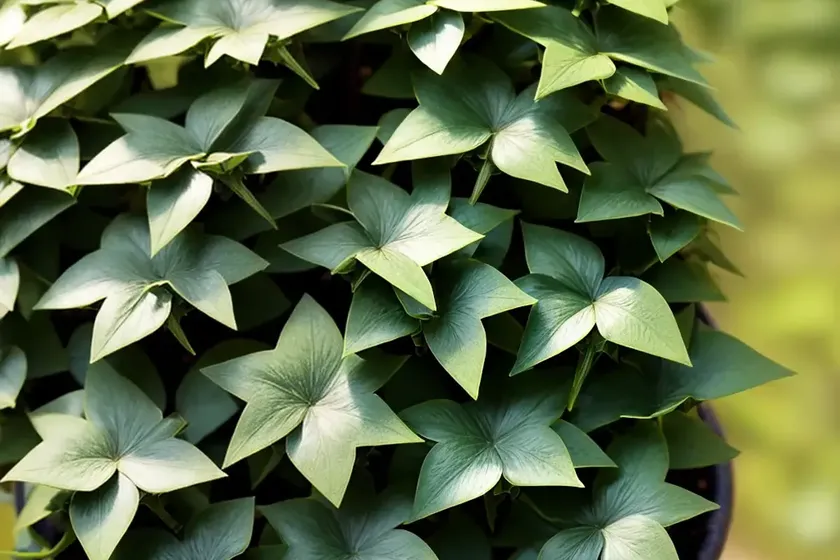
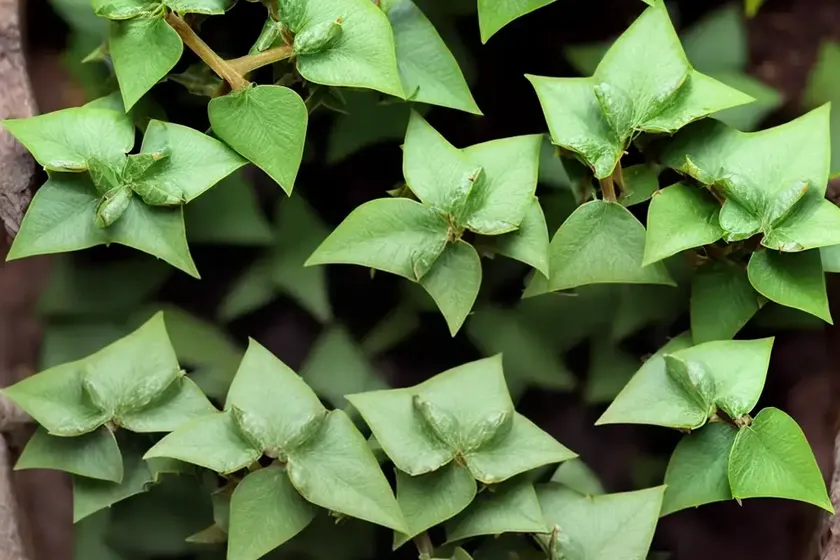
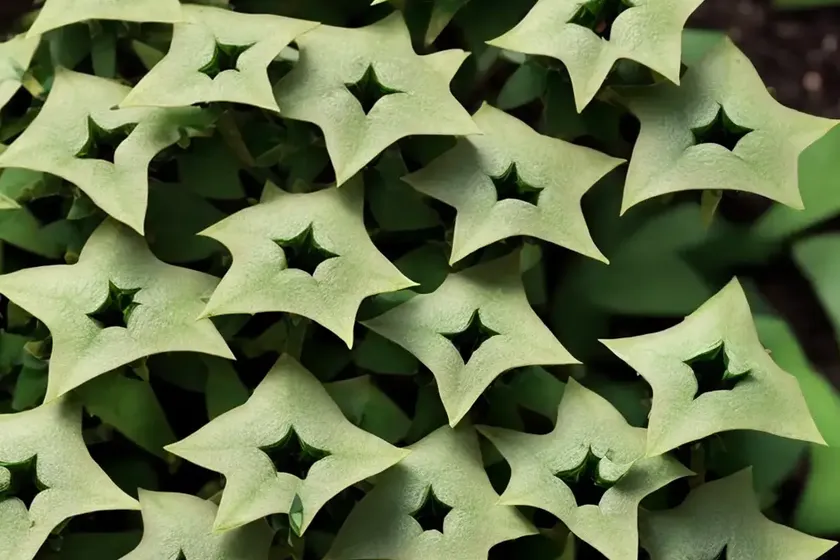
Plants have always had a special place in our lives, whether it’s the beauty they add to our surroundings or the benefits they offer to the environment. In the realm of these wondrous organisms, one plant that stands out is the Asterisk Ivy (Hedera Helix ‘asterisk’). This particular species has captured the interest of plant enthusiasts and researchers alike for its unique characteristics and versatile uses.
In this comprehensive guide, we will delve into the world of Asterisk Ivy, exploring its cultivation, care, uses, and much more. Whether you are a seasoned gardener or just beginning to discover the joy of plant care, this article will provide you with valuable insights into the captivating realm of Asterisk Ivy.
What is Asterisk Ivy (Hedera Helix ‘asterisk’)?
Asterisk Ivy, scientifically known as Hedera Helix ‘asterisk’, is a trailing vine that belongs to the family Araliaceae. This perennial evergreen plant is renowned for its trailing foliage and its ability to thrive in various environmental conditions. With its attractive appearance and low maintenance requirements, it has become a popular choice for both indoor and outdoor cultivation.
Key Takeaways – Asterisk Ivy (Hedera Helix ‘asterisk’)
Before we embark on our journey to understand the intricacies of caring for Asterisk Ivy, let’s take a quick look at the key takeaways that will be covered in this guide:
- Cultivation and Care
- Watering
- Sunlight Requirements
- Fertilization
- Soil Preferences
- Pruning Techniques
-
Propagation Methods
-
Uses
- Decorative Purposes
- Landscaping
-
Air Purification
-
Common Diseases and Pests
- Disease Diagnosis
-
Pest Control
-
Botanist’s Tips
- Fun Facts
Now, let’s venture into the realm of Asterisk Ivy and unravel the secrets behind its successful cultivation and utilization.
Cultivation and Care of Asterisk Ivy (Hedera Helix ‘asterisk’)
To ensure the thriving growth of Asterisk Ivy, it is crucial to understand and cater to its specific care requirements. From water and sunlight to fertilizer and soil preferences, each aspect plays a pivotal role in nurturing this remarkable plant.
Watering
Asterisk Ivy thrives best when the soil is kept consistently moist but not waterlogged. It’s essential to strike a balance, allowing the top inch of the soil to dry out between watering sessions. Overwatering can lead to root rot, while underwatering can cause the plant to wilt and dry out. A good practice is to check the soil moisture regularly and adjust the watering frequency based on the plant’s needs and environmental conditions.
Sunlight Requirements
When it comes to sunlight, Asterisk Ivy displays remarkable adaptability. It can thrive in both bright, indirect light and partial shade. However, prolonged exposure to direct sunlight can lead to leaf scorching, especially in warmer climates. Finding the right balance of light is crucial for the plant’s overall health and vigor.
Fertilization
Asterisk Ivy benefits from regular fertilization during the growing season, typically from spring to early fall. A balanced, water-soluble fertilizer diluted to half strength can be applied every 4-6 weeks to promote healthy growth. Avoid fertilizing during the winter months when the plant is in a state of dormancy.
Soil Preferences
The ideal soil for Asterisk Ivy is well-draining and rich in organic matter. A quality potting mix designed for houseplants or a blend of peat moss, perlite, and compost provides an excellent growing medium for this trailing vine. Ensuring adequate drainage is essential to prevent waterlogged soil, which can lead to root issues.
Pruning Techniques
Regular pruning helps maintain the shape and appearance of Asterisk Ivy while promoting new growth. Trim back any excessive growth or leggy stems to encourage a bushier, more compact form. Pruning also aids in removing any discolored or damaged foliage and helps improve air circulation around the plant, reducing the risk of diseases.
Propagation Methods
Asterisk Ivy can be propagated through stem cuttings, making it an excellent choice for those looking to expand their plant collection or share it with fellow enthusiasts. Select a healthy stem cutting with several leaves and nodes, place it in a suitable growing medium, and ensure adequate humidity to encourage root development. With proper care, the cutting will develop roots and grow into a new plant, ready to adorn new spaces.
Uses of Asterisk Ivy (Hedera Helix ‘asterisk’)
Apart from its aesthetic appeal, Asterisk Ivy serves various practical and ornamental purposes, making it a versatile plant with a wide range of applications.
Decorative Purposes
Asterisk Ivy is prized for its decorative qualities, adding a touch of greenery and elegance to indoor and outdoor spaces. Its trailing nature makes it suitable for hanging baskets, cascading from elevated planters, or adorning shelves and mantels. The vibrant green foliage enhances the visual appeal of any setting, bringing a refreshing touch of nature to living spaces.
Landscaping
In landscaping, Asterisk Ivy is utilized as a ground cover and for vertical gardening. Its lush foliage forms a dense mat, making it an excellent choice for suppressing weed growth and adding texture to garden beds. Additionally, its climbing abilities make it ideal for covering walls, fences, and other vertical structures, transforming them into captivating green expanses.
Air Purification
Asterisk Ivy is known for its air-purifying qualities, as it helps remove airborne toxins and particulate matter, contributing to a healthier indoor environment. Its presence aids in improving air quality, making it a valuable addition to homes and offices, especially in urban settings where air pollution is a concern.
Common Diseases and Pests
Like all plants, Asterisk Ivy is susceptible to certain diseases and pest infestations. Being able to identify and address these issues is crucial to maintaining the plant’s vitality and ensuring its long-term well-being.
Disease Diagnosis
Common diseases that may affect Asterisk Ivy include leaf spot and powdery mildew. Leaf spot appears as dark, water-soaked lesions on the foliage, while powdery mildew presents as a powdery white substance on the leaves. Both conditions can be addressed through proper ventilation, maintaining appropriate humidity levels, and avoiding overhead watering, which can contribute to fungal growth. If necessary, fungicidal treatments may be utilized to combat severe infestations.
Pest Control
Asterisk Ivy can be prone to pest infestations, with spider mites and aphids being among the common culprits. Regularly inspecting the plant for signs of pest activity, such as webbing or stippled leaves, can help in early detection and intervention. Natural remedies like neem oil or insecticidal soap can be effective in controlling mild infestations, while severe cases may require the application of targeted insecticides.
Botanist’s Tips
To enhance your success with Asterisk Ivy, here are some expert tips to consider:
- Regular Monitoring: Keep a close eye on the plant’s growth and overall condition, addressing any issues promptly.
- Support for Climbing Vines: If you are cultivating Asterisk Ivy for its climbing capabilities, providing it with a trellis or support structure will encourage vertical growth and create an enchanting display.
- Avoid Water Stress: Strive to maintain consistent soil moisture, avoiding extremes of drought or waterlogging.
- Regular Feeding: During the growing season, ensure the plant receives regular doses of balanced fertilizer to support its vigor.
Fun Facts
Are you eager to learn some captivating trivia about Asterisk Ivy? Here are a few fun facts to pique your interest:
- The intricate patterns and variegation seen in Asterisk Ivy’s leaves make each plant a unique work of art.
- Asterisk Ivy has been associated with various symbolic meanings, including friendship, fidelity, and protection.
- The botanical name “Hedera Helix” is derived from the ancient Greek word “hedra,” meaning “to sit” or “to stay,” alluding to the plant’s clinging nature.
Links to External Resources
To further enrich your knowledge of Asterisk Ivy and its care, you may find the following resources to be valuable:
- Royal Horticultural Society – Hedera Helix
- University of Florida IFAS Extension – English Ivy (Hedera helix L.)
- The Spruce – Growing English Ivy Indoors
With these resources at your disposal, you can delve deeper into the world of Asterisk Ivy and gain a comprehensive understanding of its cultivation and uses.
In conclusion, Asterisk Ivy (Hedera Helix ‘asterisk’) stands as a captivating plant that offers both aesthetic charm and functional benefits. Whether adorning indoor spaces with its trailing foliage or enhancing outdoor landscapes with its trailing and climbing capabilities, this versatile plant has much to offer. By understanding its specific care requirements and harnessing its decorative and practical uses, plant enthusiasts can truly appreciate the allure of Asterisk Ivy.
So, whether you are a seasoned gardener or a novice plant enthusiast, consider welcoming Asterisk Ivy into your botanical repertoire and witness the enchanting beauty it brings to your world.