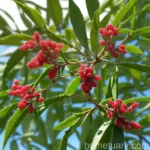
Hardy Orange (Poncirus trifoliata ‘Monstrosa’): A Complete Guide
Introduction to Hardy Orange (Poncirus trifoliata ‘Monstrosa’)
Hardy orange, scientifically known as Poncirus trifoliata ‘Monstrosa’, is an intriguing plant species that has been capturing the interest of plant enthusiasts and botanists alike. Belonging to the Rutaceae family, this unique plant is characterized by its thorny stems, trifoliate leaves, and small, citrus-like fruits. In this comprehensive guide, we will delve into the various aspects of the hardy orange plant, including its culture, uses, cultivation requirements, common diseases, pest management, and much more.
Key Takeaways – Hardy Orange (Poncirus trifoliata ‘Monstrosa’)
Before we embark on this comprehensive journey to explore the fascinating world of hardy orange (Poncirus trifoliata ‘Monstrosa’), let’s summarize the key takeaways that we will discuss in detail:
- Plant Name: Hardy Orange (Poncirus trifoliata ‘Monstrosa’)
- Family: Rutaceae
- Common Names: Hardy orange, Trifoliate orange
- Type: Deciduous shrub
- Foliage: Trifoliate leaves
- Thorns: Prominent thorny stems
- Fruits: Small, citrus-like fruits
- Hardiness Zone: 5-9
- Growth Rate: Moderate
- Uses: Ornamental, medicinal, culinary
- Challenges: Susceptible to specific diseases and pests
Now that we have a glimpse of the key aspects of hardy orange (Poncirus trifoliata ‘Monstrosa’), let’s delve into a detailed exploration of its culture, uses, and cultivation requirements.
Culture
Understanding the cultural requirements of the hardy orange plant is fundamental to its successful growth and development. From watering and sunlight needs to soil preferences and pruning techniques, a well-rounded knowledge of its culture ensures that this unique shrub thrives in various gardening and landscaping settings.
Water
Proper watering is essential to the health of the hardy orange plant. While it is relatively drought-tolerant once established, consistent watering, particularly during periods of prolonged dryness, is beneficial, particularly for young plants and those growing in containers. However, it is crucial to prevent waterlogging, which can lead to root rot and other detrimental conditions.
Sunlight
Hardy orange (Poncirus trifoliata ‘Monstrosa’) is notably sun-loving and thrives in full sunlight. It prospers in well-drained, sunny locations and exhibits optimal growth and fruit production under bright, direct sunlight.
Fertilizer
Fertilizing the hardy orange plant can be beneficial for promoting healthy growth and fruit development. A balanced, slow-release fertilizer applied in spring can provide essential nutrients for the plant’s overall well-being. However, it is vital to avoid excessive fertilization, which can lead to lush foliage growth at the expense of fruit production.
Soil
The hardy orange plant flourishes in well-drained, slightly acidic to neutral soil. Loamy or sandy loam soils are generally suitable for its growth, providing good drainage and aeration for the roots. While it can tolerate a range of soil types, avoiding waterlogged or excessively compacted soils is crucial for preventing root-related issues.
Pruning
Pruning plays a key role in shaping the growth habit of the hardy orange plant and managing its size. Regular pruning helps maintain a desirable form, removes any damaged or diseased branches, and promotes air circulation within the plant canopy. Additionally, strategic pruning can enhance fruit production and aid in controlling the plant’s overall size.
Uses
The hardy orange (Poncirus trifoliata ‘Monstrosa’) is a versatile plant with a wide range of uses, spanning from ornamental and landscaping purposes to culinary and medicinal applications. Exploring its diverse uses sheds light on the value and significance of this intriguing plant species.
Ornamental
The hardy orange plant, with its distinctive thorny stems, trifoliate leaves, and small, citrus-like fruits, serves as an excellent ornamental addition to gardens, landscapes, and horticultural displays. Its unique appearance, particularly during the fruiting season, adds visual interest and texture to the outdoor environment.
Medicinal
In traditional medicine, certain parts of the hardy orange plant have been utilized for their purported medicinal properties. From its fruit extracts to the application of specific plant components, this shrub has been associated with traditional remedies and health-related practices in various cultures.
Culinary
While the fruits of the hardy orange plant are not typically consumed fresh due to their intensely sour taste, they have been utilized in culinary pursuits, including the production of marmalades, preserves, and flavorings. Their high pectin content makes them suitable for creating unique culinary products and infusions.
Landscape Design
From hedgerows and boundary plantings to wildlife habitat creation and erosion control, the hardy orange plant offers valuable contributions to landscape design and ecological restoration projects. It serves as a natural deterrent due to its thorny nature and can be utilized in diverse landscaping applications.
Propagation
Understanding the methods of propagating the hardy orange (Poncirus trifoliata ‘Monstrosa’) enables enthusiasts and horticulturists to expand their plantings and cultivate new specimens. The propagation techniques for this unique shrub are essential for ensuring its continued presence in various settings.
Seed Propagation
The propagation of hardy orange plants from seeds provides an opportunity to grow new plants with genetic diversity. Harvesting and sowing seeds from mature fruits can be an engaging and rewarding method of expanding the population of this distinctive species.
Cutting Propagation
Utilizing stem cuttings for propagation offers a reliable and efficient means of multiplying favored cultivars and preserving specific traits. With the application of proper techniques and environmental conditions, stem cuttings can develop into healthy, genetically identical plants.
Container Popularity
The hardy orange (Poncirus trifoliata ‘Monstrosa’) exhibits characteristics that make it well-suited for container cultivation, adding versatility to its potential applications in horticulture and urban green spaces. Its popularity as a container plant aligns with the growing interest in container gardening and compact landscaping solutions.
Benefits of Container Cultivation
Cultivating hardy orange plants in containers offers several advantages, including the ability to control their growth, create portable displays, and facilitate their integration into urban and small-scale gardening environments. Additionally, container cultivation allows for the appreciation of this unique plant in settings where in-ground planting may not be feasible.
Considerations for Container Growth
When growing hardy orange plants in containers, it is crucial to consider factors such as pot size, soil medium, watering needs, and winter protection. By addressing these considerations, enthusiasts can ensure the successful growth and development of the plant in a containerized setting.
Common Diseases
As with any plant species, hardy orange (Poncirus trifoliata ‘Monstrosa’) is susceptible to certain diseases that can affect its overall health and vigor. Understanding these common diseases and their management is essential for maintaining the plant’s well-being and minimizing potential impacts.
Citrus Canker
Citrus canker, caused by the bacteria Xanthomonas citri subsp. citri, can affect the leaves, stems, and fruits of the hardy orange plant, leading to characteristic lesions and blemishes. Effective management strategies involve the use of disease-resistant cultivars and the implementation of cultural practices that minimize infection risk.
Phytophthora Root Rot
Phytophthora root rot, caused by various species of Phytophthora, can pose a significant threat to the root system of the hardy orange plant, leading to root decay and impaired water and nutrient uptake. Consistent soil moisture management and the use of well-drained soil are crucial for preventing this destructive disease.
Alternaria Leaf Spot
Alternaria leaf spot, caused by the fungus Alternaria spp., can result in the formation of dark, necrotic lesions on the leaves of the hardy orange plant. Implementing measures to reduce leaf wetness, such as spacing plants for adequate air circulation, can aid in preventing and managing this foliar disease.
Disease Diagnosis
Diagnosing diseases in the hardy orange (Poncirus trifoliata ‘Monstrosa’) involves keen observation, diagnostic assessment, and prompt intervention to mitigate potential damage and prevent the spread of diseases within the plant population. Effective disease diagnosis is a critical component of plant health management.
Clinical Symptoms
Recognizing the clinical symptoms of common diseases, such as citrus canker, phytophthora root rot, and alternaria leaf spot, involves identifying characteristic signs such as lesions, leaf discoloration, and overall decline. Thorough examination and documentation of symptoms aid in accurate disease identification.
Laboratory Analysis
In cases where disease symptoms are ambiguous or complex, laboratory analysis, including pathogen isolation, molecular diagnostics, and microscopy, can provide valuable insights into disease causative agents and contribute to precise disease diagnosis.
Integrated Management
Following disease diagnosis, the implementation of integrated disease management strategies, combining cultural, biological, and chemical approaches, is essential for addressing established infections and preventing future disease outbreaks.
Common Pests
In addition to diseases, the hardy orange (Poncirus trifoliata ‘Monstrosa’) may encounter various pests that can impact its growth and reproductive success. Identifying these common pests and employing effective pest management strategies is crucial for safeguarding the plant from pest-related damage.
Asian Citrus Psyllid
The Asian citrus psyllid, Diaphorina citri, is a notable pest that can affect the hardy orange plant, particularly through its association with the transmission of citrus greening disease. Vigilant monitoring and the use of pest-resistant varieties contribute to the management of this significant pest.
Citrus Root Weevils
Citrus root weevils, including the Diaprepes root weevil (Diaprepes abbreviatus) and the citrus root weevil (Pachnaeus litus), can pose challenges to the root system of the hardy orange plant, leading to root damage and compromised plant vitality. Implementing cultural and chemical control measures can aid in managing these destructive pests.
Scale Insects
Scale insects, such as the cottony cushion scale (Icerya purchasi) and the California red scale (Aonidiella aurantii), can infest the stems and foliage of the hardy orange plant, impacting its overall health and aesthetic appeal. Monitoring and intervention techniques, including biological control and targeted insecticides, can assist in scale insect management.
Botanist’s Tips
To further enhance our understanding and appreciation of the hardy orange (Poncirus trifoliata ‘Monstrosa’), let’s explore some valuable tips and recommendations from botanists and horticultural experts. These insights provide practical guidance for cultivating and caring for this unique plant species.
Site Selection
When selecting a site for planting hardy orange (Poncirus trifoliata ‘Monstrosa’), it is essential to consider its cultural requirements, including sunlight exposure, soil drainage, and potential height and spread. Choosing a well-suited location contributes to the plant’s overall health and longevity.
Monitoring and Maintenance
Regular monitoring of the plant for signs of diseases, pests, and overall growth performance is essential for timely intervention and effective maintenance. By staying attentive to the plant’s needs and responding promptly to any issues, enthusiasts can optimize its growth and vitality.
Prudent Pruning
Pruning the hardy orange plant should be approached with care and consideration for its natural growth habit and flowering and fruiting patterns. Prudent pruning practices, emphasizing the removal of diseased or damaged branches and the promotion of an open canopy structure, contribute to the plant’s well-being.
Fun Facts
Uncovering intriguing and captivating facets of the hardy orange (Poncirus trifoliata ‘Monstrosa’) adds an element of fascination and wonder to our exploration of this unique plant. Let’s delve into some fun facts that highlight the distinctive characteristics and cultural significance of the hardy orange plant.
- Thorny Resilience: The formidable thorns adorning the stems of the hardy orange plant serve as a natural defense mechanism, deterring browsing animals and contributing to its adaptability.
- Citrus Kinship: Despite its classification as a hardy orange, Poncirus trifoliata is more closely related to the rue and bitter orange genera than to true citrus species.
- Historical Significance: The hardy orange plant has historical associations, with references to its use in traditional medicine and cultural practices in various regions.
- Botanical Intrigue: The trifoliate leaves and remarkable fruiting characteristics of the hardy orange (Poncirus trifoliata ‘Monstrosa’) showcase the distinctive botanical features that captivate plant enthusiasts.
Links to External Resources
To further enrich our exploration of the hardy orange (Poncirus trifoliata ‘Monstrosa’) and facilitate continued learning and engagement, here are some valuable external resources that offer in-depth information, captivating visuals, and practical guidance on this unique plant species:
- Royal Horticultural Society – Poncirus trifoliata ‘Monstrosa’
- Missouri Botanical Garden – Hardy Orange
- University of Florida IFAS Extension – Citrus Greening Disease and the Asian Citrus Psyllid
- USDA Natural Resources Conservation Service – Plant Guide: Hardy Orange
- Penn State Extension – Alternaria Diseases
In conclusion, the hardy orange (Poncirus trifoliata ‘Monstrosa’) stands as a captivating and versatile plant species with a rich tapestry of cultural, ornamental, culinary, and ecological significance. By embracing its unique characteristics and exploring the various facets of its cultivation and uses, plant enthusiasts and horticultural enthusiasts can gain a deeper appreciation for this remarkable shrub and its enduring appeal.
So, whether you are drawn to its thorny stature, intrigued by its citrus-like fruits, or inspired by its diverse applications, the hardy orange plant invites us to embrace its botanical charm and celebrate its contributions to the colorful tapestry of the plant kingdom.
Remember, as we continue our journey of botanical discovery, let’s nurture our curiosity and appreciation for the natural world, one leaf, one bloom, and one fruit at a time.