White Poplar (Populus Alba)
The white poplar (Populus alba) is a species of tree that belongs to the genus Populus, which also includes popular species like the quaking aspen and the.
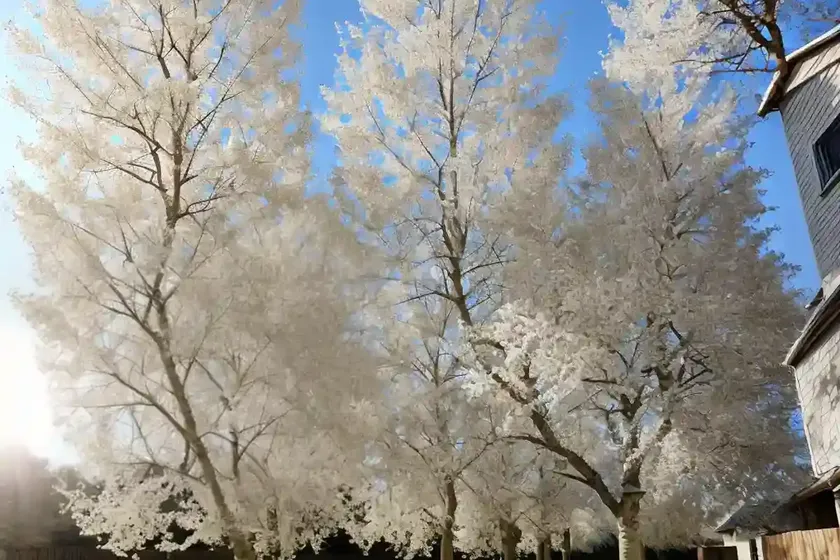

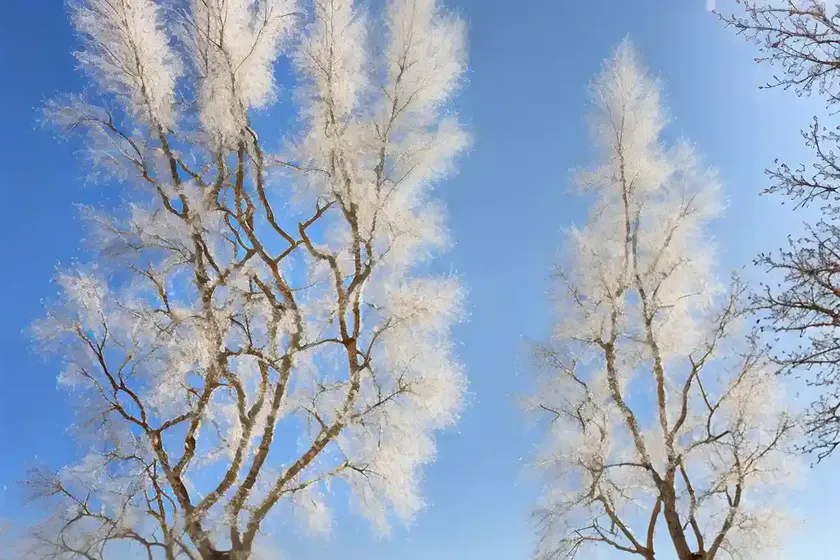
The white poplar (Populus alba) is a species of tree that belongs to the genus Populus, which also includes popular species like the quaking aspen and the cottonwood. Known for its distinctive white bark, the white poplar is an elegant and versatile tree with a wide array of cultural, ecological, and landscape uses. In this comprehensive guide, we will delve into the characteristics, cultivation, uses, ecological significance, and much more about the white poplar. Whether you are a homeowner, landscaper, ecologist, or simply a nature enthusiast, this guide aims to provide you with a deep understanding of this remarkable tree.
Key Takeaways
Before we dive into the specifics, here are the key takeaways about the white poplar:
- Plant Name: White Poplar, Populus alba
- Cultural Uses: Ornamental tree, erosion control, timber production
- Water: Moderate to high water needs
- Sunlight: Full sun to partial shade
- Fertilizer: Generally low maintenance, but benefits from occasional fertilization
- Soil: Adapted to a variety of soil types, prefers well-draining soil
- Pruning: Prune to maintain shape and remove dead or diseased wood
- Propagation: Can be propagated from cuttings or seeds
- Container Popularity: Suitable for growing in large containers
- Common Diseases: Canker, leaf spot, powdery mildew
- Common Pests: Aphids, caterpillars, scale insects
Now, let’s explore each of these aspects of the white poplar in more detail.
What is the White Poplar (Populus alba)?
The white poplar, scientifically known as Populus alba, is a deciduous tree species native to the Mediterranean region of Europe and Western Asia. It is widely cultivated for its ornamental value, particularly for its striking white bark, which provides visual interest throughout the year. The leaves of the white poplar are also distinctive, featuring a silvery underside that shimmers in the sunlight.
White Poplar Benefits and Uses
The white poplar serves various cultural, ecological, and landscape purposes, making it a valuable tree species in different settings. Some of the key benefits and uses of the white poplar include:
- Ornamental Use: The white poplar is often planted as an ornamental tree in parks, gardens, and along streetscapes due to its attractive foliage and bark.
- Erosion Control: Its extensive root system and rapid growth make it effective for stabilizing soil and preventing erosion, particularly in riparian areas.
- Timber Production: The wood of the white poplar is used in various applications, including furniture making, plywood production, and crafting of small wooden items.
- Wildlife Habitat: The tree provides habitat and food for a variety of wildlife, including birds, butterflies, and small mammals.
- Environmental Benefits: White poplars contribute to the environment by enhancing air and water quality, sequestering carbon, and providing shade and cooling effects.
- Medicinal and Traditional Uses: Some parts of the white poplar, such as the bark and buds, have been used in traditional medicine for their potential medicinal properties.
White Poplar Cultivation
Successfully cultivating white poplars requires attention to specific environmental conditions and care practices. From water and sunlight requirements to soil preferences and pruning needs, here is a detailed look at the cultivation aspects of white poplars.
Water
White poplars have moderate to high water needs, especially during their establishment phase and in hot, dry climates. Adequate watering is critical for young trees, and regular watering can help mature trees thrive, particularly during dry periods. However, ensuring proper drainage is essential, as waterlogged soil can lead to root rot and other issues.
Sunlight
White poplars prefer full sun to partial shade, thriving in locations with direct sunlight for a significant portion of the day. However, they can tolerate some shade, especially when young. When planted in shady areas, the growth rate and density of the foliage may be slightly reduced.
Fertilizer
While white poplars are generally low-maintenance trees, they can benefit from occasional fertilization to support healthy growth. Fertilize young trees in the spring to encourage vigorous growth, and avoid high-nitrogen fertilizers, as they can promote weak wood and susceptibility to certain pests and diseases.
Soil
These trees are adaptable to a variety of soil types, including loamy, sandy, and clay soils. However, they prefer well-draining soil and may struggle in compacted or waterlogged conditions. It is advisable to amend heavy soils with organic matter to improve drainage and overall soil quality.
Pruning
Pruning is essential to maintain the shape and structural integrity of white poplars. Remove any dead, damaged, or diseased wood regularly to prevent the spread of pests and diseases. Additionally, shaping and thinning the canopy can aid in promoting air circulation and reducing the risk of fungal infections.
White Poplar Propagation
White poplars can be propagated through both vegetative and sexual means, offering flexibility in expanding their presence in various landscapes and settings.
Vegetative Propagation
Propagation from cuttings is a common method for reproducing specific cultivars or desirable traits in white poplars. Softwood cuttings can be taken in early summer and treated with rooting hormones before being planted in a suitable rooting medium.
Sexual Propagation
Growing white poplars from seed is another viable option for propagating new trees, especially when preserving genetic diversity is a consideration. Collect mature seeds in late spring or early summer and sow them in well-draining seed trays or containers. Seedlings can be transplanted to their permanent locations once they have developed several sets of true leaves.
White Poplar in Containers
While white poplars are often seen in large landscapes and natural settings, they can also thrive in container environments when provided with the right care and conditions.
Container Popularity
In urban and suburban settings, white poplars can be grown in large containers on patios, decks, and other outdoor spaces. Container-grown white poplars can provide shade, visual interest, and ecological benefits even in limited spaces.
Common Diseases and Pests
Despite their resilience, white poplars can be susceptible to certain diseases and pests. Understanding these potential challenges is crucial for effectively managing and preserving the health of these trees.
Common Diseases
- Canker: Canker diseases can infect the trunks and branches of white poplars, causing sunken areas, dieback, and overall decline in tree health.
- Leaf Spot: Leaf spot diseases, caused by various fungal pathogens, can lead to the development of discolored spots on the leaves, affecting both the aesthetic appeal and the photosynthetic capacity of the trees.
- Powdery Mildew: Powdery mildew can produce a white, powdery growth on the leaves of white poplars, potentially leading to leaf distortion and premature leaf drop.
Disease Diagnosis
Diagnosing diseases in white poplars often involves careful observation of symptoms, such as lesions, spots, or unusual growth patterns, and may also require laboratory analysis or professional consultation to confirm the specific pathogens involved.
Common Pests
- Aphids: Aphids can infest white poplars, feeding on the sap and excreting honeydew, which can attract sooty mold and lead to reduced vigor in the trees.
- Caterpillars: Some caterpillar species can defoliate white poplars, particularly in the larval stage, posing aesthetic and potential health concerns.
- Scale Insects: Scale insects can colonize the twigs and branches of white poplars, damaging the trees by sapping their resources and causing stress.
Botanist’s Tips for White Poplar Care
To ensure the optimal health and vigor of white poplars, consider the following tips from botanists and arborists:
- Monitor closely for signs of diseases and pests, especially during periods of stress or environmental changes.
- Provide supplementary watering during extended dry spells, particularly for young trees and those in urban environments.
- Avoid mechanical injuries to the bark and roots, as these can serve as entry points for pathogens and contribute to decline.
- Use organic mulch around the base of the trees to conserve soil moisture, regulate soil temperature, and suppress weed growth.
White Poplar: Ecological Significance and Fun Facts
Beyond their aesthetic appeal and practical uses, white poplars play a vital role in ecosystems and possess several intriguing characteristics and attributes. Let’s explore some ecological significance and fun facts about the white poplar.
Ecological Significance
- Wildlife Habitat: White poplars provide food and shelter for numerous wildlife species, contributing to the overall biodiversity of their habitats.
- Soil Stabilization: The extensive root systems of white poplars help prevent soil erosion and stabilize riverbanks and other vulnerable areas.
- Carbon Sequestration: Like other trees, white poplars absorb carbon dioxide from the atmosphere, helping mitigate the impacts of climate change.
Fun Facts
- The white poplar’s scientific name, Populus alba, is derived from Latin, with “populus” meaning “people” and “alba” meaning “white,” highlighting the tree’s culturally significant bark color.
- White poplar leaves are known for their tremuloid nature, meaning they flutter and rustle in the slightest breeze, a characteristic shared with other poplar and aspen species.
- The bark of white poplars has been traditionally used for its astringent and anti-inflammatory properties, with applications in traditional medicine and herbal remedies.
Links to External Resources
For those interested in further exploring the topic of white poplars, the following external resources provide valuable information and insights:
-
The Arbor Day Foundation – White Poplar – Offers detailed information on the white poplar, including identification, cultivation, and ecological benefits.
-
USDA Forest Service – Populus alba – Provides comprehensive data on the ecological and silvicultural characteristics of Populus alba, including its wildlife value and range.
-
Royal Horticultural Society – Populus alba – Features cultivation tips, common uses, and landscaping considerations for white poplars in garden and urban settings.
-
Missouri Botanical Garden – Populus alba – Offers a botanical profile of Populus alba, along with specific guidance on growing conditions and potential issues.
Conclusion
The white poplar, with its captivating appearance, ecological significance, and diverse uses, stands as a remarkable tree species with wide-ranging appeal and relevance. Whether it’s enhancing the beauty of a garden, stabilizing soil along a watercourse, or providing habitat for wildlife, the white poplar continually showcases its adaptability and value. As we continue to appreciate and cultivate these trees, it becomes clear that their presence enriches our landscapes and contributes to the health and sustainability of our environment.
In this guide, we have explored the various facets of the white poplar, from its care and cultivation to its broader ecological roles and cultural significance. By understanding and embracing the unique qualities of the white poplar, we can further appreciate the beauty and resilience of this esteemed tree species.


