Pickerel Weed (Pontederia Cordata)
Plants are essential for the balance and sustainability of our ecosystem. They provide food, shelter, and have numerous other uses important for our.
Introduction
Plants are essential for the balance and sustainability of our ecosystem. They provide food, shelter, and have numerous other uses important for our survival. One such important plant is the Pickerel weed, scientifically known as Pontederia cordata. This aquatic plant is commonly found in wetlands and is known for its unique characteristics and significance in maintaining a healthy ecosystem.
In this comprehensive guide, we will explore all aspects of Pickerel weed, from its cultural significance to its uses, growing conditions, common diseases, and much more. By the end of this article, you will have a deep understanding of the Pickerel weed, its role in the environment, and how to cultivate and care for it.
What is Pickerel Weed (Pontederia cordata)?
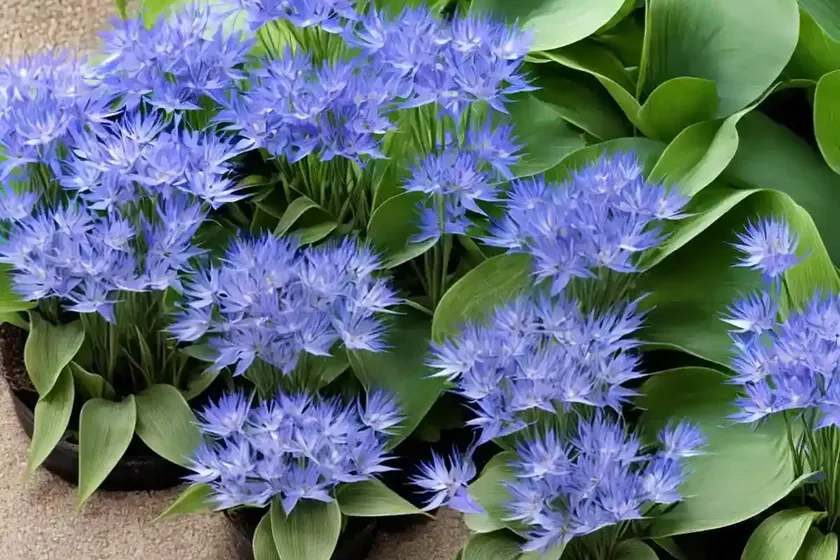
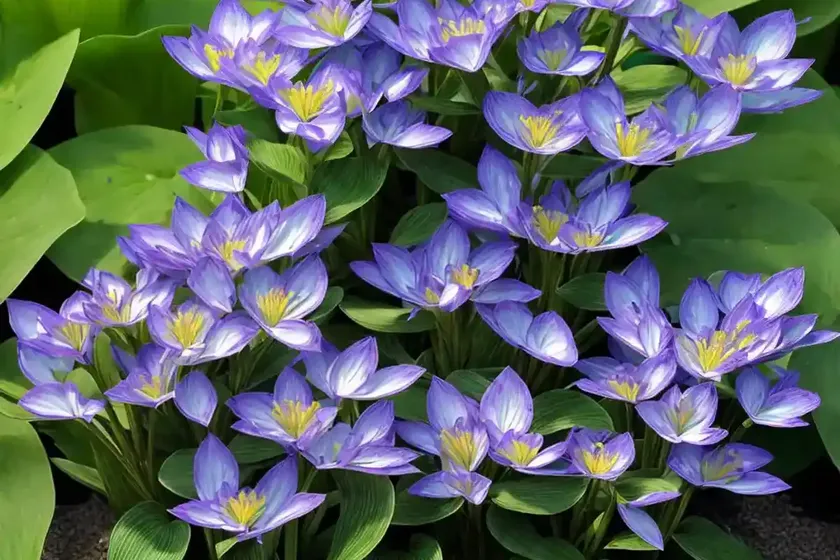
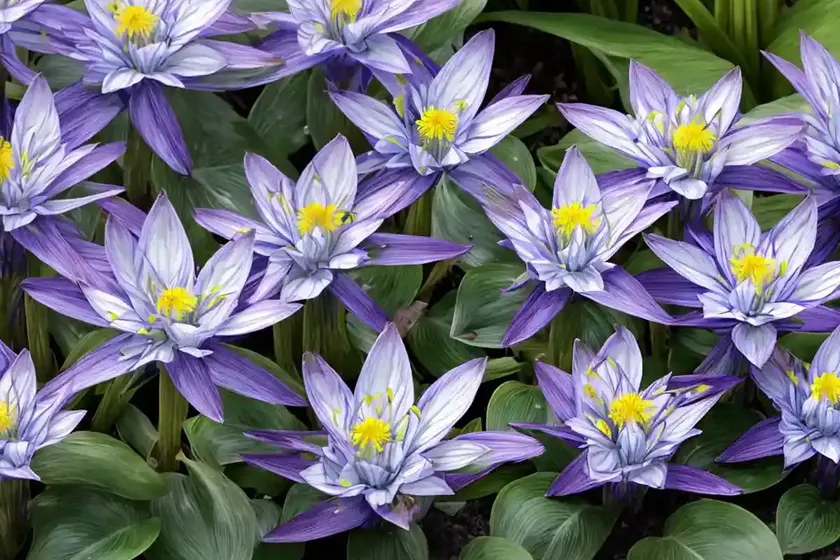
Pickerel weed, also known by its scientific name Pontederia cordata, is a perennial aquatic plant that belongs to the Pontederiaceae family. It is native to the Americas and is commonly found in marshes, along the edges of ponds, lakes, and slow-moving streams. This vibrant plant is characterized by its distinctive lance-shaped leaves and beautiful blue-violet flowers that form dense spikes.
Key Takeaways – Pickerel Weed (Pontederia cordata)
Before delving deeper into the various aspects of Pickerel weed, let’s take a look at the key takeaways associated with this fascinating plant:
-
Water Hyacinth (Eichhornia crassipes): Understanding the relationship and coexistence of Pickerel weed with other aquatic plants, such as water hyacinth.
-
Native Wetland Plants: The importance of Pickerel weed as a native wetland plant and its role in preserving natural habitats.
-
Pickerelweed Care: Understanding the specific care requirements for cultivating and maintaining healthy Pickerel weed.
-
Pickerelweed as a Water Purifier: Exploring the role of Pickerel weed in purifying water and balancing aquatic ecosystems.
-
Aquatic Plant Identification: Learning how to identify and distinguish Pickerel weed from other aquatic plant species.
Culture
Uses
Pickerel weed holds significant cultural and environmental importance due to its various uses and contributions to the ecosystem.
Water
As an aquatic plant, Pickerel weed thrives in water and is often found in shallow, slow-moving water bodies. Its roots are submerged in water, while its leaves and flowers emerge above the surface, creating a visually stunning display.
Sunlight
Pickerel weed flourishes in full sunlight, making it an ideal choice for landscaping in areas with abundant natural light.
Fertilizer
This plant generally does not require additional fertilization if grown in its natural habitat. However, if cultivated in a controlled environment, a balanced aquatic plant fertilizer may be used sparingly.
Soil
Being an aquatic plant, Pickerel weed primarily grows in water and does not require traditional soil for its growth. However, in some cases, it may be planted in aquatic planting media or sandy substrates at the edge of water bodies.
Pruning
Propagation
Pickerel weed can be propagated through division or by seed. When dividing the plant, care should be taken to ensure that each division has a portion of the rhizome and a viable shoot or bud. It can also be propagated from its seeds, which are dispersed through the water and germinate in suitable conditions.
Container
In a controlled garden or pond setting, Pickerel weed can be grown in containers submerged in water to control its growth and spread. This can be particularly beneficial in preventing it from overtaking an entire water body.
Popularity
Container
The use of containers for cultivating Pickerel weed has gained popularity, especially in home gardens and landscaping projects to create attractive water features.
Common Diseases
Disease Diagnosis
Pickerel weed is relatively resistant to diseases and pests. However, it may be susceptible to root rot if its roots remain submerged for an extended period without sufficient oxygen exchange. Regular monitoring and ensuring proper water circulation can prevent such issues.
Common Pests
Botanist’s Tips
Pickerel weed faces minimal pest issues when grown under suitable conditions. However, snails and certain aquatic insects may feed on its foliage. This can generally be managed through natural predators or environmentally friendly pest control measures.
Fun Facts
Fun Facts about Pickerel Weed
- Pickerel weed is often visited by pollinators, including bees, butterflies, and hummingbirds, contributing to the overall biodiversity of the habitat.
- Its upright, lance-shaped leaves provide shade and shelter for aquatic organisms, adding to the complexity and health of aquatic ecosystems.
Links to External Resources
For further information on Pickerel weed and related topics, you can explore the following resources:
- Native Plant Trust – Pickerelweed
- University of Florida IFAS Extension – Pickerelweed
- USDA NRCS – Pickerelweed
Now that we have covered the basic aspects of Pickerel weed, let’s delve into a more detailed exploration of its habitat, care requirements, and ecological significance.
Pickerelweed Characteristics and Habitat
Pickerel weed is characterized by its lance-shaped, glossy green leaves and striking blue-violet flowers that form dense spikes. It is a perennial plant that thrives in aquatic environments, particularly in marshes, along the edges of ponds and lakes, and in slow-moving streams. Its adaptability to various water depths makes it an excellent choice for naturalizing pond margins and wetland restoration projects.
Pickerelweed Care
Cultivating Pickerel weed requires an understanding of its specific care needs to ensure its healthy growth and development. Here’s a breakdown of the essential care aspects for growing and maintaining this aquatic plant.
Water
As an aquatic plant, Pickerel weed flourishes in water and is generally found in shallow, still or slow-moving water bodies. It is important to ensure that the water level provides adequate support for the plant’s roots while allowing its leaves and flowers to emerge above the surface.
Sunlight
Pickerel weed thrives in full sunlight and benefits from at least 6 to 8 hours of direct sun exposure each day. When choosing a planting location, it’s crucial to consider the availability of sunlight to sustain the plant’s growth and flowering.
Fertilizer
In its natural habitat, Pickerel weed obtains the necessary nutrients from the water and sediment in which it grows. However, in controlled pond or garden settings, a balanced aquatic plant fertilizer may be used to supplement its nutrient requirements. It’s important to use fertilizers sparingly, as excessive nutrients can lead to algal blooms and detrimental changes in water quality.
Soil
The traditional concept of soil does not apply to aquatic plants like Pickerel weed, as they primarily grow in water. However, in a controlled garden or pond environment, the plant can be grown in aquatic planting media or sandy substrates at the edge of water bodies, providing anchorage while allowing the roots to access the necessary resources.
Pruning
Pruning is generally minimal for Pickerel weed, as the plant naturally maintains its shape and size in suitable conditions. However, if necessary, dead or yellowing leaves and spent flower stalks can be removed to maintain the plant’s aesthetic appeal and promote new growth.
Propagation
Pickerel weed can be propagated through division or from its seeds. When dividing the plant, it’s important to ensure that each division has a viable shoot or bud and a portion of the rhizome. This method allows for the creation of new plants from the original stock, facilitating the expansion of Pickerel weed in suitable habitats. The seeds of Pickerel weed are dispersed through the water, and successful germination in suitable conditions contributes to the natural propagation of the plant.
Pontederia cordata Varieties
Pontederia cordata, or Pickerel weed, is known for its unique characteristics and adaptability to various habitats. While the species is primarily identified by its lance-shaped leaves and vibrant blue-violet flowers, several varieties and cultivars offer nuanced differences in their appearance, growth patterns, and habitat preferences. Understanding the different varieties can provide valuable insights for conservation efforts, landscape design, and ecological restoration projects.
How to Grow Pickerelweed
Cultivating Pickerel weed involves creating an environment that mimics its natural habitat, ensuring the availability of essential resources for its growth and development. Here’s a step-by-step guide to growing Pickerel weed successfully:
-
Selecting the Planting Location: Choose a suitable location near the edge of a pond, lake, or marsh area with access to sunlight and still or slow-moving water. Ensure that the water depth is appropriate to support the plant’s roots and allow its foliage to emerge above the surface.
-
Preparing the Planting Site: Clear the area of any debris or competing vegetation that may hinder the growth of Pickerel weed. If planting in a controlled pond setting, prepare suitable substrates or containers to accommodate the plant.
-
Planting Procedure: If using mature plants, carefully place them in the designated planting site with the roots submerged in water and the foliage emerging above the surface. When propagating from division or seeds, follow the specific guidelines for each method to establish new plantings.
-
Maintenance and Monitoring: Regularly monitor the plant for signs of healthy growth, provide necessary care such as pruning and fertilization as needed, and ensure that the water quality and circulation support the plant’s well-being.
-
Expansion and Propagation: As the Pickerel weed establishes and thrives in its environment, it may naturally expand through rhizome growth or seed dispersal. Encouraging and managing this expansion contributes to the proliferation of the species within suitable habitats.
Growing Aquatic Plants
The cultivation of aquatic plants such as Pickerel weed plays a pivotal role in maintaining the ecological balance of aquatic ecosystems, enhancing the aesthetic appeal of water features, and providing valuable habitat and sustenance for various aquatic organisms. Understanding the principles and practices of growing aquatic plants can help in creating thriving aquatic environments and promoting the overall health of water bodies.
Pickerelweed Propagation
Propagation is a critical aspect of expanding and conserving the population of Pickerel weed in various habitats. By understanding the propagation methods and factors that contribute to successful establishment, conservationists, gardeners, and environmental enthusiasts can actively contribute to the sustainable growth and proliferation of this valuable aquatic plant.
Pickerelweed Flowers
The flowers of Pickerel weed are a prominent feature that adds visual appeal and ecological significance to water bodies where the plant is established. Understanding the characteristics and pollination mechanisms of Pickerel weed flowers can provide insights into its reproductive biology and interactions with pollinators.
Pond Landscaping with Pickerelweed
The incorporation of Pickerel weed into ponds and aquatic landscapes offers a range of benefits, including habitat enhancement, water purification, and aesthetic appeal. By strategically integrating this aquatic plant into pond environments, landscape designers and environmental enthusiasts can create biodiverse and visually captivating features that contribute to the health and balance of aquatic ecosystems.
Perennial Water Plants
Pickerel weed belongs to the category of perennial water plants, offering long-term presence and contributions to the ecological dynamics of water bodies. Understanding the characteristics and requirements of perennial water plants is essential for their successful cultivation and sustenance in diverse aquatic habitats.
Native Pond Plants
Native plants such as Pickerel weed play a crucial role in preserving the integrity and functionality of native pond ecosystems. Incorporating native pond plants into landscaping and restoration projects supports the conservation of local biodiversity and contributes to the overall resilience of aquatic habitats.
Benefits of Pickerelweed
The presence of Pickerel weed in water bodies offers a multitude of benefits that contribute to the well-being of aquatic ecosystems and their associated organisms. From water filtration to wildlife support, understanding the ecological advantages of Pickerel weed facilitates its strategic utilization in various environmental initiatives.
Invasive Water Plants
Invasive water plants pose significant challenges to the health and balance of aquatic ecosystems, necessitating proactive management and control measures. Understanding the characteristics and impacts of invasive water plants enhances the ability to differentiate and address potential threats to the integrity of natural water bodies.
Pickerelweed Ecology
The ecological significance of Pickerel weed extends beyond its visual appeal, encompassing its interactions with various organisms, habitat support, and contributions to environmental stability. Exploring the ecological dimensions of Pickerel weed sheds light on its broader role in sustaining healthy aquatic environments.
Importance of Wetland Plants
Wetland plants, including Pickerel weed, play a vital role in the ecological functions of wetland ecosystems, offering habitat, food, and support for diverse life forms. Recognizing the importance of wetland plants is essential for the conservation and sustainable management of wetland areas.
Pickerelweed Gardening
The incorporation of Pickerel weed into garden landscapes presents a unique opportunity to blend aesthetic appeal with ecological functionality. Understanding the principles and practices of Pickerelweed gardening facilitates the creation of visually captivating and ecologically beneficial garden features.
Pickerelweed Adaptations
The adaptations of Pickerel weed to its aquatic habitat reflect its evolution and resilience in various environmental conditions. Exploring the adaptations of Pickerel weed provides valuable insights into its survival strategies and its ability to thrive in diverse wetland and aquatic environments.
Aquatic Plant Maintenance
Proper maintenance of aquatic plants is crucial for sustaining their health, ensuring their ecological contributions, and preventing potential issues such as overgrowth and water quality degradation. Implementing effective aquatic plant maintenance practices supports the long-term balance and functionality of aquatic ecosystems.
Florida Native Plants
Pickerel weed is a native plant species in Florida, contributing to the state’s rich biodiversity and ecological heritage. The identification and promotion of Florida native plants are essential for preserving local ecosystems and fostering a greater appreciation for the natural heritage of the region.
Coastal Wetland Plants
Coastal wetland plants, including Pickerel weed, form critical components of coastal ecosystems, offering stability, habitat, and ecological functions crucial for the resilience of coastal areas. Understanding the characteristics and roles of coastal wetland plants supports the conservation and sustainable management of coastal environments.
Pond Filtration with Pickerelweed
Pickerel weed’s natural ability to filter water provides valuable support for pond ecosystems, contributing to the maintenance of water quality and the overall health of aquatic habitats. Incorporating Pickerel weed into pond filtration systems enhances the ecological functionality and aesthetic appeal of the water feature.
Waterfront Landscaping with Pickerelweed
The incorporation of Pickerel weed into waterfront landscapes offers diverse ecological, aesthetic, and functional benefits, enhancing the overall quality and sustainability of shoreline environments. Understanding the principles of waterfront landscaping with Pickerel weed facilitates the creation of harmonious and biodiverse shoreline features.
Pickerelweed in Wildlife Habitats
Pickerel weed serves as a valuable component of wildlife habitats, providing shelter, food, and support for various aquatic and terrestrial organisms. Understanding the contributions of Pickerel weed to wildlife habitats promotes its conservation and underscores its significance in fostering diverse and resilient ecosystems.
Pickerelweed as a Natural Habitat
The presence of Pickerel weed as a natural habitat facilitates a range of ecological interactions, supporting diverse species and contributing to the overall balance and functionality of aquatic ecosystems. Recognizing Pickerel weed as a natural habitat underscores its significance in promoting ecological diversity and stability.
Floating Plant Species
Pickerel weed is categorized as a floating aquatic plant species, offering unique ecological contributions and habitat support in aquatic environments. Understanding the characteristics and functions of floating plant species supports their strategic utilization in ecological restoration and landscape design.
Marsh Plants
Marsh plants such as Pickerel weed exhibit specialized adaptations for thriving in marshy environments, contributing to the ecological functions and biodiversity of marsh habitats. Integrating marsh plants into restoration and conservation initiatives aids in sustaining the health and resilience of marsh ecosystems.
Pickerelweed as a Water Purifier
Pickerel weed’s natural ability to purify water through nutrient uptake and filtration plays a crucial role in maintaining the balance and health of aquatic ecosystems. Recognizing the water purifying capabilities of Pickerel weed offers insights into its ecological importance and its potential applications in water quality management.
Pond Plants for Wildlife
Pickerel weed and other pond plants serve as vital components of wildlife habitats, providing essential resources and support for diverse aquatic and terrestrial species. Exploring the contributions of pond plants to wildlife enhances the understanding of their ecological functions and their significance in promoting biodiversity.
Planting Pickerelweed in Ponds
The strategic planting of Pickerel weed in ponds contributes to the enhancement of habitat quality, water purification, and aesthetic appeal, fostering diverse and sustainable pond ecosystems. Understanding the optimal practices for planting Pickerel weed in ponds supports the successful establishment and management of aquatic habitats.
Water Garden Plants
The integration of Pickerel weed and other water garden plants enhances the ecological functionality and visual appeal of water features, creating dynamic and biodiverse aquatic landscapes. Incorporating water garden plants into landscape designs promotes the creation of harmonious and sustainable garden environments.
Pickerelweed and Ecosystem Balance
Pickerel weed’s contributions to ecosystem balance include its role in nutrient cycling, habitat provision, and support for diverse organisms, emphasizing its significance in maintaining the health and functionality of aquatic ecosystems. Recognizing the impacts of Pickerel weed on ecosystem balance supports its strategic utilization in environmental conservation and restoration.
Pickerelweed as a Biofilter
The biofiltration capabilities of Pickerel weed make it a valuable component of natural water purification systems, contributing to the maintenance of water quality and the reduction of nutrient loading in aquatic environments. Recognizing Pickerel weed as a biofilter promotes its integration into sustainable water management strategies.
Pond Aesthetics with Pickerelweed
The aesthetic appeal of Pickerel weed in pond environments enhances the visual quality and ecological functionality of aquatic landscapes, creating captivating and biodiverse settings. Understanding the principles of pond aesthetics with Pickerel weed supports the creation of harmonious and visually engaging pond features.
Pickerelweed as a Natural Shoreline Stabilizer
Pickerel weed’s roots play a crucial role in stabilizing shorelines, mitigating erosion, and enhancing the structural integrity of aquatic habitats. Recognizing the natural shoreline stabilizing capabilities of Pickerel weed supports its inclusion in shoreline restoration and conservation projects.
Pickerelweed as a Nesting Site
Pickerel weed offers nesting opportunities for various aquatic and terrestrial wildlife, contributing to the reproductive success and biodiversity of ecosystems. Understanding Pickerel weed as a nesting site promotes its conservation and underscores its importance in supporting diverse species.
Aquatic Plant Identification
The ability to accurately identify Pickerel weed and distinguish it from other aquatic plant species is essential for conservation, ecological management, and landscape design. Mastering the skills of aquatic plant identification supports the informed decision-making and strategic utilization of aquatic plant species.
Pickerelweed and Water Quality
Pickerel weed’s interactions with water quality encompass nutrient uptake, sediment retention, and biofiltration, contributing to the maintenance of balanced and healthy aquatic ecosystems. Recognizing the impacts of Pickerel weed on water quality enhances the understanding of its ecological importance and its potential applications in water quality management.
Wetland Restoration with Pickerelweed
Pickerel weed plays a significant role in wetland restoration efforts, contributing to the reestablishment of diverse and resilient wetland ecosystems. Integrating Pickerel weed into wetland restoration initiatives enhances the ecological functionality and biodiversity of restored wetland areas.
Pickerelweed Seeds
The dispersal and germination of Pickerel weed seeds form critical stages in its natural propagation and establishment, contributing to the expansion and persistence of the species in diverse aquatic habitats. Understanding the characteristics and dispersal mechanisms of Pickerel weed seeds supports the management and conservation of its populations.
Pond Plant Selection
Selecting and incorporating suitable pond plants, including Pickerel weed, into water features contributes to the creation of ecologically vibrant and sustainable


