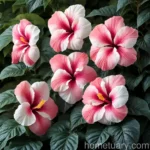
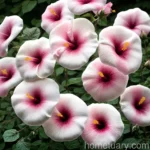
Hardy Hibiscus (Hibiscus ‘Plum Crazy’): A Comprehensive Guide
Introduction
In the realm of gardening, few plants captivate the eye like hibiscus. Known for its stunning flowers and easy care, hibiscus adds a touch of tropical beauty to any landscape. Among the myriad of hibiscus varieties, the hardy hibiscus (Hibiscus ‘Plum Crazy’) stands out with its mesmerizing deep purple blooms and robust growth.
In this comprehensive guide, we will delve into the world of hardy hibiscus, exploring its culture, uses, growth requirements, and much more. Whether you’re a seasoned gardener or a novice enthusiast, this article will equip you with the knowledge needed to nurture and appreciate the beauty of Hibiscus ‘Plum Crazy’.
What is Hardy Hibiscus (Hibiscus ‘Plum Crazy’)?
Hardy hibiscus, scientifically known as Hibiscus ‘Plum Crazy’, is a striking perennial plant renowned for its enormous flowers and robust growth habit. This hibiscus variety belongs to the Malvaceae family, which includes over 200 species of hibiscus. The ‘Plum Crazy’ cultivar is particularly cherished for its large, eye-catching flowers and its ability to thrive in a variety of conditions.
Key Takeaways – Hardy Hibiscus (Hibiscus ‘Plum Crazy’)
- Plant Type: Perennial
- Flower Color: Deep Purple
- Sunlight: Full Sun to Partial Shade
- Watering: Moderate to High
- Growth Rate: Fast
- Mature Height: 3-4 feet
Culture
Uses
Hardy hibiscus serves as an ornamental plant, adding a pop of vibrant color to gardens, landscapes, and even containers. Its large and showy blooms make it a focal point in any setting, while its lush foliage adds a touch of tropical elegance.
Water
Proper watering is crucial for the health and vitality of hardy hibiscus. While they require consistent moisture, they are susceptible to root rot if overwatered. A well-draining soil that retains moisture without becoming waterlogged is ideal.
Sunlight
Hardy hibiscus thrives in full sun to partial shade. To ensure optimal blooming and growth, provide at least 6-8 hours of direct sunlight daily. In warmer regions, some afternoon shade can help protect the plant from intense heat.
Fertilizer
A balanced, slow-release fertilizer formulated for flowering plants is recommended for hardy hibiscus. Apply the fertilizer according to the package instructions in early spring and again in midsummer to support continuous growth and flowering.
Soil
Well-draining, nutrient-rich soil is essential for the successful cultivation of hardy hibiscus. A slightly acidic to neutral pH (6.0-7.0) is ideal. Consider amending the soil with compost to improve its texture and fertility.
Pruning
Pruning is an important aspect of hardy hibiscus care, aiding in shaping the plant and stimulating new growth. Regular deadheading of spent blooms promotes continuous flowering. Additionally, trimming back leggy or overcrowded stems can help maintain an attractive and healthy plant.
Propagation
Hardy hibiscus can be propagated through both seeds and cuttings. The process of propagation from seeds requires patience, as it may take a year or more for the plants to reach maturity and bloom. On the other hand, stem cuttings taken in spring or early summer can yield new plants relatively quickly.
Container Popularity
The compact size and striking blooms of hardy hibiscus make it an excellent choice for container gardening. Placing containers of Hibiscus ‘Plum Crazy’ on patios, porches, or balconies enables enthusiasts to enjoy its beauty up close while adding a tropical flair to outdoor living spaces.
Common Diseases
Like any plant, hardy hibiscus is susceptible to certain diseases, including:
– Powdery Mildew: A fungal infection that appears as a white powdery substance on the leaves and stems.
– Leaf Spot: Characterized by dark spots on the leaves, caused by various fungi.
– Root Rot: Typically due to overwatering, leading to the rotting of the plant’s roots.
Disease Diagnosis
Early detection and diagnosis are crucial for effective disease management. Regular inspections of the plant for any signs of discoloration, wilting, or unusual spots aid in identifying potential issues. In some cases, consulting a plant pathologist or local agricultural extension office can provide valuable insights.
Common Pests
Several pests may pose a threat to the health of hardy hibiscus, including:
– Aphids
– Whiteflies
– Spider Mites
– Japanese Beetles
Botanist’s Tips
- Inspect Regularly: Regularly inspect the underside of leaves and stems for signs of pest activity.
- Natural Predators: Encourage the presence of natural predators, such as ladybugs and lacewings, which feed on common hibiscus pests.
Fun Facts
- The flowers of hardy hibiscus are not only beautiful but also edible, often used to add a touch of color to salads or beverages.
- Hibiscus flowers are widely used in various cultures for their medicinal properties, often brewed into herbal teas with a multitude of health benefits.
Links to External Resources
For further information on hardy hibiscus (Hibiscus ‘Plum Crazy’), propagation techniques, and pest management, refer to the following resources:
– The American Hibiscus Society
– University of Florida IFAS Extension – Hibiscus Care
Conclusion
In conclusion, hardy hibiscus (Hibiscus ‘Plum Crazy’) stands as an exceptional addition to any garden or landscape, offering a burst of stunning color and lush foliage. With proper care and attention to its specific needs, this captivating plant can thrive and grace its surroundings with its mesmerizing beauty. Whether grown in the ground or in containers, the allure of this hardy hibiscus variety is sure to captivate all who encounter it.
As you embark on your journey of cultivating and appreciating Hibiscus ‘Plum Crazy’, may this comprehensive guide serve as a valuable resource, aiding you in nurturing and admiring the unparalleled magnificence of this enchanting plant.